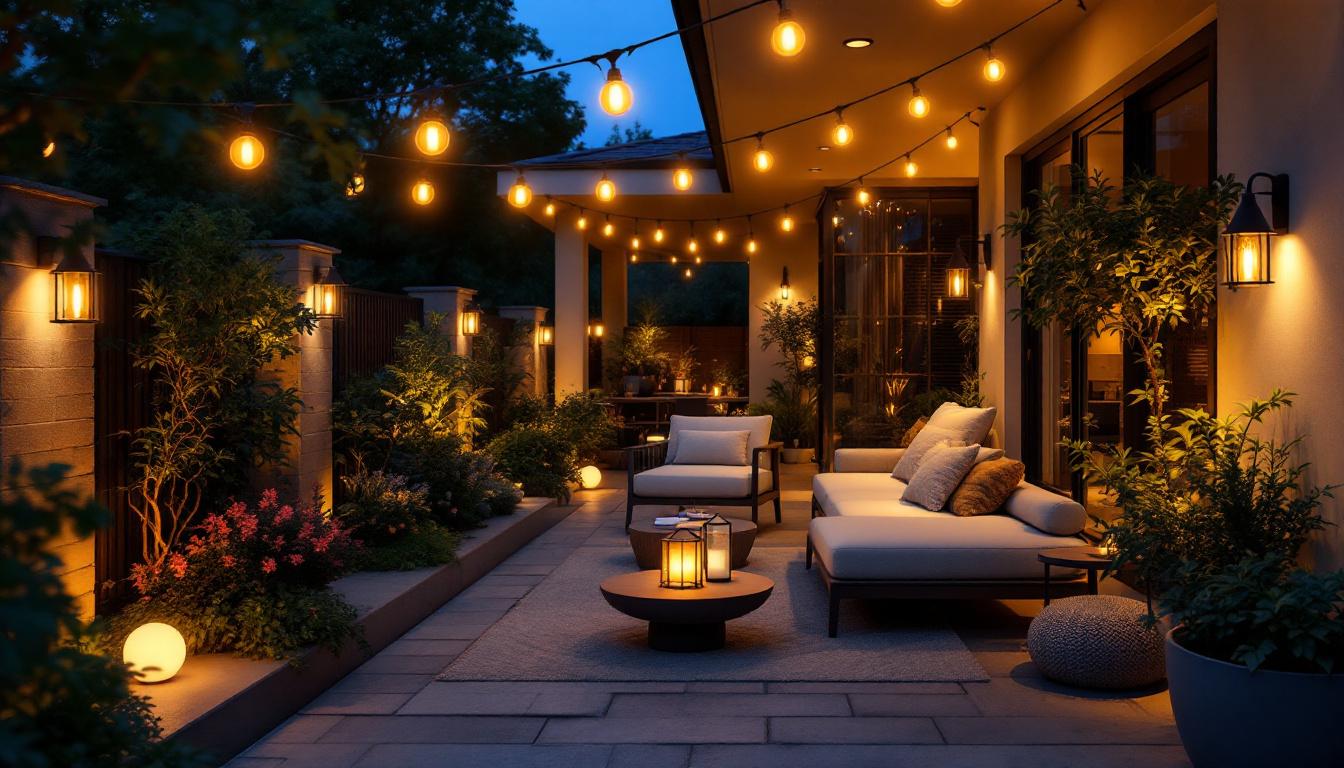
In the realm of outdoor lighting, the right fixtures can transform a mundane space into a stunning visual experience. For lighting contractors, understanding the nuances of outdoor lighting is essential for executing successful projects. This article delves into the various aspects of outdoor lighting, emphasizing the importance of selecting the right lights for exterior applications.
The Importance of Outdoor Lighting
Outdoor lighting serves multiple purposes, from enhancing aesthetics to ensuring safety and security. Properly designed lighting can highlight architectural features, illuminate pathways, and create inviting atmospheres for outdoor gatherings. Moreover, it plays a crucial role in deterring crime and preventing accidents during nighttime.
Enhancing Aesthetic Appeal
One of the primary functions of outdoor lighting is to enhance the visual appeal of a property. Thoughtfully placed lights can accentuate landscaping, architectural elements, and outdoor living spaces. For instance, uplighting can create dramatic shadows on trees and walls, while downlighting can mimic the natural glow of moonlight, providing a soft ambiance.
Moreover, color temperature plays a significant role in setting the mood. Warmer tones tend to create a cozy and inviting atmosphere, while cooler tones can lend a modern and sleek feel. Understanding how to manipulate these elements is vital for any lighting contractor looking to impress clients. Additionally, incorporating dimmable lights allows homeowners to adjust brightness levels according to the occasion, enhancing the versatility of outdoor spaces. This adaptability can transform a serene garden into a vibrant party setting with just a flick of a switch, making it essential for homeowners who love to entertain.
Safety and Security Considerations
Beyond aesthetics, outdoor lighting is crucial for safety and security. Well-lit pathways and entrances help prevent trips and falls, while illuminated driveways guide vehicles safely. Additionally, strategic lighting can deter potential intruders, making properties less attractive targets for criminal activity.
Motion-sensor lights and floodlights are excellent options for enhancing security. They not only provide illumination but also alert homeowners to any movement around their property. Contractors must consider these factors when designing a lighting plan, ensuring that safety is prioritized without sacrificing style. Furthermore, integrating smart lighting systems can offer homeowners greater control over their outdoor lighting. These systems can be programmed to turn on and off at specific times or be controlled remotely via smartphones, providing peace of mind and convenience. In areas prone to wildlife, adjustable lighting can also help manage the balance between safety and the natural ecosystem, ensuring that the outdoor environment remains harmonious and inviting.
Types of Outdoor Lighting Fixtures
When it comes to outdoor lighting, there is a vast array of fixtures available, each serving distinct purposes. Understanding these types can help contractors make informed decisions that align with their clients’ needs and preferences.
Pathway Lights
Pathway lights are essential for guiding guests safely along walkways and driveways. They come in various styles, including bollard lights, stake lights, and wall-mounted options. The key is to choose fixtures that provide adequate illumination without being overly bright or obtrusive.
Contractors should also consider the spacing of pathway lights. Ideally, they should be placed at regular intervals to ensure consistent lighting and visual appeal. In addition, selecting fixtures that complement the overall design of the landscape can enhance the aesthetic value of the property. Furthermore, incorporating solar-powered pathway lights can offer a sustainable solution, reducing energy costs while providing a charming glow that enhances the nighttime ambiance.
Accent Lighting
Accent lighting is used to highlight specific features, such as sculptures, trees, or architectural details. This type of lighting can create focal points in a landscape, drawing attention to the elements that make a property unique. Techniques like uplighting and downlighting can be employed to achieve different effects.
For instance, uplighting can create a dramatic effect by casting shadows and highlighting textures, while downlighting can provide a more subtle and natural look. It’s important for contractors to understand the desired effect and choose fixtures accordingly, ensuring that the lighting enhances rather than overwhelms the space. Additionally, using color-changing LED accent lights can add versatility, allowing homeowners to adjust the mood and theme of their outdoor space for different occasions and seasons, from festive gatherings to serene evenings.
Flood Lights
Flood lights are powerful fixtures designed to illuminate large areas. They are often used for security purposes or to light up expansive outdoor spaces such as patios, sports courts, or parking lots. When selecting flood lights, contractors should consider the beam angle, wattage, and placement to ensure effective coverage.
LED flood lights are becoming increasingly popular due to their energy efficiency and longevity. They provide bright illumination while consuming less power, making them an eco-friendly choice for outdoor lighting projects. Additionally, many LED options come with adjustable brightness settings, allowing for greater control over the lighting environment. Beyond their practical applications, flood lights can also be integrated with smart home systems, enabling homeowners to control their outdoor lighting remotely and set schedules for added convenience and security. This modern touch not only enhances functionality but also aligns with the growing trend of smart technology in residential spaces.
Choosing the Right Light Source
The choice of light source can significantly impact the performance and aesthetics of outdoor lighting. Different types of bulbs offer various benefits, and understanding these can help contractors make the best choices for their projects.
LED Lighting
LED lighting has revolutionized outdoor lighting with its energy efficiency, longevity, and versatility. LEDs consume significantly less power than traditional incandescent or halogen bulbs, resulting in lower energy bills and reduced environmental impact. Furthermore, they have a lifespan of up to 25,000 hours or more, minimizing the need for frequent replacements.
In addition to their practical benefits, LEDs are available in a wide range of color temperatures and styles, making them suitable for various applications. Whether creating a warm, inviting atmosphere or a cool, modern look, LED lighting can meet diverse design needs.
Solar Lighting
Solar lighting is another popular option for outdoor applications, particularly for areas where electrical wiring may be challenging. Solar lights harness energy from the sun, making them an eco-friendly and cost-effective solution. They are ideal for pathways, gardens, and other outdoor spaces where traditional wiring may not be feasible.
However, it’s essential to consider the location and sunlight exposure when installing solar lights. They require adequate sunlight to function effectively, and their brightness may vary depending on weather conditions. Contractors should assess the specific needs of each project to determine whether solar lighting is a suitable option.
Designing an Effective Outdoor Lighting Plan
A successful outdoor lighting project begins with a well-thought-out lighting plan. This plan should consider the specific needs of the property, the desired ambiance, and the practical requirements of the space.
Assessing the Space
The first step in designing an outdoor lighting plan is to assess the space. This involves evaluating the layout, identifying key features, and determining how lighting can enhance the overall design. Contractors should take note of existing structures, landscaping, and any potential obstacles that may affect lighting placement.
Additionally, understanding the intended use of the outdoor space is crucial. For example, a patio designed for entertaining may require different lighting than a garden meant for relaxation. By considering these factors, contractors can create a tailored lighting plan that meets the specific needs of the property.
Creating a Layered Lighting Approach
A layered lighting approach is essential for achieving a well-balanced and visually appealing outdoor space. This involves combining different types of lighting, such as ambient, task, and accent lighting, to create depth and dimension.
Ambient lighting provides general illumination, while task lighting focuses on specific areas, such as pathways or seating areas. Accent lighting, on the other hand, highlights features and adds visual interest. By integrating these layers, contractors can create a cohesive and inviting atmosphere that enhances the overall experience of the outdoor space.
Maintaining Outdoor Lighting Systems
Once the outdoor lighting system is installed, regular maintenance is essential to ensure optimal performance and longevity. This includes cleaning fixtures, checking for damaged bulbs, and ensuring that wiring is in good condition.
Cleaning and Maintenance
Outdoor fixtures are exposed to the elements, making them susceptible to dirt, debris, and corrosion. Regular cleaning can help maintain their appearance and functionality. Contractors should recommend specific cleaning methods based on the materials used in the fixtures, ensuring that they are not damaged during the process.
Additionally, it’s important to inspect the lighting system periodically for any signs of wear or damage. Replacing burnt-out bulbs promptly and addressing any wiring issues can prevent larger problems down the line, ensuring that the lighting system remains effective and safe.
Seasonal Considerations
Seasonal changes can also impact outdoor lighting systems. In colder climates, snow and ice can obstruct light fixtures, while heavy rain can affect solar lights. Contractors should advise clients on seasonal maintenance practices, such as clearing snow from fixtures or adjusting solar lights for optimal exposure to sunlight.
By being proactive about maintenance and seasonal considerations, contractors can help clients enjoy their outdoor lighting systems year-round, maximizing their investment and enhancing the property’s appeal.
Conclusion
Outdoor lighting is an essential component of any successful lighting project. By understanding the importance of outdoor lighting, the various types of fixtures available, and the best practices for design and maintenance, lighting contractors can create stunning and functional outdoor spaces. The right lighting not only enhances the aesthetic appeal of a property but also ensures safety and security, making it a worthwhile investment for any homeowner.
As the demand for outdoor lighting continues to grow, staying informed about the latest trends and technologies will enable contractors to deliver exceptional results. Embracing innovation while adhering to timeless design principles will ensure that outdoor lighting projects are not only successful but also enduring.
Illuminate Your Projects with LumenWholesale
Ready to elevate your outdoor lighting projects with the finest selection of fixtures? Look no further than LumenWholesale, where we offer an extensive range of high-quality, spec-grade lighting products at unbeatable wholesale prices. Say goodbye to the middleman and hello to cost-effective, reliable lighting solutions that will dazzle your clients and enhance any outdoor space. With free shipping on bulk orders, you can trust that you’re getting the best value without any hidden costs. Don’t compromise on quality or affordability. Visit LumenWholesale today and discover the perfect blend of quality, affordability, and convenience for your next lighting project.