In the world of lighting, understanding lumens is crucial for contractors who aim to deliver optimal solutions to their clients. With a plethora of options available, the question arises: how bright is 1500 lumens? This article delves into the significance of this brightness level, its applications, and how it can provide a competitive edge for lighting contractors.
The Basics of Lumens
Before exploring the implications of 1500 lumens, it is essential to understand what lumens measure. Lumens quantify the total amount of visible light emitted by a source. Unlike watts, which measure energy consumption, lumens focus on light output, making them a more relevant metric when assessing lighting quality. This distinction is particularly important in today’s energy-conscious world, where consumers and businesses alike are seeking to maximize efficiency without sacrificing brightness. As technology advances, the ability to produce high lumen outputs with lower energy consumption has become a hallmark of modern lighting solutions.
Why Lumens Matter
For lighting contractors, knowing the lumen output of various fixtures is vital for designing effective lighting solutions. Different environments and tasks require varying levels of brightness. For instance, a cozy living room may need less light than a workspace or a retail store. Understanding lumens allows contractors to tailor their recommendations to meet specific client needs. Furthermore, the right lumen output can enhance productivity in workspaces, create inviting atmospheres in homes, and even influence consumer behavior in retail settings. A well-lit space can draw customers in, encouraging them to explore products and ultimately make purchases.
Comparing Lumens to Other Measurements
While lumens are crucial, they are not the only measurement to consider. Color temperature, measured in Kelvins, affects the ambiance created by the light. Warmer tones (around 2700K) can create a relaxing environment, ideal for residential settings, while cooler tones (5000K and above) are often preferred in workspaces for their clarity and focus-enhancing properties. Additionally, the quality of light, such as its color rendering index (CRI), plays a significant role in how colors appear under different lighting conditions. A high CRI means that colors will appear more vibrant and true to life, which is particularly important in settings like art galleries or fashion retail. Therefore, a comprehensive understanding of lumens, alongside these other factors, is essential for contractors. By considering all aspects of lighting, professionals can create spaces that not only look good but also function optimally for their intended purposes.
The Brightness of 1500 Lumens
Now, let’s focus on the brightness level of 1500 lumens. This output is often considered a mid-range brightness suitable for various applications. It can illuminate a room effectively without overwhelming the space, making it a versatile choice for contractors.
Applications of 1500 Lumens
1500 lumens can be utilized in several settings, including residential, commercial, and industrial spaces. In a home, this level of brightness is ideal for areas such as kitchens, dining rooms, and home offices. It provides sufficient light for tasks while still creating a comfortable atmosphere.
In commercial settings, 1500 lumens can enhance retail displays, ensuring products are well-lit and appealing to customers. Additionally, in industrial environments, this brightness can aid in safety and efficiency, particularly in workspaces where precision is key. For example, assembly lines and warehouses benefit from this level of illumination, as it allows workers to see clearly, reducing the risk of accidents and improving productivity.
Understanding the Visual Impact
The visual impact of 1500 lumens can vary based on several factors, including the size of the space and the color of the walls. For instance, a room with dark walls may absorb more light, making it feel dimmer, whereas lighter walls can reflect light, enhancing the overall brightness. Therefore, contractors must consider the environment when recommending lighting solutions.
Moreover, the type of light source used can also influence the perception of brightness. LED lights, for example, tend to emit a more focused and intense light compared to incandescent bulbs, which can create a warmer glow. This difference can affect not only how bright a space feels but also the mood it conveys. Understanding these nuances allows contractors to tailor their lighting designs to meet specific needs, ensuring that each space is not only functional but also inviting and aesthetically pleasing.
Choosing the Right Fixtures
When working with 1500 lumens, the choice of fixtures can significantly influence the effectiveness of the lighting. Different types of fixtures can distribute light in various ways, impacting the overall brightness and ambiance of a space. The right fixture can enhance the functionality of the area while also contributing to the overall design aesthetic, making it essential to consider both practicality and style in the selection process.
Types of Fixtures
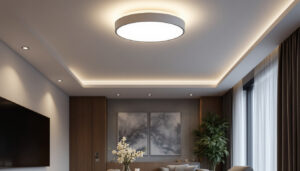
Common fixtures that can achieve 1500 lumens include LED downlights, pendant lights, and track lighting. LED downlights are particularly popular for their energy efficiency and sleek design. They can be installed in various configurations to create a desired lighting effect, from recessed installations in ceilings to surface-mounted options that add a modern touch. The versatility of downlights allows them to blend seamlessly with different interior styles, whether contemporary, minimalist, or traditional.
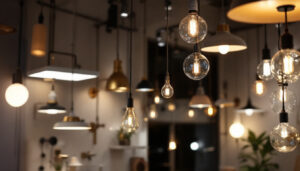
Pendant lights, on the other hand, can serve as both functional and decorative elements. Placed over dining tables or kitchen islands, they can provide targeted lighting while adding aesthetic appeal. Beyond their practical use, pendant lights come in an array of designs, materials, and colors, enabling homeowners to express their personal style. From industrial metal finishes to elegant glass globes, the options are virtually limitless. Track lighting offers flexibility, allowing contractors to direct light where it is needed most, making it an excellent choice for galleries or retail spaces. This adaptability is particularly beneficial in environments that require frequent changes in layout or display, as it allows for easy reconfiguration of lighting without the need for extensive rewiring.
Energy Efficiency Considerations
As energy efficiency becomes increasingly important, contractors must consider the energy consumption of fixtures that produce 1500 lumens. LED technology is a standout choice, as it provides high lumen output with significantly lower energy usage compared to traditional incandescent bulbs. This not only benefits the environment but also helps clients save on energy costs. Additionally, many LED fixtures now come with smart technology features, allowing users to control brightness and color temperature through mobile apps or voice commands, further enhancing their energy-saving capabilities.
Moreover, it’s essential to consider the longevity of the fixtures. LED bulbs typically last much longer than their incandescent counterparts, often exceeding 25,000 hours of use. This longevity means less frequent replacements, which can be a significant advantage for both residential and commercial settings. Furthermore, the reduced heat output of LED fixtures minimizes the strain on cooling systems, contributing to overall energy efficiency in a building. By selecting energy-efficient fixtures that provide 1500 lumens, contractors can ensure that their projects not only meet lighting requirements but also align with sustainable practices that benefit both clients and the planet.
Creating a Balanced Lighting Design
Achieving optimal brightness is just one aspect of lighting design. A well-rounded approach involves balancing different types of lighting: ambient, task, and accent. Each plays a unique role in creating a functional and inviting space.
Ambient Lighting
Ambient lighting provides the overall illumination of a space. When using 1500 lumens, contractors can create a comfortable atmosphere by distributing light evenly throughout the room. This foundational layer of lighting is essential for ensuring visibility and comfort.
Task Lighting
Task lighting focuses on specific areas where activities take place, such as reading, cooking, or working. By strategically placing fixtures that emit 1500 lumens in these zones, contractors can enhance functionality and safety. For example, under-cabinet lighting in kitchens can illuminate countertops, making food preparation easier and safer.
Accent Lighting
Accent lighting adds depth and character to a space by highlighting architectural features, artwork, or decorative elements. While 1500 lumens may not be the primary choice for accent lighting, it can still play a role in creating visual interest when combined with other lighting techniques.
Client Education and Consultation
Lighting contractors have a unique opportunity to educate clients about the significance of lumens, particularly when discussing the benefits of 1500 lumens. Many clients may not fully understand how brightness affects their space, making it essential for contractors to communicate effectively.
Explaining Brightness Levels
During consultations, contractors should take the time to explain the concept of lumens and how they relate to the client’s specific needs. Providing visual examples or using lighting simulations can help clients grasp the impact of different lumen levels in their spaces.
Tailoring Solutions to Client Needs
Every client has unique preferences and requirements. By understanding their lifestyle, activities, and aesthetic desires, contractors can recommend lighting solutions that incorporate 1500 lumens effectively. Customization not only enhances client satisfaction but also builds trust and credibility in the contractor-client relationship.
Staying Ahead of Industry Trends
The lighting industry is continually evolving, with new technologies and trends emerging regularly. Contractors who stay informed about these changes can offer innovative solutions that meet client demands while maintaining a competitive edge.
Smart Lighting Solutions
Smart lighting technology is gaining traction, allowing users to control brightness, color, and timing through apps or voice commands. Integrating smart lighting with fixtures that provide 1500 lumens can enhance the user experience, offering convenience and flexibility. Contractors who can navigate this technology will be better positioned to meet the needs of tech-savvy clients.
Sustainability Trends
As sustainability becomes a priority for many consumers, contractors should focus on eco-friendly lighting solutions. This includes promoting energy-efficient fixtures, such as LEDs, that provide 1500 lumens while minimizing environmental impact. By aligning with sustainability trends, contractors can appeal to a growing market segment that prioritizes green practices.
Conclusion
Understanding the brightness of 1500 lumens is essential for lighting contractors aiming to deliver effective and tailored lighting solutions. By considering the applications, fixture choices, and design strategies, contractors can enhance their offerings and provide clients with optimal lighting experiences.
Moreover, staying informed about industry trends and educating clients about lumens can further solidify a contractor’s reputation as a knowledgeable and reliable professional. In a competitive market, leveraging the advantages of 1500 lumens can set contractors apart, ensuring they meet and exceed client expectations.
Illuminate Your Projects with LumenWholesale
Ready to give your clients the brilliance of 1500 lumens and stay ahead in the competitive world of lighting? At LumenWholesale, we provide lighting contractors with the highest quality, spec-grade lighting products at prices that can’t be beaten. Say goodbye to local distributor markups and hello to our extensive selection that meets rigorous industry standards. With free shipping on bulk orders, you can trust that you’re getting premium lighting at the best value — no hidden fees, no compromises. Elevate your lighting game and delight your clients with the perfect blend of quality, affordability, and convenience. Discover wholesale lighting at the best value today and light up your projects with confidence.