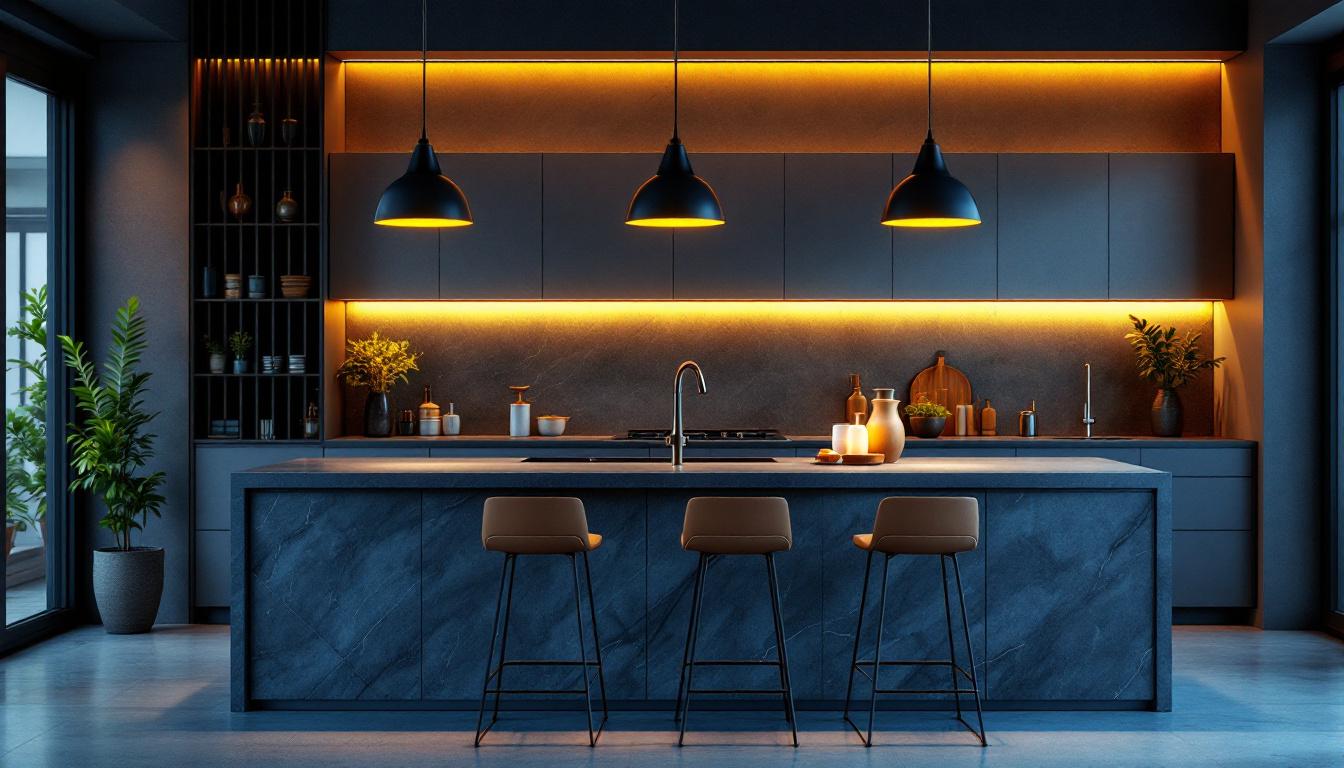
As the heart of the home, the kitchen serves multiple purposes, from cooking and dining to socializing and entertaining. Central to this multifunctional space is the kitchen island, which often acts as a focal point. Proper lighting for kitchen islands is essential not only for functionality but also for aesthetics. For lighting contractors, understanding the best practices for illuminating these spaces can enhance the overall design and user experience. This article explores effective strategies and considerations for lighting kitchen islands.
Understanding the Role of Lighting in Kitchen Design
Lighting plays a crucial role in the overall design of a kitchen. It not only illuminates the space but also sets the mood and enhances the functionality of the area. A well-lit kitchen island can transform the space, making it more inviting and efficient for various activities. The right lighting can also influence how colors and textures are perceived, making it an essential element in showcasing the beauty of countertops, cabinetry, and flooring.
When designing lighting for kitchen islands, it is important to consider the different types of lighting: ambient, task, and accent. Each type serves a unique purpose and contributes to the overall lighting scheme. Ambient lighting provides general illumination, task lighting focuses on specific areas for activities like cooking or reading recipes, and accent lighting highlights design features or decor. By thoughtfully integrating these lighting types, homeowners can create a dynamic environment that adapts to different occasions, whether it’s a family dinner or a lively gathering with friends.
Types of Lighting to Consider
For kitchen islands, a combination of these lighting types is often the most effective approach. Ambient lighting can be achieved through ceiling fixtures or recessed lights, while task lighting is best provided by pendant lights or under-cabinet lighting. Accent lighting can be incorporated through decorative fixtures or LED strips that highlight the island’s features. Additionally, smart lighting solutions can offer versatility, allowing homeowners to adjust brightness and color temperature to suit their needs, whether they require bright light for meal prep or softer tones for entertaining.
Choosing the right combination of lighting types not only enhances functionality but also adds depth and interest to the kitchen design. Each layer of light contributes to a well-balanced and visually appealing space. Moreover, the choice of materials and finishes for the light fixtures can further enhance the kitchen’s aesthetic. For instance, polished metals can add a touch of modern elegance, while rustic finishes can complement a farmhouse-style kitchen, creating a cohesive design narrative throughout the space.
Assessing the Space
Before selecting lighting fixtures, it is essential to assess the kitchen’s layout and design. Consider the size of the island, the height of the ceiling, and the overall style of the kitchen. These factors will influence the type and size of fixtures that will work best. Additionally, the kitchen’s color palette plays a significant role in lighting selection; lighter colors can reflect light more effectively, while darker hues may require more powerful fixtures to achieve the desired illumination.
For example, a large island in a spacious kitchen may benefit from multiple pendant lights, while a smaller island may only require one or two fixtures. Additionally, the height of the ceiling will determine how low the fixtures can hang. Proper placement is key to ensuring that the lighting is both functional and aesthetically pleasing. It’s also beneficial to consider the flow of the kitchen and how light can guide movement through the space, ensuring that all areas are well-lit without creating harsh shadows or overly bright spots. Thoughtful planning in this regard can significantly enhance the overall kitchen experience, making it a more enjoyable place to cook and gather.
Choosing the Right Fixtures
Once the space has been assessed, the next step is selecting the right fixtures. The choice of fixtures can significantly impact the overall look and feel of the kitchen. Lighting contractors should consider the style, finish, and size of the fixtures to ensure they complement the kitchen design.
Popular choices for kitchen island lighting include pendant lights, chandeliers, and track lighting. Each option offers unique benefits and can be tailored to fit the specific needs of the space. For instance, pendant lights can provide focused task lighting, while chandeliers can add a touch of elegance and style.
Fixture Styles and Trends
Current trends in kitchen lighting emphasize simplicity and functionality. Industrial-style fixtures, sleek modern designs, and rustic elements are all popular choices. Lighting contractors should stay updated on trends to offer clients the most relevant options.
Another consideration is the finish of the fixtures. Brushed nickel, matte black, and antique brass are common finishes that can enhance the overall aesthetic. The choice of finish should align with other hardware and fixtures in the kitchen to create a cohesive look.
Size Matters
The size of the fixtures is equally important. Oversized fixtures can overwhelm a small island, while tiny fixtures may get lost in a larger space. A general rule of thumb is to choose fixtures that are proportional to the island’s size. For example, if using pendant lights, they should be spaced evenly and hung at a height that allows for clear sightlines while providing adequate illumination.
As a guideline, pendant lights should typically hang 30 to 36 inches above the countertop. This height ensures that they provide sufficient light without obstructing views or creating a cramped feeling in the space.
Lighting Placement and Configuration
The placement and configuration of lighting fixtures are critical to achieving optimal illumination for the kitchen island. Proper placement ensures that the light is distributed evenly, minimizing shadows and dark spots.
For pendant lights, a common configuration is to hang them in a straight line above the island. If the island is particularly long, multiple fixtures may be necessary to ensure adequate coverage. Additionally, consider the spacing between fixtures; a good rule of thumb is to space them about 24 to 30 inches apart.
Layering Light
Layering light is an effective technique for creating a well-lit and inviting kitchen environment. By combining ambient, task, and accent lighting, contractors can create a dynamic and versatile lighting scheme. For example, ambient lighting can provide overall illumination, while pendant lights above the island serve as task lighting for cooking and meal prep.
Accent lighting can further enhance the space by highlighting decorative elements, such as artwork or unique architectural features. This layered approach not only improves functionality but also adds depth and character to the kitchen.
Utilizing Dimmers and Controls
Incorporating dimmers and lighting controls is an excellent way to enhance the versatility of kitchen island lighting. Dimmers allow users to adjust the brightness based on the time of day or activity, creating the perfect ambiance for any occasion.
Smart lighting controls can also be integrated to offer even more flexibility. These systems allow users to customize lighting settings through mobile apps or voice commands, making it easy to create the desired atmosphere in the kitchen.
Energy Efficiency and Sustainability
In today’s environmentally conscious world, energy efficiency and sustainability are important considerations for lighting contractors. Selecting energy-efficient fixtures and bulbs can significantly reduce energy consumption and lower utility bills.
LED lighting is a popular choice for kitchen islands due to its longevity and energy efficiency. LED bulbs consume significantly less energy than traditional incandescent bulbs and can last up to 25 times longer. Additionally, they produce less heat, making them a safer option for use in the kitchen.
Choosing Energy-Efficient Options
When selecting fixtures, look for those that are compatible with LED bulbs. Many manufacturers now offer LED-compatible fixtures, ensuring that clients can benefit from energy savings without sacrificing style.
Moreover, consider using fixtures that have been certified by energy efficiency programs. These certifications indicate that the products meet specific energy-saving standards, providing clients with peace of mind that their lighting choices are environmentally friendly.
Recycling and Disposal
As a lighting contractor, it is also important to educate clients on the proper disposal and recycling of old fixtures and bulbs. Many communities have specific guidelines for recycling, and some retailers offer take-back programs for used bulbs. Providing this information can enhance the contractor’s reputation as a responsible and environmentally conscious professional.
Final Thoughts on Kitchen Island Lighting
Lighting for kitchen islands is a critical aspect of kitchen design that requires careful consideration and planning. By understanding the various types of lighting, assessing the space, and selecting the right fixtures, lighting contractors can create functional and aesthetically pleasing environments.
Moreover, the placement and configuration of lighting fixtures, along with the incorporation of dimmers and energy-efficient options, can further enhance the overall design. As trends continue to evolve, staying informed and adaptable will allow contractors to meet the diverse needs of their clients.
Building Client Relationships
Ultimately, successful lighting design is about more than just selecting the right fixtures; it is about building strong relationships with clients. By listening to their needs, offering expert advice, and providing exceptional service, lighting contractors can establish themselves as trusted professionals in the industry.
In conclusion, the best practices for lighting kitchen islands encompass a holistic approach that combines functionality, aesthetics, and sustainability. By implementing these strategies, lighting contractors can elevate their designs and create beautiful, well-lit kitchen spaces that enhance the overall home experience.
Illuminate Your Projects with LumenWholesale
Ready to take your kitchen island lighting designs to the next level? At LumenWholesale, we provide lighting contractors with an exceptional range of high-quality, specification-grade lighting products at unbeatable wholesale prices. Say goodbye to local distributor markups and hello to superior lighting solutions that meet the highest industry standards. With free shipping on bulk orders, LumenWholesale is your go-to source for premium lighting that combines quality, affordability, and convenience. Elevate your lighting projects and give your clients the best value by choosing Wholesale Lighting at the Best Value with LumenWholesale.