Understanding Light Bulb Fittings: The Foundation of Effective Lighting
Light bulb fittings are more than just connectors; they are the critical interface between a light source and its power supply. For lighting contractors, knowing the ins and outs of these fittings is essential. The right fitting ensures safety, efficiency, and compatibility, while the wrong one can lead to installation headaches, reduced lifespan, or even hazards.
Each fitting type is designed with specific applications and bulb technologies in mind. From traditional incandescent bulbs to modern LEDs, the fitting determines how well a bulb performs in a fixture. This knowledge empowers contractors to choose the best solutions for their projects, whether residential, commercial, or industrial.
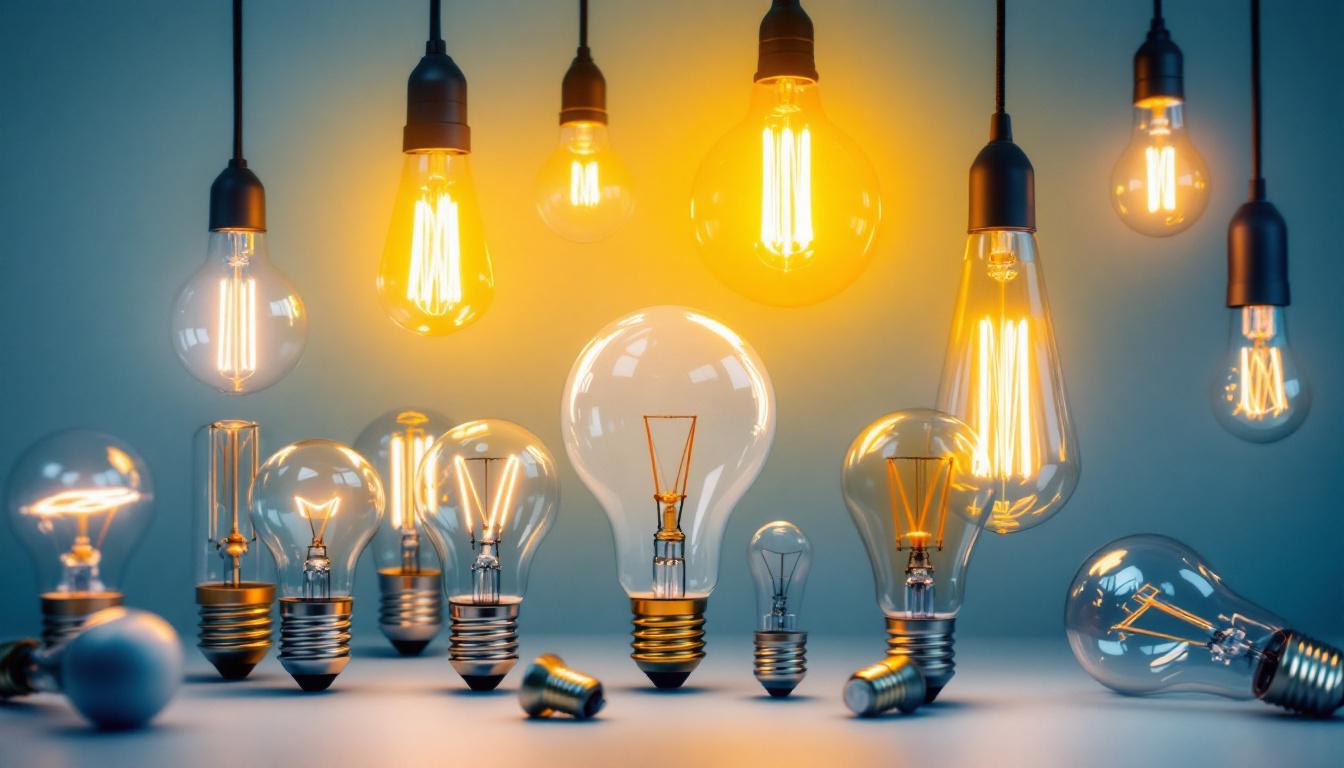
Common fittings include the Edison screw (E26 and E27), bayonet mounts (B22), and GU10 fittings, each serving unique purposes. The Edison screw, for instance, is widely used in household lighting due to its ease of installation and versatility. In contrast, the bayonet mount is often favored in the UK and other regions for its secure locking mechanism, which prevents accidental disconnection. Understanding these differences allows contractors to make informed decisions based on the specific needs of their clients and the environments in which the lights will be installed.
Moreover, advancements in technology have led to the development of smart fittings that can accommodate smart bulbs, enabling features like dimming, color changing, and remote control via smartphone apps. This evolution not only enhances user experience but also promotes energy efficiency by allowing users to tailor their lighting to their preferences and needs. As the demand for smart home solutions continues to grow, contractors must stay updated on the latest fittings and technologies to provide their clients with the most innovative and effective lighting solutions available.
Common Types of Light Bulb Fittings and Their Applications
Edison Screw (ES) Fittings
The Edison Screw, often abbreviated as ES, is probably the most recognizable fitting worldwide. Its threaded metal base screws into a matching socket, creating a secure electrical connection. Variants like the E27 and E14 denote the diameter of the screw base in millimeters, with E27 being the standard for most household bulbs.
Lighting contractors appreciate ES fittings for their simplicity and reliability. They’re widely used in homes, offices, and retail spaces. The screw mechanism allows for easy replacement and a firm hold, which is crucial in fixtures subject to vibration or movement. Moreover, the versatility of Edison Screw fittings means they can accommodate a wide range of bulb types, from incandescent to energy-efficient LED options, making them a staple in any lighting design.
In addition to their practical applications, ES fittings have also become a design element in many modern lighting fixtures. Designers often embrace the vintage aesthetic of Edison bulbs, which feature exposed filaments and a warm glow, adding character to spaces ranging from cozy cafes to chic boutiques. This trend has led to a resurgence in the popularity of ES fittings, as they bridge the gap between functionality and style.
Bayonet Cap (BC) Fittings
Bayonet fittings, such as B22 and B15, use a push-and-twist mechanism rather than screwing in. This design offers a quick and secure connection that resists loosening, making it popular in regions like the UK and Australia.
Bayonet caps are often preferred in commercial settings where bulbs may need frequent changing or where safety is paramount. Their robust design reduces the risk of poor contact, which can cause flickering or electrical faults. Additionally, the ease of installation makes them ideal for environments where maintenance staff need to work quickly, such as in retail stores during business hours or in public spaces where downtime must be minimized.
The bayonet cap fitting’s reliability extends to outdoor applications as well, where exposure to the elements can be a concern. Many outdoor fixtures utilize BC fittings to ensure that the bulbs remain securely in place, even in windy conditions. This durability makes them a favored choice for garden lighting, street lamps, and other exterior applications, where consistent performance is essential.
Pin Base Fittings
Pin bases are common in fluorescent tubes and certain LED replacements. Types like G4, G9, and GU10 indicate the pin configuration and spacing. These fittings often require a specific socket that holds the pins firmly and provides electrical contact.
Contractors dealing with architectural lighting or specialized fixtures encounter pin bases regularly. Their compact design allows for sleek fixture profiles and precise beam control, especially in spotlighting applications. The ability to direct light exactly where it’s needed makes pin base fittings a popular choice for accent lighting in galleries, museums, and retail displays, enhancing the visibility of products or artwork.
Furthermore, the energy efficiency of pin base bulbs, particularly in LED form, has contributed to their growing use in both residential and commercial settings. As energy costs rise and sustainability becomes a priority, the transition to LED pin base fittings not only reduces electricity consumption but also extends the lifespan of the bulbs, leading to fewer replacements and lower maintenance costs over time.
Specialty and Proprietary Fittings
Beyond standard fittings, many manufacturers develop proprietary bases for their bulbs, particularly in LED technology. These can include unique shapes, sizes, or locking mechanisms designed to optimize performance or aesthetics.
While these fittings can offer advantages like improved heat dissipation or enhanced light distribution, they also pose challenges. Lighting contractors must be vigilant about compatibility and sourcing, as replacements may be limited to specific brands or suppliers. This can complicate maintenance, particularly in large installations where uniformity of lighting is crucial.
In addition, proprietary fittings often come with advanced features such as smart technology integration, allowing for remote control and automation of lighting systems. This innovation is transforming the way spaces are illuminated, enabling users to customize their lighting experience based on mood, time of day, or specific activities. As the demand for smart home solutions increases, understanding these specialty fittings becomes essential for contractors looking to stay ahead in the evolving lighting market.
Why Light Bulb Fittings Matter More Than Ever
Advancements in lighting technology have shifted the industry dramatically. LEDs, smart bulbs, and energy-efficient designs demand fittings that support new electrical and mechanical requirements. This evolution makes understanding fittings a game-changer for contractors.
For instance, LED bulbs often generate less heat but may require different electrical contacts to handle their drivers. Using an incompatible fitting can lead to premature failure or suboptimal performance. Similarly, smart lighting systems integrate communication hardware that must fit seamlessly into the socket design.
Energy Efficiency and Regulatory Compliance
Energy codes and regulations increasingly dictate lighting choices. Fittings play a role in ensuring compliance by supporting bulbs that meet efficiency standards. Contractors who understand fitting compatibility can recommend solutions that reduce energy consumption and meet legal requirements without sacrificing quality.
In addition to compliance, energy-efficient fittings can also significantly impact operational costs. For example, using fittings designed for LED technology can reduce energy bills by up to 75% compared to traditional incandescent options. This not only benefits the environment but also provides a compelling selling point for contractors looking to attract eco-conscious clients.
Installation Speed and Maintenance
Time is money on any job site. Fittings that are easy to install and maintain reduce labor costs and downtime. For example, bayonet fittings allow quick bulb replacement without tools, which is invaluable in commercial environments where lighting uptime is critical.
Moreover, fittings that provide secure connections minimize the risk of electrical faults, reducing callbacks and warranty claims. This reliability builds contractor reputation and client trust. Additionally, advancements in modular fittings are making it easier than ever to upgrade lighting systems without a complete overhaul. These modular designs allow contractors to swap out components as technology evolves, ensuring that installations remain current and efficient over time. This adaptability not only enhances the longevity of the installation but also positions contractors as forward-thinking professionals in a rapidly changing industry.
Emerging Trends in Light Bulb Fittings
Modular and Tool-Free Designs
New fitting designs emphasize modularity and tool-free installation. These innovations allow contractors to swap out bulbs or entire modules quickly, adapting lighting to changing needs. This flexibility is especially important in commercial and industrial settings where lighting requirements evolve.
Integration with Smart Lighting Systems
Smart lighting is no longer a niche market. Fittings now incorporate features that facilitate wireless communication, power delivery, and sensor integration. Contractors must be familiar with these to install systems that offer remote control, automation, and energy monitoring.
Compatibility with Retrofit Solutions
Many projects involve upgrading existing fixtures with new technology. Retrofit fittings that maintain compatibility with old sockets while enabling LED or smart bulb use are gaining popularity. These solutions reduce waste, save costs, and simplify upgrades.
Choosing the Right Fitting: Practical Tips for Lighting Contractors
Selecting the appropriate fitting requires considering several factors:
- Application Environment: Is the fixture indoors or outdoors? Will it be exposed to moisture or vibration?
- Bulb Type and Size: Match the fitting to the bulb’s base type and physical dimensions.
- Electrical Requirements: Voltage, wattage, and compatibility with LED drivers or dimmers.
- Installation and Maintenance: Ease of replacement and access to the fixture.
- Regulatory Standards: Compliance with local codes and energy efficiency mandates.
Consulting manufacturer specifications and using reputable suppliers ensures access to quality fittings. Testing new fittings in pilot installations can also prevent costly errors.
Conclusion: Fittings as a Strategic Advantage
Light bulb fittings may seem like a small detail, but they have outsized influence on lighting performance, safety, and cost-effectiveness. For lighting contractors, mastering the variety of fittings and their applications is a strategic advantage that enhances project outcomes and client satisfaction.
Staying informed about innovations and trends in fittings equips contractors to meet evolving market demands confidently. Whether upgrading legacy systems or designing cutting-edge smart lighting, the right fitting is the foundation of success.
Illuminate Your Projects with LumenWholesale
As a lighting contractor, you understand the importance of using the right light bulb fittings to enhance lighting performance, safety, and cost-effectiveness. At LumenWholesale, we provide you with an extensive selection of top-quality, spec-grade lighting products at unbeatable wholesale prices. Our commitment to cutting out the middleman means you get superior lighting products without inflated markups, and our hassle-free bulk buying with free shipping ensures you receive premium lighting at the best value — without hidden fees or compromises. Elevate your lighting projects by choosing LumenWholesale, where quality, affordability, and convenience converge. Discover our range and take advantage of the strategic advantage that the right fittings can offer by visiting Wholesale Lighting at the Best Value.