Understanding Motion Sensor Technology
Motion sensor outdoor light fixtures have revolutionized the way we approach outdoor lighting. These fixtures utilize advanced technology to detect movement and automatically activate the lights, providing both convenience and security. Understanding how motion sensors work is crucial for lighting contractors aiming to optimize their installations.
At their core, motion sensors typically rely on passive infrared (PIR), microwave, or dual technology. PIR sensors detect changes in infrared radiation, which is emitted by moving objects, such as people or animals. Microwave sensors, on the other hand, emit microwave pulses and measure the reflection off moving objects. Dual technology combines both methods to enhance accuracy and reduce false triggers.
Benefits of Motion Sensor Outdoor Lights
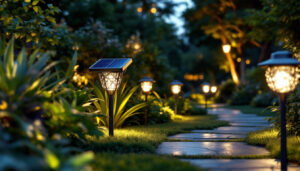
Implementing motion sensor outdoor lights offers numerous advantages. One of the primary benefits is energy efficiency. These fixtures only activate when movement is detected, significantly reducing energy consumption compared to traditional lighting that remains on continuously. This is particularly beneficial for areas that do not require constant illumination, such as pathways, driveways, and backyards.
Additionally, motion sensor lights enhance security. By illuminating areas only when movement is detected, they can deter potential intruders and provide peace of mind for homeowners. The sudden burst of light can startle intruders, making them think twice before proceeding. Furthermore, these lights can be integrated with security systems for added protection.
Beyond energy savings and security, motion sensor outdoor lights also contribute to safety. Well-lit pathways and entrances reduce the risk of accidents, such as trips and falls, especially in dimly lit areas. For families with children or elderly members, this added safety feature is invaluable. Moreover, many modern motion sensor lights come equipped with adjustable sensitivity and timers, allowing homeowners to customize their settings based on their specific needs and the surrounding environment. This adaptability ensures optimal performance, whether it’s a bustling family home or a quiet, secluded property.
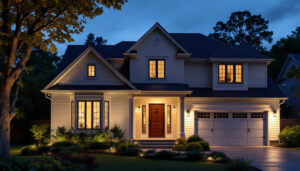
Another noteworthy aspect of motion sensor technology is its role in enhancing the aesthetic appeal of outdoor spaces. By strategically placing these lights, homeowners can highlight architectural features, landscaping, and outdoor living areas, creating a welcoming atmosphere. The ability to control when and how these lights operate means that outdoor spaces can be transformed into beautiful, illuminated areas for entertaining guests or enjoying quiet evenings under the stars. As technology continues to evolve, we can expect even more innovative features, such as smart home integration, allowing for seamless control through mobile devices and voice commands.
Choosing the Right Motion Sensor Fixture
Selecting the appropriate motion sensor fixture is essential for maximizing efficiency and effectiveness. Factors such as the type of sensor, coverage area, and installation location play significant roles in determining the best option for a specific application.
Types of Motion Sensors
There are several types of motion sensors available, each with unique characteristics. Passive infrared sensors are ideal for detecting heat signatures, making them suitable for residential applications. Microwave sensors are more sensitive and can detect movement through obstacles, making them suitable for larger areas or commercial settings.
For optimal performance, contractors should consider the specific needs of the space. For instance, if the installation site has a lot of foliage or obstacles, a microwave sensor may provide better coverage. Conversely, for smaller, more open areas, a PIR sensor may suffice.
Coverage Area and Sensitivity Settings
The coverage area of the motion sensor is another critical factor. Different fixtures offer varying detection ranges, typically measured in feet. When selecting a fixture, it’s essential to assess the specific area that requires illumination and choose a model that provides adequate coverage.
sensitivity settings also play a vital role in optimizing performance. Many motion sensor lights allow users to adjust the sensitivity to minimize false triggers caused by pets or passing vehicles. Proper calibration ensures that the lights activate only when needed, enhancing energy efficiency and user satisfaction.
Installation Best Practices
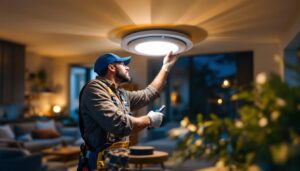
Proper installation of motion sensor outdoor light fixtures is crucial for achieving maximum efficiency. Following best practices can help ensure that the lights function optimally and provide the desired level of illumination.
Optimal Mounting Height
The height at which motion sensors are mounted can significantly impact their performance. Generally, mounting the sensors between 6 to 10 feet above the ground is recommended. This height allows for a wider detection range while minimizing the chances of false triggers from small animals or moving foliage.
Contractors should also consider the angle of the sensor. Adjusting the sensor to face the area that requires illumination can enhance detection capabilities. A slight downward tilt can increase the likelihood of detecting movement while reducing the chance of false alarms.
Strategic Placement
Strategic placement of motion sensor lights is essential for maximizing their effectiveness. Areas such as entryways, driveways, and backyards are prime locations for installation. Additionally, placing lights near potential security vulnerabilities, such as windows or dark corners, can enhance safety.
It’s also important to avoid placing sensors near sources of heat, such as air conditioning units or heating vents, as these can trigger false alarms. Ensuring that the sensors have a clear line of sight to the area they are monitoring will improve their performance.
Maintenance and Troubleshooting
Routine Inspections
During inspections, it’s also essential to verify that the sensitivity settings are still appropriate for the environment. Changes in landscaping or surrounding structures may necessitate adjustments to the sensor’s settings.
Troubleshooting Common Issues
Integrating Smart Technology
With the rise of smart home technology, integrating motion sensor outdoor lights with smart systems can enhance their functionality. Smart motion sensor lights can be controlled remotely, allowing homeowners to adjust settings and receive alerts directly to their smartphones.
Benefits of Smart Integration
Additionally, smart motion sensor lights can be programmed to work in conjunction with other smart devices, such as security cameras or alarms. This integration creates a comprehensive security system that provides real-time updates and alerts, further enhancing home safety.
Considerations for Smart Motion Sensors
Cost Considerations
Initial Investment vs. Long-Term Savings
Financing Options for Clients
Conclusion
Motion sensor outdoor light fixtures present an innovative solution for enhancing security and energy efficiency in residential and commercial settings. By understanding the technology, selecting the right fixtures, and following best installation practices, lighting contractors can optimize these systems for maximum effectiveness.
Ultimately, the combination of strategic placement, proper installation, and ongoing maintenance will lead to a successful motion sensor lighting system that not only illuminates but also protects and enhances outdoor spaces.
Illuminate with LumenWholesale
Ready to enhance your lighting projects with the most efficient motion sensor outdoor light fixtures? Choose LumenWholesale for your lighting needs and experience the difference quality makes. Our spec-grade lighting products not only meet the highest industry standards but also come at unbeatable wholesale prices, ensuring you get the best value for your investment. Say goodbye to inflated markups and hello to premium lighting with the convenience of free shipping. Elevate your lighting solutions today by visiting Wholesale Lighting at the Best Value and take the first step towards a brighter, more secure, and energy-efficient future.