Hallways often serve as the arteries of a home or commercial space, connecting various rooms and areas. However, they are frequently overlooked when it comes to lighting design. As a lighting contractor, understanding the nuances of hallway lighting is crucial for creating functional and aesthetically pleasing environments. This guide aims to illuminate the common pitfalls in hallway lighting and provide practical solutions to enhance your projects.
Understanding Hallway Lighting Needs
Before diving into the specifics of lighting design, it is essential to grasp the unique requirements of hallways. These spaces are typically narrow and can vary significantly in length and height, influencing the choice of fixtures and lighting techniques. Hallways often serve as transitional spaces, connecting different areas of a home or building, which means their lighting should not only illuminate but also guide occupants smoothly from one space to another.
Functionality Over Aesthetics
The primary purpose of hallway lighting is to ensure safety and visibility. Poorly lit hallways can lead to accidents, making it imperative to prioritize functionality. Consider the flow of traffic and the activities that will take place in the hallway. For instance, if the hallway leads to frequently used rooms, brighter lighting may be necessary. Additionally, the color temperature of the lighting can significantly impact the perception of space; warmer tones can create a welcoming atmosphere, while cooler tones can enhance clarity and focus, particularly in more functional settings.
Consider the Dimensions
The dimensions of the hallway play a significant role in determining the appropriate lighting. A long, narrow hallway may require different lighting strategies than a wide, open corridor. For narrow spaces, wall-mounted fixtures or recessed lighting can provide adequate illumination without overwhelming the area. In contrast, wider hallways may benefit from a combination of ambient and task lighting. Furthermore, incorporating mirrors or reflective surfaces can amplify the effect of the lighting, making the space feel larger and more inviting. The placement of light fixtures should also take into account any architectural features or obstacles that could obstruct the light, ensuring that every corner is well-lit and accessible.
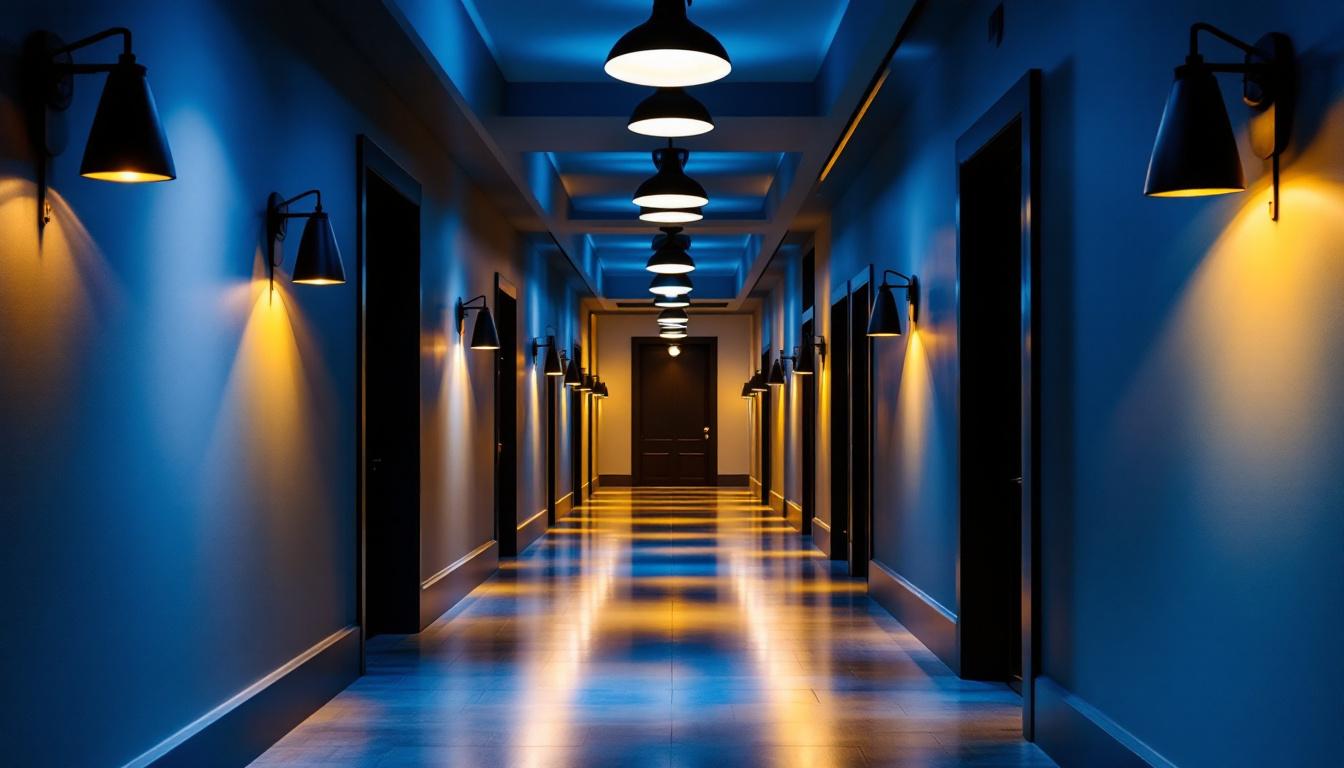
Moreover, the choice of lighting fixtures can greatly enhance the overall ambiance of the hallway. Pendant lights or decorative sconces can add a touch of style while still serving the practical purpose of illumination. When selecting fixtures, it’s important to consider the overall decor of the home or building; cohesive design elements can create a seamless flow throughout the space. Additionally, integrating smart lighting solutions can provide flexibility, allowing occupants to adjust brightness levels according to their needs or preferences, thereby enhancing both functionality and comfort in the hallway environment.
Choosing the Right Fixtures
Selecting the right fixtures is a critical step in hallway lighting design. The choice of fixtures can dramatically affect both the functionality and aesthetic appeal of the space.
Types of Fixtures
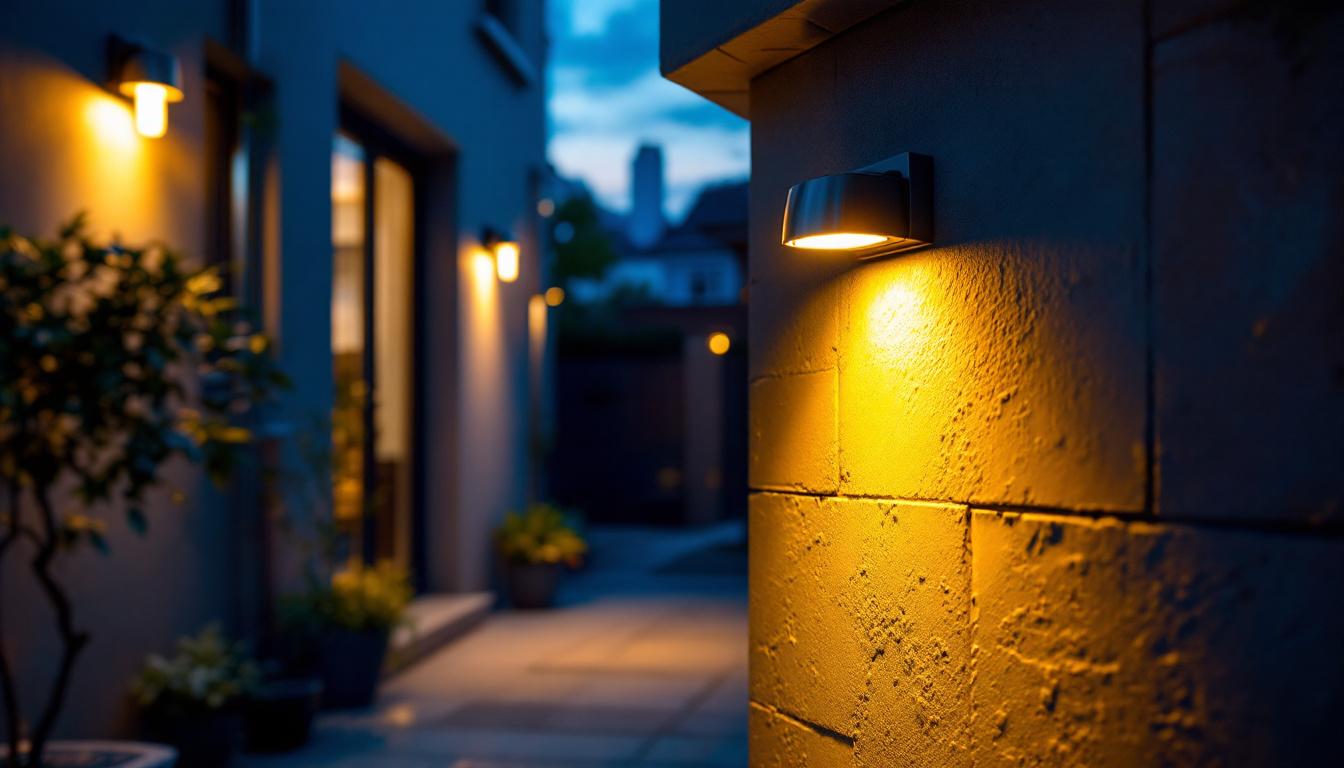
There are several types of fixtures to consider when designing hallway lighting. Recessed lights are popular for their sleek appearance and ability to provide even illumination. Pendant lights can add a touch of elegance, while wall sconces offer a warm glow and can enhance the hallway’s decor.
Additionally, track lighting can be an excellent choice for hallways with high ceilings, allowing for flexibility in directing light where it is needed most. When selecting fixtures, consider the overall style of the space and how the lighting will complement existing decor. For instance, if your hallway features a modern design, opting for minimalist fixtures with clean lines can create a cohesive look. On the other hand, if your space has a more traditional feel, ornate fixtures with intricate details may be more appropriate. It’s also worth exploring innovative designs, such as smart lighting solutions that can be controlled via mobile apps, adding both convenience and a modern touch to your hallway.
Energy Efficiency
In today’s environmentally conscious world, energy efficiency is a significant consideration. LED fixtures are an excellent choice for hallway lighting, offering long life spans and lower energy consumption compared to traditional incandescent bulbs. Furthermore, incorporating dimmers can provide flexibility, allowing users to adjust the brightness based on the time of day or specific needs.
Moreover, the placement of fixtures plays a crucial role in maximizing energy efficiency. Strategically positioning lights to minimize shadows and maximize brightness can reduce the number of fixtures needed, ultimately saving energy and costs. Additionally, consider using motion sensors that activate lights only when someone is present, further enhancing energy savings. By making informed choices about both the types and placement of fixtures, you can create a beautifully lit hallway that is both functional and eco-friendly, contributing to a sustainable living environment.
Layering Light for Depth and Dimension
Layering light is an effective strategy for creating depth and dimension in hallway lighting. By combining different types of lighting, contractors can enhance the visual appeal of a hallway while ensuring it remains functional.
Ambient, Task, and Accent Lighting
Ambient lighting serves as the foundation of hallway illumination, providing general light to the entire space. This can be achieved through ceiling-mounted fixtures or recessed lighting. Task lighting, on the other hand, focuses on specific areas where activities may occur, such as reading or navigating stairs. Wall sconces or picture lights can serve this purpose effectively.
Accent lighting can be used to highlight architectural features, artwork, or decorative elements within the hallway. This not only adds visual interest but also helps to create a welcoming atmosphere. By thoughtfully layering these three types of lighting, contractors can transform a simple hallway into an inviting and functional space.
Creating Visual Flow
Visual flow is essential in hallway design, as it guides the eye through the space. Using consistent lighting fixtures and styles can help maintain a cohesive look. Additionally, considering the color temperature of the lights can impact the overall ambiance. Warmer tones can create a cozy feel, while cooler tones may lend a more modern touch.
Avoiding Common Pitfalls
Even experienced lighting contractors can fall victim to common pitfalls in hallway lighting design. Awareness of these issues can help ensure successful projects and satisfied clients.
Overly Bright or Dim Lighting
One of the most frequent mistakes is choosing lighting that is either too bright or too dim. Overly bright lighting can create glare and discomfort, while insufficient lighting can lead to safety hazards. A well-balanced approach is essential. Utilizing a combination of ambient and task lighting can help achieve the right level of brightness.
Neglecting Natural Light
Another common oversight is neglecting the influence of natural light. Hallways that receive ample daylight may require less artificial lighting during the day. Consider the orientation of windows and how they affect the hallway’s lighting needs. This can lead to energy savings and a more sustainable design.
Incorporating Smart Technology
As technology continues to evolve, incorporating smart lighting solutions into hallway designs can enhance functionality and user experience. Smart lighting systems allow for remote control and automation, providing convenience and energy efficiency.
Benefits of Smart Lighting
Smart lighting systems can be programmed to adjust based on occupancy or time of day, ensuring that hallways are only illuminated when needed. This not only saves energy but also extends the life of the fixtures. Additionally, smart systems can offer customizable settings, allowing users to choose the ambiance that best suits their needs.
Integration with Home Automation
For contractors working on residential projects, integrating hallway lighting with home automation systems can significantly enhance the overall experience. Homeowners can control their hallway lights through voice commands or mobile apps, making it easy to create the desired atmosphere. This level of convenience can be a selling point for potential clients.
Safety Considerations
Safety is paramount in hallway lighting design. Ensuring that hallways are well-lit can prevent accidents and create a sense of security for occupants.
Emergency Lighting
In commercial settings, emergency lighting is a critical component of hallway design. Emergency lights should be strategically placed to provide illumination during power outages or emergencies. These fixtures must comply with local safety codes and regulations, ensuring that they are functional and reliable.
Maintaining Visibility
Clear visibility is essential for navigating hallways safely. Avoid placing fixtures too high, as this can create shadows and dark spots. Additionally, consider the placement of furniture or decor that may obstruct light. A well-lit hallway should allow for easy navigation, even in low-light conditions.
Designing for Different Environments
Hallways can vary significantly depending on the environment, whether residential, commercial, or institutional. Each setting presents unique challenges and opportunities for lighting design.
Residential Hallways
In residential settings, hallway lighting should reflect the homeowner’s style while ensuring functionality. Consider using warm-toned fixtures to create a cozy atmosphere. Incorporating decorative elements, such as wall art or mirrors, can enhance the visual appeal while providing additional light reflection.
Commercial Hallways
Commercial hallways often require a more utilitarian approach. Bright, even lighting is essential for safety and visibility in high-traffic areas. Using durable fixtures that can withstand wear and tear is also crucial. Additionally, consider the branding of the business when selecting lighting styles and colors.
Institutional Hallways
In institutional settings, such as hospitals or schools, hallway lighting must prioritize safety and accessibility. Bright, uniform lighting can help guide individuals through the space, while incorporating features like motion sensors can enhance energy efficiency. Compliance with accessibility standards is also essential to ensure that all individuals can navigate the hallways safely.
Conclusion
Designing effective hallway lighting requires a thoughtful approach that balances functionality, aesthetics, and safety. By understanding the unique needs of hallways, choosing the right fixtures, layering light, and avoiding common pitfalls, lighting contractors can create spaces that are both inviting and practical.
Incorporating smart technology and considering the specific environment further enhances the overall design. With careful planning and attention to detail, hallway lighting can transform a simple passageway into a well-lit, welcoming corridor that enhances the overall experience of any space.
Illuminate Your Projects with LumenWholesale
Ready to elevate your hallway lighting designs with the best in spec-grade lighting products? Look no further than LumenWholesale, where we offer an exceptional range of high-quality lighting solutions at unbeatable wholesale prices. Say goodbye to inflated markups and hello to superior lighting that meets the highest industry standards. Make your next project shine with our hassle-free bulk buying options, complete with free shipping. Don’t compromise on quality or value—discover wholesale lighting at the best value and experience the LumenWholesale difference today.