The Critical Role of Staircase Lighting in Construction and Renovation
Staircases are more than just functional architectural elements; they are focal points that contribute significantly to the ambiance and safety of any building. For lighting contractors, the choice and installation of staircase light fixtures are pivotal decisions that influence not only the aesthetic appeal but also the overall success of a project.
Properly designed staircase lighting enhances visibility, reduces accidents, and complements the architectural style of the space. Conversely, poor lighting can lead to safety hazards and detract from the design intent, potentially resulting in costly revisions and dissatisfied clients.
Safety Considerations and Compliance
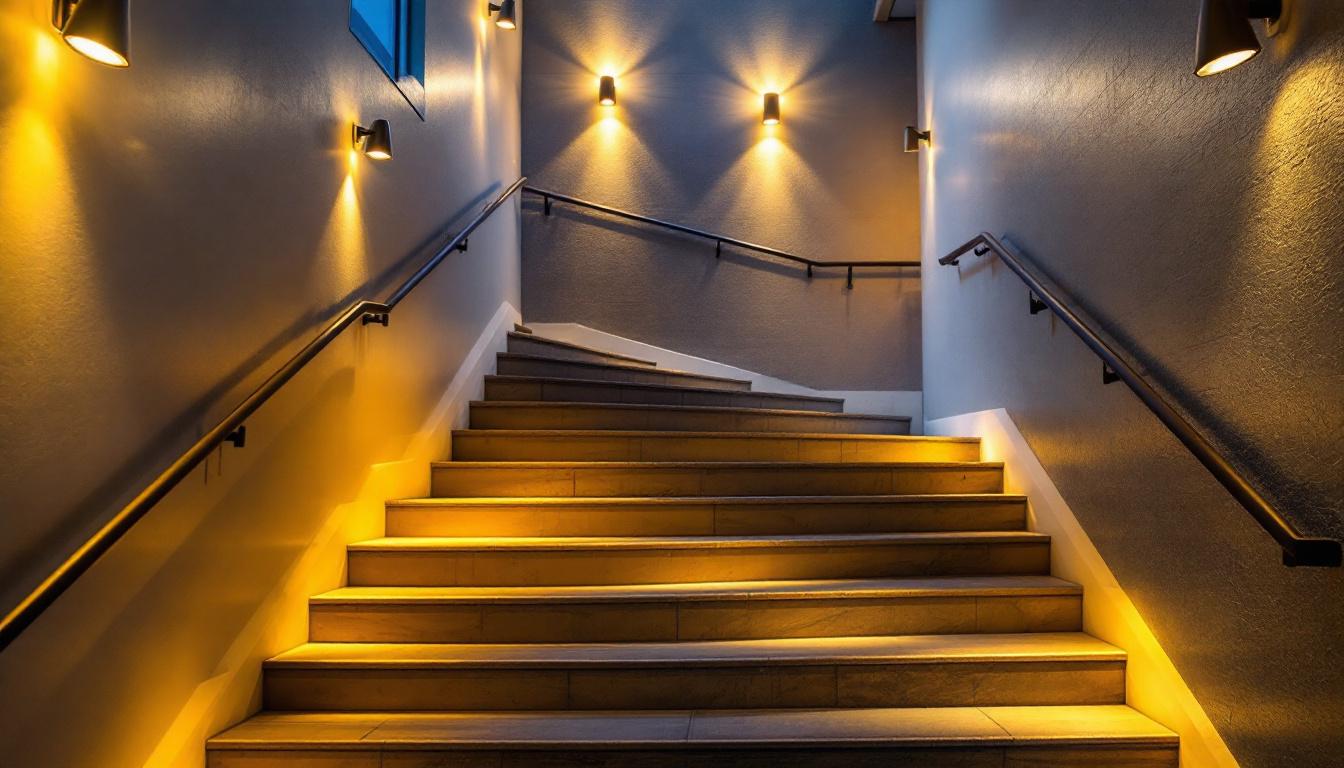
One of the foremost responsibilities of lighting contractors is ensuring that staircase lighting meets safety standards and building codes. Staircases are high-traffic areas where falls are a common cause of injury, making adequate illumination essential. According to industry safety guidelines, staircases should have uniform lighting levels without glare or shadows that can obscure steps.
Lighting contractors must be familiar with local regulations that dictate minimum illumination levels, fixture placement, and emergency lighting requirements. For example, the Illuminating Engineering Society (IES) recommends a minimum of 100 lux on stair treads to ensure safe navigation. Failure to comply with these standards can lead to legal liabilities and compromise the integrity of the project.
In addition to adhering to regulations, lighting contractors should consider the psychological aspects of lighting design. A well-lit staircase can instill a sense of security and comfort, particularly in residential settings where families and guests frequently traverse these spaces. Incorporating features such as motion sensors or dimmable lights can further enhance safety while providing a welcoming atmosphere. Moreover, the use of warm color temperatures can create an inviting environment, making the staircase not just a means of transit but a visually appealing part of the home.
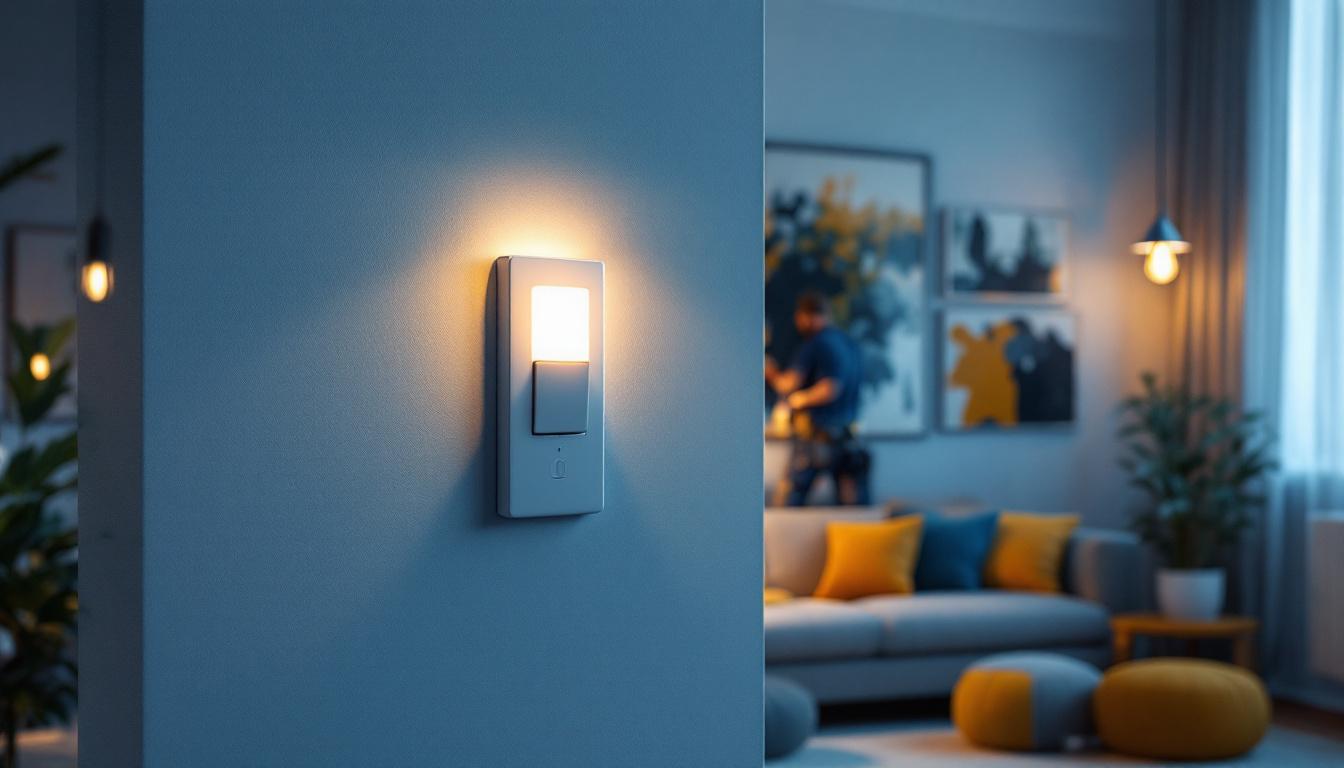
Furthermore, the integration of smart lighting technology is becoming increasingly popular in modern construction and renovation projects. By utilizing programmable lighting systems, contractors can offer clients the ability to customize their staircase lighting according to their preferences or the time of day. For instance, brighter lights can be set for daytime use, while softer, ambient lighting can be programmed for evening hours, enhancing both functionality and aesthetics. This level of customization not only elevates the user experience but also showcases the contractor’s commitment to innovative solutions in lighting design.
Design Impact: Balancing Functionality and Aesthetics
Staircase light fixtures serve a dual purpose: they must provide sufficient illumination while enhancing the design narrative of the space. Lighting contractors play a crucial role in selecting fixtures that align with the architectural style, whether it be modern, traditional, industrial, or minimalist. The right lighting can transform a mundane staircase into a stunning architectural feature, guiding the eye and creating a sense of flow throughout the home. This interplay between light and design is essential in crafting an inviting atmosphere that resonates with the overall aesthetic vision.
Fixtures such as recessed step lights, LED strip lighting under handrails, pendant lights, and wall sconces each offer unique visual effects and functional benefits. For instance, recessed step lights provide subtle, glare-free illumination that highlights each step, enhancing safety without overwhelming the design. On the other hand, statement pendant lights can create dramatic focal points in grand staircases. These fixtures not only illuminate the space but also serve as artistic expressions, often becoming conversation starters that reflect the homeowner’s personality and style.
Material and Fixture Selection
The choice of materials and fixture finishes also impacts the overall project outcome. Lighting contractors must consider factors such as durability, maintenance, and compatibility with the surrounding decor. Fixtures made from corrosion-resistant materials are ideal for outdoor or humid environments, while sleek metallic finishes may complement contemporary interiors. Additionally, the texture and color of the materials can significantly influence the ambiance; for example, warm brass finishes can evoke a sense of coziness, while polished chrome can impart a sleek, modern feel.
Energy efficiency is another critical consideration. Incorporating LED technology not only reduces energy consumption but also extends fixture lifespan, minimizing maintenance costs and environmental impact. Lighting contractors who prioritize sustainable solutions can add value to their projects and appeal to environmentally conscious clients. Furthermore, the integration of smart lighting systems allows homeowners to control brightness and color temperature, adapting the ambiance to suit different occasions, from intimate gatherings to lively celebrations. This level of customization enhances the user experience, making the staircase not just a functional element, but a dynamic part of the home that evolves with the needs of its inhabitants.
Technical Challenges and Solutions in Staircase Lighting Installation
Installing staircase light fixtures presents unique technical challenges that require expertise and careful planning. Lighting contractors must navigate constraints such as limited space, wiring accessibility, and integration with existing electrical systems. Each staircase has its own set of dimensions and architectural features, which can complicate the installation process. For instance, narrow staircases may limit the types of fixtures that can be used, while wider staircases might allow for more creative lighting solutions, such as wall sconces or recessed lighting.
For example, retrofitting lighting in older buildings often involves working around structural limitations and outdated wiring, necessitating creative solutions and adherence to safety protocols. This can include the use of surface-mounted fixtures or track lighting that can be installed without extensive electrical work. In new constructions, contractors have the opportunity to collaborate with architects and electricians early in the design phase to optimize fixture placement and wiring routes. This proactive approach can lead to innovative designs that enhance both safety and aesthetics, ensuring that the lighting not only serves its functional purpose but also complements the overall interior design.
Innovative Technologies Enhancing Staircase Lighting
Advancements in lighting technology have expanded the possibilities for staircase illumination. Smart lighting systems enable dynamic control over brightness, color temperature, and scheduling, enhancing both functionality and user experience. These systems can be programmed to adjust automatically based on the time of day or occupancy, providing a seamless experience for users. Motion sensors can activate lights only when the staircase is in use, improving energy efficiency and convenience. This not only reduces electricity costs but also extends the lifespan of the lighting fixtures by minimizing unnecessary usage.
Additionally, tunable white LEDs allow lighting contractors to adjust the warmth or coolness of the light to suit different times of day or moods. For instance, a cooler light may be preferable during the day for better visibility, while warmer tones can create a cozy atmosphere in the evening. These innovations require contractors to stay current with emerging trends and integrate new technologies seamlessly into their projects. Furthermore, the rise of wireless technology means that contractors can now install lighting systems without the need for extensive rewiring, making the installation process quicker and less invasive. As these technologies continue to evolve, they open up new possibilities for creating safe, efficient, and visually appealing staircase lighting solutions.
Project Management and Client Communication
Effective project management is essential when incorporating staircase light fixtures into lighting contracts. Contractors must coordinate with multiple stakeholders including architects, interior designers, electricians, and clients to ensure that lighting solutions meet expectations and timelines. This collaboration is crucial not only for aesthetic alignment but also for adhering to safety regulations and building codes, which can vary significantly depending on the location and type of the property. Regular meetings and updates can help keep all parties informed and engaged, fostering a sense of teamwork that is vital for the success of the project.
Clear communication about fixture options, installation processes, and maintenance requirements helps manage client expectations and fosters trust. Providing detailed lighting plans and mock-ups can assist clients in visualizing the final outcome, reducing the likelihood of costly changes during or after installation. Additionally, utilizing digital tools such as 3D modeling software can enhance presentations, allowing clients to interactively explore their options and make informed decisions. This proactive approach not only streamlines the decision-making process but also empowers clients, making them feel more involved and satisfied with the project’s direction.
Budgeting and Cost Considerations
Staircase lighting can represent a significant portion of a project’s lighting budget, especially in high-end or complex designs. Lighting contractors must balance quality, aesthetics, and cost-effectiveness to deliver value without compromising safety or design integrity. It is also essential to consider the installation costs associated with different types of fixtures, as some may require more intricate wiring or structural adjustments, which can further impact the overall budget. By conducting a thorough analysis of the project scope and potential challenges, contractors can provide more accurate estimates and avoid unexpected expenses.
By sourcing fixtures from reputable manufacturers and leveraging bulk purchasing, contractors can optimize costs. Additionally, educating clients on the long-term savings associated with energy-efficient and durable fixtures can justify initial investments. Highlighting the benefits of LED technology, for example, not only showcases the potential for reduced energy bills but also emphasizes the longevity of these fixtures, which can significantly lower replacement costs over time. Furthermore, discussing maintenance options and warranties can provide clients with peace of mind, ensuring that their investment remains protected and functional for years to come. This comprehensive approach to budgeting not only enhances client satisfaction but also strengthens the contractor’s reputation for reliability and expertise in the industry.
Case Studies: Successful Staircase Lighting Projects
Examining real-world examples illustrates how thoughtful staircase lighting contributes to project success. In a recent commercial office renovation, a lighting contractor integrated LED step lights with motion sensors, enhancing safety while reducing energy consumption by over 30%. The subtle illumination complemented the sleek, modern aesthetic of the workspace, earning positive feedback from both the client and occupants.
Another project involved a luxury residential staircase where pendant fixtures were carefully selected to match the homeowner’s contemporary style. The contractor collaborated closely with the interior designer to ensure that the lighting accentuated architectural features and created a warm, inviting atmosphere. The project was completed on schedule and within budget, demonstrating the importance of coordination and planning.
Conclusion: Elevating Projects Through Expert Staircase Lighting
Staircase light fixtures are a critical component of lighting contractors’ projects, influencing safety, aesthetics, and client satisfaction. By understanding the technical requirements, design possibilities, and emerging technologies, contractors can deliver lighting solutions that enhance both form and function.
Successful staircase lighting requires a holistic approach that integrates compliance, innovation, and collaboration. Lighting contractors who master these elements position themselves as valuable partners in construction and renovation projects, ultimately contributing to safer, more beautiful, and energy-efficient built environments.
Illuminate Your Projects with LumenWholesale
Ready to elevate your staircase lighting projects with fixtures that blend safety, aesthetics, and value? Look no further than LumenWholesale for a vast selection of top-quality, spec-grade lighting products at unbeatable wholesale prices. Say goodbye to inflated markups and hello to reliable, high-performance lighting that meets the highest industry standards. With our hassle-free bulk buying options and free shipping, you can secure premium lighting at the best price — without hidden fees or compromises. Enhance your construction and renovation projects with the perfect blend of quality, affordability, and convenience. Discover wholesale lighting at the best value today and light up your next project with confidence.