Introduction to Electric Hand Dryers in Commercial Settings
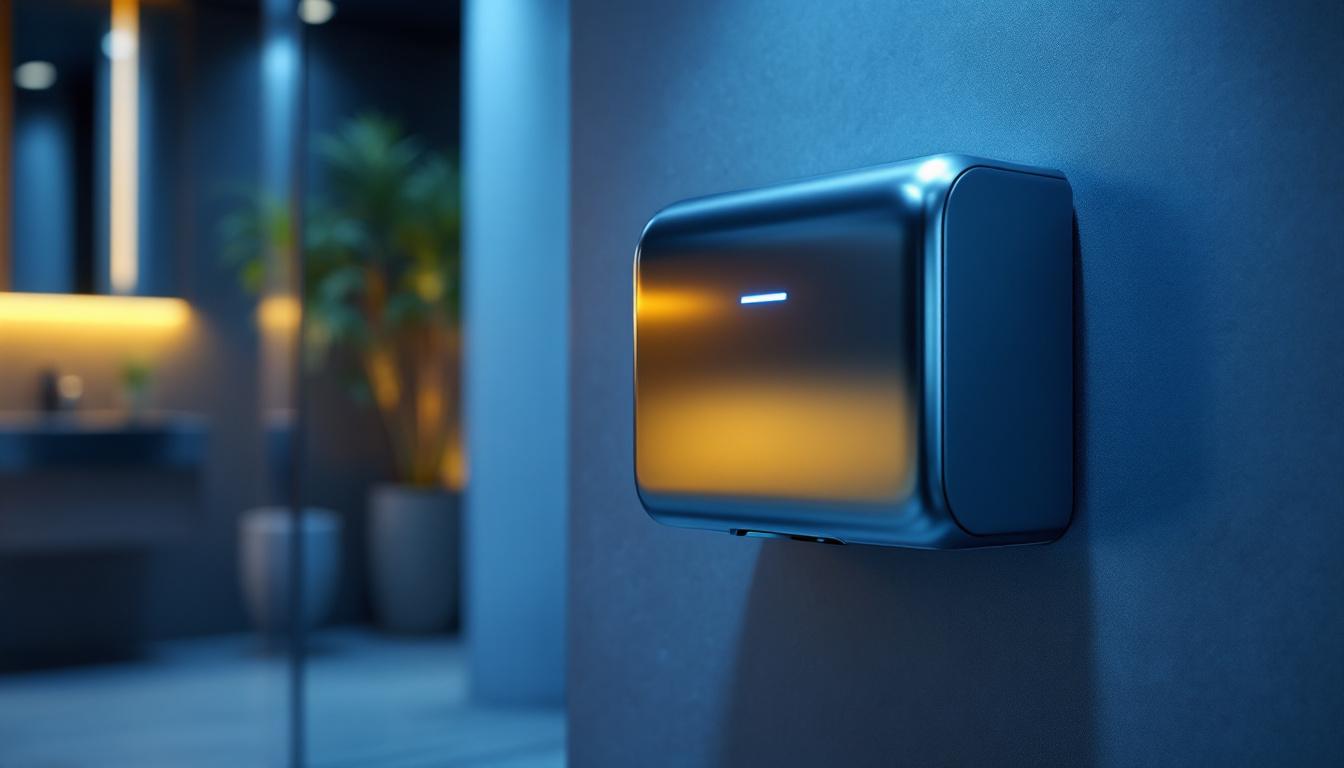
Electric hand dryers have become a staple in commercial restrooms, offering a hygienic and eco-friendly alternative to traditional paper towels. For lighting contractors, understanding the intricacies of these devices is crucial, as their installation often intersects with electrical and lighting systems. This article explores the essential aspects of electric hand dryers commercial models that lighting contractors should know to ensure seamless integration, compliance, and optimal performance.
As commercial spaces increasingly prioritize sustainability and user experience, electric hand dryers present a compelling solution. However, their successful implementation hinges on a contractor’s knowledge of electrical requirements, placement considerations, and maintenance protocols. This comprehensive guide aims to equip lighting contractors with the insights needed to navigate these factors effectively.
One of the primary advantages of electric hand dryers is their ability to significantly reduce waste. Traditional paper towels contribute to landfill overflow, while electric dryers utilize energy to provide a quick and efficient drying experience. In fact, many modern models are designed to operate with minimal energy consumption, aligning with the growing trend of energy efficiency in commercial facilities. Contractors should be aware of the various energy ratings and certifications, such as ENERGY STAR, which can help businesses save on utility costs while promoting an environmentally responsible image.
Moreover, the placement of electric hand dryers is critical for maximizing user convenience and ensuring compliance with accessibility standards. Contractors must consider factors such as the height of installation, proximity to sinks, and the overall flow of foot traffic in restrooms. Proper placement not only enhances user experience but also minimizes the risk of water damage to electrical components. Additionally, understanding the noise levels of different models is important, as quieter units can create a more pleasant atmosphere in high-traffic areas, further elevating the restroom experience for patrons.
Understanding the Electrical Requirements of Commercial Hand Dryers
Power Consumption and Voltage Specifications
Commercial electric hand dryers vary widely in power consumption, typically ranging from 800 watts to over 2000 watts depending on the model and drying speed. Lighting contractors must be aware of these specifications to ensure that the electrical circuits can handle the additional load without risking overload or tripping breakers.
Most commercial hand dryers operate on standard voltages of 110-120V or 220-240V, depending on the region and model. It is essential to verify the voltage requirements before installation to prevent electrical incompatibility. Additionally, some high-speed models may require dedicated circuits to maintain consistent performance and avoid interference with lighting or other electrical systems.
Wiring and Circuit Integration
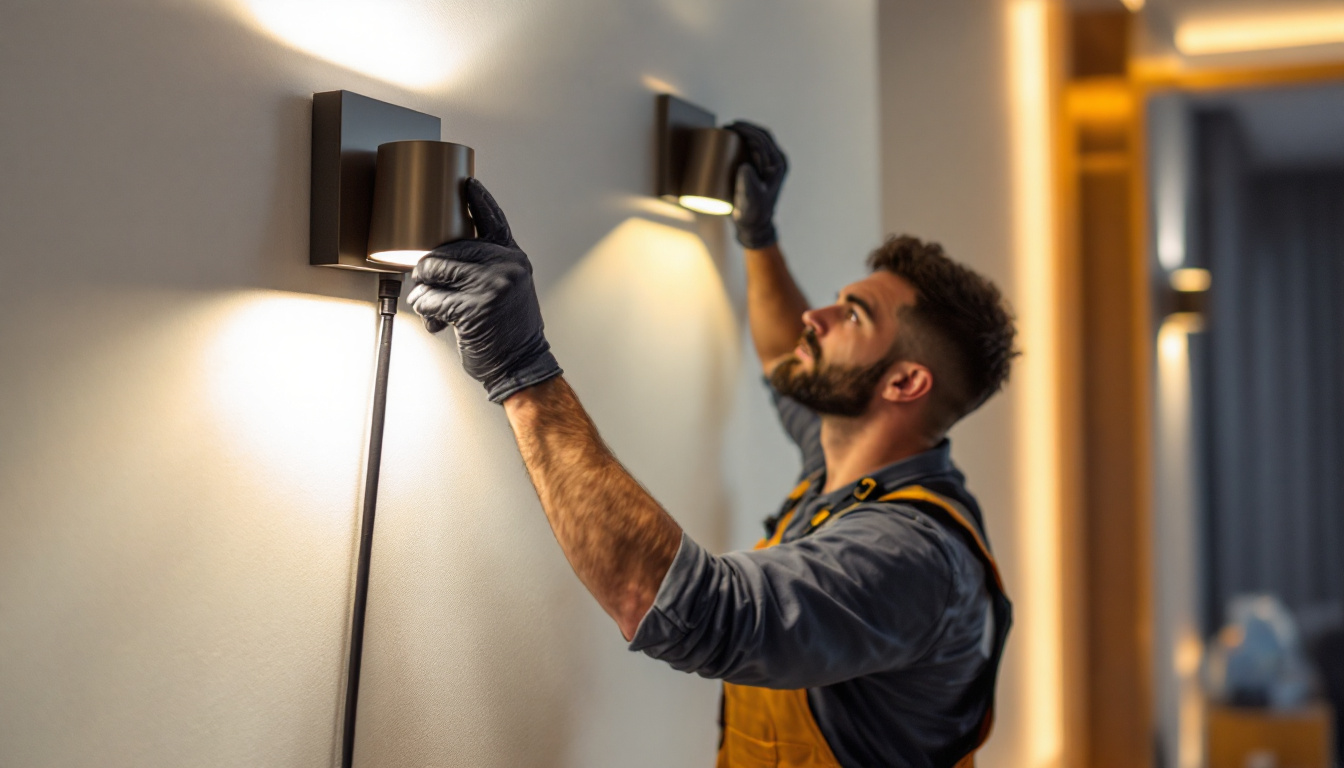
Proper wiring is fundamental for the safe and efficient operation of electric hand dryers. Lighting contractors should follow local electrical codes and manufacturer guidelines when integrating hand dryers into existing circuits. In many cases, installing a dedicated circuit is recommended to isolate the dryer’s power draw from other devices, minimizing the risk of electrical faults.
Grounding is another critical aspect. Ensuring that the hand dryer is properly grounded helps protect users from electrical shocks and reduces the risk of damage to the device. Lighting contractors should also consider the placement of circuit breakers and ensure that they are easily accessible for maintenance and emergency shutoff.
Placement and Installation Considerations for Lighting Contractors
Optimal Location for User Convenience and Safety
Choosing the right location for electric hand dryers in commercial restrooms is a balance between user convenience, safety, and compliance with accessibility standards. Lighting contractors often collaborate with architects and facility managers to determine the best placement relative to sinks, stalls, and traffic flow.
Hand dryers should be installed at heights that accommodate all users, including those with disabilities, in accordance with ADA (Americans with Disabilities Act) or similar regulations. Proper clearance around the unit is necessary to prevent water damage to walls and electrical components, and to allow for comfortable hand drying without crowding.
Integration with Lighting and Other Electrical Fixtures
Lighting contractors must consider how hand dryers interact with restroom lighting and other electrical fixtures. For example, positioning dryers near light switches or sensors requires careful planning to avoid interference or accidental activation. Additionally, the ambient lighting around the dryer should be sufficient to ensure users can easily locate and operate the device.
In some modern commercial restrooms, hand dryers are integrated with sensor-activated lighting systems to enhance energy efficiency and user experience. Lighting contractors should be familiar with these technologies and capable of coordinating their installation to optimize overall system performance.
Energy Efficiency and Environmental Impact
Comparing Hand Dryers to Paper Towels
Electric hand dryers are often promoted for their environmental benefits compared to paper towels. Studies indicate that hand dryers can reduce waste by eliminating the need for paper products, which require significant resources for production, transportation, and disposal. For lighting contractors advising clients on sustainable building solutions, highlighting these benefits can be a persuasive argument.
Energy-efficient hand dryers use advanced motor technology and optimized airflow to minimize electricity consumption without compromising drying speed. Some models feature adjustable heat settings or operate without heat, relying solely on high-velocity air to dry hands, further reducing energy use.
Impact on Building Energy Management
Lighting contractors play a pivotal role in managing a building’s overall energy consumption. Integrating electric hand dryers with smart building systems can contribute to energy savings by enabling usage monitoring and automated control. For instance, dryers can be programmed to enter standby mode during low-traffic periods or to adjust drying times based on occupancy sensors.
Understanding these capabilities allows lighting contractors to recommend solutions that align with clients’ sustainability goals and energy management strategies, ultimately enhancing the value of the commercial installation.
Maintenance and Longevity: What Lighting Contractors Should Know
Routine Maintenance Requirements
Electric hand dryers require periodic maintenance to ensure longevity and optimal performance. Lighting contractors should advise facility managers on routine tasks such as cleaning air filters, checking electrical connections, and inspecting for wear or damage. Regular maintenance prevents malfunctions that could lead to costly repairs or downtime.
Some commercial hand dryers come with diagnostic features that alert users or maintenance staff to potential issues. Familiarity with these features enables lighting contractors to support clients effectively and recommend appropriate service schedules.
Durability and Material Considerations
Commercial hand dryers are typically constructed from durable materials such as stainless steel or high-impact plastic to withstand heavy use and potential vandalism. Lighting contractors should consider the environment in which the dryers will be installed—high-traffic restrooms, for example, demand more robust units.
Selecting models with tamper-resistant features and easy-to-clean surfaces helps maintain hygiene standards and reduces maintenance efforts. Lighting contractors can guide clients in choosing the right product based on these factors, ensuring a balance between cost, durability, and aesthetics.
Compliance and Safety Standards
Electrical and Building Codes
Compliance with local electrical and building codes is non-negotiable when installing electric hand dryers. Lighting contractors must stay current with regulations governing electrical installations, grounding, and fire safety. Adhering to these codes not only ensures legal compliance but also protects users and property.
Many jurisdictions require that commercial hand dryers meet specific safety certifications, such as UL (Underwriters Laboratories) or CE (Conformité Européenne) marks. Verifying these certifications before installation is a critical step in the procurement and installation process.
Hygiene and Health Considerations
In the context of public health, especially heightened by recent global health concerns, hygiene is paramount. Some electric hand dryers incorporate HEPA filters to capture airborne bacteria and viruses, enhancing restroom hygiene. Lighting contractors should be aware of these features to recommend models that support health and safety initiatives.
Moreover, touchless activation reduces the risk of cross-contamination, a feature increasingly demanded by commercial clients. Understanding these aspects allows lighting contractors to provide informed advice that aligns with client priorities and public health standards.
Emerging Trends and Technologies in Commercial Hand Dryers
Smart Hand Dryers and IoT Integration
The rise of smart building technologies has extended into restroom fixtures, with electric hand dryers now featuring IoT (Internet of Things) capabilities. These smart dryers offer remote monitoring, usage analytics, and predictive maintenance alerts, enabling facility managers to optimize operations and reduce costs.
Lighting contractors involved in smart building projects should familiarize themselves with these technologies to integrate hand dryers seamlessly into broader building management systems. This knowledge positions contractors as valuable partners in delivering cutting-edge commercial solutions.
Noise Reduction Innovations
Noise levels have historically been a concern with high-speed hand dryers, particularly in environments such as offices, schools, and healthcare facilities. Recent innovations focus on reducing operational noise without sacrificing drying efficiency.
Lighting contractors should consider noise ratings when selecting hand dryers, especially in spaces where acoustics are critical. Offering clients quieter models can enhance user satisfaction and comply with noise regulations or guidelines.
Conclusion: The Lighting Contractor’s Role in Successful Hand Dryer Installations
Electric hand dryers are more than just restroom accessories; they are integral components of modern commercial building infrastructure. For lighting contractors, understanding their electrical requirements, placement considerations, energy implications, maintenance needs, and compliance standards is essential to delivering successful installations.
By staying informed about the latest technologies and best practices, lighting contractors can provide valuable guidance to clients, ensuring that electric hand dryers contribute to sustainable, safe, and user-friendly commercial environments. This expertise not only enhances project outcomes but also strengthens the contractor’s reputation as a knowledgeable and reliable professional in the commercial building sector.
Get Your Spec-Grade Lighting Products at LumenWholesale
Ready to elevate your commercial installations with superior lighting solutions? Look no further than LumenWholesale for all your lighting needs. Our extensive selection of top-quality, spec-grade lighting products is available at unbeatable wholesale prices, ensuring you get the best value for your projects. Say goodbye to inflated markups and hello to hassle-free bulk buying with free shipping. Trust LumenWholesale to provide reliable, high-performance lighting that meets the highest industry standards. Don’t compromise on quality or affordability. Wholesale Lighting at the Best Value is just a click away. Experience the difference with LumenWholesale today.