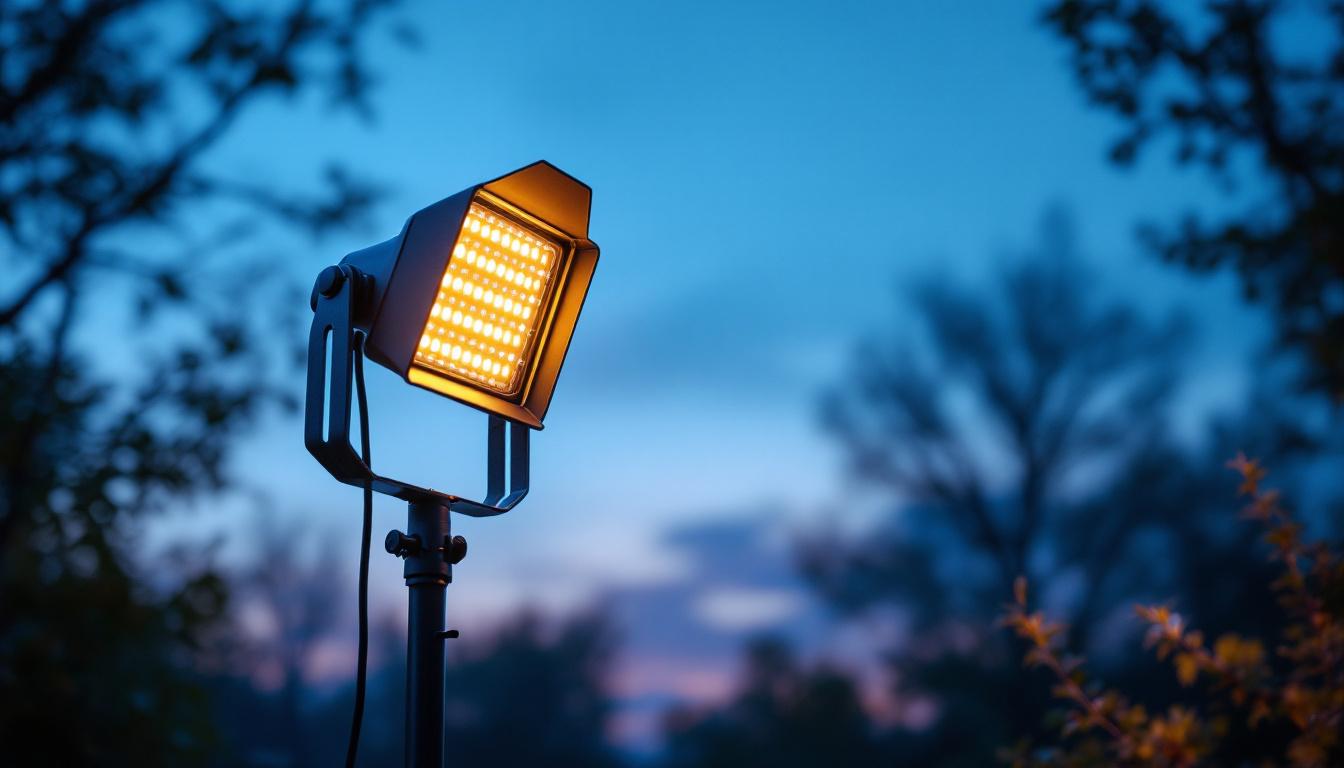
Understanding Dusk Light and Its Role in Lighting Control
Lighting contractors often face the challenge of balancing illumination needs with energy efficiency. One of the most effective yet sometimes overlooked tools in this balancing act is dusk light sensing. This technology allows lighting systems to automatically adjust based on the natural light available at dusk, ensuring that artificial lighting is used only when necessary.
Dusk light refers to the ambient illumination present during twilight, the period just after sunset when natural light fades but before complete darkness sets in. By detecting this subtle change in light levels, lighting controls can trigger outdoor and indoor lights to turn on or off accordingly. This not only enhances safety and visibility but also significantly reduces unnecessary energy consumption.
Incorporating dusk light sensors into lighting designs can lead to substantial cost savings over time. By minimizing the reliance on artificial lighting during twilight hours, businesses and homeowners can lower their electricity bills while also extending the lifespan of their lighting fixtures. Additionally, these sensors can be integrated with smart home systems, allowing for greater customization and control. For instance, users can set specific thresholds for when lights should activate, tailoring the system to their unique preferences and routines.
Moreover, the environmental benefits of using dusk light sensing technology cannot be overstated. By reducing energy waste, these systems contribute to lower carbon footprints, aligning with global efforts to promote sustainability. As cities and communities strive to become more eco-friendly, the adoption of such intelligent lighting solutions becomes increasingly important. Furthermore, with advancements in sensor technology, dusk light sensors are becoming more sensitive and reliable, ensuring that they can accurately gauge light levels even in varying weather conditions or urban settings filled with ambient light pollution.
How Dusk Light Sensors Work
Dusk light sensors, often integrated into photocells or advanced light control systems, measure the intensity of ambient light. When the light level drops below a predefined threshold—typically corresponding to dusk—the sensor activates connected lighting fixtures. Conversely, when the light level rises above the threshold at dawn, the system turns the lights off. This automatic adjustment not only enhances convenience but also contributes to energy savings by ensuring that lights are only on when necessary.
These sensors use photodiodes or phototransistors to detect light intensity, converting it into an electrical signal that controls a relay or a dimming module. The precision of these sensors ensures that lighting is responsive to actual environmental conditions rather than fixed schedules, which can be inefficient due to seasonal variations and weather changes. For instance, during cloudy days, a dusk light sensor may activate lights earlier than it would on a bright, sunny day, thus providing consistent illumination regardless of external factors.
Types of Dusk Light Sensors
There are primarily two types of dusk light sensors used in lighting control:
- Standalone Photocells: Simple devices that switch lighting circuits on or off based on ambient light. They are cost-effective and ideal for basic outdoor lighting applications. These sensors are commonly found in street lighting and garden lights, where simplicity and reliability are key.
- Integrated Sensor Systems: These are part of more sophisticated lighting control setups, often combined with timers, motion sensors, or building automation systems. They provide greater flexibility and can adjust lighting levels rather than just switching them on or off. Such systems are particularly beneficial in commercial settings, where energy efficiency and adaptability to varying occupancy levels are crucial.
In addition to these types, some dusk light sensors are equipped with smart technology, allowing them to connect to home automation systems. This integration enables users to control their lighting remotely via smartphone apps, providing not only convenience but also enhanced security features. For example, homeowners can program their outdoor lights to mimic their presence when they are away, deterring potential intruders. Furthermore, advancements in sensor technology have led to the development of sensors that can differentiate between natural and artificial light, optimizing their performance in complex lighting environments.
Energy Efficiency Benefits of Using Dusk Light Controls
Lighting accounts for a significant portion of energy consumption in commercial and residential settings. Incorporating dusk light sensors into lighting systems can lead to substantial energy savings by ensuring lights operate only when necessary. For contractors, this translates into delivering solutions that meet client expectations for sustainability and cost-effectiveness.
Studies have shown that outdoor lighting controlled by dusk sensors can reduce energy use by up to 30%. This is particularly impactful in areas with long twilight periods or where lighting is traditionally left on for extended hours. The reduction in energy consumption also lowers greenhouse gas emissions, aligning with growing regulatory demands and corporate sustainability goals.
Case Example: Street Lighting
Street lighting is a prime candidate for dusk light control. Traditionally, street lamps operate on fixed timers, often turning on before it gets dark or staying on after sunrise. By switching to dusk light sensors, municipalities have reported significant energy savings and reduced maintenance costs. Lights only activate when natural light falls below the set threshold, preventing wasteful operation during bright twilight or overcast days.
Moreover, the implementation of dusk light controls can enhance public safety. Well-lit streets deter crime and increase visibility for pedestrians and cyclists, fostering a sense of security in communities. This is particularly important in urban areas where crime rates may be higher during nighttime hours. By ensuring that street lights are only active when needed, cities can maintain optimal lighting conditions while minimizing energy waste, creating a safer environment for all residents.
In addition to street lighting, dusk light sensors can be effectively utilized in parking lots, parks, and other public spaces. These sensors not only adjust lighting based on natural light levels but can also be integrated with smart city technologies. For instance, data collected from these sensors can inform city planners about usage patterns, allowing for more strategic placement of lighting fixtures and further optimizing energy consumption. This holistic approach not only benefits the environment but also enhances the overall quality of urban life.
Installation Considerations for Lighting Contractors
Proper installation and calibration of dusk light sensors are critical to maximizing their benefits. Contractors must consider several factors to ensure optimal performance.
Sensor Placement
Placement is crucial. Sensors should be positioned where they receive accurate ambient light readings without interference from artificial light sources such as street lamps or building-mounted fixtures. Incorrect placement can cause premature activation or delayed switching, defeating the purpose of energy savings.
Threshold Settings
Adjusting the light level threshold to match the specific environment and client needs is essential. Some applications may require lights to turn on earlier for safety reasons, while others prioritize maximum energy savings. Many modern sensors allow fine-tuning of these settings to balance these requirements effectively.
Integration with Other Controls
Dusk light sensors can be integrated with motion detectors, timers, and dimmers to create dynamic lighting systems. For example, outdoor lighting can remain off during dusk but activate at full brightness when motion is detected, providing both energy efficiency and security. Contractors should design systems with these integrations in mind to offer versatile solutions.
Challenges and Limitations
While dusk light sensors offer many advantages, contractors should be aware of potential challenges to avoid common pitfalls.
Environmental Factors
Weather conditions such as fog, heavy rain, or snow can affect sensor accuracy by altering ambient light levels. Additionally, seasonal changes can shift the timing of dusk, requiring periodic recalibration or the use of adaptive sensors that adjust automatically.
Sensor Maintenance
Accumulation of dirt, dust, or debris on sensor lenses can impair performance. Regular maintenance schedules should be recommended to clients to ensure sensors remain clean and functional. This is especially important in outdoor or industrial environments where exposure is greater.
Compatibility Issues
Not all lighting fixtures or control systems are compatible with dusk light sensors. Contractors must verify compatibility during the design phase to prevent installation delays or costly retrofits. Selecting sensors and control gear from reputable manufacturers with clear specifications can mitigate these risks.
Future Trends in Dusk Light and Lighting Controls
Advancements in sensor technology and smart lighting systems are expanding the capabilities of dusk light controls. Integration with Internet of Things (IoT) platforms allows for remote monitoring, data analytics, and adaptive control strategies that optimize lighting based on real-time conditions.
For lighting contractors, staying informed about these developments is crucial. Offering clients smart dusk light solutions can differentiate services and open opportunities in the growing market for intelligent building systems.
Adaptive and Predictive Controls
Emerging systems use machine learning algorithms to predict lighting needs based on historical data, weather forecasts, and occupancy patterns. These predictive controls can adjust dusk thresholds dynamically, further enhancing energy efficiency and user comfort.
Integration with Renewable Energy
As solar-powered lighting becomes more prevalent, dusk light sensors play a vital role in managing battery life and energy storage. By ensuring lights operate only when necessary, these sensors help maximize the use of renewable energy sources.
Conclusion: Why Lighting Contractors Should Prioritize Dusk Light Controls
Dusk light sensors represent a straightforward yet powerful tool for achieving energy-efficient lighting. For contractors, understanding their operation, benefits, and installation nuances is essential to delivering high-quality, sustainable lighting solutions. By incorporating dusk light controls, contractors can help clients reduce energy costs, comply with regulations, and contribute to environmental stewardship-all while enhancing the functionality and safety of lighting systems.
Investing time in mastering dusk light technology pays dividends through satisfied clients, repeat business, and a stronger reputation in the competitive lighting industry.
Illuminate Your Projects with LumenWholesale
Ready to elevate your lighting solutions with energy-efficient dusk light controls? At LumenWholesale, we provide contractors like you with the highest quality, spec-grade lighting products at prices that can’t be beaten. Say goodbye to inflated markups and hello to a vast selection of reliable lighting that meets rigorous industry standards. Plus, with free shipping on bulk orders, you can stock up on premium lighting without worrying about hidden fees. Don’t compromise on quality or value—choose LumenWholesale for the perfect fusion of affordability and convenience. Start transforming your lighting projects today by visiting Wholesale Lighting at the Best Value.