Introduction to LED Flood Lights
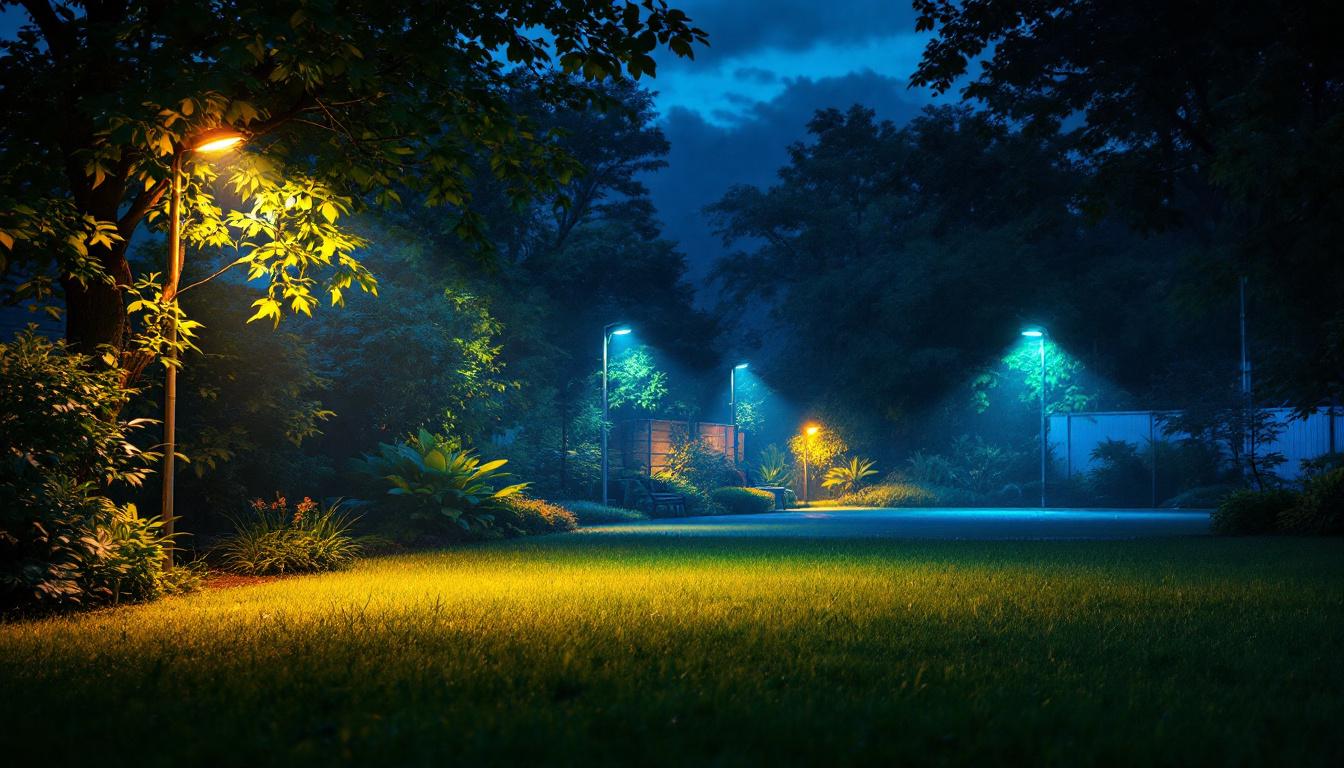
In the realm of outdoor lighting, flood lights serve a critical function, providing illumination for security, landscaping, and recreational purposes. As technology advances, LED bulbs have emerged as a popular choice for flood lights, offering numerous advantages over traditional lighting options. This article delves into the insights shared by expert lighting contractors regarding the use of LED bulbs in flood lights, exploring their benefits, installation considerations, and maintenance tips.
Understanding LED Technology
LED, or Light Emitting Diode, technology has revolutionized the lighting industry. Unlike incandescent or fluorescent bulbs, LEDs produce light through a semiconductor process, which is inherently more efficient. This efficiency translates into lower energy consumption and longer lifespans, making them a cost-effective solution for flood lighting.
Moreover, LED bulbs are available in various color temperatures, allowing contractors to choose the ideal ambiance for different applications. Whether it’s a warm light for a cozy outdoor gathering or a cooler tone for security purposes, LEDs provide flexibility that traditional bulbs cannot match. Additionally, the directional nature of LED lighting means that less light is wasted, focusing illumination where it is needed most, which enhances both visibility and safety in outdoor environments.
Advantages of Using LED Bulbs in Flood Lights
One of the primary advantages of LED bulbs is their energy efficiency. They consume significantly less power compared to incandescent or halogen bulbs, which can lead to substantial savings on electricity bills. This is particularly beneficial for commercial properties that require extensive outdoor lighting.
In addition to energy savings, LED flood lights have a much longer lifespan. While traditional bulbs may need to be replaced every few months, LEDs can last for years, reducing maintenance costs and labor associated with frequent replacements. This longevity is especially valuable for hard-to-reach installations. Furthermore, the durability of LED technology means they are less susceptible to breakage and can withstand harsh weather conditions, making them ideal for outdoor applications where reliability is paramount.
Another significant advantage of LED flood lights is their instant-on capability. Unlike some traditional lighting options that require a warm-up period, LEDs illuminate to full brightness immediately, which is crucial for security purposes. This feature ensures that any potential intruders are deterred by the sudden burst of light, enhancing the safety of residential and commercial properties alike. Additionally, many LED flood lights come equipped with smart technology, allowing users to control their lighting remotely or set schedules, further increasing convenience and energy efficiency.
Installation Considerations for LED Flood Lights
When it comes to installing LED flood lights, several factors must be considered to ensure optimal performance and longevity. Understanding these factors can help contractors achieve the best results for their clients.
Choosing the Right LED Bulb
Selecting the appropriate LED bulb for a flood light involves considering factors such as brightness, beam angle, and color temperature. Brightness is measured in lumens; higher lumens indicate a brighter light. Depending on the application, contractors should assess the required brightness to ensure adequate illumination.
Beam angle also plays a crucial role in how light is distributed. A wider beam angle is ideal for illuminating large areas, while a narrower beam is better suited for focused lighting. Contractors should evaluate the specific needs of the space to determine the best beam angle for their installation. Additionally, the color temperature of the LED bulb can influence the ambiance of the area. Warmer tones (around 2700K to 3000K) create a cozy atmosphere, making them suitable for residential settings, while cooler tones (5000K and above) are often preferred for security and commercial applications due to their bright, daylight-like quality.
Electrical Compatibility and Wiring
Another critical consideration is electrical compatibility. LED bulbs operate at different voltages than traditional bulbs, so it is essential to ensure that the existing fixtures and wiring can support the new LED technology. Contractors should check the voltage rating and make any necessary adjustments to the electrical system to avoid potential issues.
Proper wiring is also vital for safety and performance. Ensuring that connections are secure and that the wiring is rated for outdoor use will help prevent electrical failures and prolong the lifespan of the flood lights. Furthermore, it is advisable to use weatherproof junction boxes and connectors to protect against moisture and corrosion, which can significantly impact the functionality of the lighting system over time. Implementing surge protection can also safeguard the LED flood lights from voltage spikes, enhancing their durability and reliability.
Mounting and Positioning
Proper mounting and positioning of flood lights are essential for achieving optimal lighting effects. Contractors should consider the height and angle at which the lights are installed to minimize glare and maximize coverage. Additionally, it is important to avoid placing lights in locations where they may be obstructed by trees, buildings, or other structures.
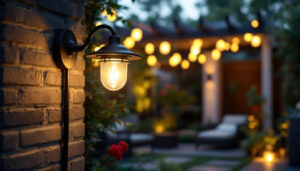
For security applications, positioning flood lights to cover entry points and vulnerable areas can enhance safety. In landscaping, strategic placement can highlight architectural features or create a welcoming atmosphere. Each installation should be tailored to the specific needs of the environment. Furthermore, using adjustable mounting brackets can provide flexibility in directing the light where it is most needed, allowing for adjustments as landscaping or building configurations change over time. It is also beneficial to consider the use of motion sensors or timers to enhance energy efficiency and ensure that lights are only active when necessary, contributing to both safety and cost savings for the client.
Maintenance of LED Flood Lights
While LED bulbs require less maintenance than traditional lighting options, some upkeep is still necessary to ensure optimal performance. Understanding the maintenance requirements can help contractors provide better service to their clients.
Regular Cleaning
Dust, dirt, and debris can accumulate on LED flood lights, diminishing their brightness and effectiveness. Regular cleaning is essential to maintain optimal light output. Contractors should recommend a cleaning schedule to their clients, particularly in areas with high levels of dust or pollution.
Cleaning can typically be done with a soft cloth and mild detergent. However, it is crucial to ensure that the power is turned off before attempting any cleaning to avoid electrical hazards.
Inspecting Connections and Fixtures
Periodic inspections of electrical connections and fixtures are vital to prevent potential issues. Loose connections can lead to flickering lights or complete failures. Contractors should encourage clients to report any unusual behavior in their flood lights, as early detection can prevent more significant problems down the line.
Additionally, checking for signs of corrosion or damage to the fixtures can help identify potential issues before they become critical. Regular maintenance checks can extend the lifespan of the flood lights and ensure consistent performance.
Environmental Considerations
As sustainability becomes increasingly important, the environmental impact of lighting choices cannot be overlooked. LED flood lights offer several advantages in this regard, making them a preferred choice for eco-conscious clients.
Energy Efficiency and Carbon Footprint
The energy efficiency of LED bulbs translates to a reduced carbon footprint. By consuming less electricity, LED flood lights contribute to lower greenhouse gas emissions, making them a more environmentally friendly option compared to traditional lighting solutions.
Contractors can emphasize these benefits to clients who are concerned about their environmental impact. By choosing LED technology, clients can not only save on energy costs but also contribute to a more sustainable future.
Recyclability of LED Components
Another environmental consideration is the recyclability of LED components. Unlike traditional bulbs, which often contain hazardous materials, many LED products are designed with recyclable materials. This aspect can be highlighted to clients who prioritize sustainability in their purchasing decisions.
Contractors can also provide guidance on proper disposal methods for old lighting fixtures, ensuring that clients are informed about environmentally responsible practices.
Future Trends in LED Flood Lighting
The lighting industry is continually evolving, and LED technology is at the forefront of this transformation. Staying informed about emerging trends can help contractors provide cutting-edge solutions to their clients.
Smart Lighting Solutions
One of the most significant trends in outdoor lighting is the integration of smart technology. Smart LED flood lights can be controlled remotely via smartphones or smart home systems, allowing users to adjust brightness, color, and scheduling with ease. This level of control enhances convenience and energy management.
Contractors should familiarize themselves with these smart solutions to offer clients the latest in lighting technology. As demand for smart home features continues to grow, integrating smart flood lights can set contractors apart in a competitive market.
Advancements in Color Changing Technology
Color changing LED flood lights are gaining popularity for their versatility in creating dynamic lighting effects. These lights can shift between various colors, allowing for customizable aesthetics for events, holidays, or seasonal decorations. Contractors can leverage this trend to offer clients unique lighting solutions that enhance outdoor spaces.
Understanding how to install and program these advanced systems will be crucial for contractors looking to stay ahead in the industry. Offering color changing options can attract clients seeking innovative and eye-catching lighting solutions.
Conclusion
LED bulbs for flood lights represent a significant advancement in outdoor lighting technology. With their energy efficiency, longevity, and versatility, they offer numerous benefits for both contractors and clients. By understanding the intricacies of installation, maintenance, and emerging trends, lighting contractors can provide exceptional service and innovative solutions.
As the demand for sustainable and efficient lighting continues to grow, embracing LED technology will not only enhance the quality of outdoor spaces but also contribute to a greener future. By staying informed and adapting to new developments, contractors can position themselves as leaders in the ever-evolving lighting industry.
Illuminate Your Projects with LumenWholesale
Ready to elevate your lighting projects with the efficiency and sustainability of LED flood lights? Look no further than LumenWholesale for all your lighting needs. Our commitment to quality and affordability ensures that you have access to the best spec-grade lighting products at wholesale prices. Say goodbye to inflated markups and hello to a vast selection of reliable, high-performance lighting options. Plus, with free shipping on bulk orders, you can stock up on premium lighting without any hidden fees. Don’t compromise on quality or value—choose LumenWholesale for the perfect blend of both. Wholesale Lighting at the Best Value is just a click away.