In the world of lighting design and installation, the placement and type of light fixtures play a critical role in achieving the desired ambiance and functionality of a space. For lighting contractors, understanding the nuances of ceiling-mounted lighting is essential. This article delves into why ceiling lighting matters, the various types available, and how they can enhance both residential and commercial spaces.
The Importance of Ceiling Lighting
Ceiling lighting serves as the backbone of any lighting design. It not only illuminates a room but also sets the tone and mood. For lighting contractors, recognizing the significance of ceiling lights can lead to better project outcomes and satisfied clients.
Creating Ambiance
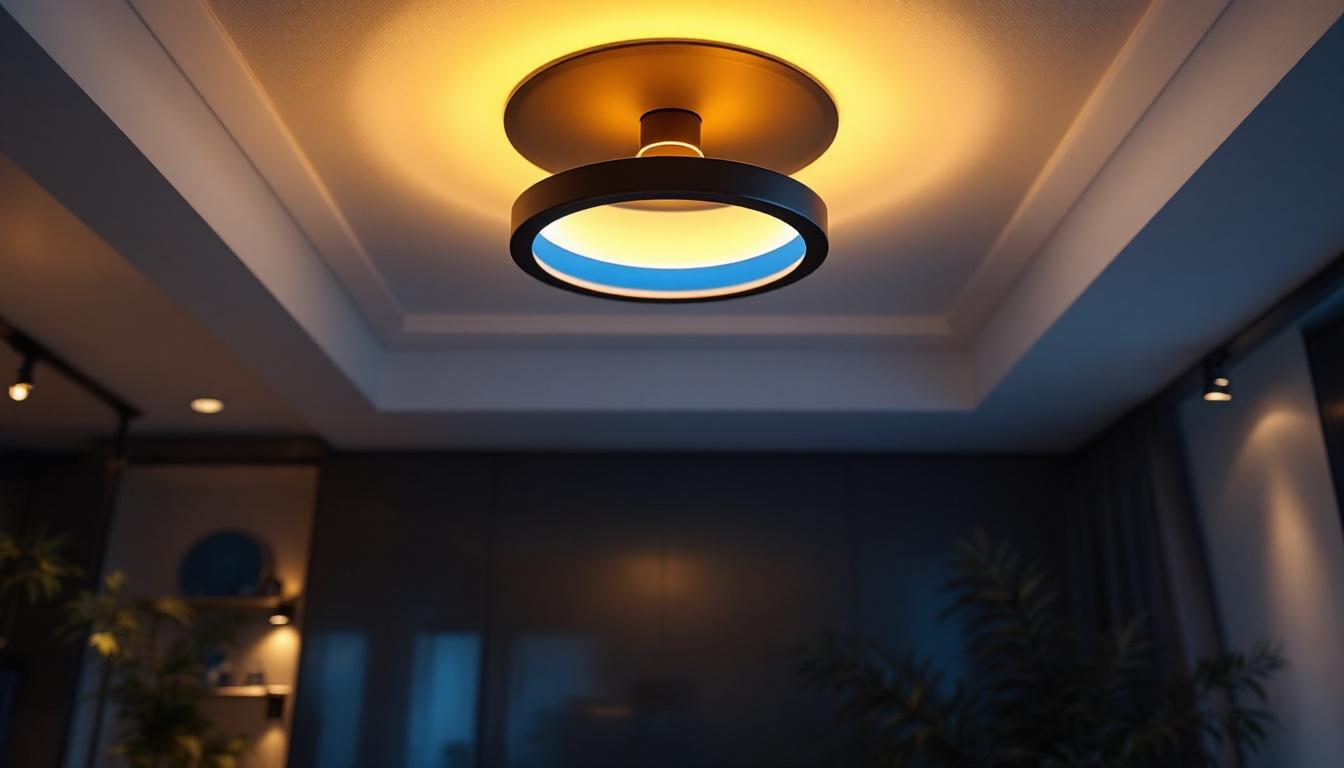
One of the primary functions of ceiling lighting is to create ambiance. The type of light fixture, its brightness, and the color temperature can dramatically change how a space feels. For instance, warm white lights can create a cozy atmosphere in a living room, while cool white lights are often preferred in workspaces for their energizing effect.
Lighting contractors must consider the intended use of the space when selecting ceiling fixtures. A well-lit kitchen may require bright, focused lighting, while a bedroom might benefit from softer, more diffused lighting. Understanding these nuances allows contractors to tailor their designs to meet the specific needs of their clients.
Moreover, the integration of dimmable options can further enhance the versatility of ceiling lighting. By allowing users to adjust the brightness according to their mood or activity, dimmable fixtures can transform a space from a vibrant gathering area to a serene retreat with just the turn of a knob. This adaptability not only increases the functionality of the space but also adds an element of luxury that many homeowners seek.
Maximizing Space
Ceiling lights can also play a crucial role in maximizing the perceived space within a room. Properly placed fixtures can draw the eye upward, making a room feel larger and more open. This is particularly important in smaller spaces where every square foot counts.
Lighting contractors can utilize various ceiling-mounted options, such as recessed lighting or pendant lights, to create an illusion of height. By strategically positioning these lights, contractors can enhance the overall layout and flow of a space, making it more inviting and functional.
In addition to the placement of fixtures, the choice of light fixtures can also contribute to the perception of space. For example, using fixtures with a transparent or open design can prevent visual clutter, allowing light to disperse freely throughout the room. This not only brightens the area but also creates a sense of airiness, which is particularly beneficial in compact living environments. Furthermore, incorporating mirrors and reflective surfaces can amplify the effect of ceiling lighting, creating a dynamic interplay of light and space that captivates the eye.
Types of Ceiling Lighting
There are several types of ceiling lighting fixtures available, each with its unique advantages and applications. Understanding these options is vital for lighting contractors to provide the best solutions for their clients.
Recessed Lighting
Recessed lighting, also known as can lights or pot lights, is a popular choice for modern interiors. These fixtures are installed into the ceiling, creating a clean and streamlined look. They provide ambient lighting without taking up visual space, making them ideal for rooms with low ceilings or minimalist designs.
When installing recessed lighting, contractors must consider the spacing and placement to ensure even illumination throughout the room. Additionally, adjustable recessed lights can be used to highlight specific areas or features, adding versatility to the design. The use of dimmers can further enhance the functionality of recessed lighting, allowing homeowners to adjust the brightness according to the time of day or activity, creating a cozy atmosphere for gatherings or a bright environment for tasks.
Pendant Lighting
Pendant lights hang from the ceiling and can serve as both functional and decorative elements. They are commonly used over kitchen islands, dining tables, or in entryways. The variety of styles, shapes, and colors available allows contractors to customize the lighting to match the client’s aesthetic preferences.
When selecting pendant lights, it’s essential to consider the height at which they will be hung. A fixture that is too low can obstruct views, while one that is too high may not provide adequate illumination. Proper placement ensures that pendant lights enhance the space without becoming a hindrance. Furthermore, grouping multiple pendant lights can create a striking visual effect, especially in larger spaces, and can be used to define areas within an open floor plan, adding both style and functionality.
Chandeliers
Chandeliers are a classic choice for adding elegance and sophistication to a room. These fixtures can serve as a focal point in dining rooms, entryways, or living spaces. With various styles ranging from traditional to contemporary, chandeliers can complement any interior design.
For lighting contractors, it’s important to assess the scale of the chandelier in relation to the room size. A large chandelier in a small room can overwhelm the space, while a small one in a large room may go unnoticed. Finding the right balance is key to achieving a harmonious design. Additionally, chandeliers can incorporate various light sources, including LED bulbs, which not only provide energy efficiency but also allow for different color temperatures, enhancing the mood of the space. The choice of materials, such as crystal or metal, can also influence the overall ambiance, making chandeliers a versatile option for both formal and casual settings.
Energy Efficiency and Sustainability
As the demand for sustainable solutions grows, lighting contractors must consider energy efficiency when selecting ceiling lighting options. Many modern fixtures are designed with energy-saving technologies, such as LED bulbs, which consume less power and have a longer lifespan compared to traditional incandescent bulbs.
Benefits of LED Lighting
LED lighting has become increasingly popular due to its numerous benefits. Not only do LEDs use significantly less energy, but they also produce less heat, reducing the need for additional cooling in a space. This can lead to substantial energy savings for clients over time.
Moreover, LEDs are available in a wide range of color temperatures and styles, allowing contractors to find the perfect match for their projects. By promoting energy-efficient lighting solutions, contractors can enhance their reputation as environmentally conscious professionals.
Smart Lighting Solutions
Incorporating smart lighting solutions into ceiling designs is another way to enhance energy efficiency. Smart lighting systems allow clients to control their lighting via mobile apps or voice commands, enabling them to adjust brightness and color temperature according to their preferences.
For lighting contractors, offering smart lighting options can set them apart from competitors. These systems not only provide convenience but can also contribute to energy savings, making them an attractive choice for environmentally conscious clients.
Compliance and Safety Standards
Lighting contractors must also be aware of compliance and safety standards when installing ceiling lighting. Adhering to local building codes and regulations is crucial to ensure the safety and functionality of the lighting systems.
Understanding Local Codes
Each region may have different requirements regarding electrical installations, including ceiling lighting. Contractors need to familiarize themselves with these codes to avoid potential issues during inspections or future renovations. This knowledge not only protects the contractor but also ensures the safety of the end-users.
Additionally, understanding the specific requirements for different types of fixtures, such as damp-rated lights for bathrooms or outdoor areas, is essential for compliance. This attention to detail can enhance a contractor’s credibility and reliability in the eyes of clients.
Installation Best Practices
Proper installation techniques are vital for ensuring the safety and longevity of ceiling lighting fixtures. Contractors should follow manufacturer guidelines and best practices during the installation process. This includes using appropriate wiring, securing fixtures correctly, and ensuring that all connections are safe and reliable.
Furthermore, contractors should educate clients about the importance of regular maintenance and inspections. This proactive approach can prevent potential issues and extend the lifespan of the lighting systems, ultimately leading to satisfied customers.
Trends in Ceiling Lighting Design
The world of lighting design is constantly evolving, with new trends emerging regularly. Staying informed about these trends can help lighting contractors offer innovative solutions to their clients.
Minimalist Aesthetics
Minimalism continues to dominate interior design, and ceiling lighting is no exception. Simple, clean lines and unobtrusive fixtures are favored in modern spaces. Recessed lighting and flush mounts are popular choices that align with this aesthetic, providing illumination without overwhelming the design.
Contractors should consider how to incorporate minimalist lighting solutions into their projects, ensuring that the fixtures complement the overall design without detracting from other elements in the space.
Layered Lighting
Layered lighting is another trend gaining traction. This approach involves combining different types of lighting—ambient, task, and accent—to create a well-balanced and versatile lighting scheme. Ceiling lights can serve as the ambient layer, while additional fixtures, such as table lamps or wall sconces, can provide task and accent lighting.
By understanding how to effectively layer lighting, contractors can create dynamic and functional spaces that meet the diverse needs of their clients.
Conclusion
Ceiling lighting is a fundamental aspect of lighting design that significantly impacts the functionality and aesthetics of a space. For lighting contractors, understanding the various types of ceiling fixtures, their applications, and the importance of energy efficiency and compliance is crucial for delivering successful projects.
As trends continue to evolve, staying informed and adaptable will enable contractors to provide innovative solutions that meet the changing needs of their clients. By prioritizing ceiling lighting, contractors can enhance their designs and ensure that their clients enjoy beautifully illuminated spaces that are both functional and inviting.
Illuminate Your Projects with LumenWholesale
Ready to elevate your lighting projects with the finest ceiling fixtures on the market? Look no further than LumenWholesale, where we provide lighting contractors with exceptional, spec-grade lighting products at unparalleled wholesale prices. Our commitment to quality and affordability ensures that you can light up any space without breaking the bank. With free shipping on bulk orders, you can trust that you’re getting premium lighting solutions at the best value — every time. Don’t compromise on quality or cost. Discover wholesale lighting at the best value today and bring your lighting designs to life with LumenWholesale.