Understanding the Unique Demands of Long Kitchen Light Bulbs
Long kitchen light bulbs are a staple in many commercial and residential kitchens. Their elongated shape allows them to fit into fixtures designed to provide broad, even illumination—ideal for spaces where clear visibility is crucial. However, these bulbs come with specific challenges that lighting contractors must navigate to ensure optimal performance and client satisfaction.
Unlike standard bulbs, long kitchen bulbs often have specialized bases and wattage ratings. This means that selecting the right bulb isn’t just about size; it’s about compatibility with the fixture’s electrical requirements and the kitchen’s lighting needs. Ignoring these nuances can lead to premature bulb failure or inadequate lighting, both of which reflect poorly on the contractor’s expertise.
In addition to their unique specifications, long kitchen light bulbs also vary in terms of color temperature and brightness. For instance, a kitchen that serves as a gathering space may benefit from warmer tones that create a cozy atmosphere, while a professional kitchen may require cooler, brighter light to enhance visibility during food preparation and cooking. Understanding these subtleties allows contractors to provide tailored solutions that meet the specific ambiance and functionality desired by their clients. Furthermore, the energy efficiency of these bulbs is another critical factor, as many modern options offer LED technology that not only reduces energy consumption but also boasts a longer lifespan compared to traditional incandescent bulbs.
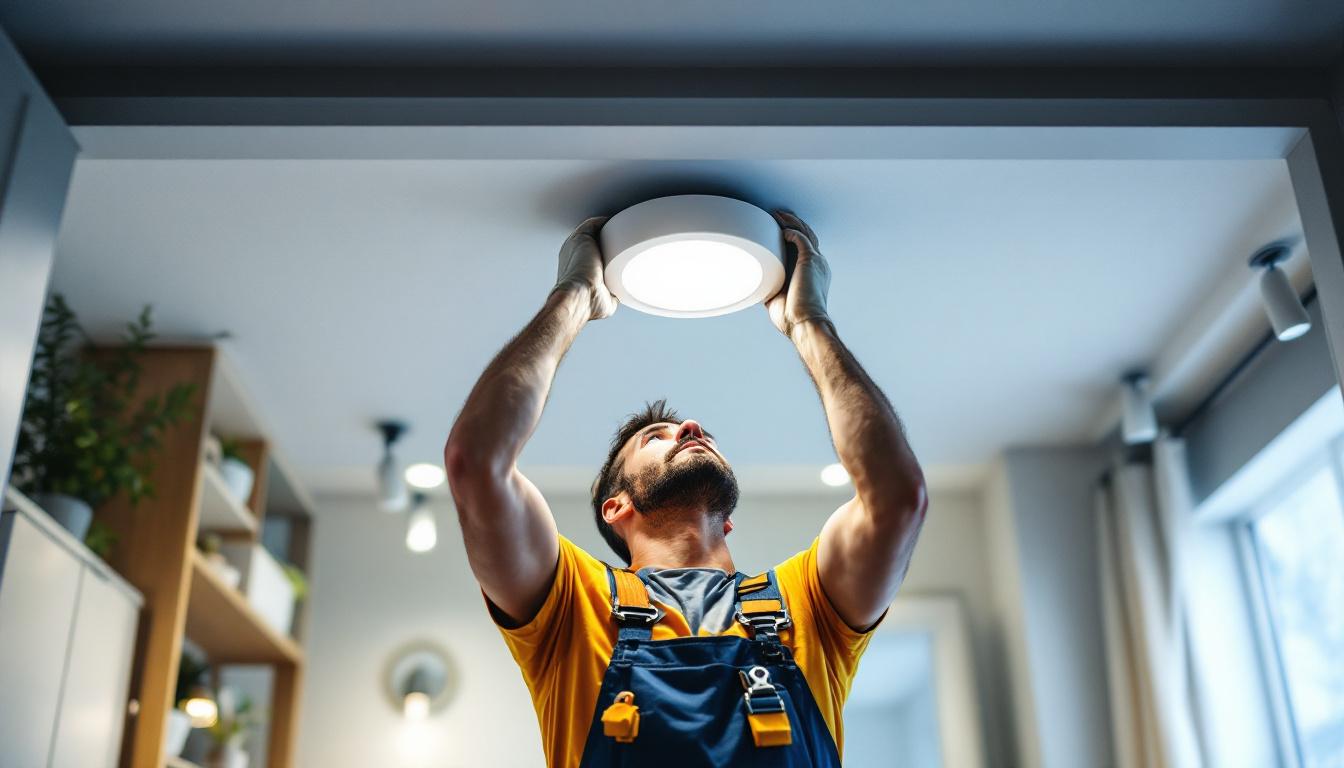
Moreover, the installation of long kitchen light bulbs presents its own set of challenges. The fixtures themselves can be located in high or hard-to-reach areas, requiring specialized tools and safety precautions. Contractors must also consider the layout of the kitchen to ensure that the light distribution is optimal, avoiding shadows that could hinder cooking or food preparation. Additionally, the choice of dimmable versus non-dimmable options can significantly impact the versatility of the lighting, allowing homeowners to adjust the ambiance according to the time of day or occasion. By addressing these factors, contractors can not only enhance the functionality of the kitchen but also elevate the overall aesthetic appeal, making it a more enjoyable space for both cooking and socializing.
Challenge 1: Sourcing Reliable and Compatible Bulbs
Variety and Availability
One of the first hurdles contractors face is sourcing bulbs that meet both the physical and electrical specifications of the kitchen fixtures. Long bulbs come in various types—fluorescent, LED, halogen, and incandescent—with each offering different benefits and drawbacks. Finding a reliable supplier who stocks high-quality bulbs in the required sizes and types can be time-consuming. For instance, while LED bulbs are known for their energy efficiency and long lifespan, they may not be suitable for every fixture due to their specific heat dissipation requirements. Conversely, incandescent bulbs, while easily available, can be less energy-efficient and have a shorter lifespan, leading to higher replacement costs over time.
Additionally, some kitchens use older or custom fixtures that require bulbs no longer in mainstream production. This scarcity forces contractors to either find compatible alternatives or recommend fixture upgrades, which can complicate project timelines and budgets. In some cases, contractors may need to scour specialty lighting shops or online marketplaces to locate rare bulbs, which can lead to delays in project completion. Moreover, the challenge is compounded by the fact that manufacturers frequently update their product lines, making it difficult to keep track of which bulbs are still available and which have been phased out.
Ensuring Compatibility
Compatibility goes beyond just fitting the socket. The bulb’s wattage, voltage, and color temperature must align with the fixture’s design and the kitchen’s lighting goals. Using a bulb with incorrect specifications can cause flickering, reduced lifespan, or even safety hazards like overheating. Lighting contractors must be thorough in verifying these details before installation. This process often involves consulting technical specifications and, in some cases, even reaching out to manufacturers for guidance on the best bulb options for specific fixtures.
Moreover, the aesthetic aspect of lighting cannot be overlooked. The color temperature of the bulb plays a crucial role in setting the mood of the kitchen. A warmer light can create a cozy atmosphere, ideal for family gatherings, while cooler lights are often preferred for task-oriented areas where precision is key, such as food preparation zones. Contractors must also consider how the chosen bulbs will interact with the kitchen’s color palette and design elements, ensuring that the final result not only functions well but also enhances the overall aesthetic appeal of the space.
Challenge 2: Managing Installation Constraints
Physical Access and Fixture Design
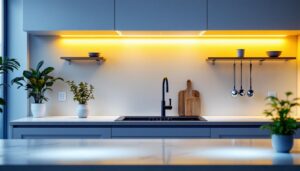
Long kitchen light bulbs are often installed in fixtures mounted under cabinets, inside recessed housings, or behind protective covers. These locations can be tight and awkward to work in, especially when dealing with elongated bulbs that require careful handling to avoid damage. Contractors frequently encounter challenges maneuvering bulbs into place without scratching surfaces or stressing the bulb’s base. The compactness of these installations often necessitates a level of dexterity and precision that can be daunting, particularly in kitchens with limited overhead space or intricate cabinetry designs.
Moreover, some fixtures require specific tools or techniques for bulb replacement. Without the right equipment, installation becomes inefficient and increases the risk of errors. Lighting contractors must prepare adequately, sometimes customizing their approach for each unique installation environment. For instance, they may need to employ extension tools or specialized grips to reach bulbs that are positioned deep within a fixture. Additionally, the design of the fixture itself can complicate matters; some modern designs prioritize aesthetics over functionality, making it difficult to access the bulb without disassembling parts of the fixture or cabinet. This not only adds time to the installation process but also raises the potential for damage to the surrounding areas, necessitating a careful and methodical approach to each job.
Electrical Safety Considerations
Working with kitchen lighting demands strict adherence to electrical safety standards. Kitchens are high-moisture environments, and improper installation can lead to short circuits or electrical shocks. Contractors must ensure power is properly disconnected and that bulbs and fixtures are rated for kitchen use. This is especially important when retrofitting older fixtures with modern bulbs, as mismatched ratings can create hazards. Furthermore, the use of damp-rated fixtures is essential in these environments to ensure longevity and safety, as moisture can corrode electrical components over time.
In addition to ensuring the correct ratings, contractors must also be vigilant about the condition of existing wiring and connections. Older homes may have outdated electrical systems that do not meet current safety codes, which can pose significant risks during installation. It is crucial for contractors to assess the integrity of the wiring and, if necessary, recommend upgrades or repairs before proceeding with the installation. This proactive approach not only ensures compliance with safety standards but also enhances the overall performance and reliability of the lighting system, providing peace of mind for both the contractor and the homeowner.
Challenge 3: Achieving Desired Lighting Quality and Efficiency
Balancing Brightness and Ambiance
Kitchen lighting must strike a balance between functional brightness and a welcoming atmosphere. Long bulbs, particularly fluorescents and LEDs, offer a range of color temperatures-from cool white to warm yellow. Selecting the right temperature is critical; too cool can feel sterile, while too warm may not provide enough clarity for food preparation tasks.
Lighting contractors often work closely with clients to understand their preferences and the kitchen’s design. This collaboration helps in choosing bulbs that enhance both the space’s utility and aesthetics. However, this process can be complicated by the limited options available in long bulb formats compared to standard bulbs.
Energy Efficiency and Longevity
Energy consumption is a significant consideration in kitchen lighting. Long bulbs, especially older fluorescent types, can consume more power and generate excess heat. Modern LED alternatives offer substantial improvements in efficiency and lifespan but may come at a higher upfront cost.
Contractors face the challenge of educating clients on the long-term benefits of energy-efficient bulbs versus the initial investment. This includes discussing maintenance schedules, replacement costs, and potential energy savings. Making the right recommendation requires a solid understanding of the client’s budget and priorities.
Challenge 4: Addressing Maintenance and Replacement Issues
Frequent Burnouts and Replacement Cycles
Long kitchen light bulbs can be prone to burnout, especially in high-use environments. Frequent replacements not only increase costs but also disrupt kitchen operations. Lighting contractors must anticipate these issues and plan maintenance schedules accordingly.
Installing bulbs with longer lifespans, such as LEDs, can mitigate these problems but may require fixture compatibility checks and sometimes rewiring. Contractors must weigh these factors and communicate clearly with clients about the trade-offs involved.
Disposal and Environmental Concerns
Many long kitchen bulbs, particularly fluorescents, contain hazardous materials like mercury. Proper disposal is essential to comply with environmental regulations and protect public health. Lighting contractors are responsible for ensuring that old bulbs are collected and disposed of safely, which can add logistical complexity to the job.
Challenge 5: Navigating Client Expectations and Budget Constraints
Balancing Cost with Quality
Clients often want the best lighting solution at the lowest possible price. This puts contractors in a tough spot-high-quality, energy-efficient long bulbs can be more expensive upfront, and some clients may resist these costs. Contractors must be adept at explaining the value proposition, highlighting long-term savings and improved lighting quality.
Compromises are sometimes necessary, but these should be made thoughtfully to avoid sacrificing safety or performance. Transparent communication about options and trade-offs builds trust and helps clients make informed decisions.
Customization and Aesthetic Preferences
Kitchen lighting is not just functional; it’s a key design element. Clients may request specific bulb shapes, finishes, or color temperatures to match their kitchen’s style. Meeting these requests with long bulbs can be challenging due to limited availability and compatibility issues.
Contractors often need to propose creative solutions, such as combining different lighting types or suggesting fixture modifications. This requires both technical knowledge and design sensitivity.
Conclusion: Mastering the Complexities of Long Kitchen Light Bulbs
Long kitchen light bulbs present a unique set of challenges that lighting contractors must skillfully manage. From sourcing the right products and navigating tricky installations to balancing lighting quality with energy efficiency, each step demands attention to detail and a deep understanding of both technical and client needs.
Success in this niche hinges on thorough preparation, clear communication, and ongoing education about emerging lighting technologies. Contractors who master these challenges can deliver lighting solutions that enhance kitchen functionality, safety, and style-earning client trust and building a strong professional reputation.
Get Your Lighting Solutions with LumenWholesale
Ready to tackle the challenges of long kitchen light bulbs with confidence? At LumenWholesale, we provide lighting contractors with the high-quality, spec-grade lighting products you need at unbeatable wholesale prices. Say goodbye to inflated markups and hello to a vast selection of reliable lighting options that meet the highest industry standards. With free shipping on bulk orders, you can stock up on premium lighting solutions without the worry of hidden fees. Elevate your lighting projects with the perfect blend of quality, affordability, and convenience. Wholesale Lighting at the Best Value is just a click away.