Understanding LED Strip Light Dimensions: A Foundation for Lighting Contractors
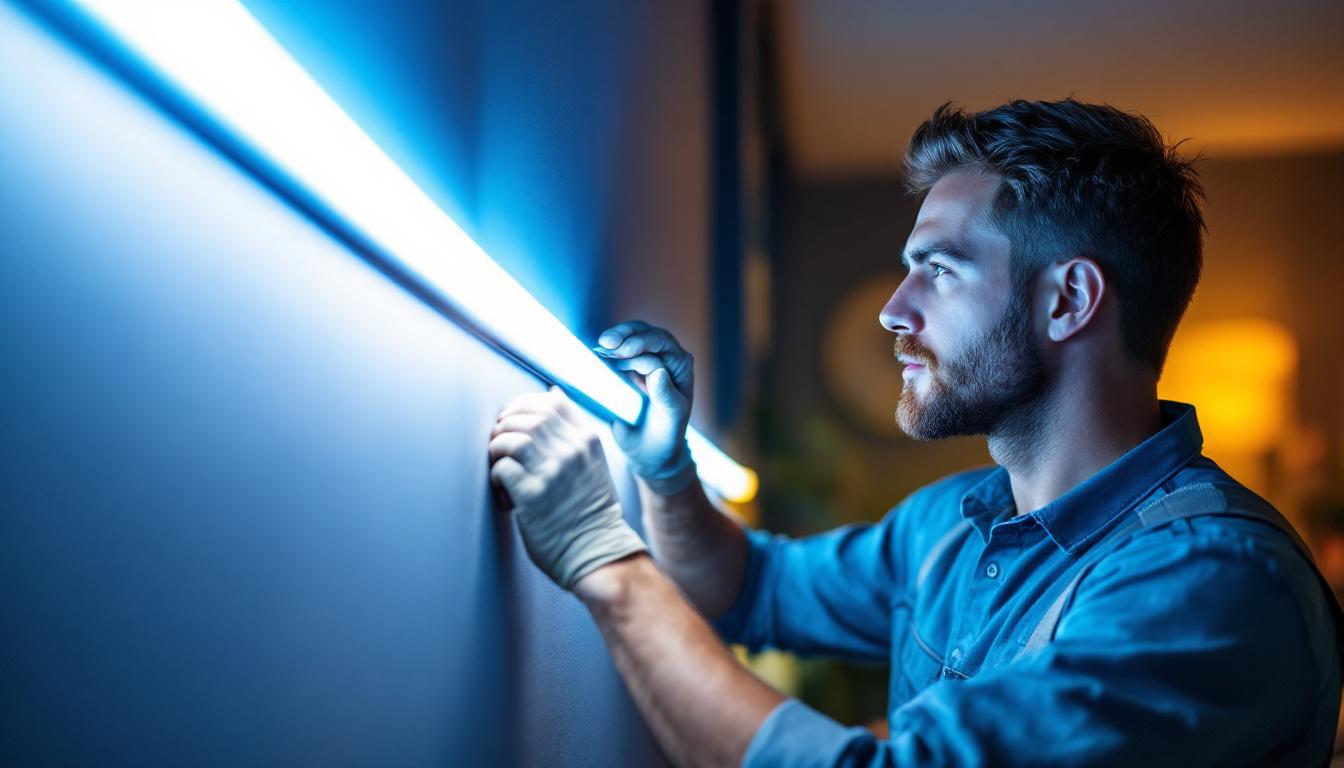
LED strip lights have revolutionized the lighting industry by offering versatile, energy-efficient, and aesthetically pleasing solutions. For lighting contractors, mastering the dimensions of LED strip lights is crucial to delivering flawless installations that meet client expectations and comply with industry standards.
Dimensions in LED strip lighting refer not only to the physical size of the strip but also to the spacing of LEDs, thickness, width, and length. These factors influence installation methods, brightness uniformity, heat dissipation, and overall performance. A comprehensive understanding of these parameters ensures contractors can select the right product for each project and execute installations that maximize both function and form.
Physical Size and Form Factor
LED strip lights typically come in widths ranging from 8mm to 20mm, with thickness varying based on the type of substrate and protective coating. The most common width is around 10mm, which balances flexibility with sufficient space for circuitry and LEDs. Narrower strips are ideal for tight spaces or intricate designs, while wider strips can accommodate higher LED densities and enhanced heat management features.
Length is another critical dimension; standard reels are usually 5 meters long, but custom lengths can be cut at designated points. Lighting contractors must measure installation areas accurately to minimize waste and avoid excessive splicing, which can compromise electrical continuity and aesthetics. Additionally, understanding the flexibility of the strip is essential, as some applications may require bending around corners or fitting into unusual spaces. This flexibility is often determined by the strip’s construction and the materials used, which can affect both the ease of installation and the longevity of the lighting solution.
LED Pitch and Density
The LED pitch, or the distance between individual LEDs on the strip, significantly impacts light output and uniformity. Common pitches range from 30 LEDs per meter to 120 LEDs per meter or more. Higher density strips produce smoother, more continuous light, ideal for accent lighting or applications requiring minimal shadowing.
However, increased LED density also raises power consumption and heat generation, necessitating careful consideration of power supplies and heat dissipation methods. Contractors should evaluate the lighting goals and environmental constraints to select the optimal LED pitch for each project. Furthermore, the choice of LED color temperature can also play a vital role in the overall effect of the lighting. Warmer tones may create a cozy ambiance, while cooler tones can enhance productivity in workspaces. Understanding the interplay between pitch, density, and color temperature allows contractors to create tailored lighting solutions that not only meet functional requirements but also enhance the aesthetic appeal of the spaces they illuminate.
Best Practices for Measuring and Installing LED Strip Lights
Accurate measurement and thoughtful installation are paramount to achieving professional results with LED strip lights. This section outlines best practices lighting contractors should adopt to ensure precision and longevity in their work.
Site Assessment and Measurement Techniques
Before selecting LED strip lights, contractors must conduct a thorough site assessment. This includes measuring the length of the installation area, checking for obstructions, and evaluating mounting surfaces. Using laser distance meters provides precise measurements, especially in complex or large spaces.
It is advisable to measure twice and plan for slight excess length to accommodate corners, connectors, and potential errors. Additionally, understanding the substrate material helps determine the appropriate mounting method, whether adhesive backing, clips, or channels. Factors such as the environment—indoor versus outdoor—and the intended use of the lighting, such as accent or task lighting, should also be considered during the planning phase. This foresight can help in selecting the right type of LED strip, ensuring that it meets both aesthetic and functional requirements.
Cutting and Connecting LED Strips
LED strips are designed with designated cutting points, usually marked by copper pads. Cutting outside these points can damage the circuitry and void warranties. Contractors should use sharp scissors or specialized cutting tools to ensure clean cuts.
Connecting multiple strips requires compatible connectors or soldering for secure electrical connections. It is essential to maintain polarity and use connectors rated for the strip’s voltage and current. Proper connections prevent flickering, voltage drops, and potential safety hazards. Additionally, using heat shrink tubing or electrical tape can provide extra insulation and protection against moisture, especially in areas prone to humidity or spills. This attention to detail not only enhances the durability of the installation but also contributes to a cleaner, more professional appearance.
Heat Management and Mounting Considerations
Heat dissipation is a critical factor affecting the lifespan and performance of LED strip lights. Installing strips on aluminum channels or heat sinks enhances thermal management, preventing overheating and color shift.
Mounting surfaces should be clean, dry, and smooth to ensure strong adhesion. For outdoor or humid environments, waterproof strips with appropriate IP ratings and protective housings are recommended. Lighting contractors must also consider ventilation and avoid enclosing strips in airtight spaces. Furthermore, the orientation of the strips can affect heat distribution; for instance, mounting strips vertically may allow heat to rise away from the LEDs, whereas horizontal mounting could trap heat. Understanding these nuances can significantly impact the overall efficiency and longevity of the lighting installation, ensuring that it remains both functional and visually appealing over time.
Advanced Dimension Considerations for Specialized Applications
Beyond standard installations, certain projects demand nuanced understanding of LED strip light dimensions and configurations. This section explores specialized scenarios where dimension considerations are pivotal.
Architectural and Cove Lighting
Architectural lighting often requires precise control over light distribution and concealment of the light source. Slim LED strips with narrow widths and low profiles are preferred for cove lighting to maintain clean lines and avoid visible glare.
In these applications, the dimension of the strip must align with the physical constraints of the cove or recess. Additionally, the LED pitch and color temperature uniformity are critical to achieving seamless illumination without hotspots or color inconsistencies. The choice of LED strip length is equally important; longer strips may necessitate additional support to prevent sagging, while shorter strips can be combined to create a custom length that fits the design precisely.
Outdoor and Landscape Lighting
Outdoor LED strip installations must account for environmental exposure, which influences dimension choices. Waterproof strips with robust encapsulation are thicker and less flexible but offer necessary protection against moisture and UV radiation.
Contractors should also consider the length limitations imposed by voltage drop over extended runs. Using wider strips with higher copper content can reduce resistance, enabling longer continuous runs without compromising brightness. Additionally, the choice of mounting hardware and the angle of installation can impact the effective illumination spread, making it crucial to evaluate how dimensions interact with the surrounding landscape elements, such as trees and structures, to achieve the desired ambient effect.
Commercial and Retail Displays
In commercial settings, LED strip dimensions affect both aesthetic appeal and functional lighting. High-density strips with narrow widths are ideal for illuminating product displays, signage, and architectural features.
Lighting contractors must balance strip dimensions with power supply capacity and control systems, especially when integrating dimming or color-changing features. Precise dimension planning facilitates seamless integration with digital controls and minimizes installation complexity. Furthermore, the arrangement of LED strips can be tailored to highlight specific products or areas, enhancing the shopping experience. For example, using varying widths and lengths can create visually striking patterns that draw customers’ attention, while ensuring that the lighting remains consistent and effective across different display sections.
Ensuring Compliance and Quality Assurance in LED Strip Installations
Adherence to industry standards and quality assurance protocols is essential for lighting contractors to deliver safe, reliable, and efficient LED strip light installations.
Standards and Certification Awareness
Contractors should verify that LED strips meet relevant certifications such as UL, CE, or RoHS, which ensure electrical safety, environmental compliance, and performance reliability. Dimensions often correlate with these certifications, as products must adhere to specific construction and material requirements.
Understanding and communicating these standards to clients enhances credibility and reduces liability risks. Furthermore, staying updated on changes to these standards is crucial, as regulations can evolve to address new technologies and safety concerns. By participating in industry seminars and workshops, contractors can gain insights into best practices and emerging trends, ensuring their installations remain compliant and competitive.
Testing and Troubleshooting Post-Installation
After installation, thorough testing of LED strip lights is vital to confirm uniform brightness, correct color temperature, and stable electrical connections. Contractors should use multimeters to check voltage and continuity, and light meters to assess luminance levels.
Identifying and addressing issues such as flickering, dim sections, or overheating early prevents costly callbacks and maintains client satisfaction. Additionally, documenting any troubleshooting steps taken can serve as a valuable reference for future projects. This practice not only helps in refining techniques but also builds a repository of knowledge that can be shared with team members, fostering a culture of continuous improvement and skill enhancement within the contracting team.
Documentation and Client Education
Providing clients with detailed documentation—including product specifications, installation diagrams, and maintenance guidelines—empowers them to care for their LED installations properly. Clear communication about the dimensions and limitations of the installed strips helps manage expectations and facilitates future upgrades or repairs.
Moreover, offering educational resources, such as video tutorials or workshops, can further enhance client understanding and engagement. By explaining the benefits of energy efficiency and longevity associated with LED technology, contractors can help clients appreciate their investment and encourage proper usage practices. This proactive approach not only strengthens client relationships but also positions contractors as trusted experts in the field, paving the way for potential referrals and repeat business in the future.
Conclusion: Mastering LED Strip Light Dimensions for Professional Excellence
For lighting contractors, a deep understanding of LED strip light dimensions is a cornerstone of professional expertise. From initial measurement and product selection to installation and post-installation testing, attention to dimension-related details ensures optimal performance, safety, and aesthetic appeal.
By adopting best practices and staying informed about advancements in LED technology and industry standards, contractors can deliver lighting solutions that not only illuminate spaces effectively but also elevate the client experience. Precision in dimension management ultimately translates into durability, efficiency, and design excellence in every project.
Illuminate with Confidence and Savings at LumenWholesale
Ready to elevate your lighting projects with the precision and expertise discussed in this guide? Look no further than LumenWholesale for all your LED strip light needs. Our commitment to quality and affordability ensures you have access to the best spec-grade lighting products at wholesale prices that simply can’t be beaten. Say goodbye to unnecessary markups and hello to a vast selection of reliable, high-performance lighting solutions. Plus, with free shipping on bulk orders, you can stock up on premium lighting without the worry of hidden fees. Make your next project shine with the perfect blend of quality, value, and convenience. Wholesale Lighting at the Best Value is just a click away.