Understanding Pushbutton Light Switches and Their Role in Modern Lighting
Pushbutton light switches are more than just simple on/off toggles. They serve as critical control points in lighting systems, especially in commercial and industrial settings. Unlike traditional rocker or toggle switches, pushbutton switches often interface with more complex control systems, such as relays, timers, or smart lighting networks.
For lighting contractors, recognizing the specific function and wiring requirements of pushbutton switches is essential. These switches typically send a momentary signal rather than maintaining a physical on or off position. This distinction affects installation methods, compliance considerations, and troubleshooting approaches.
Understanding the electrical characteristics and operational context of pushbutton switches can prevent costly errors, ensure safety, and optimize system performance. The right installation not only meets regulatory standards but also enhances user experience and system longevity.
Moreover, the versatility of pushbutton switches allows for a variety of configurations that can cater to diverse lighting needs. For instance, they can be programmed to control multiple lighting zones or to integrate with occupancy sensors, enabling automatic adjustments based on the presence of individuals in a space. This capability not only improves energy efficiency but also contributes to a more dynamic and responsive lighting environment, which is particularly beneficial in settings such as conference rooms, theaters, and retail spaces.
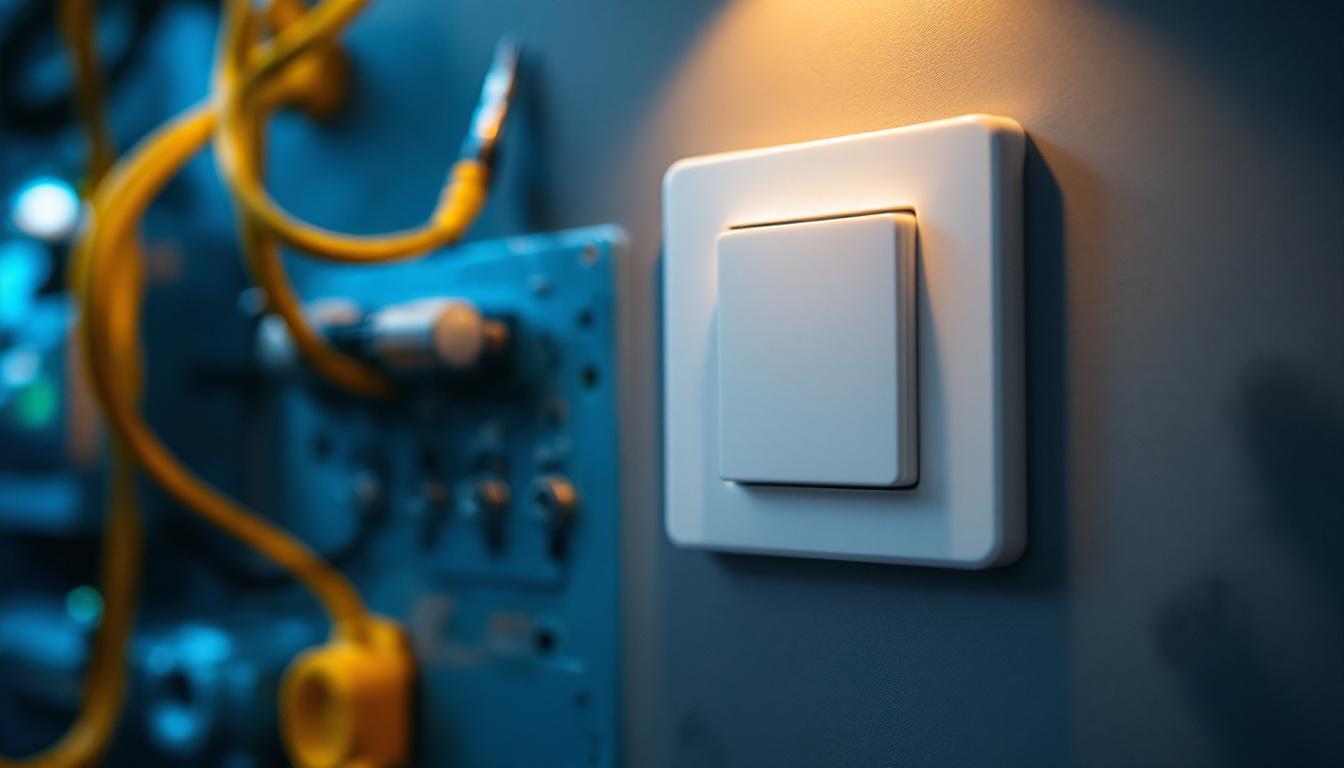
Additionally, the aesthetic appeal of pushbutton switches has evolved significantly, with many manufacturers offering sleek designs that complement modern interior styles. Available in various finishes and colors, these switches can enhance the overall decor while providing functional benefits. The integration of LED indicators and customizable button layouts further allows users to create a tailored experience, making it easier to manage complex lighting setups with just a simple push. As technology continues to advance, we can expect even more innovative features that will redefine how we interact with our lighting systems.
Compliance Requirements: Navigating Codes and Standards
National Electrical Code (NEC) and Pushbutton Switches
The National Electrical Code sets the foundation for electrical safety in the United States, directly impacting how pushbutton light switches are installed and maintained. Article 404 of the NEC covers switches, including pushbutton types, with emphasis on proper wiring, grounding, and enclosure requirements.
One critical aspect is ensuring that pushbutton switches are installed in accessible locations and that their wiring complies with conductor sizing and insulation standards. Lighting contractors must verify that switches controlling lighting circuits are rated correctly for the load and environment. Additionally, the NEC requires that any switch installation must consider the potential for environmental factors such as moisture or dust, which could affect the functionality and safety of the switch. This means that in areas prone to such conditions, contractors may need to opt for switches with higher ingress protection ratings to ensure durability and reliability over time.
Accessibility and ADA Compliance
Pushbutton switches often serve areas requiring accessible controls, such as public buildings or commercial spaces. The Americans with Disabilities Act (ADA) mandates that switches be operable with minimal force and placed within reachable height ranges. Contractors must select pushbutton switches that meet these operational criteria and install them accordingly.
Failing to meet ADA guidelines can lead to costly retrofits and legal complications. It’s not just about compliance; it’s about ensuring that lighting controls are usable by everyone, including individuals with disabilities. Furthermore, the design of pushbutton switches should also consider tactile feedback and visual indicators, which can significantly enhance usability for individuals with visual impairments. By incorporating features such as contrasting colors and raised symbols, contractors can create a more inclusive environment that serves the diverse needs of all users. This proactive approach not only aligns with legal requirements but also fosters a culture of accessibility and inclusivity in public and commercial spaces.
Technical Considerations for Lighting Contractors
Wiring and Installation Best Practices
Pushbutton switches typically operate on momentary contact principles, meaning they send a brief electrical pulse to a relay or control device. This requires a different wiring approach compared to standard toggle switches. Contractors must ensure that wiring connections are secure and that the switch’s voltage and current ratings match the control system.
Proper labeling and documentation during installation are also crucial. This helps with future maintenance and troubleshooting, especially in complex lighting control systems involving multiple pushbutton switches. Additionally, using color-coded wires can significantly reduce the chances of errors during installation and repair. It is also beneficial to create a detailed wiring diagram that outlines the connections made, which can serve as a valuable reference for anyone working on the system in the future.
Integration with Smart Lighting Systems
Modern lighting systems increasingly incorporate smart technology, where pushbutton switches can act as inputs for programmable lighting scenes or automation. Lighting contractors should be familiar with how these switches interface with control panels, occupancy sensors, and dimming modules.
Understanding communication protocols, such as DALI or Zigbee, and how pushbutton switches fit into these networks can enhance installation quality and system functionality. It also positions contractors to offer value-added services like system programming and optimization. Furthermore, as smart home technology continues to evolve, contractors should stay updated on the latest advancements in wireless communication and IoT integration. This knowledge not only improves the installation process but also allows contractors to educate clients on the benefits of smart lighting, such as energy efficiency and enhanced user control. By leveraging these technologies, contractors can create tailored lighting solutions that meet the unique needs of each space, ultimately leading to greater customer satisfaction and repeat business.
Safety and Quality Assurance
Ensuring Electrical Safety
Safety is paramount when working with any electrical device. Pushbutton switches must be installed following all safety guidelines to prevent hazards like short circuits, electrical shocks, or fire risks. This includes using switches with appropriate UL or ETL listings and ensuring that enclosures protect against dust, moisture, and mechanical damage. Additionally, it is crucial to ensure that the installation site is free from any potential hazards such as water leaks or exposed wiring, which could compromise the integrity of the electrical system.
Contractors should also test each switch after installation to confirm proper operation and adherence to safety standards. Using specialized testing equipment can help identify wiring faults or switch failures before the system goes live. Regular maintenance checks can further enhance safety, as they allow for the early detection of wear and tear or other issues that could lead to failures. Educating end-users about the importance of reporting any irregularities in switch performance can also play a vital role in maintaining a safe electrical environment.
Durability and Environmental Factors
Pushbutton switches in commercial or industrial environments often face harsh conditions—extreme temperatures, humidity, or heavy usage. Selecting switches with suitable IP ratings and robust construction materials is essential to maintain system reliability. For instance, switches designed for outdoor use should be able to withstand UV exposure and be resistant to corrosion, ensuring longevity and consistent performance in varying weather conditions.
Lighting contractors must assess the installation environment carefully and recommend switches designed to withstand those conditions. This foresight reduces maintenance costs and downtime, enhancing client satisfaction. Furthermore, understanding the specific operational demands—such as the frequency of use and the types of loads being controlled—can guide the selection process. By choosing switches that not only meet but exceed the environmental requirements, contractors can ensure that their installations remain functional and efficient over time, ultimately leading to a more sustainable and cost-effective solution for their clients.
Common Challenges and Solutions
Dealing with Wiring Confusion
One frequent issue contractors encounter is confusion over wiring schemes, especially when replacing older pushbutton switches or integrating new controls. Pushbutton switches may have multiple terminals for different functions, such as common, normally open, and normally closed contacts.
Consulting manufacturer wiring diagrams and using multimeters to verify connections can prevent mistakes. Clear communication with electricians and clients about switch functions also helps avoid misunderstandings. Additionally, it is beneficial to familiarize oneself with color coding standards, as wiring colors can vary significantly between manufacturers and regions. This knowledge can aid in quickly identifying the function of each wire, reducing the risk of errors during installation.
Moreover, using labeling systems for wires can streamline the process, especially in complex installations. By clearly marking each wire according to its function, contractors can save time and reduce confusion during troubleshooting or future upgrades. This proactive approach not only enhances efficiency but also fosters a safer working environment, as the risk of incorrect connections is minimized.
Addressing Compatibility Issues
Not all pushbutton switches are compatible with every lighting control system. Some may lack the necessary voltage rating or fail to interface properly with digital control modules. Contractors should verify compatibility before installation and consider sourcing switches from reputable manufacturers known for interoperability.
When upgrading existing systems, it’s wise to evaluate the entire control network to ensure new pushbutton switches will function seamlessly with existing components. This includes assessing the types of loads being controlled, as certain switches may not support specific load types like LED or fluorescent lighting without additional drivers or adapters.
Furthermore, it’s important to stay informed about the latest advancements in lighting technology. As smart home systems become more prevalent, understanding how pushbutton switches can integrate with smart controls and apps is crucial. Contractors may need to educate themselves on various protocols, such as Zigbee or Z-Wave, to ensure that new installations are future-proof and can adapt to evolving technology trends. This foresight not only enhances the functionality of the systems but also provides clients with a more versatile and user-friendly experience.
Training and Staying Updated
Lighting technology and compliance standards evolve continuously. Contractors who invest in ongoing training and stay updated with the latest codes and product innovations maintain a competitive edge. Attending manufacturer workshops, subscribing to industry publications, and participating in professional associations can provide valuable insights.
Knowledge about pushbutton light switches, including emerging trends like wireless controls and energy-efficient designs, enables contractors to advise clients effectively and deliver superior installations.
Conclusion: Mastering Pushbutton Light Switch Compliance
Pushbutton light switches may seem straightforward, but they carry complex implications for compliance, safety, and system integration. Lighting contractors who understand the nuances of these devices-from wiring and code requirements to environmental considerations-can ensure successful projects and satisfied clients.
By prioritizing compliance, embracing technology, and committing to quality workmanship, contractors can navigate the challenges of pushbutton light switch installations with confidence and professionalism.
Get Your Spec-Grade Pushbutton Switches at LumenWholesale
Ready to ensure your pushbutton light switch installations are up to code and meet the highest standards of quality and performance? Look no further than LumenWholesale for all your lighting needs. Our extensive selection of spec-grade lighting products is available at unbeatable wholesale prices, giving you the competitive edge in every project. With free shipping on bulk orders, you can stock up on reliable, high-performance lighting without the worry of hidden fees or inflated markups. Make the smart choice for your business and experience the best value in wholesale lighting with LumenWholesale today.