Lighting plays a critical role in enhancing the aesthetic and functional aspects of any space. Among various lighting fixtures, large round pendant lights have gained significant popularity due to their unique design and versatility. For lighting contractors, understanding the science behind these fixtures is essential for effective installation and to meet client expectations. This article delves into the intricacies of large round pendant lights, exploring their design, functionality, and the principles that govern their effectiveness.
Design Elements of Large Round Pendant Lights
Shape and Size Considerations
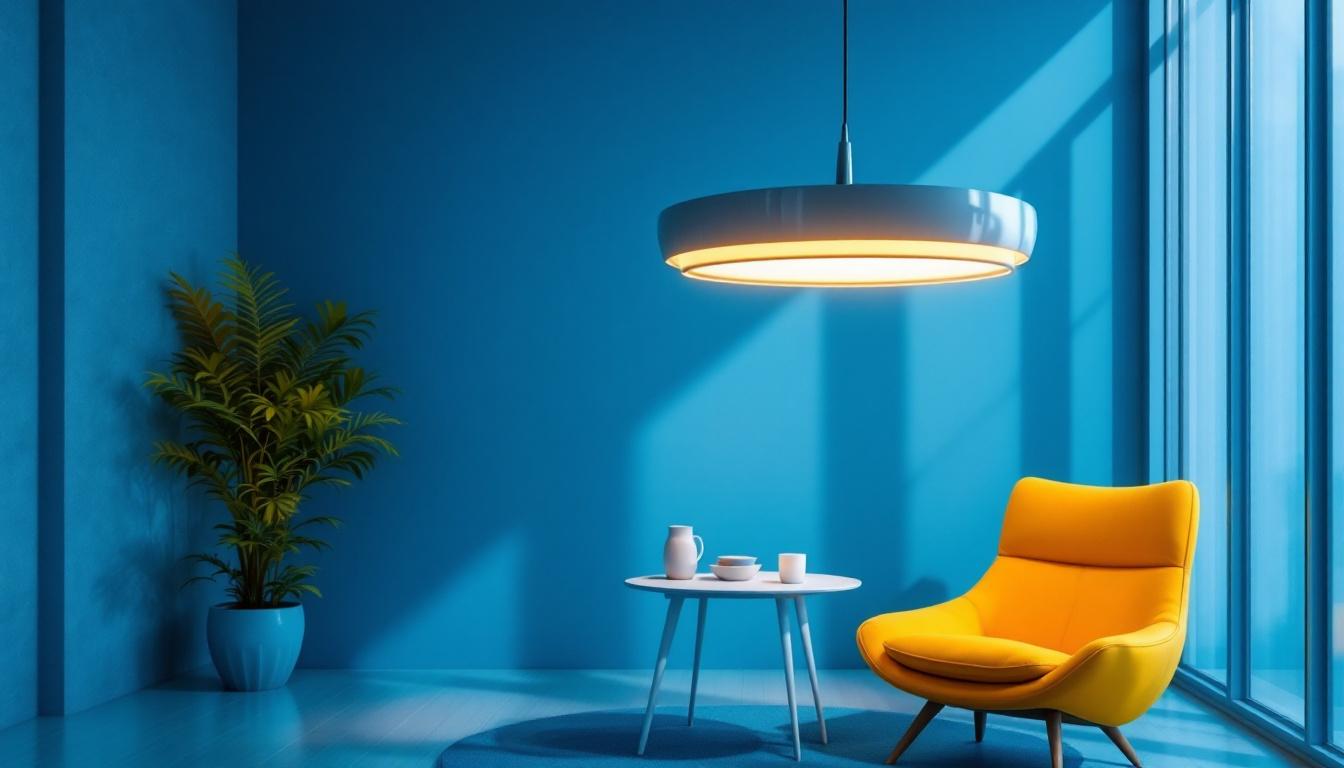
The round shape of pendant lights is not merely a design choice; it serves specific functional purposes. The circular form allows for even light distribution, minimizing shadows and enhancing visibility throughout a space. When selecting a large round pendant light, contractors must consider the dimensions of the fixture in relation to the room’s size. A fixture that is too small may fail to provide adequate illumination, while one that is too large can overwhelm the space.
Moreover, the height at which the pendant is hung is crucial. A general rule of thumb is to hang pendant lights approximately 30 to 36 inches above surfaces like dining tables or kitchen islands. This height ensures that the light is effective without obstructing views or creating a hazard. In open-concept spaces, the placement of multiple pendant lights can create a cohesive look while also providing layered lighting. This approach not only enhances the aesthetic appeal but also allows for flexibility in illumination, catering to different activities and moods throughout the day.
Material and Finish Choices
The materials used in large round pendant lights significantly impact their performance and aesthetic appeal. Common materials include metal, glass, and fabric, each offering unique benefits. Metal fixtures often provide durability and a modern look, while glass can create a more elegant and refined atmosphere. Fabric shades, on the other hand, can soften the light and add warmth to a space. The choice of material also plays a role in how the light interacts with the environment; for instance, frosted glass can diffuse light beautifully, creating a gentle glow that enhances the ambiance.
Additionally, the finish of the pendant light can enhance its compatibility with existing décor. For instance, a matte black finish may suit contemporary interiors, while a brushed brass finish can complement more traditional settings. Understanding these material characteristics enables contractors to recommend the best options for their clients. Furthermore, the trend of mixing materials is gaining popularity, allowing for a more eclectic and personalized design. Combining wood with metal or glass elements can create a striking contrast, adding depth and interest to the overall design scheme. This versatility in materials and finishes not only enhances the pendant light’s visual appeal but also allows it to serve as a statement piece that reflects the homeowner’s style and personality.
Lighting Technology and Efficiency
Types of Bulbs Used
When it comes to large round pendant lights, the choice of bulb is a critical factor that affects both energy efficiency and light quality. LED bulbs have become the preferred option due to their longevity and low energy consumption. Unlike traditional incandescent bulbs, LEDs produce less heat and have a longer lifespan, making them a cost-effective choice for both contractors and clients. Additionally, the technology behind LEDs allows for a variety of designs and shapes, enabling creative freedom in lighting design that complements any interior style.
Contractors should also consider the color temperature of the bulbs. Warmer tones (2700K to 3000K) create a cozy ambiance, suitable for residential spaces, while cooler tones (4000K to 5000K) are often preferred in commercial settings for a more vibrant and energetic atmosphere. Furthermore, some LED bulbs now offer adjustable color temperatures, allowing users to switch between warm and cool light depending on the time of day or specific activities, enhancing the versatility of the lighting solution.
Understanding Lumens and Watts
For lighting contractors, grasping the difference between lumens and watts is essential in selecting the right pendant light. Lumens measure the amount of light emitted by a bulb, while watts indicate the energy consumption. In the past, higher wattage often equated to brighter light; however, with the advent of energy-efficient bulbs, this is no longer the case. This shift has prompted a reevaluation of how lighting is approached in both residential and commercial projects, emphasizing the importance of quality over quantity.
When advising clients, contractors should focus on lumens to ensure the space is adequately lit. A large round pendant light should ideally produce between 800 to 1600 lumens, depending on the room’s size and intended use. This knowledge empowers contractors to make informed decisions that enhance client satisfaction. Additionally, understanding the concept of lumens per watt can further guide contractors in selecting the most efficient bulbs, ensuring that clients receive optimal lighting without unnecessary energy costs. As the demand for sustainable solutions grows, staying informed about advancements in lighting technology will be crucial for contractors aiming to meet modern expectations.
Placement and Installation Techniques
Strategic Placement for Maximum Impact
The placement of large round pendant lights can dramatically influence the overall ambiance of a space. For dining areas, centering the pendant above the table creates a focal point, while in living rooms, multiple pendants can be used to define different areas. Understanding the layout of the room is vital for effective placement.
In open-concept spaces, contractors might consider using a series of pendant lights at varying heights to create visual interest and depth. This technique not only enhances the aesthetic but also provides layered lighting, which is essential for functionality. For instance, placing a larger pendant at a higher elevation can cast a warm glow over a seating area, while smaller pendants hung lower can provide targeted lighting for tasks like reading or dining. This thoughtful arrangement encourages a harmonious flow throughout the space, making it inviting and comfortable for both residents and guests.
Installation Best Practices
Proper installation of large round pendant lights is crucial for safety and performance. Contractors should ensure that the electrical connections are secure and that the fixture is level. Additionally, the weight of the pendant must be taken into account; heavier fixtures may require additional support or reinforcement in the ceiling.
Utilizing adjustable mounting systems can also facilitate easier installation and allow for future adjustments if the client wishes to change the height of the pendant. This flexibility is an attractive feature for many homeowners, making it an essential consideration during the installation process. Furthermore, it is advisable to consider the type of bulbs being used; LED options not only provide energy efficiency but also come in a variety of color temperatures, allowing homeowners to customize the mood of their space. By selecting the right bulbs, the overall effect of the pendant lights can be enhanced, creating a warm and inviting atmosphere that complements the interior design.
Lighting Design Trends and Innovations
Current Trends in Pendant Lighting
Staying informed about the latest trends in pendant lighting can give contractors a competitive edge. Large round pendant lights are increasingly being designed with unique features such as integrated smart technology, allowing for remote control and customization of light settings. This innovation appeals to tech-savvy clients seeking convenience and efficiency.
Another trend is the use of mixed materials, where glass is combined with metal or wood for a more eclectic look. This approach allows for personalization and can help clients express their individual style through lighting choices.
Energy Efficiency and Sustainability
As sustainability becomes a priority for many homeowners, the demand for energy-efficient lighting solutions is on the rise. Large round pendant lights that utilize LED technology not only reduce energy consumption but also contribute to a smaller carbon footprint. Contractors should be prepared to educate clients on the long-term benefits of choosing energy-efficient fixtures.
Additionally, incorporating dimming capabilities can further enhance energy savings. By allowing clients to adjust the brightness according to their needs, contractors can help them maximize the efficiency of their lighting systems.
Client Consultation and Customization
Understanding Client Needs
Effective communication with clients is crucial for successful lighting projects. Contractors should begin consultations by asking questions about the client’s vision, preferences, and functional needs. Understanding the intended use of the space will guide the selection of the appropriate large round pendant light.
For instance, a client may desire a fixture that serves as both a statement piece and a source of task lighting. By actively listening and engaging in dialogue, contractors can tailor their recommendations to align with the client’s expectations.
Customization Options
Many manufacturers offer customization options for large round pendant lights, allowing contractors to provide clients with unique solutions. This can include variations in size, color, and material finishes. Offering customization not only enhances the aesthetic appeal but also ensures that the lighting fixture fits seamlessly into the overall design of the space.
Contractors should familiarize themselves with available customization options to better serve their clients. This knowledge can lead to increased client satisfaction and potentially more referrals for future projects.
Conclusion: The Importance of Knowledge in Lighting Design
For lighting contractors, a deep understanding of large round pendant lights is essential in delivering quality service and meeting client expectations. From design elements and lighting technology to installation techniques and current trends, each aspect plays a vital role in the overall effectiveness of the lighting solution.
By staying informed and continuously educating themselves on the science behind lighting, contractors can enhance their expertise and provide clients with exceptional results. Ultimately, the goal is to create spaces that are not only well-lit but also reflect the unique style and needs of the homeowners.
Illuminate Your Projects with LumenWholesale
Ready to elevate your lighting projects with the finest large round pendant lights on the market? Look no further than LumenWholesale, where we provide lighting contractors with exceptional, spec-grade lighting products at unbeatable wholesale prices. Our commitment to quality and affordability ensures that you can deliver outstanding results to your clients while maintaining your budget. Say goodbye to middleman markups and hello to a vast selection of reliable lighting solutions that meet the highest industry standards. Plus, enjoy the convenience of free shipping on bulk orders, making your purchases even more cost-effective. Don’t compromise on quality or value—choose LumenWholesale for your lighting needs and make every space shine. Discover our premium lighting options at the best value by visiting Wholesale Lighting at the Best Value.