Why Led Strip Accessories Matter More Than You Think
When installing LED strip lighting, the strips themselves often get all the attention. However, the accessories that accompany these strips play a crucial role in the overall success of a lighting project. These components ensure that the installation is not only functional but also durable, aesthetically pleasing, and easy to maintain.
For lighting contractors, overlooking these accessories can lead to complications such as uneven lighting, premature failure, or a messy installation that detracts from the client’s space. Accessories like connectors, power supplies, mounting channels, and controllers are not just add-ons—they are essential building blocks that complete the system.
Understanding the right accessories to use—and how to integrate them seamlessly—can elevate a project from good to exceptional. This article delves into the key accessories every contractor should consider, why they matter, and how to select the best options for different applications.
One of the most critical accessories is the power supply, which ensures that your LED strips receive the correct voltage and current. Choosing the right power supply is essential; an inadequate one can lead to flickering lights or even damage to the LED strips. Additionally, using a power supply that has a higher wattage than required can provide a safety buffer, prolonging the lifespan of your lighting system. It’s also worth noting that the placement of the power supply can affect the overall look of the installation, so selecting a discreet yet accessible location is key to maintaining aesthetics while ensuring functionality.
Another important accessory is the mounting channel, which not only provides a clean and professional finish but also helps in heat dissipation. LED strips can generate heat, and without proper ventilation, they may degrade faster than expected. Mounting channels can also enhance the visual appeal by diffusing light more evenly, reducing hotspots, and creating a softer glow that enhances the ambiance of any space. Furthermore, they can be customized to fit various design themes, making them a versatile choice for both residential and commercial projects. Understanding the full range of options available for these accessories can transform a basic installation into a stunning display of light and design.
Connectors and Wiring: Ensuring Seamless Continuity
Types of Connectors and Their Uses
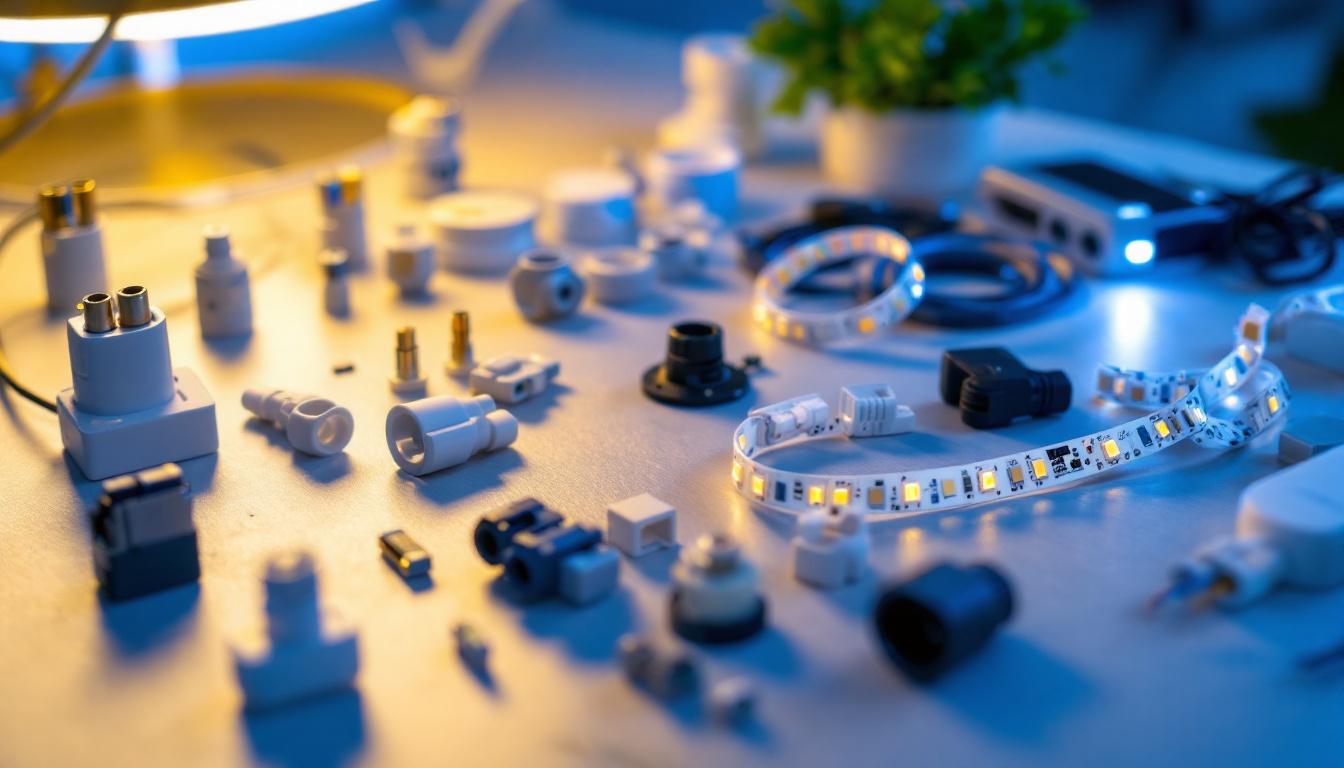
LED strips rarely come in lengths that perfectly fit every project. This is where connectors become indispensable. They allow contractors to join multiple strips, navigate corners, or create custom shapes without soldering. Common types include clip-on connectors, solderless connectors, and flexible corner connectors.
Clip-on connectors are popular for their ease of use and speed. They snap onto the strip’s copper pads, providing a secure electrical connection. However, they are best suited for straight runs or gentle angles. Flexible corner connectors help when the strip needs to turn 90 degrees, maintaining continuity without damaging the strip. In addition to these, there are also extension connectors that can bridge longer distances between strips, making them ideal for larger installations where flexibility in layout is necessary. These connectors can often accommodate various widths and types of LED strips, ensuring versatility in design.
Wiring Considerations for Power and Signal
Proper wiring ensures that the LED strips receive consistent voltage and signal quality. Undersized wires or poor connections can lead to voltage drops, causing dim or flickering lights. Contractors should use wiring gauges appropriate for the total current load and distance from the power source.
Additionally, when working with RGB or addressable LED strips, signal wires must be carefully managed to prevent interference. Using shielded cables or twisted pairs can help maintain signal integrity over longer runs. It’s also essential to consider the layout of the installation; for example, keeping power and signal wires separated can minimize the risk of crosstalk. Furthermore, implementing a systematic approach to wiring, such as color-coding or labeling, can significantly streamline troubleshooting and maintenance, ensuring that any future adjustments or repairs can be executed swiftly and efficiently. Understanding the specific requirements of each LED type and application can lead to a more robust and reliable lighting solution, enhancing both functionality and aesthetic appeal in any project.
Power Supplies and Drivers: The Heart of Your LED System
Selecting the Right Power Supply
Choosing an appropriate power supply is critical for the longevity and performance of LED strip lighting. Undersized power supplies can overheat and fail, while oversized ones may waste energy and increase costs. A good rule of thumb is to select a power supply rated for at least 20% more wattage than the total load of the LED strips.
Power supplies come in various forms, including constant voltage and constant current types. Most LED strips operate on constant voltage (12V or 24V), so matching the power supply to the strip’s specifications is essential. Contractors should also consider the environment; for example, waterproof power supplies are necessary for outdoor or damp locations. Additionally, it’s important to factor in the distance between the power supply and the LED strips, as voltage drop can occur over longer runs. Using thicker gauge wire can help mitigate this issue, ensuring that the LEDs receive the correct voltage and brightness throughout the installation.
Drivers for Specialized LED Strips
Some LED strips, especially high-power or addressable types, require specialized drivers to regulate current precisely. These drivers protect the LEDs from fluctuations that can cause flicker or damage. When working with such strips, investing in quality drivers that match the electrical requirements is non-negotiable. Furthermore, many advanced drivers come with features such as dimming capabilities and programmable settings, allowing for greater control over lighting effects and energy consumption. This level of customization can enhance the aesthetic appeal of a space, making it easier to create dynamic lighting scenes that adjust to different moods or activities.
In addition to performance, the selection of drivers can also impact the overall efficiency of the LED system. High-quality drivers often utilize advanced technology to minimize energy loss during conversion, which not only saves on electricity bills but also reduces heat generation, further prolonging the lifespan of both the driver and the LED strips. It’s advisable to consult with manufacturers or experts to ensure compatibility and optimal performance, especially when integrating multiple types of LED strips or when designing complex lighting systems that require synchronization across various zones.
Mounting Accessories: Clean, Secure, and Professional Installations
Aluminum Channels and Diffusers
One of the most overlooked accessories is the aluminum mounting channel. These channels serve multiple purposes: they provide a sturdy base for the LED strip, protect the strip from dust and physical damage, and improve heat dissipation, which extends the lifespan of the LEDs.
Diffusers, which fit into these channels, soften the light output and eliminate hotspots. This results in a more uniform glow that enhances the aesthetic appeal. Different diffuser profiles-frosted, clear, or opal-allow contractors to tailor the lighting effect to the client’s preferences.
Adhesives, Clips, and Mounting Brackets
While many LED strips come with adhesive backing, this alone may not provide a secure or long-lasting hold, especially on textured or uneven surfaces. Supplementing with mounting clips or brackets ensures the strips stay firmly in place over time.
For challenging installations, such as ceilings or outdoor areas, mechanical fasteners provide peace of mind and prevent sagging or detachment. Selecting the right mounting hardware based on the surface and environmental conditions is key to a professional finish.
Controllers and Dimmers: Adding Flexibility and Control
Basic Controllers for Color and Brightness
Controllers are essential for RGB or RGBW LED strips, allowing users to change colors, adjust brightness, and create dynamic lighting scenes. Simple remote-controlled units are cost-effective and easy to install, making them suitable for many residential and commercial projects.
For contractors, understanding the difference between single-channel dimmers and multi-channel controllers helps in recommending the right product. Single-channel dimmers adjust brightness on white or single-color strips, while multi-channel controllers manage color mixing and effects.
Smart Controllers and Integration
Smart lighting is rapidly becoming the standard in modern installations. Controllers that integrate with Wi-Fi, Zigbee, or other smart home systems offer clients convenience and advanced features like scheduling, voice control, and scene presets.
For commercial projects, integration with building management systems can optimize energy use and enhance ambiance. Lighting contractors should be familiar with these technologies to meet client expectations and future-proof their installations.
Additional Accessories: Finishing Touches That Make a Difference
End Caps and Waterproofing
End caps seal the ends of LED strips and channels, protecting against dust, moisture, and mechanical damage. This is especially important in outdoor or kitchen environments where exposure to elements is a concern.
Waterproofing accessories, including silicone coatings and specialized connectors, ensure that LED strips maintain their IP rating and continue functioning reliably in wet conditions.
Extension Cables and Splitters
Extension cables allow LED strips to be placed farther from power supplies or controllers without compromising performance. Splitters enable multiple strips to be powered or controlled from a single source, simplifying wiring and reducing clutter.
Choosing high-quality cables and connectors minimizes voltage drop and signal loss, which can otherwise degrade lighting quality.
Conclusion: Accessories Are Not Optional Extras
For lighting contractors, LED strip accessories are the difference between a rushed, problematic installation and a polished, reliable lighting solution. Each accessory-from connectors to controllers-plays a specific role in ensuring the system works as intended and lasts over time.
Investing time in selecting the right accessories and understanding their functions pays off in fewer callbacks, higher client satisfaction, and a reputation for quality work. The next time a project calls for LED strip lighting, remember that the strips are just one piece of the puzzle. The accessories complete the picture.
Complete Your Lighting Projects with LumenWholesale
Don’t let the lack of the right accessories compromise your lighting installations. At LumenWholesale, we provide you with the highest quality LED strip accessories to ensure your projects shine with reliability and excellence. Our spec-grade products come at unbeatable wholesale prices, giving you the competitive edge you need. Say goodbye to middleman markups and hello to hassle-free bulk purchases with free shipping. Elevate your lighting game with the perfect blend of quality, affordability, and convenience. Discover our extensive selection and take advantage of the best value in wholesale lighting by visiting LumenWholesale today.