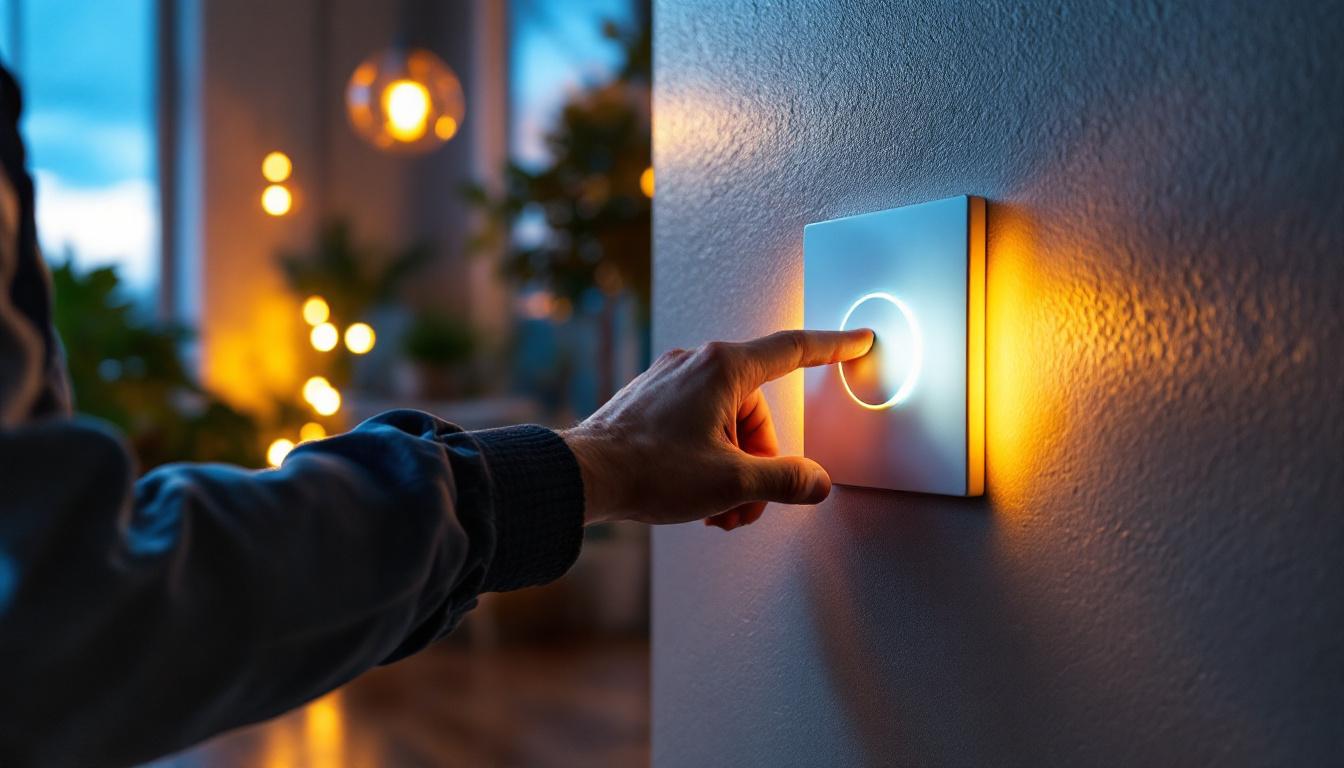
Understanding LED Dimming: A Crucial Factor for Lighting Contractors
In the evolving landscape of lighting technology, LED lights have become the standard for energy efficiency, longevity, and design flexibility. However, one aspect that often challenges lighting contractors is selecting the right dimmer for LED installations. Unlike traditional incandescent bulbs, LEDs require compatible dimmers to function correctly without flickering, buzzing, or premature failure. This compatibility directly impacts not only the quality of the lighting installation but also the contractor’s reputation and profitability.
LED dimming technology has advanced significantly, but the market still presents a wide variety of dimmers with varying degrees of compatibility and performance. For contractors, understanding these nuances is essential to avoid costly callbacks, warranty claims, and dissatisfied clients. Moreover, the right dimmer choice can enhance the perceived value of the installation, opening doors to premium projects and repeat business.
One of the key considerations for contractors is the distinction between leading-edge and trailing-edge dimmers. Leading-edge dimmers, often used with incandescent and halogen bulbs, can struggle with the lower wattage of LED lights, leading to flickering or limited dimming range. On the other hand, trailing-edge dimmers are designed to work more effectively with LEDs, providing smoother dimming capabilities and better overall performance. Understanding these differences can empower contractors to make informed decisions that not only meet client expectations but also optimize the functionality of the lighting system.
Additionally, the rise of smart home technology has introduced a new layer of complexity to LED dimming. Many homeowners are now seeking integrated lighting solutions that can be controlled via smartphone apps or voice commands. This trend necessitates that contractors stay updated on the latest smart dimmer options, which often come with features like customizable lighting scenes and energy monitoring. By embracing these advancements, contractors can position themselves as forward-thinking professionals who can cater to the modern homeowner’s needs, thereby enhancing their marketability and service offerings in a competitive industry.
Why LED Dimming Compatibility Matters for Contractors
Technical Challenges with LED Dimming
LEDs operate on low voltage DC power, whereas traditional dimmers were designed for high voltage AC loads typical of incandescent bulbs. This fundamental difference means that many older or generic dimmers are incompatible with LEDs, causing issues like flickering, limited dimming range, or humming noises. For contractors, these problems translate into increased service calls and damaged client trust.
Furthermore, LEDs often have integrated drivers that control current flow, and not all dimmers can communicate effectively with these drivers. Selecting a dimmer that matches the LED driver’s specifications ensures smooth dimming performance and prolongs the lifespan of the lighting system. In addition, the variety of LED products available on the market—ranging from color-changing bulbs to smart LED fixtures—adds another layer of complexity. Each type may have specific requirements for dimming compatibility, making it crucial for contractors to stay informed about the latest technologies and standards in LED lighting.
Impact on Installation Efficiency and Cost
Choosing the right dimmer upfront can reduce installation time by minimizing troubleshooting and adjustments on-site. Contractors who invest time in researching and sourcing compatible dimmers avoid the pitfalls of incompatible hardware, which often leads to delays and increased labor costs. Additionally, high-quality dimmers tend to have longer lifespans and better reliability, reducing maintenance costs over time. The initial investment in compatible dimmers can lead to significant savings, as fewer replacements and repairs are needed, allowing contractors to focus on expanding their business rather than dealing with recurring issues.
Moreover, the ability to offer clients a seamless dimming experience enhances the overall value of the installation. Homeowners increasingly seek energy-efficient solutions that not only save on electricity bills but also provide customizable lighting atmospheres. By ensuring that dimmers are compatible with LED fixtures, contractors can deliver a high-quality product that meets client expectations, leading to positive referrals and repeat business. This proactive approach not only strengthens client relationships but also positions contractors as knowledgeable professionals in an evolving market.
Top Features to Look for in LED Dimmers
Compatibility and Load Range
One of the most critical features is ensuring that the dimmer supports the specific wattage and type of LED fixtures being installed. Many dimmers specify a minimum and maximum load range, and failing to match this can lead to poor dimming performance or damage. Contractors should always verify the dimmer’s compatibility with the LED manufacturer’s recommendations. It’s also important to consider the total wattage of all connected fixtures; exceeding the dimmer’s rated capacity can result in overheating or failure. Additionally, some dimmers are designed to work with a wider range of load types, including incandescent, halogen, and even CFLs, making them more versatile for mixed lighting environments.
Type of Dimming Technology
There are primarily two types of dimming technologies used with LEDs: leading-edge (forward phase) and trailing-edge (reverse phase). Trailing-edge dimmers are generally preferred for LED lighting because they provide smoother dimming, less noise, and better compatibility with electronic drivers. Leading-edge dimmers, while cheaper, may cause buzzing or flickering when paired with LEDs. Furthermore, trailing-edge dimmers often feature more advanced circuitry, which can enhance the lifespan of both the dimmer and the LED bulbs. As energy efficiency becomes increasingly important, understanding the nuances between these technologies can help contractors recommend the best solutions for their clients’ specific needs.
Additional Features
Modern dimmers often include features such as programmable dimming curves, remote control capability, and smart home integration. These features can add value to the installation and appeal to tech-savvy clients. For contractors, offering advanced dimmer options can differentiate their services and justify premium pricing. Moreover, some dimmers come equipped with customizable settings that allow users to save their preferred lighting levels for different activities, such as movie nights or dinner parties. This not only enhances user experience but also promotes energy conservation by allowing homeowners to set their lights to optimal levels without the need for constant adjustment. As the market evolves, the integration of dimmers with home automation systems is becoming increasingly common, providing users with the convenience of controlling their lighting through smartphones or voice-activated devices, further enhancing the appeal of modern LED dimming solutions.
How the Right Dimmer Choice Influences Contractors’ Bottom Line
Reducing Callbacks and Warranty Claims
One of the most significant impacts on a contractor’s bottom line is the reduction of callbacks due to dimmer-related issues. According to industry reports, callbacks for lighting problems can cost contractors hundreds to thousands of dollars per incident when factoring in labor, parts, and lost reputation. By selecting dimmers that are rigorously tested and compatible with the installed LEDs, contractors minimize these costly service calls.
Enhancing Client Satisfaction and Referrals
Clients expect seamless, high-quality lighting solutions. When dimmers perform flawlessly, clients are more likely to provide positive reviews and referrals. This word-of-mouth marketing is invaluable for contractors looking to expand their business without increasing marketing expenses. Satisfied clients also tend to invest in additional lighting upgrades, creating upselling opportunities.
Optimizing Inventory and Procurement Costs
Standardizing on a select range of high-quality LED dimmers can streamline inventory management and reduce procurement costs. Contractors who build strong relationships with reliable suppliers often benefit from volume discounts and priority support. This strategic sourcing approach not only cuts costs but also ensures timely availability of components for projects.
Case Studies: Successful Integration of LED Dimmers in Commercial Projects
Office Space Retrofit with Trailing-Edge Dimmers
A lighting contractor working on a large office retrofit project opted for trailing-edge dimmers compatible with the LED fixtures specified by the client. The result was a smooth dimming experience with zero callbacks over the course of the project. The contractor reported a 15% reduction in labor hours compared to previous projects due to fewer troubleshooting requirements, directly improving profit margins.
Hospitality Venue Using Smart LED Dimmers
In a high-end restaurant installation, the contractor integrated smart LED dimmers that allowed remote control and preset lighting scenes. This added value impressed the client and resulted in a lucrative maintenance contract for the contractor. The ability to offer advanced dimming solutions positioned the contractor as a leader in innovative lighting solutions within the hospitality sector.
Best Practices for Lighting Contractors When Selecting LED Dimmers
Conduct Thorough Compatibility Testing
Before finalizing dimmer choices, contractors should test dimmers with the actual LED fixtures in a controlled environment. This step helps identify any flickering, noise, or dimming range issues early, preventing costly on-site problems.
Stay Updated on Industry Standards and Innovations
LED technology and dimming solutions continue to evolve. Contractors should stay informed through manufacturer training, industry publications, and trade shows. Keeping abreast of the latest developments ensures that contractors can offer the best solutions to their clients.
Educate Clients on the Benefits of Quality Dimmers
Clients may initially resist higher costs for premium dimmers. Contractors who can clearly explain the long-term benefits—such as energy savings, enhanced ambiance, and reduced maintenance—are more likely to secure approval for quality components.
Conclusion: Investing in the Right LED Dimmer is a Smart Business Decision
For lighting contractors, the choice of LED dimmers is more than a technical detail—it is a strategic business decision that affects installation quality, client satisfaction, and profitability. By prioritizing compatibility, leveraging advanced features, and adopting best practices, contractors can reduce costly callbacks, enhance their reputation, and unlock new revenue streams.
In a competitive market, those who master the nuances of LED dimming technology position themselves as trusted experts and preferred partners for clients seeking cutting-edge lighting solutions. Ultimately, investing in the best dimmer for LED lights pays dividends not only in project success but also in the long-term growth and sustainability of a lighting contracting business.
Illuminate Your Projects with LumenWholesale
Ready to elevate your lighting installations and enhance your bottom line? At LumenWholesale, we offer an extensive selection of top-quality, spec-grade LED dimmers that are sure to meet the demands of any project. With unbeatable wholesale prices and the convenience of free shipping, you can access the best lighting products without the burden of inflated markups. Make the smart business choice and choose LumenWholesale for reliable, high-performance lighting solutions that promise quality, affordability, and convenience. Discover the value we bring to your projects by visiting Wholesale Lighting at the Best Value today.