Introduction to Cove LED Lighting
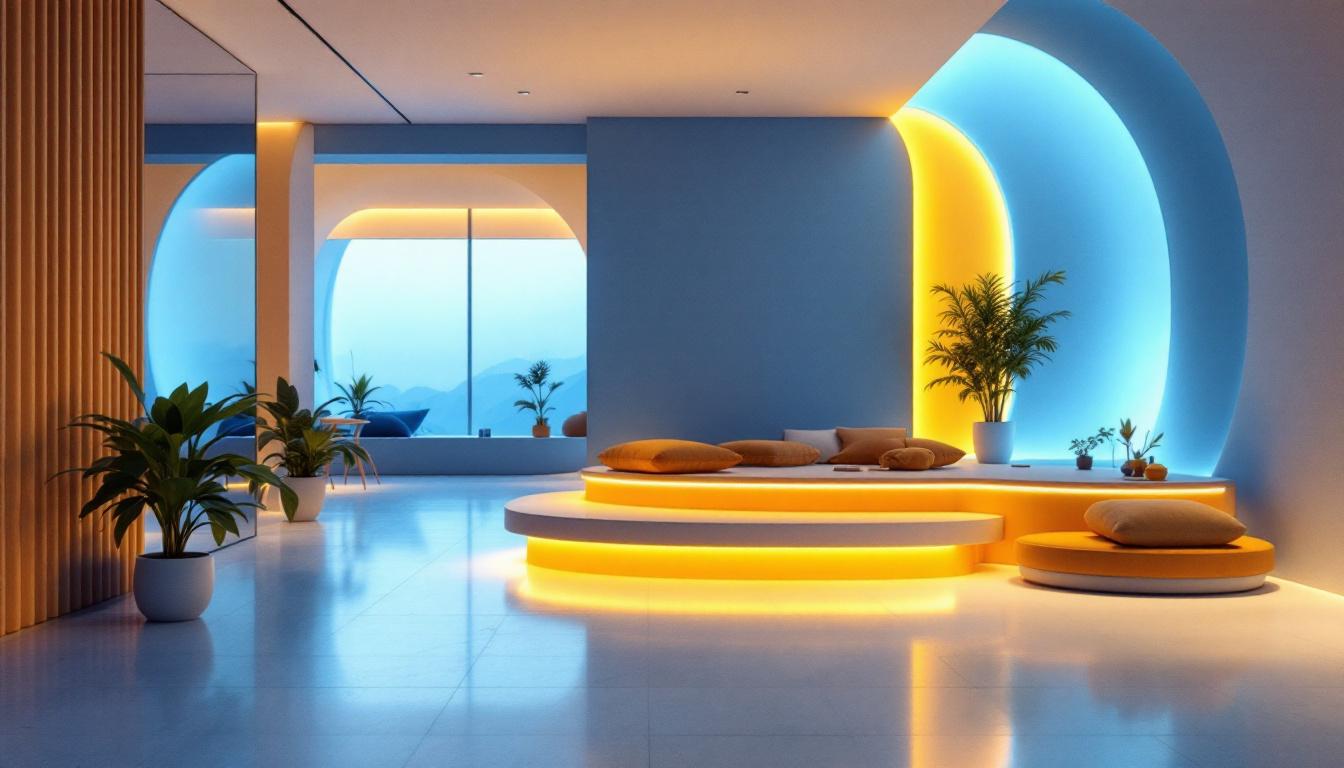
Cove LED lighting has become a staple in modern architectural and interior design, offering a sleek, indirect illumination method that enhances ambiance and highlights architectural features. For lighting contractors, understanding the nuances of cove LED lighting is essential to delivering high-quality installations that meet client expectations and comply with industry standards.
Unlike traditional lighting fixtures that emit direct light, cove lighting is installed in recessed areas, typically near ceilings or high on walls, to cast light upwards or downwards, creating a soft, diffused glow. This technique not only adds aesthetic value but also improves spatial perception and mood within a space.
One of the key advantages of cove LED lighting is its versatility. It can be used in various settings, from residential homes to commercial spaces, and can be tailored to fit different design themes. For instance, in a contemporary living room, cove lighting can be used to create a warm and inviting atmosphere, while in a corporate office, it can provide a clean and professional look. Additionally, the ability to control the intensity and color of LED lights allows designers to customize the lighting to suit specific activities or times of day, enhancing functionality and comfort.
Moreover, the energy efficiency of LED technology is a significant factor driving the popularity of cove lighting. LEDs consume considerably less power than traditional incandescent or fluorescent bulbs, resulting in lower energy bills and a reduced carbon footprint. This eco-friendly aspect aligns with the growing trend towards sustainable design practices, making cove LED lighting an attractive option for environmentally conscious clients. As lighting technology continues to evolve, the integration of smart controls and automation further enhances the appeal of cove lighting, allowing users to adjust settings with ease and create dynamic lighting scenarios that adapt to their needs.
Benefits of Cove LED Lighting
Energy Efficiency and Longevity
One of the primary advantages of LED technology in cove lighting is its energy efficiency. LEDs consume significantly less power compared to incandescent or fluorescent bulbs, which translates into lower operating costs for clients. Additionally, LEDs have a longer lifespan, often exceeding 50,000 hours, reducing maintenance frequency and associated labor costs.
For contractors, this means fewer callbacks and increased client satisfaction, as well as opportunities to promote sustainable lighting solutions that align with green building certifications such as LEED. The reduced energy consumption not only benefits the client’s wallet but also contributes to a smaller carbon footprint, making it a responsible choice for environmentally conscious consumers. As more individuals and businesses strive to reduce their environmental impact, the demand for energy-efficient lighting solutions like cove LEDs continues to grow, positioning contractors at the forefront of this trend.
Design Flexibility and Aesthetic Appeal
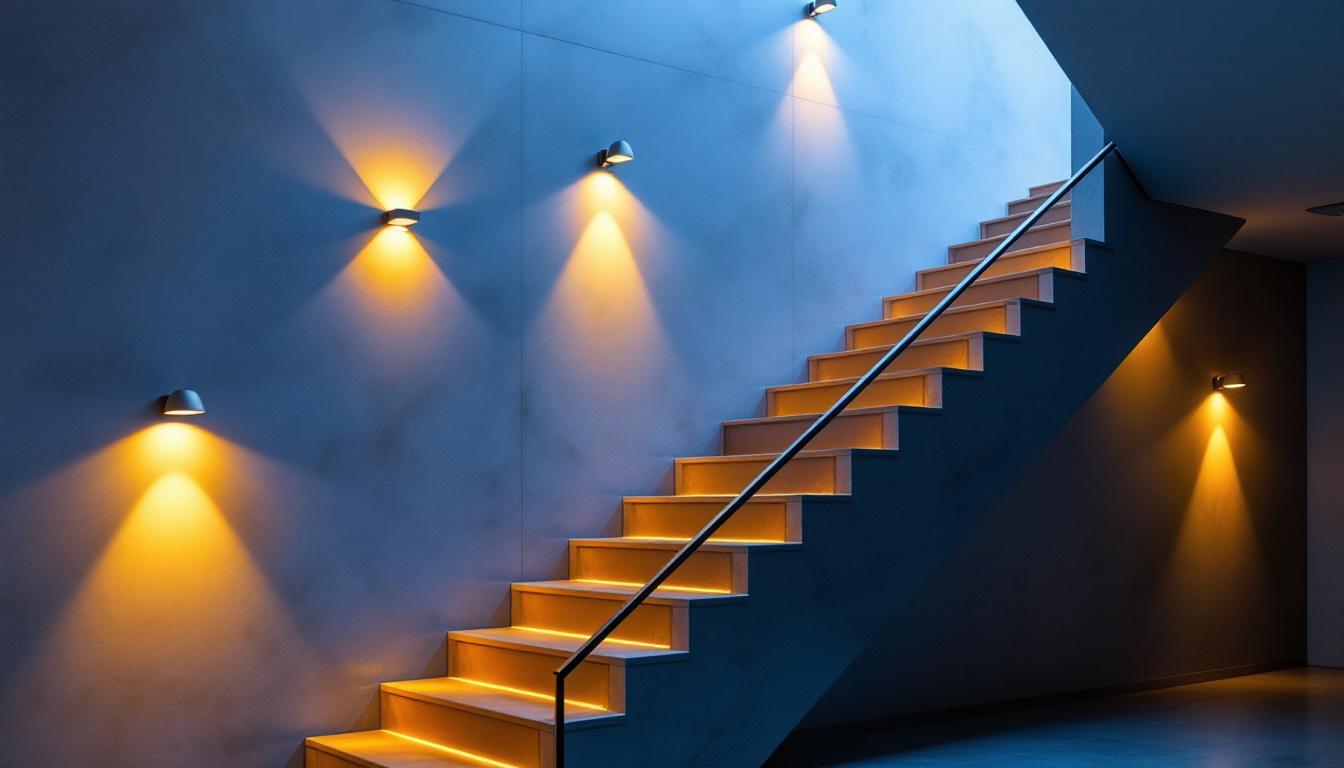
Cove LED lighting offers unparalleled design flexibility. LEDs come in various color temperatures, from warm white to cool white, and even RGB options, allowing for dynamic lighting schemes that can be tailored to the specific mood or function of a space. This versatility enables contractors to collaborate effectively with designers and architects to achieve the desired visual impact.
Moreover, the slim profile of LED strips and modules allows for installation in tight or unconventional spaces, making cove lighting an ideal choice for both residential and commercial projects. The ability to create layers of light enhances architectural features and can transform a mundane area into a stunning focal point. For instance, in a restaurant, cove lighting can be used to create an intimate atmosphere, while in a retail environment, it can highlight merchandise and draw customers’ attention. This adaptability not only enhances the aesthetic appeal of a space but also allows for innovative solutions that meet the unique demands of each project.
Improved Light Quality and Comfort
Because cove lighting directs light indirectly, it reduces glare and harsh shadows, contributing to a more comfortable environment. This is particularly important in settings such as offices, hospitality venues, and healthcare facilities, where visual comfort can enhance productivity and well-being.
High-quality LEDs also offer excellent color rendering indexes (CRI), ensuring that colors appear natural and vibrant under the light, a critical factor in retail and art gallery applications. Furthermore, the ability to adjust the intensity and color of the light can significantly impact the mood of a space, making it easier to create environments that promote relaxation or focus as needed. In educational settings, for example, the right lighting can improve concentration and learning outcomes, while in healthcare, it can aid in recovery by creating a soothing atmosphere. The thoughtful integration of cove LED lighting not only elevates the design but also supports the functional needs of the occupants, enhancing their overall experience.
Technical Considerations for Installation
Choosing the Right LED Fixtures and Drivers
When selecting LED fixtures for cove lighting, contractors must consider factors such as lumen output, beam angle, color temperature, and dimming capabilities. High lumen output is necessary to achieve sufficient brightness, especially in large or high-ceiling spaces.
LED drivers are equally important, as they regulate power supply to the LEDs. Quality drivers ensure consistent performance, prevent flickering, and extend the life of the lighting system. Dimmable drivers provide additional control, allowing clients to adjust lighting levels to suit different activities or times of day.
Heat Management and Ventilation
Although LEDs generate less heat than traditional bulbs, heat dissipation remains a critical factor in cove lighting installations. Poor heat management can reduce LED lifespan and performance. Installing LED strips on aluminum profiles or heat sinks helps to dissipate heat effectively, maintaining optimal operating temperatures.
Contractors should also ensure that the cove design allows for adequate airflow. In some cases, integrating ventilation channels or selecting LEDs with built-in thermal management features can prevent overheating issues.
Power Supply and Wiring Best Practices
Proper wiring and power supply planning are crucial to the success of a cove LED lighting project. Contractors must calculate voltage drops, especially for long runs of LED strips, to avoid dimming inconsistencies. Using appropriate gauge wiring and segmenting long strips into shorter runs powered by multiple drivers can mitigate these issues.
Additionally, compliance with local electrical codes and safety standards is mandatory. This includes securing all wiring, using waterproof connectors where necessary, and grounding the system properly.
Design and Installation Tips for Lighting Contractors
Planning and Layout
Effective cove lighting starts with meticulous planning. Contractors should collaborate closely with designers and architects to understand the intended lighting effects and architectural constraints. Creating detailed lighting layouts and mock-ups can help visualize the final outcome and identify potential challenges early in the process.
Considerations such as the height of the ceiling, the width of the cove, and the reflectivity of surrounding surfaces will influence the choice of LED type and placement.
Installation Techniques
Precision during installation is key to achieving seamless, uniform lighting. LED strips should be mounted on clean, dry surfaces, with care taken to avoid bends or kinks that could damage the LEDs. Using mounting channels or profiles not only aids heat dissipation but also provides a professional finish.
Concealing wiring and drivers within the cove or adjacent spaces enhances the aesthetic appeal and protects components from damage. Testing the lighting system before finalizing the installation ensures that all elements function correctly and allows for adjustments if necessary.
Maintenance and Troubleshooting
Although LED systems require minimal maintenance, contractors should advise clients on best practices to prolong the life of their cove lighting. This includes regular cleaning of the cove area to prevent dust accumulation, which can affect light output and heat dissipation.
In case of issues such as flickering or dimming, troubleshooting should begin with checking power supply connections and drivers. Keeping detailed records of installed components and wiring diagrams facilitates efficient maintenance and repair.
Emerging Trends and Innovations in Cove LED Lighting
Smart Lighting Integration
The integration of smart lighting controls with cove LED systems is transforming how spaces are illuminated. Features such as programmable scenes, color tuning, and remote control via mobile apps or voice assistants enhance user experience and energy management.
For contractors, familiarity with smart lighting protocols like Zigbee, Z-Wave, or Wi-Fi is increasingly important to meet client demands for connected, customizable lighting solutions.
Human-Centric Lighting
Human-centric lighting (HCL) focuses on mimicking natural daylight patterns to support circadian rhythms and improve occupant health. Adjustable color temperatures and intensity levels in cove lighting can create environments that promote alertness during the day and relaxation in the evening.
Contractors who understand the principles of HCL can offer valuable advice and implement systems that contribute to wellness-oriented design, a growing priority in commercial and residential projects.
Advancements in LED Technology
Ongoing advancements in LED chip efficiency, miniaturization, and color rendering continue to expand the possibilities for cove lighting. New phosphor technologies and quantum dot enhancements improve light quality and energy performance.
Staying informed about these developments enables contractors to recommend the latest products that deliver superior results and long-term value.
Conclusion
Cove LED lighting represents a sophisticated and versatile approach to interior illumination that combines aesthetic appeal with energy efficiency and functional benefits. For lighting contractors, mastering the technical and design aspects of cove LED installations is crucial for delivering exceptional results that satisfy client needs and stand the test of time.
By focusing on proper product selection, meticulous installation, and embracing emerging technologies, contractors can position themselves as experts in this specialized field, driving business growth and enhancing their professional reputation.
Illuminate Your Projects with LumenWholesale
Ready to elevate your lighting installations with the sophistication and versatility of Cove LED lighting? At LumenWholesale, we provide lighting contractors with the highest quality, spec-grade lighting products at unbeatable wholesale prices. Say goodbye to inflated markups and hello to superior lighting solutions that meet the highest industry standards. With our hassle-free bulk buying and free shipping, you can ensure your projects shine with premium lighting at the best value. Don’t compromise on quality or affordability. Discover wholesale lighting at the best value today and enhance your professional reputation with LumenWholesale.