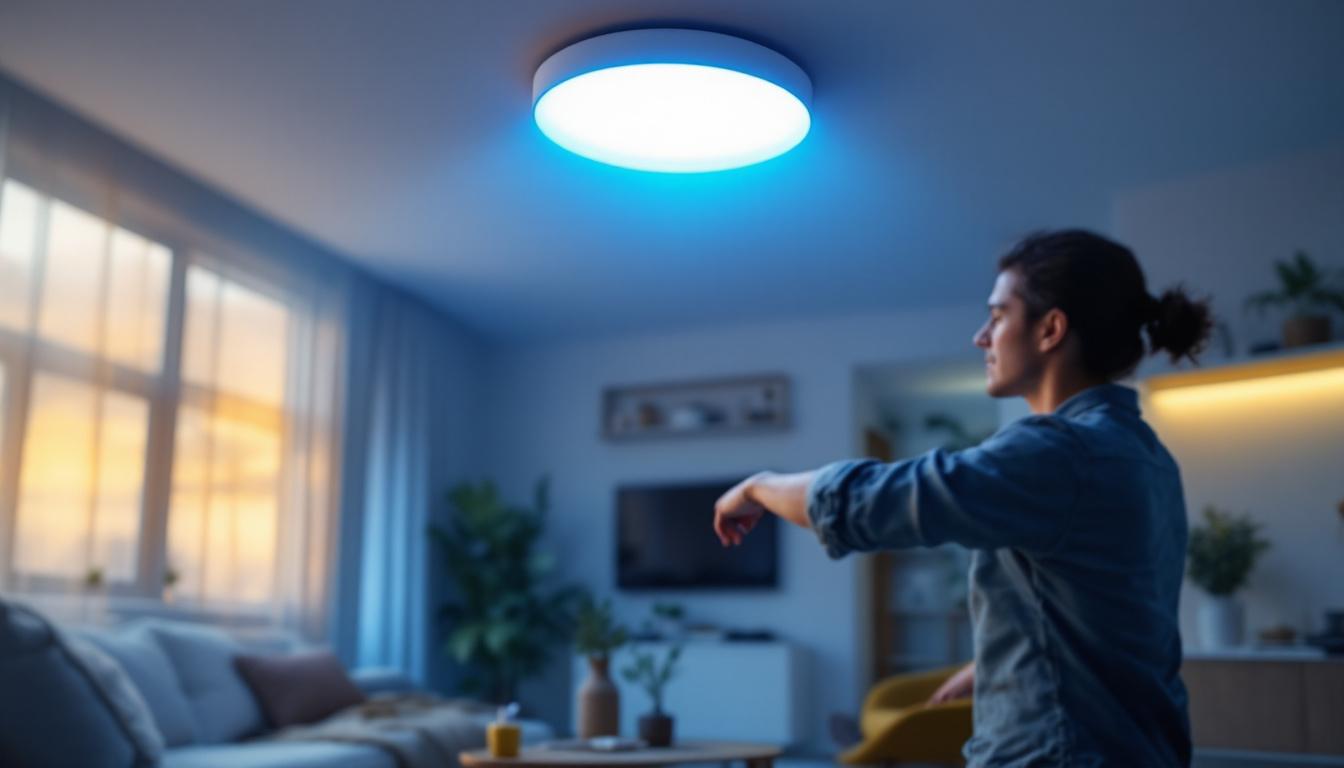
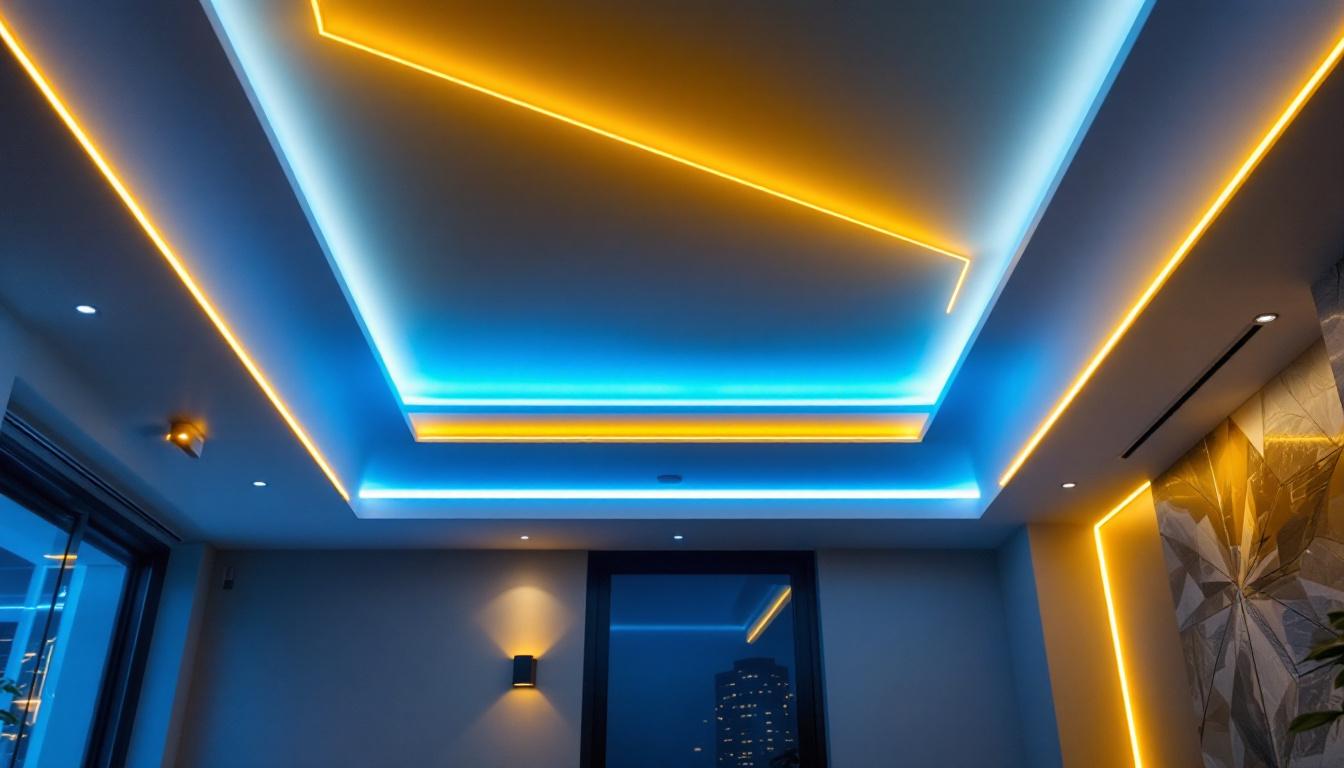
In the rapidly evolving world of interior lighting, motion sensor ceiling lights have emerged as a game-changer. These innovative fixtures not only enhance the aesthetic appeal of a space but also offer significant energy savings and convenience. For lighting contractors, staying updated on the latest trends and technologies in motion sensor lighting is essential to meet client demands and remain competitive in the market.
The Rise of Motion Sensor Technology
As technology advances, so too does the way we approach lighting solutions. Motion sensor ceiling lights have gained traction in both residential and commercial settings, providing a seamless blend of functionality and efficiency. Understanding the rise of this technology is crucial for lighting contractors looking to offer cutting-edge solutions.
Enhanced Energy Efficiency
One of the most compelling reasons for the popularity of motion sensor ceiling lights is their energy efficiency. These fixtures automatically turn on when they detect movement and turn off after a designated period of inactivity. This feature significantly reduces energy consumption, making them an attractive option for environmentally conscious clients.
In addition to saving energy, these lights can help clients lower their utility bills. By minimizing wasted electricity, motion sensor lights not only contribute to a greener planet but also provide financial benefits that can be appealing to homeowners and businesses alike. Furthermore, the integration of smart technology has taken energy efficiency a step further. Many modern motion sensors can be programmed to adjust brightness levels based on the time of day or the amount of natural light available, providing an even more tailored lighting solution that maximizes energy savings.
Improved Safety and Security
Another key advantage of motion sensor ceiling lights is their ability to enhance safety and security. In areas such as hallways, staircases, and entryways, these lights provide illumination when it is needed most, reducing the risk of accidents. For commercial properties, well-lit spaces can deter potential intruders, making motion sensor lights a smart investment for security-conscious clients.
Lighting contractors should emphasize these safety benefits when discussing motion sensor options with clients, as they can be a strong selling point. By highlighting how these lights can create a safer environment, contractors can position themselves as knowledgeable professionals who prioritize client needs. Additionally, the latest models often come equipped with features such as adjustable sensitivity settings and customizable timers, allowing clients to fine-tune their lighting systems to suit specific environments and personal preferences. This adaptability not only enhances safety but also ensures that the lighting solutions provided are as effective and user-friendly as possible.
Understanding the Technology Behind Motion Sensors
To effectively sell and install motion sensor ceiling lights, lighting contractors must have a solid understanding of the technology behind them. Different types of motion sensors operate using various mechanisms, and knowing the distinctions can help contractors recommend the best options for their clients.
PIR Sensors
Passive Infrared (PIR) sensors are among the most common types of motion sensors used in ceiling lights. They detect changes in infrared radiation, which is emitted by moving objects, particularly warm-blooded beings. When a person walks into the sensor’s range, the PIR sensor activates the light.
Contractors should note that PIR sensors are best suited for areas with clear lines of sight, as they can be obstructed by walls or furniture. Understanding these limitations allows contractors to provide accurate advice on placement and installation, ensuring optimal performance. Additionally, it’s important to consider the sensitivity settings of PIR sensors, as these can often be adjusted to suit different environments. For example, a higher sensitivity setting may be beneficial in a larger space, while a lower setting could prevent false activations in a more confined area.
Ultrasonic Sensors
Ultrasonic sensors operate on a different principle, using sound waves to detect motion. These sensors emit high-frequency sound waves and measure the reflection of those waves. When an object moves within the sensor’s range, the reflected sound waves change, triggering the light.
Unlike PIR sensors, ultrasonic sensors can detect motion through obstacles, making them ideal for more complex environments. Lighting contractors should be familiar with the strengths and weaknesses of both types of sensors to provide tailored solutions for various spaces. Moreover, ultrasonic sensors can be particularly effective in environments where the movement of objects is not solely dependent on human presence, such as in warehouses or storage facilities. In these settings, the ability to detect motion through barriers can enhance safety and efficiency by ensuring that lights are activated even when personnel are not directly in sight.
Applications of Motion Sensor Ceiling Lights
The versatility of motion sensor ceiling lights makes them suitable for a wide range of applications. From residential homes to commercial buildings, these fixtures can be adapted to meet the unique needs of different environments.
Residential Use
In residential settings, motion sensor ceiling lights can be installed in areas such as entryways, garages, and basements. Homeowners appreciate the convenience of lights that automatically turn on when they enter a room, eliminating the need to fumble for switches in the dark.
Additionally, these lights can enhance security by illuminating pathways and entrances when someone approaches, providing peace of mind for homeowners. Contractors can also suggest integrating motion sensors with smart home systems, allowing for remote control and monitoring.
Commercial Use
For commercial properties, motion sensor ceiling lights can significantly improve energy efficiency and safety. In offices, conference rooms, and restrooms, these lights can ensure that spaces are well-lit only when occupied, reducing unnecessary energy consumption.
Moreover, in retail environments, motion sensor lights can create an inviting atmosphere by automatically illuminating displays when customers approach. This feature not only enhances the shopping experience but also encourages customer engagement, making it a valuable addition to any retail space.
Installation Considerations for Contractors
Installing motion sensor ceiling lights requires careful planning and execution. Contractors must consider various factors to ensure optimal performance and client satisfaction.
Placement and Coverage
Proper placement of motion sensors is crucial for their effectiveness. Contractors should assess the layout of the space and determine the best locations for installation. Factors such as the height of the ceiling, potential obstructions, and the intended coverage area must be taken into account.
It is also essential to consider the sensitivity settings of the sensors. Many motion sensor lights allow for adjustments in sensitivity, enabling contractors to customize the performance based on the specific needs of the client. This flexibility can enhance client satisfaction and ensure that the lights function as intended.
Wiring and Compatibility
When installing motion sensor ceiling lights, contractors must also pay attention to wiring and compatibility with existing electrical systems. Ensuring that the new fixtures are compatible with the current infrastructure is vital for a successful installation.
Contractors should also be aware of local building codes and regulations regarding electrical installations. Adhering to these guidelines not only ensures safety but also helps contractors maintain a professional reputation in the industry.
Maintenance and Troubleshooting
Like any lighting fixture, motion sensor ceiling lights require regular maintenance to ensure optimal performance. Contractors should inform clients about the importance of maintaining these fixtures and provide guidance on troubleshooting common issues.
Regular Cleaning
Dust and debris can accumulate on motion sensors, affecting their performance. Regular cleaning of the sensor lenses and surrounding areas is essential to maintain functionality. Contractors can recommend specific cleaning methods and products to ensure that clients can easily keep their lights in top condition.
Common Issues and Solutions
Contractors should also be prepared to address common issues that clients may encounter with motion sensor lights. For instance, if a light fails to turn on, it could be due to a blocked sensor or incorrect sensitivity settings. Educating clients on how to troubleshoot these problems can enhance their experience and build trust in the contractor’s expertise.
Future Trends in Motion Sensor Lighting
As technology continues to advance, the future of motion sensor ceiling lights looks promising. Staying informed about emerging trends will allow lighting contractors to remain competitive and offer the latest solutions to their clients.
Smart Home Integration
The integration of motion sensor lights with smart home systems is becoming increasingly popular. Homeowners are looking for ways to automate their lighting, and motion sensors can play a significant role in this trend. Contractors should explore options for integrating motion sensors with smart home platforms, providing clients with enhanced control and convenience.
This integration can include features such as remote monitoring, scheduling, and compatibility with voice-activated assistants. By offering these advanced solutions, contractors can position themselves as forward-thinking professionals in the lighting industry.
Energy Management Systems
Another trend to watch is the development of energy management systems that incorporate motion sensor technology. These systems can monitor energy usage in real-time and adjust lighting based on occupancy patterns. Contractors who are knowledgeable about these systems can provide clients with comprehensive solutions that enhance energy efficiency and sustainability.
Conclusion
Motion sensor ceiling lights are transforming the way we approach indoor lighting, offering energy efficiency, safety, and convenience. For lighting contractors, staying updated on the latest trends and technologies in this area is essential to meet client demands and remain competitive in the market.
By understanding the technology behind motion sensors, their applications, installation considerations, and future trends, contractors can position themselves as experts in the field. Embracing these advancements not only benefits clients but also enhances the contractor’s reputation and business prospects.
In a world where innovation is key, staying informed about motion sensor ceiling lights is not just an option; it is a necessity for every lighting contractor looking to thrive in the industry.
Get the Best in Motion Sensor Lighting with LumenWholesale
Ready to elevate your lighting projects with the latest in motion sensor technology? Look no further than LumenWholesale for a comprehensive range of high-quality, spec-grade lighting products at unbeatable wholesale prices. Our direct-to-contractor approach means you get premium lighting solutions without the extra markups. With our commitment to quality, affordability, and convenience, you can ensure your projects shine with efficiency and innovation. Take advantage of hassle-free bulk buying and free shipping to get the best value in lighting. Don’t compromise on quality or cost—choose Wholesale Lighting at the Best Value with LumenWholesale.