Introduction to LED Fluorescent Replacements
In recent years, the lighting industry has witnessed a significant shift towards energy-efficient solutions, with LED fluorescent replacements leading the charge. Clients are increasingly aware of the benefits these modern lighting options offer, from lower energy consumption to longer lifespans. As a lighting contractor, understanding the nuances of LED technology and its advantages is crucial for meeting client expectations.
This article delves into what clients expect from lighting contractors regarding LED fluorescent replacements. It covers essential knowledge areas, the benefits of LEDs, and how to effectively communicate these advantages to clients.
One of the primary reasons for the growing popularity of LED fluorescent replacements is their remarkable energy efficiency. Traditional fluorescent bulbs consume a considerable amount of electricity, often resulting in higher utility bills. In contrast, LED alternatives use up to 75% less energy, which not only reduces costs but also minimizes the carbon footprint. This eco-friendly aspect resonates with many clients who are increasingly prioritizing sustainability in their purchasing decisions. Furthermore, LEDs have an impressive lifespan, often lasting up to 25,000 hours or more, which means fewer replacements and less waste over time.
Moreover, LED technology has advanced significantly, allowing for a variety of color temperatures and brightness levels that can be tailored to specific environments. Clients can choose from warm, inviting tones for residential spaces or cooler, more vibrant hues for commercial settings. This versatility enhances the aesthetic appeal of any space while also improving functionality. Additionally, the instant-on feature of LEDs eliminates the flickering and warm-up time associated with traditional fluorescent lights, providing immediate illumination. As a contractor, being well-versed in these features enables you to guide clients in selecting the right products that align with their needs and preferences, ultimately leading to higher satisfaction and repeat business.
Understanding LED Technology
What Are LEDs?
Light Emitting Diodes (LEDs) are semiconductor devices that emit light when an electric current passes through them. Unlike traditional fluorescent bulbs, which rely on gas and phosphor coatings, LEDs produce light through a process called electroluminescence. This fundamental difference in technology contributes to the many advantages LEDs have over conventional lighting solutions. The materials used in LEDs, such as gallium nitride and indium gallium nitride, allow for a wide range of colors and brightness levels, making them suitable for various applications, from residential to commercial and industrial settings.
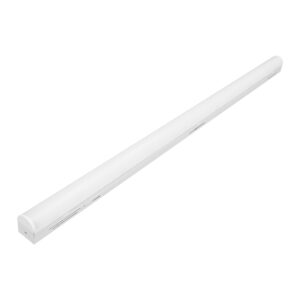
LEDs are available in various configurations, including tubes that can directly replace fluorescent fixtures. This versatility makes them an attractive option for clients looking to upgrade their lighting systems without extensive modifications. Additionally, the compact size of LEDs allows for innovative designs in lighting fixtures, enabling architects and designers to create unique lighting solutions that enhance the aesthetics of a space while providing effective illumination.
Key Advantages of LED Fluorescent Replacements
Clients expect lighting contractors to highlight several key advantages of LED fluorescent replacements. These advantages include:
- Energy Efficiency: LEDs consume significantly less energy than fluorescent bulbs, often reducing energy bills by 50% or more. This efficiency not only benefits the environment by lowering carbon footprints but also aligns with the growing trend toward sustainable building practices.
- Long Lifespan: With a lifespan of up to 25,000 hours or more, LEDs require less frequent replacements, which can save clients both time and money. This durability means fewer materials are used over time, further contributing to a reduction in waste.
- Reduced Heat Emission: LEDs emit very little heat compared to fluorescent lights, contributing to a cooler environment and reduced air conditioning costs. This characteristic is particularly advantageous in commercial settings, where maintaining a comfortable temperature can be critical for both employee productivity and customer satisfaction.
In addition to these benefits, LEDs are also known for their instant-on capability, providing full brightness immediately without the warm-up time associated with fluorescent lights. This feature is especially useful in environments where lighting needs to be activated quickly, such as in emergency situations or high-traffic areas. Furthermore, many LED products are now designed with dimming capabilities, allowing users to adjust the brightness according to their needs, which can enhance the ambiance of a space and further contribute to energy savings.
Another noteworthy aspect of LED technology is its environmental impact. Unlike fluorescent bulbs, which contain hazardous materials like mercury, LEDs are free from such substances, making them a safer choice for both consumers and the ecosystem. As awareness of environmental issues continues to grow, the demand for eco-friendly lighting solutions like LEDs is expected to increase, further solidifying their position as a preferred lighting option in both residential and commercial markets.
Client Expectations Regarding Installation
Seamless Integration
Clients often expect that the transition from fluorescent to LED lighting will be smooth and hassle-free. They want assurance that the new LED fixtures will fit seamlessly into their existing setups without requiring extensive modifications. This expectation necessitates that lighting contractors are well-versed in the various types of LED replacements available and their compatibility with existing fixtures.
Contractors should be prepared to assess the current lighting systems and recommend the most suitable LED options. This might involve providing clients with a range of choices, from direct replacements to more advanced solutions that may enhance lighting quality.
Compliance with Regulations
Another critical aspect clients expect contractors to address is compliance with local and national regulations regarding lighting. Many regions have implemented energy efficiency standards that affect the types of lighting that can be installed in commercial and residential spaces.
Contractors should stay informed about these regulations and ensure that the LED products they recommend meet or exceed these standards. This knowledge not only builds trust with clients but also helps avoid potential legal issues down the line.
Communicating the Benefits of LEDs
Educating Clients
Clients may not fully understand the benefits of LED technology, making it essential for contractors to take on an educational role. This involves explaining how LEDs work, their advantages over traditional lighting, and the long-term savings they can provide. Using clear, straightforward language can help demystify the technology for clients who may not be familiar with technical jargon.
Visual aids, such as charts comparing energy consumption and lifespan, can be effective in illustrating the benefits of LED replacements. Providing case studies or testimonials from previous clients can also reinforce the advantages of making the switch.
Addressing Common Concerns
While many clients are enthusiastic about the switch to LED lighting, some may have concerns that need to be addressed. Common apprehensions include:
- Initial Costs: Although LED fixtures may have a higher upfront cost, contractors should emphasize the long-term savings on energy bills and maintenance.
- Light Quality: Some clients worry that LED lights may not provide the same quality of light as fluorescent bulbs. It is important to discuss the advancements in LED technology that have improved color rendering and light quality.
Installation Best Practices
Proper Fixture Selection
Selecting the right LED fixtures for a specific application is crucial for achieving optimal performance. Contractors should consider factors such as brightness, color temperature, and beam angle when recommending products to clients. Understanding the client’s needs and the environment in which the lights will be installed can guide this selection process.
For instance, a retail space may benefit from brighter, cooler lighting to enhance product displays, while a residential area might require warmer tones for a cozy atmosphere. Tailoring recommendations to the client’s specific context demonstrates expertise and enhances client satisfaction.
Ensuring Quality Installation
Proper installation is vital to maximizing the benefits of LED replacements. Contractors must ensure that all fixtures are installed according to manufacturer specifications and local codes. This includes verifying electrical compatibility and ensuring that all wiring is safe and up to standard.
Clients expect a professional finish, so attention to detail during installation is paramount. This not only enhances the performance of the lighting but also reflects positively on the contractor’s reputation.
Post-Installation Support
Providing Maintenance Guidance
Once the LED fixtures are installed, clients will appreciate guidance on maintenance and care. Although LEDs require less maintenance than traditional lighting, some best practices can help prolong their lifespan and maintain optimal performance. Contractors should provide clients with information on cleaning methods, troubleshooting tips, and when to seek professional assistance.
Offering a maintenance plan or service agreement can also be an attractive option for clients, ensuring that their lighting systems remain in top condition over time.
Feedback and Follow-Up
After the installation, following up with clients can provide valuable insights into their satisfaction and any potential issues that may arise. This proactive approach not only helps address concerns promptly but also fosters a positive relationship with clients.
Encouraging feedback can also provide contractors with testimonials and case studies that can be used to attract future clients. Understanding client experiences can help refine services and improve overall customer satisfaction.
Staying Updated with Industry Trends
Continuing Education
The lighting industry is constantly evolving, with new technologies and trends emerging regularly. Clients expect contractors to stay informed about these developments to provide the best possible recommendations and solutions. Engaging in continuing education, attending industry conferences, and participating in training sessions can help contractors stay ahead of the curve.
Being knowledgeable about the latest advancements in LED technology, such as smart lighting systems and energy management solutions, can set contractors apart from competitors and enhance their credibility in the eyes of clients.
Networking and Collaboration
Building relationships with manufacturers and suppliers can provide contractors with valuable insights into new products and technologies. Networking within the industry can also lead to collaborative opportunities, allowing contractors to expand their service offerings and better meet client needs.
Participating in local trade organizations or online forums can facilitate these connections, providing a platform for sharing knowledge and experiences with other professionals in the field.
Conclusion
As the demand for energy-efficient lighting solutions continues to grow, understanding client expectations regarding LED fluorescent replacements is essential for lighting contractors. By being knowledgeable about LED technology, installation best practices, and post-installation support, contractors can build trust and satisfaction among their clients.
Ultimately, staying informed about industry trends and maintaining open lines of communication with clients will ensure that contractors remain competitive in an ever-evolving market. By prioritizing education, quality, and customer service, lighting contractors can successfully navigate the transition to LED technology and meet the expectations of their clients.
Upgrade Your Lighting Projects with LumenWholesale
Ready to exceed your clients’ expectations with LED fluorescent replacements? Choose LumenWholesale for your lighting needs and benefit from our commitment to quality, affordability, and convenience. Our extensive selection of spec-grade lighting products ensures you have access to the best solutions for any project, all at unbeatable wholesale prices. Say goodbye to middleman markups and hello to hassle-free bulk buying with free shipping. Elevate your lighting game and deliver on your promises with confidence. Visit Wholesale Lighting at the Best Value and make the smart choice for your business today.