Why LED Can Lights Are the Smart Choice for Contractors
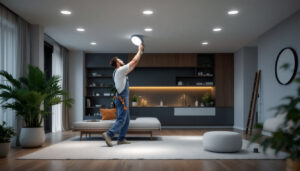
LED can lights have transformed the lighting industry, offering a blend of efficiency, longevity, and design flexibility that traditional bulbs simply cannot match. For contractors, choosing the right LED can light bulbs is not just about meeting current client demands but about future-proofing projects to withstand evolving standards and technologies.
Energy efficiency is a primary driver in the shift toward LED can lights. These bulbs consume significantly less power than incandescent or halogen alternatives, often reducing energy use by 70% or more. This translates to lower operating costs for clients, a compelling selling point during project proposals. Additionally, LED can lights generate less heat, improving safety and reducing cooling costs in commercial and residential settings. The reduced energy consumption also contributes to a smaller carbon footprint, aligning with the growing trend of sustainable building practices that many contractors are now prioritizing.
Durability is another critical factor. LED bulbs can last up to 50,000 hours or more, far outstripping the lifespan of traditional bulbs. This longevity means fewer replacements, less maintenance, and higher client satisfaction. For contractors, this reliability reduces callbacks and enhances reputation. Moreover, many LED can lights are designed to withstand harsh conditions, making them suitable for a variety of applications, from damp basements to outdoor spaces. This versatility allows contractors to confidently recommend LED solutions across different projects, knowing they will meet the diverse needs of their clients.
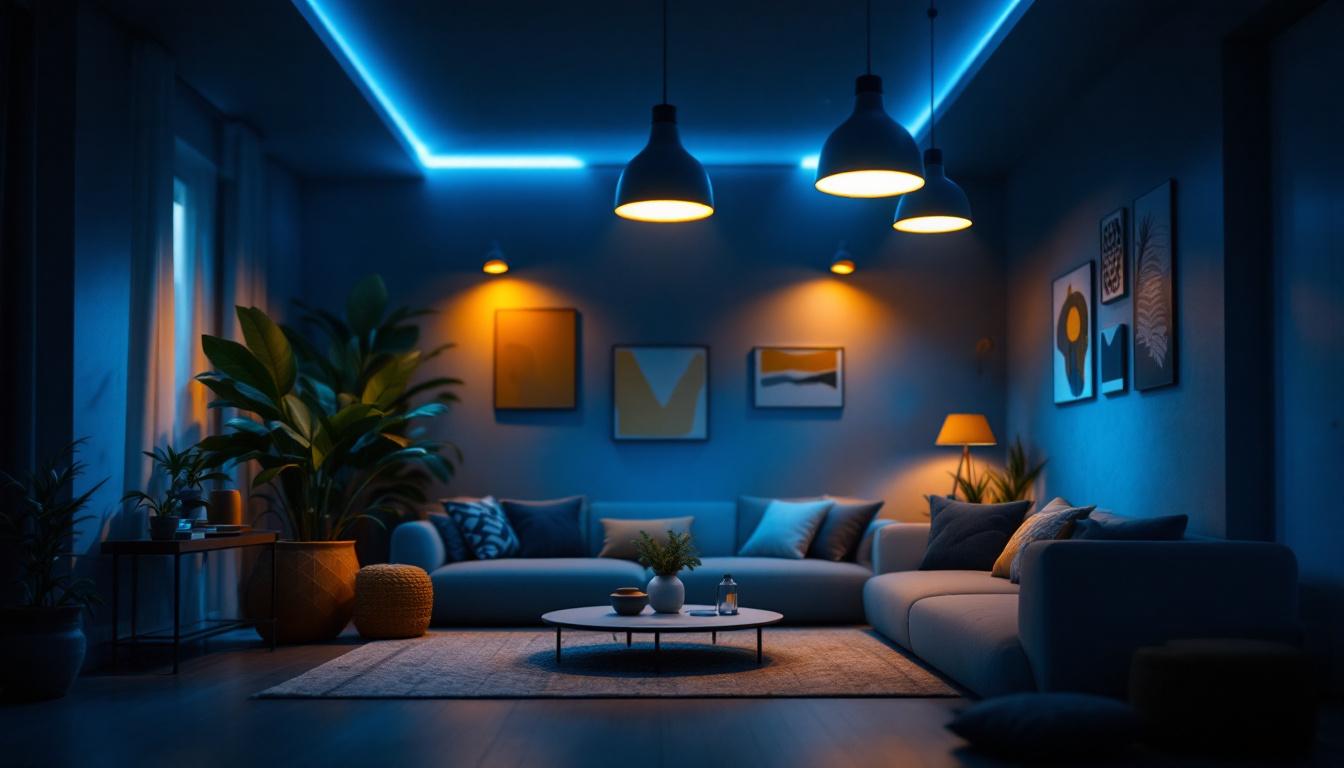
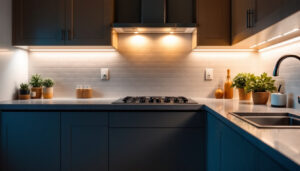
Furthermore, the design flexibility of LED can lights is a game-changer for contractors. With a variety of styles, colors, and dimming options available, these lights can be seamlessly integrated into any aesthetic, whether it’s a modern kitchen or a cozy living room. The ability to customize lighting can enhance the ambiance of a space, making it more appealing to potential buyers or renters. Additionally, many LED can lights are compatible with smart home technologies, allowing for remote control and automation, which is increasingly in demand among tech-savvy homeowners. This feature not only adds convenience but also positions contractors as forward-thinking professionals who are in tune with the latest trends in home automation.
Key Features to Look for When Selecting LED Can Light Bulbs
Color Temperature and CRI
Color temperature, measured in Kelvins (K), influences the ambiance of a space. Warm white (2700K-3000K) creates a cozy, inviting atmosphere ideal for residential projects. Neutral white (3500K-4100K) suits workspaces and retail environments, while cool white (5000K-6500K) is perfect for task lighting in offices or industrial settings. Understanding the psychological effects of color temperature can also enhance your design choices; for instance, warm tones can promote relaxation, making them suitable for bedrooms and living areas, while cooler tones can stimulate alertness, making them ideal for kitchens and workspaces.
Equally important is the Color Rendering Index (CRI), which measures how accurately a light source reveals colors compared to natural light. A CRI of 80 or above is generally recommended for most applications, with 90+ preferred in spaces where color accuracy is critical, such as galleries or retail stores. High CRI lighting not only enhances the appearance of colors but also contributes to a more vibrant and lively atmosphere. This is particularly beneficial in environments where products are displayed, as it can significantly influence customer perception and purchasing decisions.
Dimmability and Compatibility
Modern LED can lights often come with dimmable options, allowing for greater control over lighting levels and energy consumption. However, not all LED bulbs are compatible with every dimmer switch. Contractors should verify compatibility to avoid flickering or reduced bulb life. Using LED-specific dimmers or those recommended by the bulb manufacturer ensures smooth performance. Additionally, the ability to dim lights can create versatile environments; for instance, a bright setting can be used for tasks during the day, while softer lighting can transform the space into a relaxing retreat in the evening.
Moreover, when considering dimmability, it’s essential to think about the overall lighting design. A well-planned dimming strategy can enhance the functionality of a space, allowing users to adjust lighting based on the time of day or specific activities. This flexibility not only contributes to energy savings but also enhances the aesthetic appeal of the environment, making it more adaptable to various moods and occasions.
Beam Angle and Light Distribution
The beam angle determines how light spreads from the fixture. Narrow beam angles (15°-30°) focus light on specific areas, ideal for accent or task lighting. Wider angles (60°-120°) provide general illumination. Selecting the right beam angle helps achieve the desired lighting effect and avoids unwanted shadows or glare. For instance, in a gallery setting, narrow beam angles can be used to highlight specific artworks, drawing attention to details that might otherwise go unnoticed.
Furthermore, understanding light distribution is crucial for creating a balanced lighting scheme. Utilizing a combination of different beam angles can enhance the overall lighting design, allowing for both focused illumination and ambient light. This layered approach not only improves visibility but also adds depth and dimension to a space, making it feel more inviting and well-lit. By strategically placing fixtures with varying beam angles, designers can create visually interesting environments that cater to both functionality and aesthetic appeal.
Installation Considerations That Affect Longevity and Performance
Proper installation is crucial to maximize the benefits of LED can lights. Heat dissipation is a common challenge. Although LEDs produce less heat than traditional bulbs, they still generate some heat that must be managed. Using fixtures designed with adequate heat sinks and ensuring proper ventilation prevents premature bulb failure.
Electrical compatibility is another factor. LED bulbs require stable voltage and current. Contractors should check the electrical system’s compatibility and consider installing surge protectors to guard against voltage spikes that can damage LEDs.
Additionally, selecting the right housing for the can lights is essential. IC-rated housings are designed for insulation contact, preventing fire hazards when installed in insulated ceilings. Non-IC housings require clearance from insulation, which can complicate installation and affect energy efficiency.
Meeting and Exceeding Energy Codes and Standards
Energy codes continue to tighten, pushing for higher efficiency and lower environmental impact. LED can lights are well-positioned to meet these requirements, but contractors must stay informed about local and national codes to ensure compliance.
Many jurisdictions require lighting projects to meet standards such as ENERGY STAR or Title 24. These standards specify minimum efficiency levels, quality benchmarks, and sometimes even installation practices. Using certified LED can light bulbs can simplify the approval process and provide clients with confidence in their investment.
Beyond compliance, future-proofing means anticipating upcoming changes. For example, some regions are moving toward mandatory smart lighting controls or integration with building automation systems. Choosing LED can lights that support dimming protocols like 0-10V or digital controls such as DALI can position contractors ahead of the curve.
Smart Lighting Integration: The Next Step in Future-Proofing
Smart lighting is no longer a luxury; it’s becoming a standard expectation. Integrating LED can lights with smart controls offers clients enhanced convenience, energy savings, and customization.
Smart LED can light bulbs can be controlled remotely via apps, voice commands, or automated schedules. They can adjust brightness, color temperature, and even sync with other smart devices. For contractors, offering smart lighting solutions can differentiate services and open new revenue streams.
When specifying smart LED can lights, consider interoperability. Systems that work across multiple platforms and protocols (such as Zigbee, Z-Wave, or Wi-Fi) provide flexibility for future upgrades. Additionally, ensure that smart bulbs maintain high-quality light output and meet the same durability standards as traditional LEDs.
Environmental Impact and Sustainability Benefits
LED can lights contribute significantly to reducing carbon footprints. Their low energy consumption means less demand on power plants, many of which still rely on fossil fuels. Over a bulb’s lifetime, the energy savings translate into substantial greenhouse gas reductions.
Moreover, LEDs contain no mercury or other hazardous materials, unlike some fluorescent lighting options. This makes disposal safer and aligns with green building certifications such as LEED or WELL.
Contractors can leverage these environmental benefits when pitching projects, appealing to clients who prioritize sustainability. Documenting energy savings and environmental impact can also support incentive programs and rebates offered by utilities or governments.
Common Challenges and How to Overcome Them
Addressing Compatibility Issues
One frequent challenge is ensuring LED can light bulbs work seamlessly with existing fixtures and controls. Mismatched dimmers or incompatible housings can cause flickering, buzzing, or reduced lifespan. Testing bulbs with the actual installation environment before finalizing orders can prevent costly mistakes.
Managing Client Expectations
Clients sometimes expect LED lighting to be a direct replacement without changes in brightness or color. Educating clients about differences in light quality and appearance helps set realistic expectations. Providing samples or mock-ups can aid in demonstrating the benefits and appearance of LED can lights.
Balancing Upfront Costs with Long-Term Savings
While LED bulbs generally cost more upfront than traditional options, their long-term savings in energy and maintenance are substantial. Presenting clear lifecycle cost analyses can help clients understand the value proposition. Highlighting available rebates or incentives can also ease budget concerns.
Final Thoughts: Building a Future-Ready Lighting Portfolio
For lighting contractors, mastering LED can light bulbs is essential to delivering projects that stand the test of time. By focusing on quality, compatibility, energy codes, and smart integration, contractors can provide clients with lighting solutions that are efficient, durable, and adaptable.
Staying informed about technological advances and regulatory changes will keep contractors competitive and trusted. Ultimately, future-proofing lighting projects means more than just installing bulbs-it’s about creating environments that meet today’s needs and tomorrow’s possibilities.
Illuminate Your Projects with LumenWholesale
Ready to elevate your lighting projects with the efficiency, durability, and smart technology of LED can lights? Look no further than LumenWholesale for a vast selection of spec-grade lighting solutions at unbeatable wholesale prices. Say goodbye to inflated markups and hello to premium quality without the premium cost. With free shipping on bulk orders, LumenWholesale is your go-to source for lighting that meets the highest industry standards. Don’t just future-proof your projects—do it with the confidence that you’re getting the best value. Wholesale Lighting at the Best Value is just a click away. Make the smart choice and partner with LumenWholesale today.