Understanding Suspended Linear Lighting and Its Growing Demand
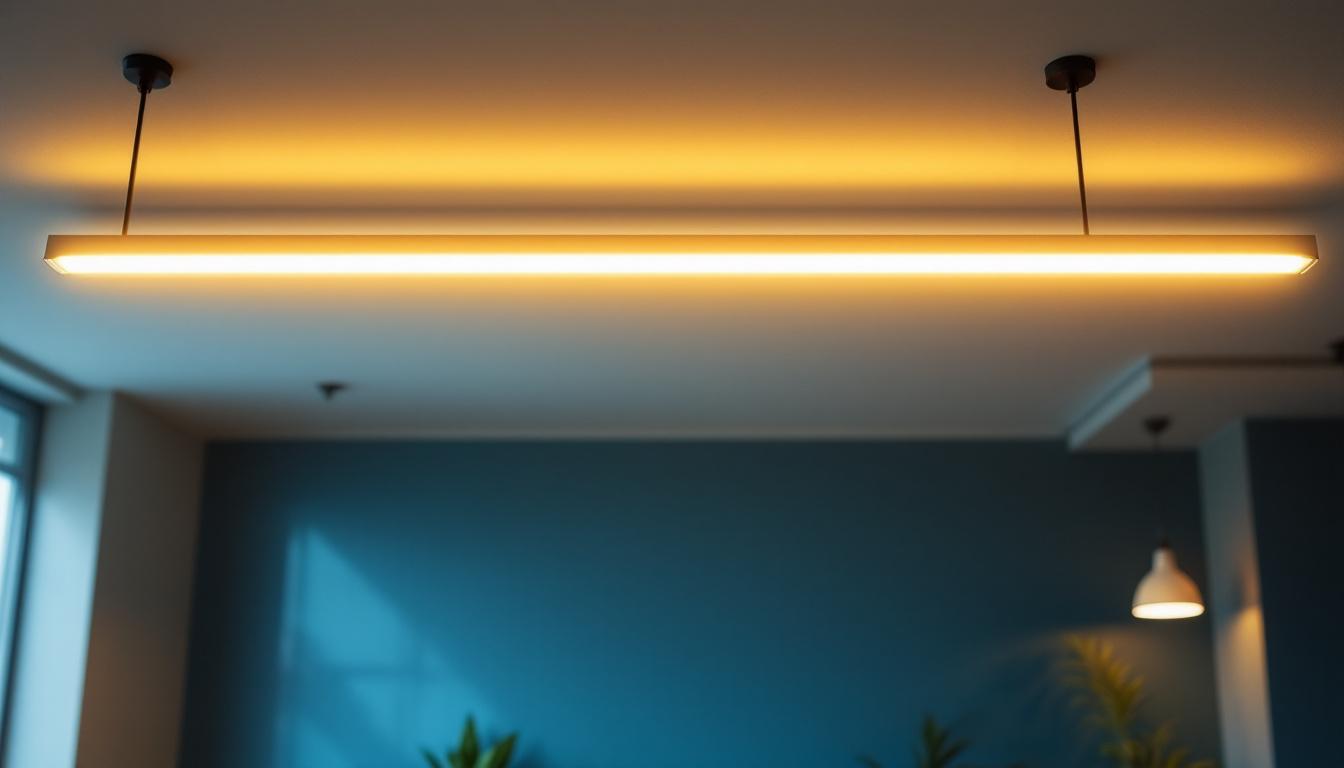
Suspended linear lighting has become a staple in modern commercial and residential lighting design. Characterized by its sleek, elongated form and ability to provide uniform illumination, it offers both aesthetic appeal and functional benefits. For lighting contractors, this trend represents a significant opportunity—but also a challenge in managing costs while delivering quality installations.
The rising demand for suspended linear lighting is driven by its versatility across various environments, including offices, retail spaces, educational facilities, and hospitality venues. It complements contemporary architectural styles and supports energy-efficient lighting solutions, which are increasingly prioritized in building projects. Understanding the nuances of this lighting type is essential for contractors aiming to optimize project budgets without compromising on performance or client satisfaction.
Moreover, the technological advancements in LED lighting have further enhanced the appeal of suspended linear fixtures. These modern systems not only consume less energy but also offer a longer lifespan compared to traditional lighting options. Many designs now incorporate smart technology, allowing for features such as dimming, color temperature adjustment, and integration with building management systems. This adaptability not only meets the diverse needs of different spaces but also aligns with the growing trend toward sustainable and intelligent building solutions.
In addition to their functional benefits, suspended linear lights are also a key element in creating ambiance and mood within a space. The design possibilities are virtually limitless, with options ranging from minimalist styles to more elaborate, artistic configurations. This flexibility allows architects and designers to use lighting as a creative tool, enhancing the overall aesthetic of a space while ensuring that it remains practical. As more businesses recognize the impact of well-designed lighting on productivity and customer experience, the demand for suspended linear lighting is expected to continue its upward trajectory, making it an essential consideration in any lighting project.
Key Cost Drivers in Suspended Linear Lighting Projects
Material Selection and Quality
The choice of materials significantly influences the overall cost of suspended linear lighting installations. High-quality aluminum extrusions, premium diffusers, and advanced LED modules often come with a higher upfront price but offer longer lifespan and better energy efficiency. Conversely, opting for lower-cost materials may reduce initial expenses but can lead to increased maintenance and replacement costs over time.
Lighting contractors must balance material quality with budget constraints, considering factors such as durability, light output, and compatibility with control systems. Sourcing components from reputable manufacturers who provide warranties and support can mitigate risks associated with inferior materials. Additionally, the aesthetic appeal of materials can play a crucial role in the overall design of a space. For instance, using materials that complement the interior design can enhance the visual impact of the lighting, creating an inviting atmosphere that may justify a higher initial investment.
Installation Complexity and Labor Costs
Suspended linear lighting installations vary in complexity depending on the project scope, ceiling height, and integration with other building systems. Intricate layouts or custom configurations require more labor hours and specialized skills, which directly impact labor costs. Additionally, the need for precise alignment and secure suspension mechanisms demands attention to detail and experience.
Efficient project planning, including thorough site assessments and clear installation guidelines, can reduce labor time and minimize costly errors. Utilizing modular lighting systems that allow for easier assembly and adjustment can also streamline the installation process. Furthermore, the integration of advanced technology, such as pre-wired components or plug-and-play systems, can significantly reduce installation time and labor costs, allowing contractors to complete projects more efficiently while maintaining high-quality standards.
Energy Consumption and Operational Expenses
While energy costs are not part of the initial installation budget, they represent a significant long-term expense for building owners and influence client decisions. Suspended linear lighting equipped with energy-efficient LED technology and smart controls can substantially reduce operational costs. Lighting contractors who recommend and install such systems add value to their service and differentiate themselves in a competitive market.
Moreover, the implementation of smart lighting controls, such as occupancy sensors and daylight harvesting systems, can further optimize energy usage. These technologies adjust lighting levels based on real-time occupancy and natural light availability, leading to additional savings on energy bills. Educating clients on the long-term benefits of these energy-efficient solutions not only enhances the value proposition of the installation but also aligns with growing sustainability goals in the construction industry, making it a compelling choice for environmentally conscious clients.
Cost-Saving Strategies for Lighting Contractors
Embrace LED Technology and Smart Controls
LED lighting has revolutionized the industry by offering superior energy efficiency and longer service life compared to traditional lighting sources. For suspended linear lighting, LEDs provide consistent brightness and color quality, which enhances visual comfort and productivity in commercial spaces.
Incorporating smart lighting controls such as dimmers, occupancy sensors, and daylight harvesting systems further optimizes energy use. These technologies allow lights to adjust automatically based on occupancy or ambient light, reducing unnecessary energy consumption. Lighting contractors who integrate these solutions can justify higher upfront costs with measurable savings over the product lifecycle.
Standardize Components and Modular Designs
Standardization is a powerful tool for cost control. By selecting suspended linear lighting systems with modular components, contractors can simplify inventory management and reduce waste. Modular designs facilitate easier customization on-site, minimizing the need for costly custom fabrication or modifications.
Moreover, standard components often benefit from economies of scale, resulting in better pricing from suppliers. Contractors can negotiate bulk purchasing agreements for commonly used parts, passing savings onto clients while maintaining healthy profit margins.
Optimize Project Planning and Coordination
Effective project management is critical to controlling costs. Early coordination with architects, electrical engineers, and other stakeholders ensures that lighting specifications align with the overall design intent and building infrastructure. This collaboration helps avoid costly changes during installation and reduces the risk of rework.
Utilizing digital tools such as Building Information Modeling (BIM) allows contractors to visualize lighting layouts in 3D, identify potential clashes, and plan cable routes more efficiently. Accurate pre-installation planning minimizes surprises and accelerates on-site work, thereby lowering labor expenses.
Leverage Energy Incentives and Rebates
Many regions offer financial incentives for energy-efficient lighting installations, including suspended linear LED systems. Lighting contractors should stay informed about available rebates, tax credits, and utility programs that can offset project costs. Advising clients on these opportunities enhances the value proposition and can make higher-quality lighting solutions more affordable.
Proactively managing incentive applications and documentation also positions contractors as knowledgeable partners, fostering trust and repeat business.
Material and Supplier Considerations for Cost Efficiency
Choosing Reliable Suppliers with Competitive Pricing
Building strong relationships with reputable suppliers is essential for securing favorable pricing and reliable delivery schedules. Contractors should evaluate suppliers not only on cost but also on product quality, warranty terms, and technical support. Partnering with suppliers who understand the unique requirements of suspended linear lighting ensures access to the latest innovations and troubleshooting assistance.
Regularly reviewing supplier performance and exploring alternative vendors can uncover cost-saving opportunities without sacrificing quality.
Bulk Purchasing and Inventory Management
Purchasing components in bulk can reduce unit costs and protect against price fluctuations. However, contractors must balance inventory levels to avoid excess stock that ties up capital or becomes obsolete. Implementing just-in-time inventory practices aligned with project timelines helps maintain cash flow and reduces storage expenses.
Material Substitutions and Value Engineering
Value engineering involves analyzing design and material choices to identify cost-effective alternatives that meet performance requirements. For example, selecting diffusers made from less expensive but equally durable materials or opting for standard suspension hardware can lower costs. However, contractors must carefully assess the impact of substitutions on lighting quality and compliance with safety standards.
Training and Workforce Development to Reduce Costs
Investing in Skilled Labor
Highly trained installers work more efficiently and produce higher-quality results, reducing the likelihood of costly mistakes or callbacks. Lighting contractors should prioritize ongoing education and certification programs focused on suspended linear lighting technologies and installation best practices.
Skilled workers are also better equipped to troubleshoot on-site challenges, minimizing delays and ensuring client satisfaction.
Utilizing Prefabrication and Off-Site Assembly
Prefabricating lighting assemblies off-site can significantly reduce on-site labor hours and improve installation accuracy. By assembling components in a controlled environment, contractors minimize exposure to weather-related disruptions and enhance quality control.
This approach also streamlines scheduling and reduces the need for specialized tools or equipment on-site, contributing to overall cost savings.
Case Studies Highlighting Cost-Saving Successes
Commercial Office Retrofit Using Modular Suspended Linear Lighting
A lighting contractor undertook a retrofit project in a multi-story office building, replacing outdated fluorescent fixtures with modular suspended linear LED systems. By standardizing components and implementing smart controls, the contractor reduced material costs by 15% and labor time by 20%. The client benefited from a 40% reduction in energy consumption, qualifying for utility rebates that further offset project expenses.
Educational Facility New Construction with Value Engineering
In a new school construction project, the contractor collaborated closely with the design team to value engineer the suspended linear lighting layout. By substituting select materials and optimizing fixture placement, the project stayed within budget without compromising lighting quality. Prefabrication of assemblies off-site accelerated installation, resulting in a three-week schedule reduction and substantial labor cost savings.
Conclusion: Maximizing Profitability Through Strategic Approaches
Suspended linear lighting presents lighting contractors with an opportunity to deliver modern, efficient lighting solutions that meet client expectations. By understanding the key cost drivers and implementing targeted strategies—such as embracing LED technology, standardizing components, optimizing project planning, leveraging incentives, and investing in workforce development—contractors can control expenses and enhance profitability.
Success in this competitive sector hinges on balancing cost efficiency with quality and service excellence. Contractors who adopt these best practices position themselves as trusted partners capable of delivering value-driven lighting solutions that stand the test of time.
Get Your Suspended Linear Lighting at LumenWholesale
Ready to enhance your lighting projects while keeping costs in check? LumenWholesale is your go-to source for spec-grade suspended linear lighting solutions. Our commitment to quality and affordability means you can access a vast selection of premium lighting products at wholesale prices that local distributors simply can’t match. With free shipping on bulk orders, you can stock up on the lighting essentials you need without worrying about hidden fees. Elevate your lighting installations today and experience the best value in the industry. Visit LumenWholesale for wholesale lighting that combines quality, affordability, and convenience seamlessly.