Understanding the Role of Security Light Switches in Modern Lighting Systems
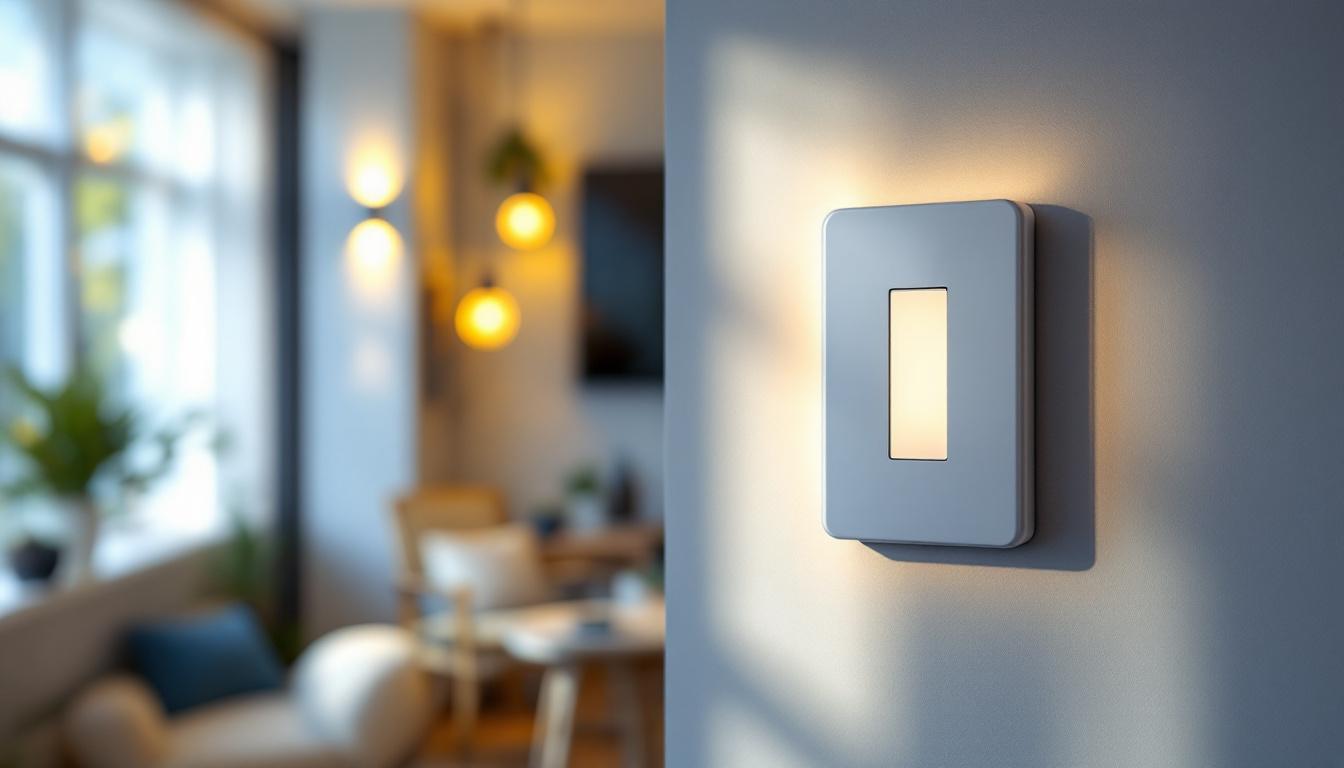
Security light switches serve as a critical component in both residential and commercial lighting setups. Their primary function is to control outdoor lighting that enhances safety, deters intruders, and provides visibility during nighttime hours. For lighting contractors, mastering the selection and installation of these switches is essential to delivering efficient, reliable, and user-friendly lighting solutions.
Unlike traditional light switches, security light switches often incorporate advanced features such as motion detection, timers, and photocells. These capabilities allow lights to operate only when necessary, reducing energy consumption and extending the lifespan of lighting fixtures. Understanding these functionalities enables contractors to recommend the most appropriate switch types tailored to specific client needs and environments.
Types of Security Light Switches
Security light switches can be broadly categorized into manual switches, motion sensor switches, and photocell (dusk-to-dawn) switches. Manual switches offer straightforward on/off control but lack automation, which can lead to inefficient energy use. Motion sensor switches activate lights only when movement is detected within a defined range, making them ideal for areas requiring intermittent illumination. Photocell switches automatically turn lights on at dusk and off at dawn, ensuring consistent lighting without manual intervention.
Choosing the right type depends on factors such as the property’s layout, security requirements, and energy efficiency goals. For example, a commercial parking lot might benefit most from photocell switches to maintain continuous lighting throughout the night, while a residential backyard could utilize motion sensors to illuminate only when activity is detected. Additionally, some modern security light switches come equipped with smart technology that allows homeowners to control their lighting remotely via smartphone apps. This feature not only enhances convenience but also provides an extra layer of security, as homeowners can simulate occupancy by scheduling lights to turn on and off at various times, even when they are away.
Furthermore, the integration of security light switches with home automation systems is becoming increasingly popular. These systems can synchronize lighting with other security measures, such as cameras and alarms, creating a comprehensive safety network. For instance, when a motion sensor detects movement, it can trigger not only the lights but also alert the homeowner through their smart device. This interconnected approach not only improves the effectiveness of security measures but also offers peace of mind, knowing that all aspects of home safety are working in concert to protect the property.
Key Factors to Consider When Optimizing Security Light Switches
Optimizing security light switches involves more than just selecting the correct type. Contractors must evaluate several factors to maximize efficiency and performance.
Energy Efficiency and Cost Savings
Energy consumption is a major concern for property owners, and lighting often represents a significant portion of electricity use. Security light switches equipped with sensors and timers can dramatically reduce unnecessary energy expenditure. For instance, motion sensor switches prevent lights from running all night in empty areas, while photocell switches ensure lights operate only during low-light conditions.
Studies have shown that integrating motion sensors with LED lighting can reduce energy consumption by up to 70% compared to traditional lighting systems. This not only lowers utility bills but also contributes to environmental sustainability by reducing carbon footprints. Furthermore, many utility companies offer rebates or incentives for installing energy-efficient lighting solutions, providing an additional financial benefit for property owners looking to upgrade their systems.
Compatibility with Lighting Fixtures
Not all security light switches are compatible with every type of lighting fixture. Contractors must verify that the switch supports the voltage, wattage, and technology of the installed lights, whether LED, halogen, or fluorescent. Using incompatible switches can lead to flickering, premature bulb failure, or even electrical hazards.
Modern LED fixtures, for example, often require switches designed to handle low wattage loads and may need specialized dimming capabilities. Ensuring compatibility enhances system reliability and client satisfaction. Additionally, it is essential to consider the overall design and aesthetic of the lighting fixtures. A cohesive look not only improves the visual appeal of the property but also enhances the perceived value, making it more attractive to potential buyers or renters.
Installation Environment and Location
The physical environment where the security light switch will be installed influences its selection and configuration. Outdoor switches must be weatherproof and resistant to dust, moisture, and temperature fluctuations. Additionally, the placement of sensors should minimize false triggers caused by animals, passing vehicles, or environmental factors like wind and rain.
For example, installing motion sensors too close to busy roads can result in frequent, unnecessary activations, while placing them in sheltered areas can improve accuracy and lifespan. Moreover, considering the height and angle of installation is crucial; sensors mounted too high may not detect motion effectively, while those positioned too low may be easily obstructed. Properly assessing the installation site can lead to a more reliable and efficient lighting system, ultimately enhancing security and safety for the property.
Advanced Features That Enhance Security Light Switch Efficiency
Modern security light switches come with a variety of advanced features that can be leveraged to optimize lighting efficiency and security.
Adjustable Sensitivity and Range
Many motion sensor switches allow contractors to adjust sensitivity levels and detection ranges. This customization helps tailor the lighting response to specific site conditions, reducing false alarms and conserving energy. For instance, lowering sensitivity in areas prone to wildlife movement can prevent lights from activating unnecessarily. Additionally, some models offer a dual-zone detection feature, allowing for different sensitivity settings in distinct areas, which is particularly useful in larger properties where foot traffic varies significantly from one section to another.
Integration with Smart Home and Building Automation Systems
Integration capabilities with smart home or building automation platforms represent a significant advancement in security lighting. Switches that communicate with centralized systems enable remote monitoring, scheduling, and control via smartphones or computers. This flexibility allows property managers to optimize lighting schedules based on occupancy patterns and real-time conditions.
Moreover, smart integration can facilitate data collection on energy usage and system performance, providing valuable insights for ongoing optimization. For instance, users can receive notifications if lights remain on longer than necessary, prompting immediate action to rectify the situation. Furthermore, some systems can be programmed to simulate occupancy by automatically turning lights on and off, enhancing security even when the property is unoccupied.
Timer Functions and Custom Scheduling
Incorporating timer functions enables lights to operate only during predetermined periods, further reducing energy waste. Custom scheduling can accommodate seasonal changes, special events, or varying security needs. For example, a facility might extend lighting hours during winter months when nights are longer and shorten them during summer. This adaptability not only conserves energy but also ensures that the property remains well-lit during critical times, enhancing safety and deterring potential intruders.
Additionally, advanced timer functions can be programmed to adjust automatically based on sunset and sunrise times, ensuring that lights activate precisely when needed. Such features can be particularly beneficial for outdoor spaces, where lighting requirements can fluctuate dramatically throughout the year. By utilizing these programmable settings, property owners can maintain a balance between security and energy efficiency, ultimately leading to cost savings and a reduced environmental footprint.
Best Practices for Installation and Maintenance
Proper installation and routine maintenance are vital to ensuring the long-term efficiency and reliability of security light switches.
Professional Installation Techniques
Lighting contractors should adhere to manufacturer guidelines and electrical codes during installation. This includes correct wiring, secure mounting, and proper sensor alignment. Testing the system post-installation to verify functionality and coverage is equally important. Documenting settings and configurations aids future troubleshooting and client support. Furthermore, it is advisable for contractors to conduct a thorough site assessment before installation. This assessment should consider factors such as ambient light levels, potential obstructions, and the specific needs of the property. By customizing the installation to the unique environment, contractors can enhance the effectiveness of the security lighting system, ensuring that it meets the safety and security requirements of the space.
Regular Maintenance and Troubleshooting
Routine inspections help identify issues such as sensor misalignment, dirt accumulation, or wiring degradation. Cleaning sensor lenses and replacing faulty components promptly prevent performance degradation. Additionally, monitoring energy consumption patterns can signal when adjustments or upgrades are necessary to maintain optimal efficiency. It’s also beneficial to establish a maintenance schedule that aligns with seasonal changes, as different weather conditions can affect the performance of outdoor lighting systems. For instance, heavy rain or snow can lead to increased dirt buildup on sensors, while extreme temperatures may impact the functionality of electrical components. Keeping a log of maintenance activities and any observed irregularities can further assist in preemptive troubleshooting, ensuring that the security lighting remains reliable throughout the year.
Case Studies: Real-World Applications of Optimized Security Light Switches
Examining practical examples provides valuable insights into the benefits and challenges associated with security light switch optimization.
Residential Community Enhances Safety and Reduces Costs
A suburban housing development upgraded its outdoor lighting by replacing manual switches with motion sensor and photocell switches connected to LED fixtures. The result was a 60% reduction in energy consumption and a noticeable decrease in nighttime security incidents. Residents reported increased satisfaction due to improved lighting responsiveness and lower utility expenses.
Commercial Facility Implements Smart Lighting Control
A large commercial warehouse integrated security light switches with a building automation system, enabling remote control and scheduling. This allowed facility managers to adjust lighting based on shift patterns and daylight availability. The system reduced energy costs by 45% and improved operational flexibility, demonstrating the value of smart integration.
Conclusion: Maximizing Efficiency Through Informed Security Light Switch Choices
For lighting contractors, optimizing security light switches is a multifaceted process that requires technical knowledge, attention to detail, and an understanding of client needs. By selecting appropriate switch types, ensuring compatibility, leveraging advanced features, and maintaining proper installation and upkeep, contractors can deliver lighting solutions that enhance security, reduce energy consumption, and provide long-term value.
Staying informed about emerging technologies and industry best practices will empower contractors to meet evolving demands and contribute to safer, more sustainable environments.
Illuminate Your Projects with LumenWholesale
Ready to elevate your lighting projects with security light switches that promise efficiency and performance? At LumenWholesale, we offer an extensive range of premium, spec-grade lighting products designed to meet your every need. Say goodbye to inflated markups and hello to unbeatable wholesale prices, top-quality materials, and the convenience of free shipping on bulk orders. Don’t compromise on quality or value—choose LumenWholesale for your next project and experience the best in lighting solutions. Start exploring our selection and take advantage of the best value in Wholesale Lighting today.