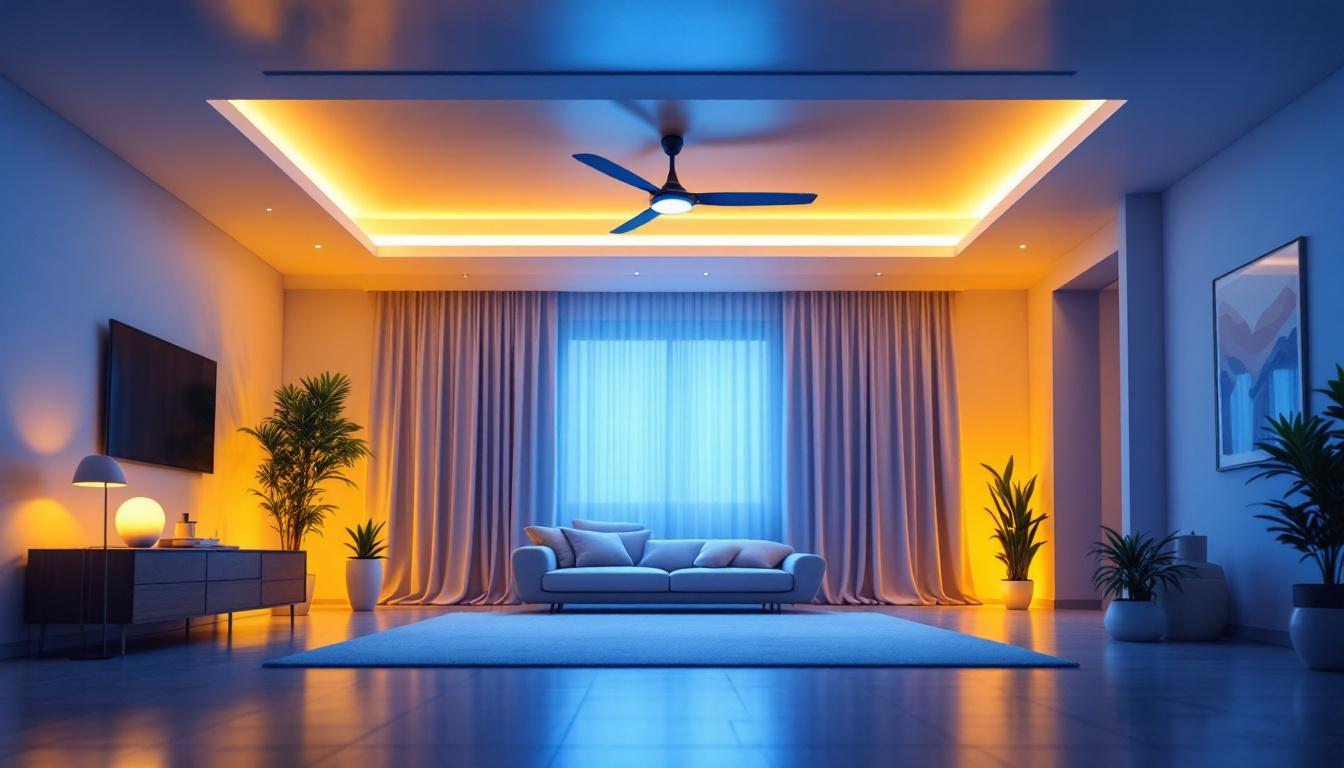
In the realm of modern lighting and interior design, huge ceiling fans have emerged as a significant trend. These oversized fixtures not only provide a practical solution for air circulation but also serve as striking design elements that can enhance the aesthetic appeal of any space. For lighting contractors, understanding the nuances of huge ceiling fans is essential for delivering comprehensive solutions to clients. This article delves into various aspects of huge ceiling fans, including their benefits, installation considerations, and how they can be integrated with lighting systems.
The Benefits of Huge Ceiling Fans
Huge ceiling fans offer a multitude of advantages that go beyond mere aesthetics. Their size and design can transform a room, making them a popular choice in both residential and commercial settings.
Improved Air Circulation
One of the primary benefits of huge ceiling fans is their ability to enhance air circulation. In larger spaces, traditional ceiling fans may struggle to distribute air evenly. Huge ceiling fans, with their larger blades and greater span, can move more air, creating a comfortable environment throughout the room. This improved airflow can lead to reduced reliance on air conditioning systems, thereby lowering energy costs. Moreover, during the colder months, many huge ceiling fans can be reversed to circulate warm air that rises to the ceiling, contributing to a more balanced temperature throughout the year.
Stylish Design Element
Beyond functionality, huge ceiling fans can serve as a bold design statement. Available in various styles, finishes, and materials, they can complement a wide range of interior themes—from rustic to contemporary. A well-chosen ceiling fan can become a focal point in a room, drawing attention and enhancing the overall decor. For instance, a sleek, modern fan with a metallic finish can add a touch of sophistication to a minimalist space, while a wooden fan with intricate carvings can enhance the charm of a cozy, traditional room. Additionally, many fans come with customizable options, allowing homeowners to select colors and designs that perfectly match their personal style.
Energy Efficiency
Many modern huge ceiling fans are designed with energy efficiency in mind. Equipped with powerful yet quiet motors, these fans can operate on lower energy levels while still delivering optimal performance. When paired with LED lighting, they can create an energy-efficient solution that meets both lighting and air circulation needs, appealing to eco-conscious clients. Furthermore, the use of smart technology in some ceiling fans allows users to control their settings via smartphone apps or voice commands, making it easier than ever to optimize energy use and comfort. This integration of technology not only enhances convenience but also promotes sustainable living by reducing energy consumption and carbon footprint.
Noise Reduction
Another significant advantage of huge ceiling fans is their ability to operate quietly. Unlike smaller fans that may produce distracting noise levels, many large ceiling fans are engineered for quiet operation, making them ideal for bedrooms, offices, or any space where tranquility is desired. This feature is particularly beneficial in commercial environments, such as restaurants or cafes, where a peaceful atmosphere can enhance the dining experience. The quiet hum of a well-designed ceiling fan can create a soothing backdrop, allowing conversations to flow freely without interruption.
Versatile Functionality
Huge ceiling fans also offer versatile functionality that can adapt to various needs. Many models come with adjustable speed settings, allowing users to customize airflow according to their preferences or the season. Additionally, some fans include integrated lighting options, providing both illumination and air circulation in one fixture. This dual functionality can save space and reduce clutter, making huge ceiling fans an excellent choice for smaller rooms or areas where ceiling height is limited. With the ability to serve multiple purposes, these fans become a practical investment for any home or business.
Choosing the Right Huge Ceiling Fan
Selecting the appropriate huge ceiling fan involves several considerations. Lighting contractors must be well-versed in these factors to guide their clients effectively.
Room Size and Ceiling Height
The size of the room and the height of the ceiling are critical when choosing a ceiling fan. A huge fan may overwhelm a small room, while a smaller fan may be ineffective in a large space. As a general rule, for rooms with ceilings higher than eight feet, a fan with a blade span of 52 inches or more is advisable. For exceptionally large spaces, fans with a blade span of 60 inches or greater are often recommended.
Style and Finish
Another important consideration is the style and finish of the fan. The chosen design should harmonize with the existing decor. For instance, a sleek, modern fan with a brushed nickel finish may suit a contemporary space, while a wooden fan may be more appropriate for a rustic or traditional setting. Lighting contractors should encourage clients to consider how the fan will fit into their overall design vision.
Motor Quality and Noise Level
The quality of the motor is paramount in ensuring the fan operates smoothly and quietly. High-quality motors tend to be more durable and efficient, providing long-lasting performance. Noise levels can also be a concern, especially in residential settings. Clients will appreciate fans that operate quietly, allowing for a peaceful environment. When recommending fans, contractors should prioritize those with high-quality, whisper-quiet motors.
Installation Considerations
Proper installation is crucial for the performance and safety of huge ceiling fans. Lighting contractors must be aware of the specific requirements and best practices to ensure a successful installation.
Mounting Options
Huge ceiling fans can be mounted in various ways, including flush mount, downrod mount, or angled mount. The choice of mounting method depends on the ceiling height and the fan’s design. For instance, flush mount fans are ideal for low ceilings, while downrod mounts are suitable for higher ceilings, allowing for optimal airflow. Contractors should assess the space and recommend the best mounting option for each project.
Electrical Requirements
Before installation, it is essential to evaluate the electrical requirements of the ceiling fan. Huge ceiling fans often require dedicated circuits to handle their power needs. Ensuring that the electrical system can support the fan’s motor is vital to prevent overloads or potential hazards. Lighting contractors should work closely with electricians to ensure compliance with local codes and regulations.
Balancing and Alignment
Once installed, ensuring the fan is properly balanced is critical. An unbalanced fan can wobble, leading to noise and potential damage. Contractors should take the time to check the alignment and balance of the fan during installation, making necessary adjustments to ensure smooth operation. This attention to detail can significantly enhance the longevity and performance of the fan.
Integrating Lighting with Huge Ceiling Fans
Combining lighting with huge ceiling fans can create a cohesive and functional design. This integration requires careful planning and consideration of various factors.
Light Kit Options
Many huge ceiling fans come with integrated light kits, providing a seamless solution for both air circulation and illumination. These light kits can vary in design, from traditional globe lights to modern LED fixtures. When selecting a fan with a light kit, contractors should consider the brightness and color temperature of the bulbs to ensure they meet the client’s needs. Additionally, dimmable options can provide versatility in lighting levels.
Smart Technology Integration
In today’s tech-savvy world, integrating smart technology into ceiling fans and lighting systems is increasingly popular. Smart fans can be controlled via mobile apps or voice-activated devices, allowing users to adjust settings conveniently. Lighting contractors should explore options for smart ceiling fans that can be synchronized with existing smart home systems, providing an enhanced user experience.
Layered Lighting Techniques
When integrating lighting with huge ceiling fans, it is essential to consider layered lighting techniques. This approach involves combining ambient, task, and accent lighting to create a well-lit and inviting space. For example, the ceiling fan can provide general ambient lighting, while additional task lighting can be added in specific areas, such as over a kitchen island or reading nook. Contractors should work with clients to develop a comprehensive lighting plan that enhances the overall functionality and aesthetics of the space.
Maintenance and Care for Huge Ceiling Fans
Regular maintenance is crucial for ensuring the longevity and performance of huge ceiling fans. Lighting contractors can provide valuable guidance to clients on how to care for their fans effectively.
Cleaning and Dusting
Dust accumulation can hinder the performance of ceiling fans, leading to reduced airflow and potential noise issues. It is advisable to clean the fan blades regularly, using a soft cloth or a specialized fan duster. Contractors should recommend a cleaning schedule to clients, emphasizing the importance of keeping the fan clean for optimal performance.
Inspecting for Wear and Tear
Periodic inspections of the fan’s components are essential to identify any signs of wear and tear. This includes checking the motor, blades, and mounting hardware for any issues. If any components appear damaged or worn, they should be replaced promptly to prevent further damage. Lighting contractors can assist clients by providing maintenance checklists and reminders for regular inspections.
Seasonal Adjustments
Huge ceiling fans can be adjusted for seasonal use, enhancing their efficiency throughout the year. In warmer months, the fan blades should rotate counterclockwise to create a cooling breeze, while in colder months, they should rotate clockwise to circulate warm air. Contractors should educate clients on how to adjust the fan’s settings according to the season, maximizing comfort and energy efficiency.
Conclusion
Huge ceiling fans represent a unique blend of functionality and style, making them an excellent choice for various spaces. For lighting contractors, understanding the intricacies of these fixtures is essential for providing clients with comprehensive solutions. From selecting the right fan to ensuring proper installation and maintenance, contractors play a pivotal role in helping clients make informed decisions. By integrating huge ceiling fans with effective lighting strategies, contractors can create inviting, comfortable environments that meet the diverse needs of their clients.
As the demand for huge ceiling fans continues to grow, staying informed about the latest trends, technologies, and best practices will empower lighting contractors to excel in their field. Embracing this trend not only enhances the aesthetic appeal of spaces but also contributes to energy efficiency and overall comfort.
Illuminate Your Projects with LumenWholesale
Ready to elevate your lighting projects with the latest in huge ceiling fan designs? Look no further than LumenWholesale, where we provide lighting contractors with exceptional, spec-grade lighting products at the best wholesale prices. Our commitment to quality and affordability ensures that you can bring energy efficiency and style to any space without breaking the bank. Plus, with free shipping on bulk orders, you can stock up on all your lighting needs conveniently and cost-effectively. Don’t miss out on the perfect combination of performance and price. Explore our selection and discover wholesale lighting at the best value today.