How Does LED Lighting Work: Everything Lighting Contractors Should Know
In recent years, LED lighting has emerged as a transformative technology in the lighting industry. As lighting contractors, understanding the fundamentals of LED lighting is crucial for providing clients with the best solutions. This article delves into the workings of LED lighting, its advantages, applications, and considerations for installation.
Understanding LED Technology
LED, or Light Emitting Diode, is a semiconductor device that emits light when an electric current passes through it. Unlike traditional incandescent bulbs that generate light through heat, LEDs produce light through electroluminescence. This fundamental difference in operation leads to various benefits, including energy efficiency and longevity. In fact, LEDs can last up to 25 times longer than incandescent bulbs, making them a more sustainable choice for both residential and commercial lighting applications.
The Basics of LED Operation
At the core of an LED is a chip made from a combination of materials known as semiconductors. When electricity flows through the semiconductor, electrons recombine with holes, releasing energy in the form of photons. This process is highly efficient, resulting in minimal heat production compared to incandescent bulbs, which waste a significant amount of energy as heat. The efficiency of LEDs can be quantified in lumens per watt, a measure that indicates how much light is produced for each watt of electricity consumed. Many modern LEDs achieve over 100 lumens per watt, making them an excellent choice for energy-conscious consumers.
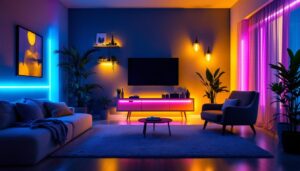
The color of the light emitted by an LED is determined by the materials used in the semiconductor. By altering the composition of the semiconductor, manufacturers can produce LEDs that emit a wide spectrum of colors, from warm white to cool blue. This versatility allows for creative applications in various settings, from cozy residential environments to vibrant commercial spaces. Additionally, advancements in technology have led to the development of RGB (Red, Green, Blue) LEDs, which can mix colors to create an almost infinite palette, perfect for mood lighting and dynamic displays.
Components of an LED Light
Understanding the components of an LED light is essential for lighting contractors. An LED fixture typically consists of the following parts:
- LED Chip: The heart of the LED, responsible for light emission.
- Heat Sink: A crucial component that dissipates heat to prevent overheating and prolong the lifespan of the LED.
- Driver: Converts the incoming electrical current to a suitable form for the LED chip, ensuring consistent performance.
- Lens: Focuses and directs the emitted light, influencing the beam angle and light distribution.
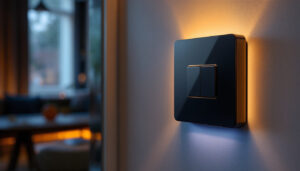
In addition to these primary components, many LED fixtures also incorporate a housing or casing that protects the internal components from environmental factors such as dust and moisture. This is particularly important for outdoor lighting applications, where durability and weather resistance are paramount. Moreover, some advanced LED systems include smart technology that allows users to control the lighting remotely via smartphones or home automation systems, adding convenience and enhancing energy management.
Another noteworthy aspect of LED technology is its environmental impact. LEDs contain no hazardous materials like mercury, which is commonly found in fluorescent bulbs, making them a safer choice for both users and the planet. Furthermore, their energy efficiency means that using LEDs can significantly reduce greenhouse gas emissions associated with electricity production. As more consumers and businesses make the switch to LED lighting, the cumulative effect can lead to substantial energy savings and a lower carbon footprint, contributing to a more sustainable future.
Advantages of LED Lighting
LED lighting offers numerous advantages over traditional lighting options, making it a preferred choice for many applications. Lighting contractors should be well-versed in these benefits to effectively communicate them to clients.
Energy Efficiency
One of the most significant advantages of LED lighting is its energy efficiency. LEDs consume significantly less power than incandescent or fluorescent bulbs, often using up to 80% less energy. This efficiency translates to lower electricity bills for clients and a reduced carbon footprint, making LEDs an environmentally friendly option. Furthermore, the reduced energy consumption means that less strain is placed on power plants, which can contribute to a more stable energy grid and lower greenhouse gas emissions. As more businesses and homeowners become aware of their environmental impact, the shift towards LED lighting becomes not just a trend but a necessary step towards sustainability.
Longevity and Durability
LEDs have an impressive lifespan, often lasting 25,000 to 50,000 hours or more, compared to traditional bulbs that may last only 1,000 hours. This longevity reduces the frequency of replacements, saving clients both time and money. Additionally, LEDs are more durable, as they are solid-state devices that are less prone to breakage compared to fragile glass bulbs. The robustness of LED technology also means they can withstand extreme temperatures and vibrations, making them ideal for a variety of settings, from industrial environments to outdoor applications. This resilience ensures that clients can rely on their lighting solutions even in challenging conditions, further enhancing the appeal of LED installations.
Versatility in Design
Another remarkable advantage of LED lighting is its versatility in design. LEDs come in a wide range of colors and styles, allowing for creative applications in both residential and commercial spaces. Whether it’s for accent lighting, task lighting, or ambient illumination, LEDs can be tailored to meet specific aesthetic and functional needs. Additionally, advancements in LED technology have led to the development of smart lighting solutions that can be controlled remotely, providing users with the ability to adjust brightness and color temperature according to their preferences. This level of customization not only enhances the user experience but also allows for energy savings through smart scheduling and automation.
Applications of LED Lighting
LED lighting is versatile and can be used in various applications, from residential to commercial settings. Understanding these applications can help lighting contractors recommend suitable solutions for their clients.
Residential Lighting
In residential settings, LEDs can be used for general lighting, accent lighting, and task lighting. They are ideal for fixtures such as recessed lights, under-cabinet lighting, and outdoor landscape lighting. The ability to produce a range of color temperatures allows homeowners to create the desired ambiance in their spaces.
Commercial and Industrial Lighting
In commercial and industrial environments, LED lighting is often used for its energy-saving capabilities and long lifespan. Warehouses, offices, and retail spaces benefit from the bright, efficient illumination that LEDs provide. Additionally, many businesses are now adopting smart lighting systems that integrate LEDs with sensors and controls for enhanced energy management.
Outdoor and Street Lighting
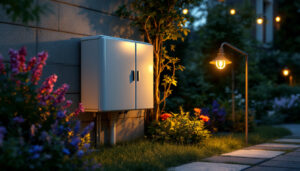
LEDs are increasingly being used for outdoor lighting applications, including streetlights, parking lots, and pathways. Their ability to provide bright, focused light enhances safety and visibility while reducing energy consumption. Moreover, many municipalities are transitioning to LED street lighting to lower operational costs and improve public safety.
Installation Considerations for LED Lighting
While LED lighting offers numerous benefits, proper installation is crucial to ensuring optimal performance and longevity. Lighting contractors must be aware of various factors that can impact the installation process.
Wattage and Compatibility
When replacing traditional bulbs with LEDs, it is essential to consider wattage equivalency. LEDs consume significantly less power, so selecting the right wattage equivalent is crucial for achieving the desired brightness. Additionally, ensuring compatibility with existing fixtures and dimmers is vital, as not all LED products work seamlessly with older systems.
Heat Management
Effective heat management is critical for LED performance. Proper installation should include adequate ventilation and the use of heat sinks to dissipate heat generated by the LED. Failure to manage heat can lead to reduced efficiency and a shorter lifespan for the lighting system.
Challenges and Limitations of LED Lighting
Despite the numerous advantages, LED lighting does come with its set of challenges and limitations. Being aware of these can help lighting contractors better serve their clients and address any concerns.
Initial Cost
The initial cost of LED fixtures can be higher than traditional lighting options. While the long-term savings on energy bills and maintenance costs often justify the investment, some clients may be hesitant to make the switch due to upfront expenses. Lighting contractors should emphasize the long-term benefits and potential return on investment to alleviate these concerns.
Color Rendering Index (CRI)
Color rendering is an important aspect of lighting that affects how colors appear in a given environment. While many LEDs offer excellent color rendering, some lower-quality options may have a lower Color Rendering Index (CRI), which can distort colors. Lighting contractors should ensure that the selected LEDs have a high CRI, especially for applications where color accuracy is critical, such as in art galleries or retail spaces.
Future Trends in LED Lighting
The LED lighting industry is continuously evolving, with new technologies and innovations on the horizon. Staying informed about these trends can help lighting contractors remain competitive and provide cutting-edge solutions to clients.
Smart Lighting Integration
Smart lighting is becoming increasingly popular, allowing users to control their lighting systems through mobile apps or voice commands. Integration with smart home systems enables features such as scheduling, dimming, and color changing, providing enhanced convenience and energy savings. Lighting contractors should explore smart LED options to offer clients comprehensive lighting solutions.
Human-Centric Lighting
Human-centric lighting focuses on creating lighting environments that support human well-being and productivity. This approach considers factors such as color temperature and intensity, mimicking natural light patterns to enhance mood and performance. As awareness of the impact of lighting on health grows, lighting contractors should consider incorporating human-centric designs into their projects.
Conclusion
Understanding how LED lighting works is essential for lighting contractors looking to provide the best solutions for their clients. With its energy efficiency, longevity, and versatility, LED technology is revolutionizing the lighting industry. By staying informed about the advantages, applications, installation considerations, and future trends, lighting contractors can position themselves as knowledgeable professionals in a rapidly evolving field.
As the demand for sustainable and efficient lighting solutions continues to rise, embracing LED technology will not only benefit contractors but also contribute positively to the environment and the communities they serve. By equipping themselves with the right knowledge and skills, lighting contractors can lead the way in the transition to a brighter, more energy-efficient future.
Illuminate Your Projects with LumenWholesale
Ready to harness the power of LED lighting for your next project? At LumenWholesale, we provide lighting contractors with the highest quality, spec-grade LED products at prices that can’t be beaten. Say goodbye to inflated markups and hello to a vast selection of lighting solutions that meet rigorous industry standards. With free shipping on bulk orders, you can stock up on premium lighting without worrying about hidden fees. Elevate your lighting game and give your clients the efficiency, longevity, and versatility they deserve. Discover the perfect fusion of quality, affordability, and convenience. Visit LumenWholesale now for Wholesale Lighting at the Best Value.