Understanding the Shift from Traditional Fluorescent Tubes to 8Ft LED Replacements
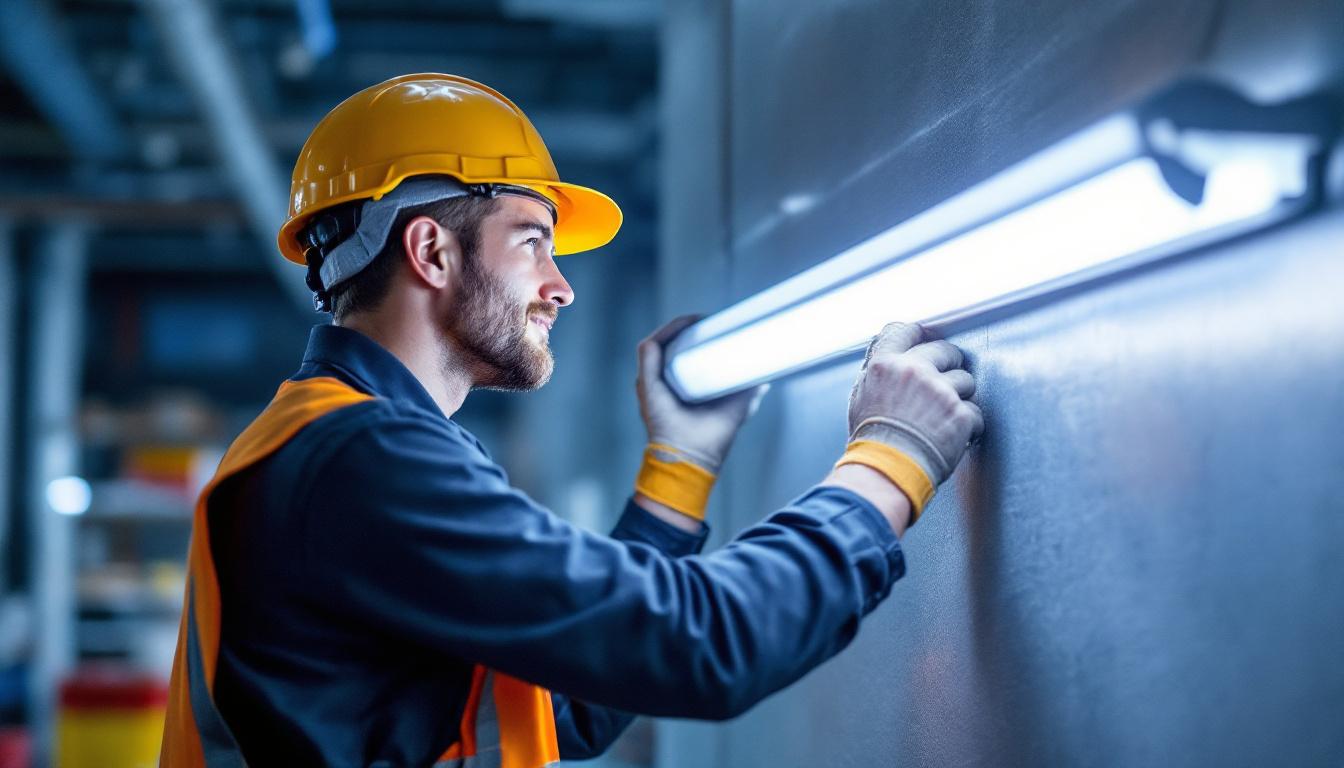
The lighting industry has seen a significant transformation with the rise of LED technology, particularly in the realm of commercial and industrial lighting. For lighting contractors, the transition from traditional 8ft fluorescent tubes to LED replacements is not just a trend but a necessary evolution driven by efficiency, cost savings, and environmental considerations.
Traditional fluorescent tubes have long been a staple in warehouses, office buildings, and retail spaces due to their relatively low initial cost and widespread availability. However, their drawbacks—including shorter lifespan, higher energy consumption, and the presence of hazardous materials like mercury—have paved the way for LED alternatives.
LED 8ft tubes offer superior energy efficiency, often consuming up to 50-60% less power than their fluorescent counterparts. This reduction translates directly into lower operational costs for clients, a compelling selling point for contractors aiming to provide value-added services. Moreover, LEDs boast longer lifespans, frequently exceeding 50,000 hours, which reduces maintenance frequency and associated labor costs.
In addition to their practical benefits, LED lights also provide enhanced lighting quality. They offer better color rendering, which is crucial in environments where accurate color perception is important, such as in retail spaces or art galleries. The ability to choose from a variety of color temperatures allows businesses to create the desired ambiance, whether it’s a warm, inviting glow for a restaurant or a bright, energizing light for a workspace. Furthermore, many LED tubes are now available with dimming capabilities, allowing for even greater control over lighting levels and energy consumption.
Another significant advantage of switching to LED technology is the positive impact on sustainability. As businesses increasingly prioritize eco-friendly practices, the reduced carbon footprint associated with LED lighting becomes a key factor. Unlike fluorescent tubes, which can contribute to environmental pollution due to their hazardous materials, LED lights are free of toxic substances and are fully recyclable. This shift not only aligns with corporate social responsibility goals but also meets the growing demand from consumers for greener solutions. As such, lighting contractors are not just upgrading fixtures; they are also playing a vital role in promoting a more sustainable future.
Key Technical Considerations for Lighting Contractors
Compatibility and Installation Types
One of the most critical aspects contractors must assess is the compatibility of LED tubes with existing fluorescent fixtures. There are primarily three types of LED tube installations:
- Direct Replacement (Plug and Play): Designed to work with existing fluorescent ballasts, these LED tubes simplify installation but require verifying ballast compatibility to avoid flickering or premature failure.
- Ballast Bypass (Direct Wire): This method involves removing or bypassing the ballast and wiring the LED tube directly to the line voltage. It eliminates ballast-related issues and improves energy efficiency but requires more labor and electrical knowledge.
- Universal (Hybrid) Tubes: These tubes can operate with or without a ballast, offering flexibility but often at a higher initial cost.
Understanding these types ensures contractors can recommend the best solution based on client needs, existing infrastructure, and budget constraints. Furthermore, it’s crucial to consider the specific lighting requirements of the space. For instance, in commercial settings where lighting quality impacts productivity, selecting the right type of LED tube can enhance both ambiance and functionality. Contractors should also be aware of the differences in color temperature and lumen output, as these factors can significantly influence the effectiveness of the lighting solution.
Electrical and Safety Standards
Adhering to electrical codes and safety standards is paramount. Contractors must ensure that LED replacements comply with local regulations, including UL listing or equivalent certifications. Additionally, proper wiring practices during ballast bypass installations are essential to prevent electrical hazards.
Another safety consideration is the elimination of mercury, which is present in fluorescent tubes. LED tubes do not contain mercury, making disposal safer and more environmentally friendly. This factor can be a persuasive point when discussing upgrades with environmentally conscious clients. Moreover, contractors should educate clients on the long-term benefits of LED technology, such as lower energy consumption and reduced maintenance costs. By highlighting the lifespan of LED tubes, which can last up to 25,000 hours or more, contractors can help clients understand the value of investing in quality lighting solutions that not only meet safety standards but also contribute to sustainability efforts.
Performance Metrics and Quality Indicators
Color Temperature and Color Rendering Index (CRI)
Lighting quality is a critical factor for end-users. LED tubes come in various color temperatures, typically ranging from 3000K (warm white) to 6500K (daylight). Selecting the appropriate color temperature depends on the application—for example, warmer tones are preferred in retail or hospitality settings, while cooler tones suit industrial or office environments. The choice of color temperature can also influence mood and productivity; studies suggest that cooler light can enhance alertness and concentration, making it ideal for workspaces, while warmer light can create a cozy and inviting atmosphere in restaurants and lounges.
The Color Rendering Index (CRI) measures how accurately a light source reveals colors compared to natural light. LEDs with a CRI of 80 or above are generally considered good, but for applications requiring precise color discrimination, such as in art galleries or manufacturing, higher CRI values (90+) are recommended. A high CRI is particularly important in settings where color accuracy is paramount, such as in photography studios or retail environments where products need to appear true to their actual colors. Furthermore, the perception of color can also be affected by the surrounding environment, making it essential to consider both CRI and color temperature to achieve the desired visual impact.
Lumen Output and Energy Efficiency
Lumen output is a key performance metric, indicating the brightness of the LED tube. Contractors should compare lumen ratings of LED replacements with the original fluorescent tubes to ensure adequate illumination levels are maintained or improved. It is also important to consider the distribution of light; some LED tubes offer better beam angles that can enhance the overall lighting effect in a space, reducing the need for additional fixtures and further optimizing energy use.
Energy efficiency is often expressed in lumens per watt (lm/W). Modern 8ft LED tubes typically achieve 100-140 lm/W, significantly outperforming fluorescent tubes, which average around 60-90 lm/W. This efficiency translates into substantial energy savings over the fixture’s lifetime. Additionally, the longevity of LED tubes—often rated for 25,000 to 50,000 hours—means that not only do they consume less energy, but they also reduce maintenance costs associated with frequent replacements. As organizations increasingly prioritize sustainability, the shift to energy-efficient lighting solutions like LED tubes not only supports environmental goals but also contributes to lower operational costs, making them an attractive investment for commercial and industrial applications alike.
Economic and Environmental Benefits for Clients
Cost Savings Over Time
While LED tubes may have a higher upfront cost compared to fluorescent tubes, the total cost of ownership favors LEDs due to lower energy consumption and reduced maintenance expenses. For large-scale installations, these savings can be considerable, often resulting in payback periods of less than two years.
Lighting contractors can leverage these financial benefits when pitching LED upgrades, providing clients with detailed return-on-investment (ROI) analyses that highlight long-term savings and operational efficiencies.
Environmental Impact and Sustainability
LED lighting contributes to sustainability goals by reducing energy demand and minimizing hazardous waste. The absence of mercury in LED tubes simplifies disposal and reduces environmental risks associated with fluorescent tube breakage and disposal.
Additionally, many regions offer incentives or rebates for energy-efficient lighting upgrades, which contractors should explore and communicate to clients as part of the project planning process. These incentives can further improve the financial attractiveness of LED conversions.
Practical Tips for Lighting Contractors During Installation and Maintenance
Pre-Installation Assessment
Before commencing an LED tube replacement project, conduct a thorough assessment of the existing lighting infrastructure. Identify the type of fluorescent tubes and ballasts in place, fixture condition, and wiring layout. This evaluation helps determine the most suitable LED replacement type and anticipate any challenges.
Documenting the current lighting levels and client expectations is also advisable to ensure the new installation meets or exceeds performance requirements.
Installation Best Practices
Ensure power is fully disconnected before beginning work to maintain safety. When performing ballast bypass installations, verify wiring connections meticulously to avoid electrical faults. Using LED tubes with clear installation instructions and manufacturer support can reduce errors and installation time.
Consider upgrading associated components such as diffusers or reflectors to optimize light distribution and aesthetics. Proper disposal of old fluorescent tubes in accordance with local regulations is essential to maintain environmental compliance.
Post-Installation Verification and Client Education
After installation, verify that all fixtures operate correctly without flickering or dimming. Measure light levels to confirm compliance with project specifications.
Educate clients on the benefits of LED lighting, including maintenance schedules and potential future upgrades. Providing maintenance tips can enhance client satisfaction and foster long-term relationships.
Emerging Trends and Innovations in 8Ft LED Tubes
Lighting technology continues to evolve rapidly. Recent innovations include smart LED tubes with integrated sensors for occupancy and daylight harvesting, enabling further energy savings and automation capabilities.
Advancements in LED chip technology and thermal management have improved lumen output and lifespan even further, offering contractors new opportunities to deliver cutting-edge solutions.
Additionally, the growing emphasis on human-centric lighting—adjusting color temperature and intensity to support circadian rhythms—is influencing product development and client preferences, especially in office and healthcare environments.
Conclusion: Empowering Lighting Contractors with Knowledge for Successful LED Upgrades
For lighting contractors, mastering the nuances of 8ft LED fluorescent tube replacements is essential to meet client demands and stay competitive. Understanding compatibility, performance metrics, installation techniques, and economic benefits enables contractors to provide expert guidance and deliver high-quality lighting solutions.
As energy efficiency and sustainability become increasingly prioritized, LED technology will remain at the forefront of commercial lighting upgrades. Contractors who stay informed and embrace these advancements will be well-positioned to lead successful projects that benefit both clients and the environment.
Upgrade Your Lighting Projects with LumenWholesale
Ready to take your lighting projects to the next level? At LumenWholesale, we provide lighting contractors with the highest quality 8ft LED fluorescent tube replacements at unbeatable wholesale prices. Our spec-grade lighting products are designed to meet the highest industry standards, ensuring you deliver reliable and high-performance lighting solutions. With free shipping on bulk orders, you can get premium lighting at the best value — without any hidden fees. Elevate your lighting installations with the perfect blend of quality, affordability, and convenience. Visit LumenWholesale today and experience Wholesale Lighting at the Best Value for your next project.