Understanding the Importance of Fluorescent Light Covers
Fluorescent lighting remains a staple in commercial, industrial, and institutional settings due to its energy efficiency and long lifespan. However, the light covers—or diffusers—that protect and enhance these fixtures often receive less attention despite their critical role. For lighting professionals, understanding why and when to replace fluorescent light covers is essential to maintaining optimal lighting quality, safety standards, and aesthetic appeal.
Light covers serve multiple functions: they protect the fluorescent tubes from dust, moisture, and physical damage; they diffuse the light to reduce glare and improve visual comfort; and they contribute to the fixture’s overall energy efficiency by ensuring light is properly directed. Over time, covers can discolor, crack, or become brittle, diminishing their effectiveness and potentially violating building codes or workplace safety regulations. Regular inspections and timely replacements are crucial in prolonging the lifespan of both the fixtures and the bulbs they house, ultimately leading to a more sustainable lighting solution.
Impact on Lighting Quality and Energy Efficiency
Discolored or damaged light covers can reduce light output by up to 30%, according to lighting industry research. This reduction not only affects visibility and occupant comfort but also leads to increased energy consumption as additional lighting or higher wattage bulbs are used to compensate. For contractors, maintaining clean, intact covers is a straightforward way to support clients’ sustainability goals and reduce operational costs. Furthermore, the aesthetic aspect of well-maintained light covers cannot be overlooked; they contribute to the overall ambiance of a space, influencing how occupants perceive and interact with their environment. In settings such as offices, schools, and hospitals, where lighting plays a vital role in productivity and well-being, ensuring the quality of light is paramount.
Health and Safety Considerations
Damaged covers can expose fluorescent tubes to dust and moisture, increasing the risk of electrical faults or breakage. Broken covers also pose a physical hazard, with sharp edges or falling debris creating potential injury risks. Ensuring covers are replaced promptly aligns with occupational health and safety standards, protecting both maintenance personnel and building occupants. Additionally, the accumulation of dust and grime on light covers can harbor allergens and irritants, further compromising indoor air quality. Regular maintenance not only safeguards physical health but also contributes to a more pleasant and productive atmosphere. In environments like hospitals, where cleanliness is critical, the integrity of light covers can significantly impact both patient care and staff efficiency, making it essential to prioritize their upkeep.
Pre-Change Assessment: What Lighting Professionals Need to Know
Before initiating the replacement process, a thorough assessment is crucial. This step ensures that the correct materials are selected, and the work is completed efficiently and safely.
Inspecting the Existing Fixtures
Begin by examining the condition of the current covers. Look for signs of yellowing, cracking, warping, or cloudiness. Also, check for any loose fittings or mounting hardware that may affect the cover’s stability. Documenting these conditions helps in planning replacements and communicating with clients about necessary repairs or upgrades. Additionally, consider the overall aesthetic of the fixtures; outdated or damaged covers can detract from the visual appeal of a space, impacting both functionality and ambiance.
Identifying the Cover Type and Material
Fluorescent light covers come in various materials including acrylic, polycarbonate, and prismatic glass. Each has distinct properties regarding durability, light diffusion, and cost. For example, polycarbonate covers offer superior impact resistance, making them ideal for high-traffic areas, whereas acrylic covers provide excellent clarity and are often more cost-effective. Accurate identification ensures compatibility and performance post-installation. Furthermore, understanding the environmental impact of these materials can guide professionals in making sustainable choices, such as selecting recyclable options or those with lower carbon footprints.
Measuring for Accurate Replacement
Precise measurements of the cover dimensions are essential. This includes length, width, thickness, and any unique mounting features. Incorrect sizing can lead to installation difficulties or the need for costly returns and reorderings. Using a calibrated tape measure and double-checking dimensions can prevent such issues. It’s also wise to consider any potential changes in lighting technology that may affect the size and shape of future fixtures. For instance, LED retrofits might require different cover specifications, so staying informed about evolving standards can enhance the longevity and efficiency of the installation.
Tools and Materials Required for Changing Fluorescent Light Covers
Equipping the right tools and materials is fundamental to a smooth and professional replacement process. Lighting contractors should prepare the following:
Essential Tools
- Safety Gear: Gloves, safety glasses, and dust masks to protect against glass shards and dust.
- Step Ladder or Scaffolding: Depending on fixture height, stable access equipment is necessary.
- Screwdrivers and Nut Drivers: For removing and securing mounting hardware.
- Measuring Tape: To verify dimensions during installation.
- Soft Cloth or Brush: For cleaning fixtures before installing new covers.
Materials
- Replacement Covers: Selected based on assessment findings.
- Mounting Clips or Brackets: If existing hardware is damaged or worn.
- Cleaning Solutions: Non-abrasive cleaners suitable for the cover material.
In addition to the essential tools and materials, it is also beneficial to have a few extra items on hand to ensure that the job goes off without a hitch. For instance, a voltage tester can be invaluable for confirming that the power is off before beginning any work, thereby enhancing safety. Furthermore, having a flashlight or portable work light can help illuminate the workspace, especially in dimly lit areas where fluorescent fixtures are often located. This additional lighting can make it easier to see the details of the installation and avoid any potential mishaps.
Moreover, it is wise to consider the type of fluorescent light covers being installed. Different environments may call for specific materials, such as polycarbonate for high-impact areas or acrylic for a more aesthetic finish. Understanding the unique requirements of each space can lead to better performance and longevity of the covers. Additionally, contractors should be aware of any local regulations or codes regarding lighting fixtures, as compliance may influence the choice of materials and installation methods. Taking these factors into account will not only ensure a successful installation but also contribute to the overall safety and efficiency of the lighting system.
Step-by-Step Process for Changing Fluorescent Light Covers
Following a systematic approach ensures efficiency and reduces the risk of damage to fixtures or injury to personnel.
1. Preparation and Safety Checks
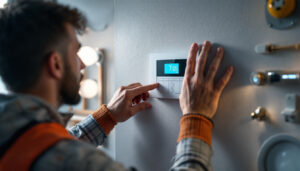
Turn off power to the lighting circuit at the breaker panel to prevent electrical hazards. Confirm power is off using a voltage tester. Set up ladders or scaffolding securely and wear all recommended personal protective equipment. It’s also wise to inform others in the vicinity that maintenance work is in progress, as this can prevent accidental power restoration or unintended interruptions. Additionally, ensuring that the work area is free of clutter can help minimize the risk of slips and falls, allowing for a safer and more efficient workflow.
2. Removing the Old Cover
Carefully detach mounting clips or unscrew any fasteners holding the cover. Gently lower the cover to avoid dropping or breaking it. If the cover is stuck due to age or grime, apply slight pressure evenly or use a plastic scraper to loosen edges without damaging the fixture. In some cases, older covers may have accumulated layers of dust or even insect debris, which can make removal more challenging. Taking the time to inspect the condition of the cover before removal can provide insights into whether additional cleaning or repairs are needed for the fixture itself.
3. Cleaning the Fixture
Before installing the new cover, clean the fixture housing and bulbs with a soft cloth and appropriate cleaner. Removing dust and dirt ensures optimal light output and prevents premature discoloration of the new cover. It’s also beneficial to check for any signs of wear or damage to the bulbs, as replacing them during this process can enhance overall lighting quality. Consider using a microfiber cloth for better dust capture, and be cautious around electrical components to avoid any accidental damage or shock.
4. Installing the New Cover
Align the new cover carefully with the fixture. Secure it using the original or replacement mounting hardware, ensuring it fits snugly without forcing. Check for any gaps or misalignment that could compromise protection or aesthetics. If the new cover features a different design or material, take a moment to review any specific installation instructions provided by the manufacturer. This can help ensure that the cover not only fits well but also functions as intended, providing the right level of light diffusion and protection for the bulbs.
5. Final Inspection and Testing
Restore power and test the lighting to confirm proper operation. Inspect the cover for stability and uniform light diffusion. Document the replacement for maintenance records and client reporting. Additionally, it may be helpful to schedule a follow-up inspection after a few weeks to ensure that the new cover remains securely in place and that the lighting quality meets expectations. Keeping a record of maintenance activities can also assist in planning future replacements, ensuring that the lighting system remains efficient and effective over time.
Best Practices and Tips for Lighting Contractors
Adopting best practices not only improves work quality but also enhances client satisfaction and safety compliance.
Scheduling Regular Maintenance
Recommend clients schedule periodic inspections and cleanings of fluorescent fixtures. Proactive maintenance can extend the lifespan of both covers and bulbs, reducing long-term costs and downtime.
Keeping a Stock of Common Replacement Covers
Maintaining an inventory of frequently used cover sizes and types enables quick turnaround times for service calls. This readiness can be a competitive advantage in the lighting contracting business.
Educating Clients on Cover Care
Provide clients with guidance on cleaning methods and signs that indicate cover replacement is needed. Empowering clients with knowledge helps preserve lighting quality between professional visits.
Adhering to Environmental and Disposal Regulations
Fluorescent lighting components, including covers, should be disposed of responsibly. Follow local regulations regarding recycling or hazardous waste to minimize environmental impact and maintain professional standards.
Conclusion: Elevating Lighting Quality Through Proper Cover Replacement
For lighting professionals, changing fluorescent light covers is more than a routine task—it’s a critical service that directly influences lighting performance, safety, and client satisfaction. By following a comprehensive checklist—from assessment and tool preparation to installation and maintenance—contractors can ensure their work meets the highest standards.
Investing time and expertise into this often-overlooked aspect of lighting maintenance not only enhances the visual environment but also supports energy efficiency and workplace safety. Ultimately, mastering fluorescent light cover replacement positions lighting professionals as trusted partners in creating well-lit, safe, and sustainable spaces.
Get Your Premium Lighting Supplies at LumenWholesale
Ready to elevate your lighting projects with the highest quality covers and fixtures? Look no further than LumenWholesale for all your lighting needs. Our spec-grade products promise unmatched performance and durability, ensuring your installations stand the test of time. With our competitive wholesale pricing and the convenience of free shipping on bulk orders, you can confidently stock up on the best lighting products without breaking the bank. Don’t let inflated costs dim your project’s potential. Visit LumenWholesale today and discover the ideal blend of quality, value, and service for lighting professionals like you.