Understanding the Growing Demand for Home Office Lighting
The rise of remote work and flexible office arrangements has transformed the way people use their living spaces. Home offices have become an essential part of many households, and with that shift comes a growing demand for specialized lighting solutions tailored to these environments. For lighting contractors, this trend offers a significant opportunity to expand their services and meet the evolving needs of clients.
Statistics indicate that a substantial portion of the workforce now spends at least part of their week working from home. This shift has created a need for lighting that not only supports productivity but also promotes comfort and well-being. Unlike traditional commercial office lighting, home office lighting must balance functionality with aesthetics, fitting seamlessly into residential spaces.
Understanding the unique requirements of home office lighting is crucial for contractors aiming to provide value-added services. This guide delves into the key considerations, best practices, and innovative solutions that lighting professionals should know to excel in this growing market segment.
One of the primary considerations for home office lighting is the importance of natural light. Studies show that exposure to daylight can significantly enhance mood and productivity, making it a vital component of any home office design. Contractors should encourage clients to position their desks near windows whenever possible and consider the use of sheer curtains or blinds that can diffuse harsh sunlight while still allowing natural light to filter through. Additionally, the integration of adjustable lighting fixtures can help mimic the effects of natural light throughout the day, adapting to the changing needs of the workspace.
Moreover, the psychological impact of color temperature in lighting cannot be overlooked. Warmer light tones can create a cozy and inviting atmosphere, ideal for creative tasks, while cooler tones are often better suited for analytical work, as they promote alertness and focus. By educating clients on the significance of color temperature and offering a range of lighting options—from LED desk lamps to overhead fixtures—contractors can help create an environment that not only meets functional needs but also enhances overall well-being and productivity in the home office setting.
Key Considerations When Designing Home Office Lighting
Balancing Functionality and Comfort
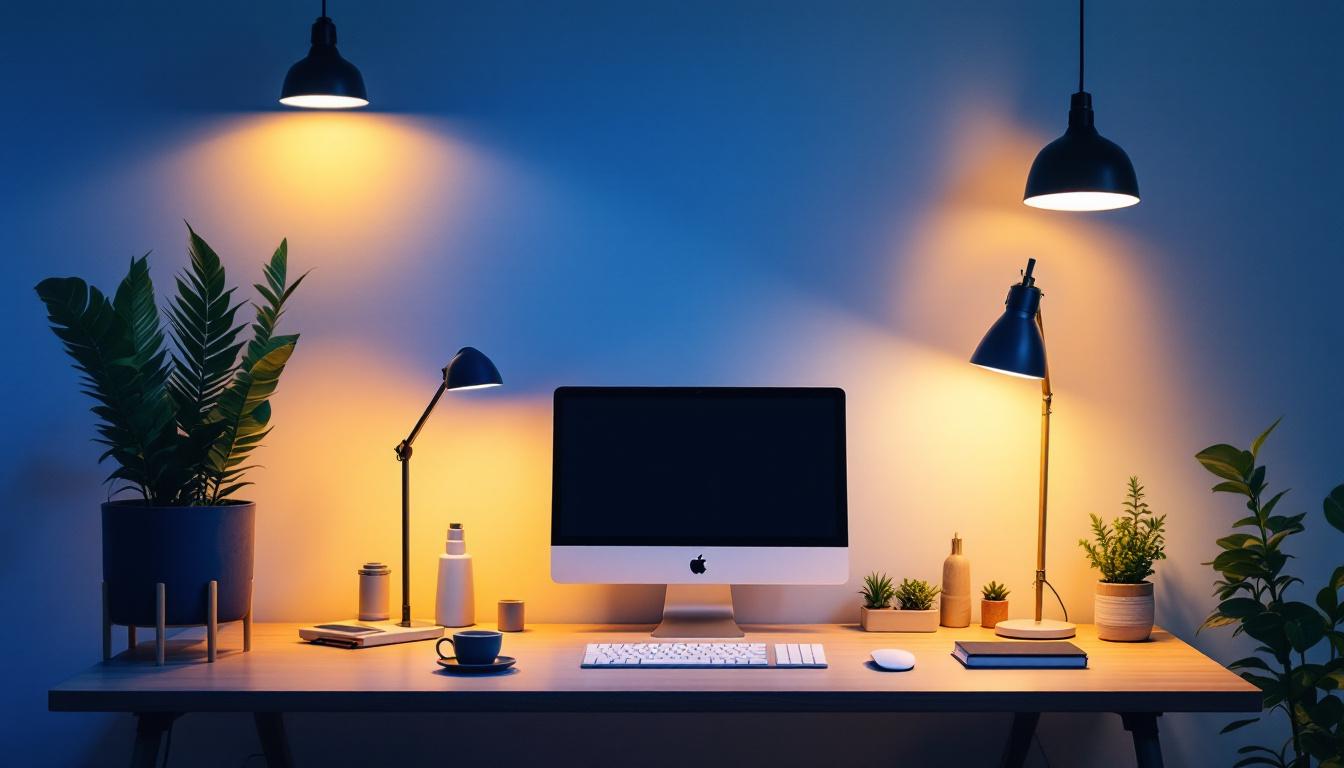
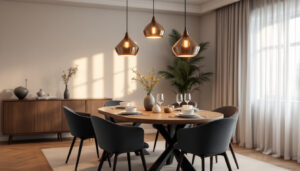
Lighting in a home office must prioritize functionality to support tasks such as reading, typing, and video conferencing. However, it should also contribute to a comfortable and inviting atmosphere. Unlike commercial offices that often rely on uniform overhead lighting, home offices benefit from a layered lighting approach that combines ambient, task, and accent lighting.
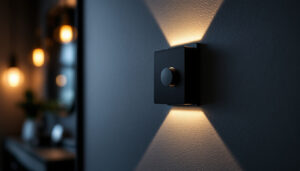
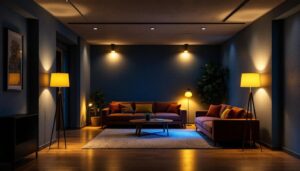
Ambient lighting provides general illumination, ensuring the room is evenly lit without harsh shadows. Task lighting focuses on specific work areas, such as desks or reading nooks, providing bright, direct light to reduce eye strain. Accent lighting adds warmth and personality, helping to create a space that feels both professional and personal. For instance, strategically placed floor lamps or wall sconces can enhance the aesthetic appeal of the room while serving practical purposes. Additionally, incorporating natural light through windows or skylights can significantly improve the overall ambiance, fostering a more productive and pleasant work environment.
Color Temperature and Its Impact on Productivity
Color temperature plays a critical role in influencing mood and productivity. Cooler light temperatures (around 4000K to 5000K) mimic daylight and are known to enhance alertness and concentration, making them ideal for task lighting in home offices. Warmer temperatures (2700K to 3000K), on the other hand, create a relaxing environment and are better suited for ambient or accent lighting.
Lighting contractors should advise clients on selecting fixtures with adjustable color temperatures or layering different light sources to achieve the optimal balance. This flexibility allows users to tailor their lighting environment based on the time of day and the nature of their work. For example, during early morning hours, a cooler light can help jumpstart the day, while transitioning to warmer tones in the evening can signal the end of the workday, promoting relaxation. Moreover, the use of smart lighting systems can further enhance this adaptability, allowing users to control their lighting through apps or voice commands, seamlessly integrating technology into their workspace.
Minimizing Glare and Eye Strain
Glare from poorly positioned lights or reflective surfaces can cause discomfort and reduce productivity. Contractors must carefully plan fixture placement to avoid direct light in the user’s line of sight and minimize reflections on computer screens. Using diffusers, matte finishes, and adjustable fixtures can help control glare effectively.
Incorporating dimmable lighting solutions also enables users to adjust brightness levels according to their preferences and ambient light conditions, further reducing eye strain during long working hours. Additionally, considering the use of anti-glare screens for monitors can complement good lighting design, creating a more comfortable viewing experience. Regular breaks from screen time, combined with optimal lighting, can significantly contribute to maintaining eye health. Furthermore, integrating plants or artwork into the workspace can provide visual breaks and enhance the overall aesthetic, making the environment not only functional but also inspiring and rejuvenating.
Popular Lighting Solutions for Home Offices
LED Technology: Efficiency Meets Versatility
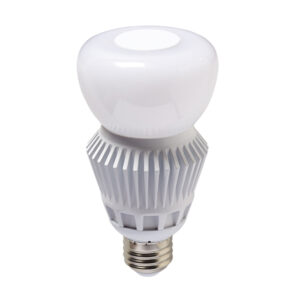
LED lighting has become the standard choice for home office environments due to its energy efficiency, longevity, and versatility. LEDs offer a wide range of color temperatures and brightness levels, allowing contractors to customize lighting schemes precisely. Additionally, LEDs generate less heat compared to traditional incandescent bulbs, contributing to a more comfortable workspace.
Modern LED fixtures often include smart controls, enabling users to adjust lighting remotely or automate changes throughout the day. This integration with smart home systems is increasingly popular among tech-savvy clients and adds a layer of convenience and sophistication to home office setups.
Task Lighting: Desk Lamps and Under-Cabinet Fixtures
Task lighting is essential in home offices to provide focused illumination on work surfaces. Adjustable desk lamps with swivel arms and dimmable LEDs are highly favored for their flexibility and control. Under-cabinet lighting can also be effective in built-in desk areas or shelving units, providing subtle yet powerful illumination without occupying valuable desk space.
Ambient and Accent Lighting: Creating a Balanced Atmosphere
Ambient lighting can be achieved through ceiling-mounted fixtures, recessed lights, or wall sconces that provide soft, even illumination. Accent lighting, such as LED strips behind monitors or artwork lighting, adds depth and personality to the space. These elements help reduce the starkness of purely functional lighting and contribute to a more inviting environment.
Installation Best Practices for Lighting Contractors
Assessing the Space and Client Needs
Successful home office lighting installations begin with a thorough assessment of the space and client requirements. Contractors should evaluate room size, natural light availability, furniture layout, and the types of tasks performed. Understanding the client’s daily routine and preferences ensures the lighting design supports their workflow and comfort.
Discussing technology integration, such as smart lighting controls or compatibility with existing home automation systems, is also essential. This upfront communication helps avoid costly changes later and ensures client satisfaction.
Compliance with Electrical Codes and Safety Standards
Lighting contractors must adhere to local electrical codes and safety standards during installation. Proper wiring, grounding, and fixture mounting are critical to prevent hazards. Additionally, using energy-efficient fixtures and controls can help clients reduce electricity consumption and comply with environmental regulations.
Providing Maintenance and Upgrade Advice
Clients appreciate guidance on maintaining their lighting systems to ensure longevity and performance. Contractors should educate homeowners on cleaning fixtures, replacing bulbs, and troubleshooting common issues. Offering upgrade options, such as replacing outdated fixtures with smart LEDs or adding dimmers, can foster ongoing relationships and generate repeat business.
Emerging Trends and Innovations in Home Office Lighting
Human-Centric Lighting
Human-centric lighting (HCL) focuses on mimicking natural light patterns to support circadian rhythms and overall well-being. This approach uses dynamic lighting systems that adjust color temperature and intensity throughout the day, promoting alertness during work hours and relaxation afterward. For lighting contractors, incorporating HCL solutions can differentiate their offerings and appeal to health-conscious clients.
Integration with Smart Home Ecosystems
Smart lighting systems that integrate with voice assistants and home automation platforms are becoming increasingly popular. These systems allow users to control lighting scenes, schedules, and brightness levels through apps or voice commands. Contractors should stay informed about the latest smart lighting products and installation techniques to meet this demand effectively.
Sustainable and Eco-Friendly Lighting Options
Environmental considerations are influencing client choices more than ever. Lighting contractors can promote sustainable options such as energy-efficient LEDs, fixtures made from recycled materials, and solar-powered lights where applicable. Highlighting the long-term cost savings and environmental benefits of these solutions can resonate strongly with eco-conscious homeowners.
Conclusion: Positioning Yourself as a Home Office Lighting Expert
The shift toward remote work has created a vibrant market for home office lighting solutions. Lighting contractors who understand the unique challenges and opportunities in this space can establish themselves as trusted experts and expand their business.
By focusing on functional, comfortable, and aesthetically pleasing lighting designs, leveraging advanced LED and smart technologies, and adhering to best installation practices, contractors can deliver exceptional value to clients. Staying current with emerging trends such as human-centric lighting and sustainability will further enhance their competitive edge.
Ultimately, the key to success lies in combining technical expertise with a client-centered approach, ensuring each home office is illuminated to support productivity, health, and personal style.
Illuminate Your Projects with LumenWholesale
Ready to elevate your lighting game and become the go-to expert for home office lighting solutions? At LumenWholesale, we provide lighting contractors with the superior, spec-grade lighting products you need to outshine the competition. With our unbeatable wholesale prices and commitment to quality, you can confidently meet the growing demand for functional, comfortable, and stylish home office lighting. Say goodbye to inflated markups and hello to hassle-free bulk buying with free shipping. Don’t compromise on quality or value—choose LumenWholesale for your next project and experience the ultimate in affordability and convenience. Wholesale Lighting at the Best Value is just a click away.