Understanding Flat Panel LED Lights 2×4: A Foundation for Lighting Contractors
Flat panel LED lights in the 2×4 size have become a cornerstone in commercial and institutional lighting projects. Their slim profile, energy efficiency, and uniform light distribution make them a preferred choice for offices, schools, hospitals, and retail spaces. For lighting contractors, mastering the nuances of these fixtures is essential to delivering high-quality, sustainable lighting solutions that meet client expectations and regulatory standards.
The 2×4 dimension refers to the fixture’s size—approximately 2 feet by 4 feet—making it ideal for standard ceiling grids. This size balances coverage and ease of installation, providing broad, even illumination that reduces shadows and glare. Understanding the technical specifications, such as lumen output, color temperature, and dimming capabilities, allows contractors to tailor installations to specific environments and client needs.
Key Technical Features of 2×4 Flat Panel LEDs
Flat panel LEDs typically offer lumen outputs ranging from 3,000 to 5,000 lumens, depending on the model and manufacturer. This range ensures sufficient brightness for most commercial applications without excessive energy consumption. Color temperatures commonly span from 3000K (warm white) to 5000K (daylight), enabling contractors to select lighting that enhances productivity and comfort.
Additionally, many 2×4 flat panels come with integrated dimming options compatible with popular control systems. This feature supports energy savings and allows for dynamic lighting environments, which are increasingly in demand in modern workplaces. Contractors should verify compatibility with building automation systems and ensure proper wiring to fully leverage these capabilities.
Moreover, the design of flat panel LEDs often incorporates advanced thermal management systems that help prolong the lifespan of the fixtures. This is particularly crucial in environments with high usage, such as hospitals and schools, where lights are frequently on for extended periods. By efficiently dissipating heat, these systems not only enhance performance but also contribute to lower maintenance costs over time. Additionally, many manufacturers are now offering models with enhanced optical designs that minimize glare, making them suitable for settings where visual comfort is paramount, such as conference rooms and classrooms.
Another significant aspect of 2×4 flat panel LEDs is their versatility in installation. They can be recessed into ceilings, surface-mounted, or even suspended, providing flexibility to meet various architectural requirements. This adaptability allows contractors to work seamlessly with different ceiling types and heights, ensuring that the lighting solution is not only functional but also aesthetically pleasing. Furthermore, the lightweight nature of these fixtures simplifies handling and installation, reducing labor costs and time on the job site, which is a critical factor in competitive bidding scenarios.
Best Practices for Installation: Efficiency and Quality Assurance
Proper installation is critical to maximizing the performance and longevity of flat panel LED lights. Lighting contractors must adhere to best practices that emphasize safety, efficiency, and compliance with electrical codes.
Pre-Installation Planning and Site Assessment
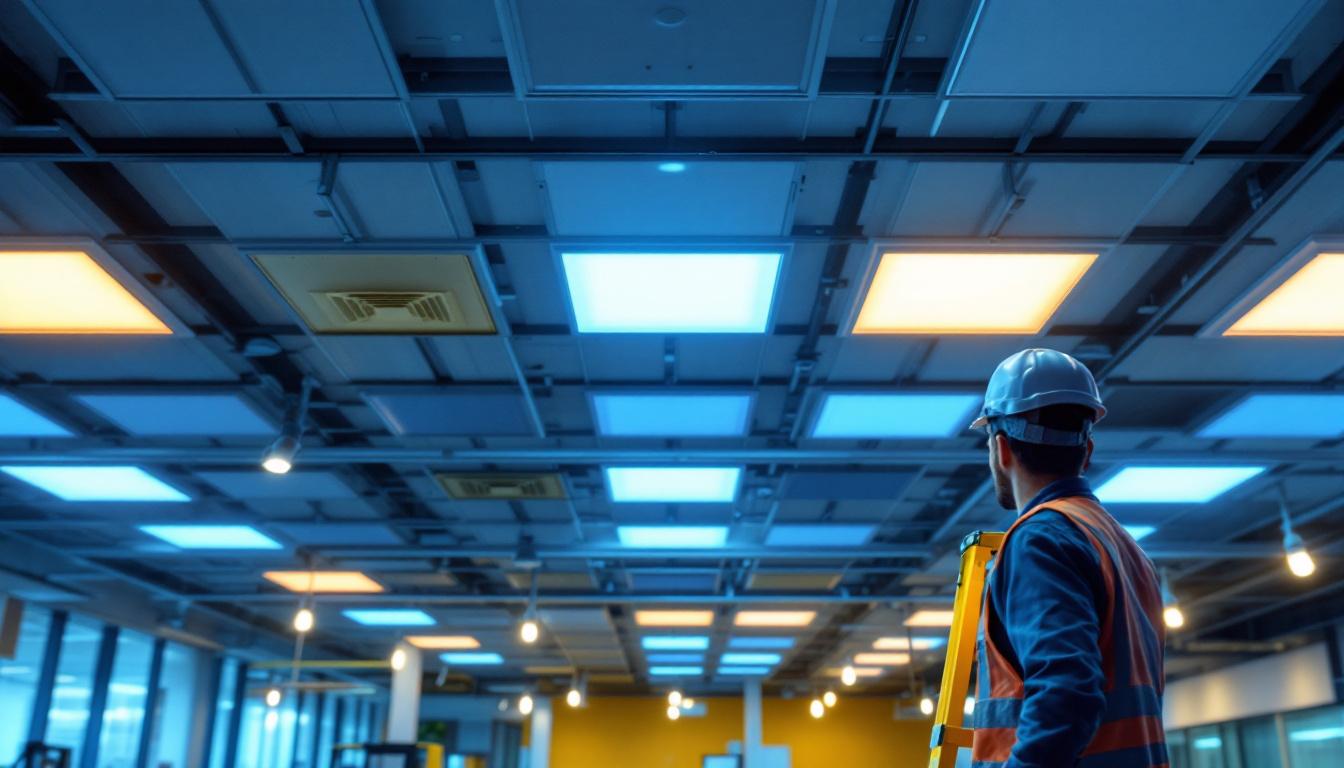
Before installation, conducting a thorough site assessment is vital. This includes measuring ceiling grid dimensions, evaluating existing wiring infrastructure, and understanding the lighting requirements of the space. Contractors should also identify potential obstacles such as HVAC ducts or sprinkler systems that might interfere with fixture placement.
Planning should also incorporate client preferences regarding light intensity and color temperature. Utilizing lighting design software can aid in visualizing the final outcome and ensuring uniform illumination. This step reduces the likelihood of costly adjustments after installation. Furthermore, it is beneficial to discuss energy efficiency options with clients, as many modern LED fixtures come with features that can significantly lower energy consumption, thus providing long-term savings on utility bills.
Installation Techniques for Optimal Performance
When installing 2×4 flat panel LEDs, contractors should ensure that fixtures are securely mounted within the ceiling grid to prevent sagging or misalignment. Attention to wiring is equally important; connections must be tight and insulated to prevent electrical faults.
Many flat panel LEDs are designed for easy retrofit, allowing contractors to replace traditional fluorescent troffers without modifying the ceiling grid. This retrofit capability can significantly reduce labor time and disruption to building occupants. However, verifying that the existing electrical supply matches the LED fixture’s requirements is essential to avoid compatibility issues. Additionally, contractors should consider the thermal management of the fixtures, ensuring that there is adequate ventilation to prevent overheating, which can adversely affect the lifespan and performance of the LEDs.
Testing and Quality Control
Post-installation testing is a critical step that ensures all fixtures operate correctly and deliver the expected light output. Contractors should check for flickering, uneven brightness, and proper dimming functionality where applicable.
Documenting the installation with photos and detailed reports can be beneficial for client records and warranty claims. Additionally, providing clients with maintenance guidelines helps extend the lifespan of the lighting system and maintain optimal performance. It is also advisable to schedule follow-up visits to assess the lighting performance after a few weeks of use, allowing for any necessary adjustments based on real-world usage and feedback from the occupants. This proactive approach not only enhances customer satisfaction but also reinforces the contractor’s commitment to quality and reliability in their work.
Energy Efficiency and Sustainability Considerations
Energy efficiency is a primary driver behind the adoption of flat panel LED lights. Lighting contractors play a pivotal role in promoting sustainable practices that reduce energy consumption and environmental impact. By prioritizing energy-efficient solutions, they not only contribute to a greener planet but also help clients achieve long-term financial savings through reduced energy bills.
Leveraging LED Technology for Energy Savings
Compared to traditional fluorescent fixtures, flat panel LEDs consume significantly less power—often up to 50% less—while delivering equal or superior illumination. This reduction translates into substantial cost savings over the lifetime of the installation. Furthermore, the longevity of LED lights, which can last up to 25,000 hours or more, means that replacements are less frequent, leading to additional savings on maintenance and disposal costs.
Contractors should emphasize the importance of selecting LED panels with high efficacy ratings (lumens per watt) and incorporating dimming controls and occupancy sensors. These features can further optimize energy use by adjusting lighting based on occupancy and daylight availability. For instance, in spaces that experience variable occupancy, such as conference rooms or restrooms, occupancy sensors can automatically turn lights off when the room is unoccupied, significantly reducing wasted energy.
Compliance with Energy Codes and Incentives
Many jurisdictions have stringent energy codes that mandate minimum efficiency standards for commercial lighting. Lighting contractors must stay informed about local regulations to ensure compliance and avoid costly rework. Understanding these codes not only helps in meeting legal requirements but also enhances the contractor’s reputation as a knowledgeable and reliable professional in the industry.
Moreover, numerous utility companies and government programs offer incentives for upgrading to energy-efficient lighting. Contractors can assist clients in navigating these programs, securing rebates that offset upfront costs and improve project economics. In addition to financial incentives, many of these programs also provide valuable resources and technical support, helping contractors and clients alike to make informed decisions about their lighting systems. By leveraging these opportunities, contractors can position themselves as leaders in sustainability while fostering a culture of energy efficiency within their client organizations.
Addressing Common Challenges and Solutions
While flat panel LED lights offer many advantages, contractors may encounter challenges during specification, installation, and maintenance phases. Understanding these issues and their solutions is key to successful project delivery.
Dealing with Glare and Light Uniformity
Improperly selected or installed panels can cause glare, leading to discomfort and reduced productivity. Contractors should recommend fixtures with diffusers designed to distribute light evenly and minimize harsh reflections.
Adjusting the layout to avoid direct line-of-sight exposure to the light source and using panels with appropriate lumen output for the space can also mitigate glare issues.
Compatibility with Existing Infrastructure
Retrofitting LED panels into older buildings may present challenges related to wiring, ceiling grid compatibility, and control system integration. Contractors should conduct comprehensive assessments and, when necessary, propose upgrades to electrical components to support LED technology.
Ensuring that dimming controls and sensors are compatible with the LED drivers is essential to prevent flickering and premature fixture failure.
Maintenance and Longevity
Although LED panels have long lifespans—often exceeding 50,000 hours—maintenance remains important. Dust accumulation on diffusers can reduce light output, and electrical components may degrade over time.
Contractors should advise clients on routine cleaning schedules and periodic inspections to maintain optimal performance. Additionally, selecting panels with accessible components simplifies future maintenance and replacements.
Enhancing Client Relationships Through Expertise and Communication
For lighting contractors, technical proficiency must be paired with clear communication and client education. Demonstrating expertise in flat panel LED technology and best practices builds trust and positions contractors as valuable partners in lighting projects.
Providing Detailed Proposals and Documentation
Comprehensive proposals that include specifications, energy savings estimates, and installation timelines help clients make informed decisions. Including visual aids, such as renderings or mock-ups, can clarify expectations and reduce misunderstandings.
Post-installation documentation, including warranty information and maintenance guidelines, further enhances client satisfaction and supports long-term relationships.
Staying Current with Industry Trends and Innovations
The lighting industry is rapidly evolving, with continuous advancements in LED technology, smart controls, and integration with building management systems. Contractors who stay informed about these trends can offer cutting-edge solutions that differentiate their services.
Participating in industry training, attending trade shows, and engaging with manufacturers ensures that contractors remain knowledgeable and competitive.
Conclusion: Mastering Flat Panel LED Lights 2×4 for Superior Project Outcomes
Flat panel LED lights in the 2×4 size represent a versatile and efficient lighting solution that meets the demands of modern commercial spaces. For lighting contractors, adhering to best practices—from thorough planning and precise installation to energy-conscious design and proactive maintenance—is essential to delivering exceptional results.
By combining technical expertise with effective client communication and a commitment to sustainability, contractors can enhance project quality, improve client satisfaction, and contribute to a more energy-efficient built environment.
Illuminate Your Projects with LumenWholesale
Ready to elevate your lighting projects with the best in 2×4 flat panel LED lights? At LumenWholesale, we offer lighting contractors the advantage of premium, spec-grade lighting products at exceptional wholesale prices. Say goodbye to local distributor markups and hello to a vast selection of industry-standard lighting solutions that promise reliability and high performance. With the added benefits of free shipping and bulk purchase ease, LumenWholesale is your go-to source for quality and value. Don’t compromise on your lighting needs. Wholesale Lighting at the Best Value is just a click away. Experience the LumenWholesale difference today!