Understanding the Importance of Hallway Lighting
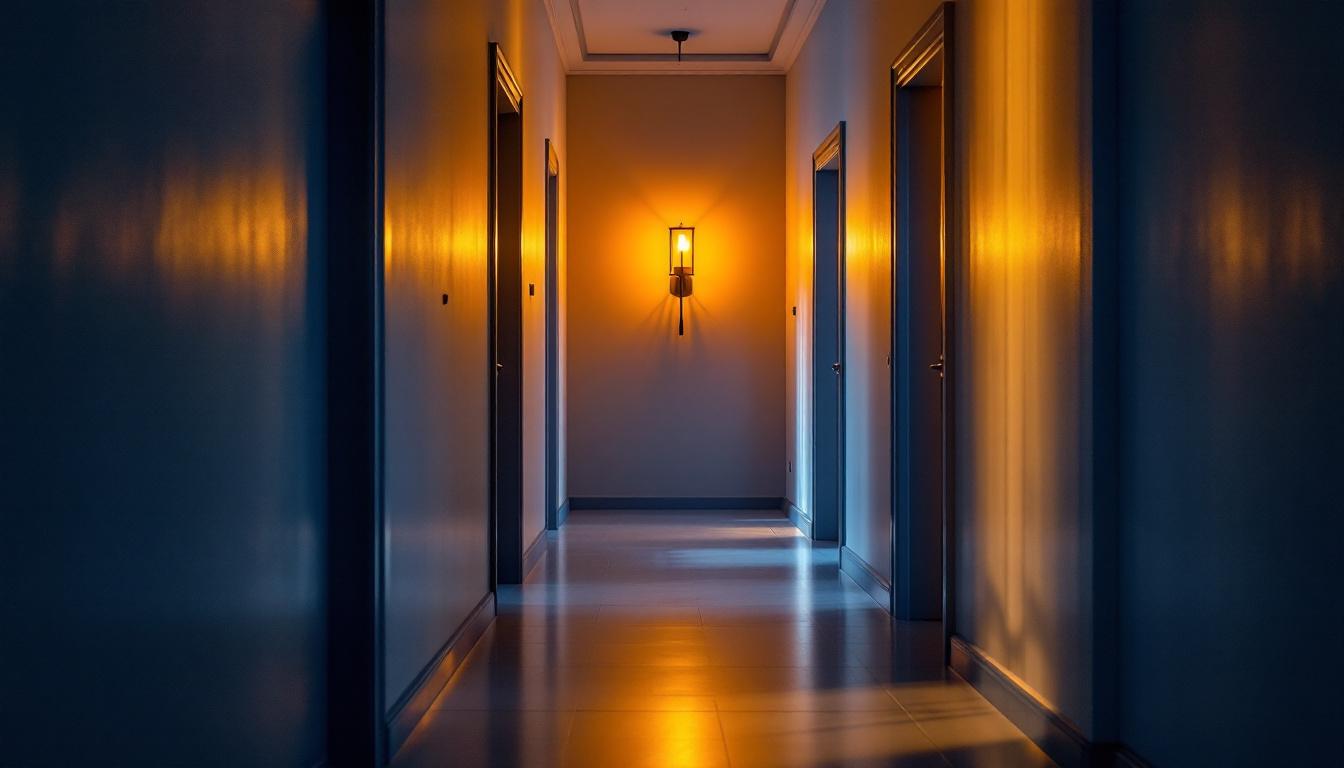
Hallways are transitional spaces that connect different areas within a building. Although often overlooked, the lighting in these spaces plays a crucial role in both functionality and aesthetics. For lighting contractors, selecting the right hallway lamps is essential to ensure safety, enhance ambiance, and complement the architectural style of the property.
Proper hallway lighting improves visibility, reducing the risk of accidents such as trips and falls. It also sets the tone for the entire interior, influencing how occupants and visitors perceive the space. Therefore, a well-chosen hallway lamp can elevate the overall design while meeting practical needs.
Balancing Functionality and Design
When choosing hallway lamps, contractors must strike a balance between functionality and design. The lighting should be bright enough to illuminate the path clearly but also subtle enough to avoid glare or harsh shadows. Additionally, the style of the lamp should harmonize with the building’s interior design, whether it’s modern, traditional, or transitional.
Understanding the purpose of the hallway is also critical. For instance, a residential hallway may prioritize warmth and comfort, while commercial or institutional hallways might focus more on durability and compliance with safety codes. In residential settings, soft, warm lighting can create an inviting atmosphere, encouraging relaxation and a sense of home. On the other hand, in commercial spaces, the use of energy-efficient LED fixtures not only saves on electricity costs but also provides bright, clear lighting that enhances security and visibility for both employees and customers.
Moreover, the placement of hallway lighting fixtures is equally important. Strategically positioning lights at regular intervals can help eliminate dark spots and enhance the overall safety of the corridor. Incorporating motion sensors can also be a valuable addition, allowing lights to activate as someone approaches, thereby conserving energy when the space is unoccupied. This thoughtful approach to hallway lighting not only improves safety but also adds a layer of convenience and modernity to the space, making it more functional and user-friendly.
Key Factors to Consider When Selecting Hallway Lamps
1. Lumens and Brightness Requirements
Lumens measure the amount of visible light emitted by a source. For hallway lighting, the recommended brightness typically ranges between 100 to 300 lumens per fixture, depending on the size of the hallway and the desired ambiance. Contractors should assess the hallway’s dimensions and natural light availability to determine the appropriate lumen output.
Overly bright lighting can cause discomfort and glare, while insufficient light compromises safety. Using dimmable lamps or integrating smart lighting controls can offer flexibility to adjust brightness according to time of day or usage. Additionally, considering the use of motion sensors can enhance convenience and energy efficiency, automatically turning lights on when someone enters the hallway and off when it’s empty.
2. Color Temperature and Light Quality
Color temperature, measured in Kelvins (K), affects the mood and appearance of a hallway. Warm white light (2700K to 3000K) creates a cozy and inviting atmosphere, making it ideal for residential settings. Neutral white (3500K to 4100K) offers a balanced tone suitable for most commercial hallways, while cool white (5000K and above) provides a crisp, energetic feel often used in institutional or industrial environments.
Lighting contractors should also consider the Color Rendering Index (CRI), which indicates how accurately a light source reveals colors. A CRI of 80 or above is generally recommended to ensure colors appear natural and vibrant. This is particularly important in spaces where artwork or decor is displayed, as accurate color representation can enhance the visual appeal and overall experience of the hallway.
3. Fixture Style and Placement
The style of hallway lamps should complement the architectural elements and interior design. Popular options include wall sconces, ceiling-mounted fixtures, recessed lighting, and pendant lamps. Each type offers different benefits:
- Wall sconces: Provide ambient or accent lighting and can add decorative appeal.
- Ceiling-mounted fixtures: Offer general illumination and are suitable for low ceilings.
- Recessed lighting: Creates a clean, modern look and is ideal for narrow hallways.
- Pendant lamps: Add character and are effective in hallways with higher ceilings.
Placement is equally important. Lighting should be evenly distributed to avoid dark spots and shadows. For longer hallways, multiple fixtures spaced appropriately ensure consistent illumination. Moreover, considering the height at which fixtures are installed can significantly impact the light distribution; fixtures placed too high may not provide adequate light at eye level, while those too low can create an overwhelming brightness. Thoughtful placement, combined with the right fixture style, can transform a simple hallway into a welcoming and functional space.
In addition to aesthetics and functionality, energy efficiency is a vital factor in selecting hallway lamps. Opting for LED fixtures not only reduces energy consumption but also offers a longer lifespan compared to traditional incandescent bulbs. This not only contributes to lower electricity bills but also minimizes the frequency of replacements, making it a practical choice for high-traffic areas like hallways. Furthermore, many modern LED options come with adjustable color temperatures, allowing homeowners to customize their lighting experience according to their preferences and needs throughout the day.
Technical Considerations for Lighting Contractors
Energy Efficiency and Sustainability
Energy-efficient lighting solutions are increasingly important in modern construction and renovation projects. LED technology dominates the market due to its longevity, low energy consumption, and reduced maintenance costs. Lighting contractors should prioritize LED hallway lamps that meet ENERGY STAR or equivalent certifications.
Incorporating motion sensors or occupancy detectors can further enhance energy savings by ensuring lights are only on when the hallway is in use. This approach aligns with green building standards and can contribute to LEED certification points.
Compliance with Safety and Building Codes
Hallway lighting must comply with local building codes and safety regulations. These codes often specify minimum illumination levels, emergency lighting requirements, and fixture placement to ensure safe egress during emergencies.
Contractors should familiarize themselves with relevant standards such as the National Electrical Code (NEC) and guidelines from organizations like the Illuminating Engineering Society (IES). Proper documentation and adherence to these standards not only ensure safety but also protect contractors from liability.
Durability and Maintenance
Hallway lamps should be durable enough to withstand regular use and environmental factors such as humidity or temperature fluctuations, especially in commercial or institutional settings. Selecting fixtures with high-quality materials and finishes can reduce wear and tear.
Ease of maintenance is another consideration. Fixtures that allow for quick bulb replacement or cleaning can save time and costs over the lifespan of the installation. Lighting contractors should also consider the availability of replacement parts and manufacturer support.
Trends and Innovations in Hallway Lighting
Smart Lighting Integration
Smart lighting systems are transforming how hallways are illuminated. These systems allow for remote control, scheduling, and automation through mobile apps or building management systems. Features such as adaptive brightness, color tuning, and occupancy sensing enhance both convenience and energy efficiency.
For contractors, installing smart hallway lamps can add value to their projects and meet the growing demand for intelligent building solutions. Compatibility with voice assistants and integration with other smart devices are additional benefits.
Human-Centric Lighting
Human-centric lighting (HCL) focuses on mimicking natural daylight patterns to support occupants’ circadian rhythms and wellbeing. In hallways, this can mean adjusting color temperature and intensity throughout the day to promote alertness or relaxation.
Incorporating HCL principles can be particularly beneficial in healthcare facilities, senior living communities, and workplaces. Lighting contractors should consider products that offer tunable white light and programmable settings to deliver these benefits.
Decorative and Artistic Fixtures
Beyond functionality, hallway lamps are increasingly viewed as design statements. Unique and artistic fixtures can serve as focal points, adding personality and style to otherwise utilitarian spaces.
Contractors working on high-end residential or boutique commercial projects may encounter clients seeking custom or designer lamps. Collaborating with lighting designers and manufacturers can help deliver bespoke solutions that meet aesthetic and technical requirements.
Practical Tips for Lighting Contractors
Conduct Thorough Site Assessments
Before selecting hallway lamps, contractors should conduct detailed site assessments to understand spatial dimensions, existing lighting conditions, and client preferences. Measuring hallway length, width, and ceiling height helps in calculating the number and type of fixtures needed.
Assessing natural light sources and potential obstructions ensures the lighting design complements rather than competes with ambient daylight.
Collaborate with Designers and Clients
Effective communication with interior designers, architects, and clients is vital for successful hallway lighting projects. Understanding the project’s vision, budget constraints, and functional needs enables contractors to recommend appropriate products and layouts.
Presenting lighting mock-ups or simulations can help stakeholders visualize the final outcome and make informed decisions.
Prioritize Quality and Warranty
Choosing reputable manufacturers and products with solid warranties protects contractors and clients from premature failures and additional costs. Investing in quality lamps may have a higher upfront cost but offers long-term reliability and customer satisfaction.
Contractors should also stay updated on product recalls, technological advancements, and industry best practices to maintain professional standards.
Conclusion
Hallway lighting is a critical component of building design that impacts safety, functionality, and aesthetics. For lighting contractors, selecting the right hallway lamps requires a comprehensive understanding of technical specifications, design principles, and regulatory requirements.
By considering factors such as brightness, color temperature, fixture style, energy efficiency, and emerging technologies, contractors can deliver lighting solutions that enhance the user experience and add value to their projects. Staying informed and collaborating closely with clients and designers ensures that hallway lighting installations meet both practical needs and creative aspirations.
Illuminate Your Projects with LumenWholesale
Ready to elevate your hallway lighting projects with the perfect blend of quality, affordability, and convenience? Look no further than LumenWholesale. Our extensive selection of top-quality, spec-grade lighting products is designed to meet the highest industry standards, ensuring reliability and high performance for every space. With unbeatable wholesale prices and the convenience of free shipping on bulk orders, LumenWholesale is your go-to source for superior lighting solutions. Say goodbye to inflated markups and hidden fees, and start experiencing the value and quality that only we can offer. Wholesale Lighting at the Best Value is just a click away. Enhance your lighting projects with LumenWholesale today.