Understanding the Advantages of Outdoor LED Pendant Lights
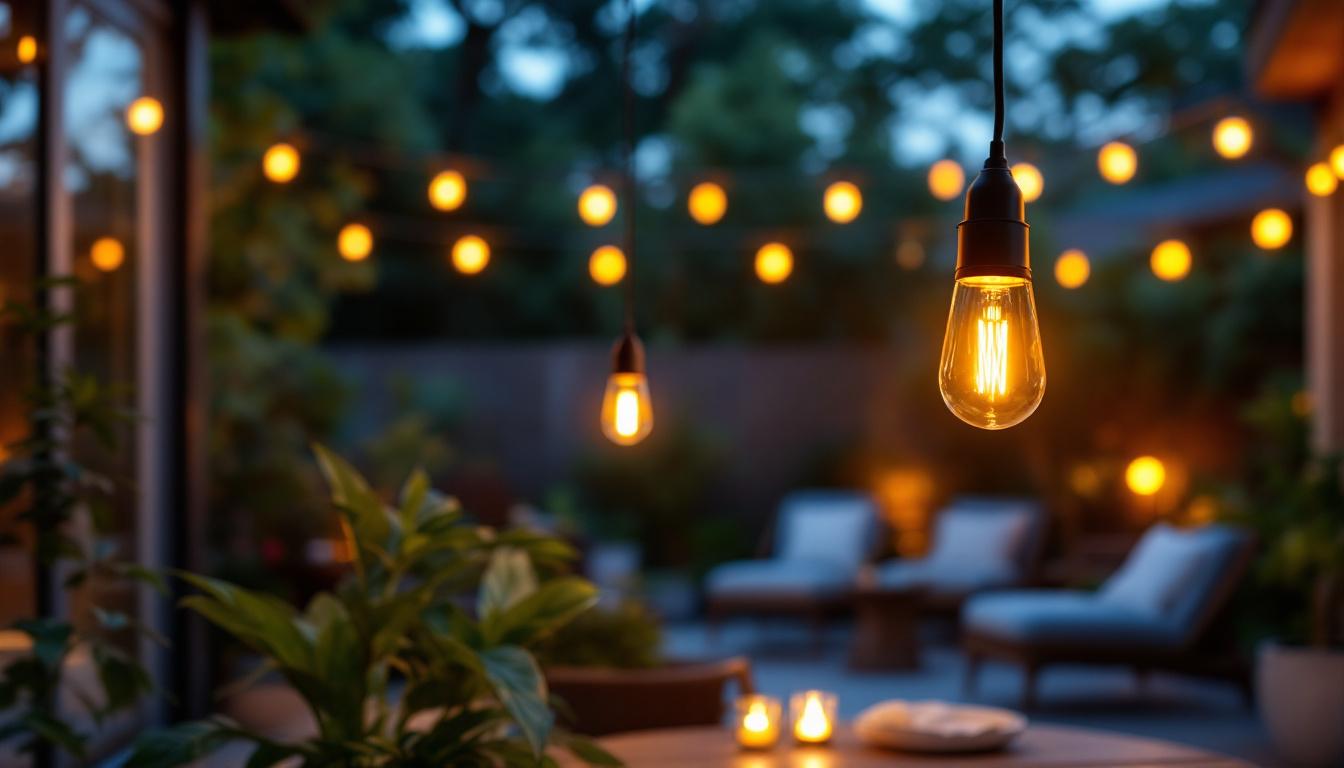
Outdoor LED pendant lights have revolutionized the way lighting contractors approach exterior illumination projects. Their energy efficiency, longevity, and design versatility make them a preferred choice for both residential and commercial applications. Unlike traditional lighting options, LED technology offers significant reductions in power consumption, which translates into lower operational costs and a smaller environmental footprint. This shift not only benefits individual users but also contributes to a broader movement towards sustainable living, as communities increasingly prioritize eco-friendly solutions in their infrastructure.
One of the most compelling advantages of LED pendant lights is their ability to deliver high-quality light output with minimal heat generation. This characteristic not only enhances safety in outdoor environments but also contributes to the durability of the fixtures themselves. Additionally, LEDs are available in a wide range of color temperatures and beam angles, allowing contractors to tailor lighting schemes that meet specific aesthetic and functional requirements. For instance, warmer color temperatures can create a welcoming ambiance for outdoor dining areas, while cooler tones may be more appropriate for security lighting in commercial spaces.
Energy Efficiency and Cost Savings
LEDs consume up to 75% less energy than incandescent bulbs and last 25 times longer, making them an economically sound investment. For lighting contractors, this means clients can expect substantial savings on electricity bills and maintenance costs. Furthermore, many municipalities and utility companies offer incentives or rebates for installing energy-efficient lighting, which can be an attractive selling point during project proposals. These financial benefits, combined with the reduced environmental impact, make outdoor LED pendant lights not just a smart choice for today, but a legacy of sustainability for future generations.
Durability and Weather Resistance
Outdoor environments expose lighting fixtures to various weather conditions such as rain, wind, and extreme temperatures. LED pendant lights designed for outdoor use typically feature robust housings made from corrosion-resistant materials like aluminum or stainless steel, combined with sealed enclosures rated for water and dust ingress protection (IP ratings). This ensures reliable performance and reduces the need for frequent replacements or repairs. Additionally, many modern LED fixtures come equipped with advanced technologies such as surge protection and UV resistance, further enhancing their lifespan and reliability in challenging outdoor settings. This durability not only provides peace of mind for contractors and clients alike but also ensures that the aesthetic appeal of the lighting remains intact over time, even in harsh climates.
Key Factors to Consider When Selecting Outdoor LED Pendant Lights
Choosing the right LED pendant light for an outdoor project involves more than just picking a fixture that looks good. Lighting contractors must evaluate several technical and environmental factors to optimize efficiency and effectiveness.
Lumen Output and Light Distribution
Lumen output is a critical metric that indicates the total amount of visible light emitted by a fixture. For outdoor applications, it’s important to select pendant lights with sufficient lumens to adequately illuminate the intended area without causing glare or light pollution. Understanding the spatial layout and the purpose of the lighting—whether for security, ambiance, or task lighting—guides the lumen requirements.
Equally important is the light distribution pattern. Pendant lights with adjustable beam angles or diffusers can help direct light precisely where it’s needed, reducing wasted illumination and enhancing visual comfort. Contractors should consider fixtures that offer customizable optics to accommodate various installation scenarios. Additionally, the use of smart lighting technology can further enhance control over lumen output and distribution, allowing for dynamic adjustments based on time of day or occupancy, which can lead to significant energy savings.
Color Temperature and CRI (Color Rendering Index)
The color temperature of LED lights affects the mood and visibility of outdoor spaces. Warm white tones (2700K–3000K) create inviting atmospheres ideal for patios and dining areas, while cooler temperatures (4000K–5000K) provide crisp, clear light suited for security or commercial zones.
Color Rendering Index (CRI) measures how accurately a light source reveals the colors of objects compared to natural light. Outdoor pendant lights with a CRI of 80 or higher are generally recommended to ensure true color representation, which is particularly important in retail or hospitality settings. Furthermore, the interplay of color temperature and CRI can dramatically influence the perception of space; for instance, a well-lit outdoor dining area with warm tones can enhance the dining experience, making food appear more appetizing and the environment more welcoming.
Fixture Design and Mounting Options
The design of the pendant light affects both its aesthetic appeal and functional performance. Lighting contractors should assess the fixture’s size, shape, and materials to ensure compatibility with the architectural style and environmental conditions of the site.
Mounting height and method also influence lighting efficiency. Proper suspension length and secure mounting hardware are essential to achieve optimal light distribution and maintain fixture stability in windy conditions. Adjustable pendants allow for fine-tuning after installation, which can be advantageous in complex outdoor layouts. Additionally, selecting weather-resistant materials is crucial for longevity; fixtures made from corrosion-resistant metals or UV-stabilized plastics can withstand harsh outdoor elements, ensuring that the investment in lighting remains viable over time. The integration of energy-efficient LED technology not only reduces operational costs but also contributes to a sustainable approach to outdoor lighting design, aligning with modern environmental standards and practices.
Installation Best Practices for Maximizing Efficiency
Efficient lighting begins with a well-planned installation. Lighting contractors play a crucial role in executing strategies that enhance the performance of outdoor LED pendant lights.
Site Assessment and Lighting Design
Before installation, a thorough site assessment is necessary to understand the spatial dimensions, existing light sources, and potential obstructions. Using lighting design software or photometric analysis tools can help contractors simulate how pendant lights will perform in the space, enabling precise fixture placement and quantity determination.
Incorporating layering techniques—combining ambient, task, and accent lighting—can optimize visibility and energy use. For example, pendant lights can serve as focal points while complementary fixtures provide broader illumination, reducing the need for excessively bright single sources.
Electrical Considerations and Wiring
Ensuring proper electrical infrastructure is vital for safety and efficiency. Contractors should verify that wiring meets local codes and supports the voltage and current requirements of the LED fixtures. Using high-quality connectors and weatherproof junction boxes helps prevent electrical failures caused by moisture or corrosion.
Additionally, integrating dimming controls or smart lighting systems can enhance energy savings by adjusting light levels based on occupancy or ambient conditions. These technologies allow for dynamic lighting management, extending the lifespan of the LEDs and reducing unnecessary power consumption.
Maintenance and Accessibility
Designing installations with maintenance in mind ensures that fixtures remain efficient over time. Pendant lights should be positioned for easy access to facilitate cleaning, bulb replacement (if applicable), and inspection. Regular maintenance schedules prevent dirt accumulation on lenses, which can diminish light output and efficiency.
Advanced Technologies and Innovations in Outdoor LED Pendant Lighting
The lighting industry continues to evolve, with new technologies enhancing the capabilities and efficiency of outdoor LED pendant lights.
Smart Lighting Integration
Smart outdoor lighting systems enable remote control, scheduling, and automation. These features allow lighting contractors to offer clients solutions that adapt to changing needs, such as dimming lights during off-peak hours or activating lights based on motion detection. Such systems contribute to energy conservation and improve security.
Solar-Powered LED Pendant Lights
In locations where electrical infrastructure is limited or sustainability is a priority, solar-powered LED pendant lights present an attractive option. These fixtures harness solar energy during the day and provide illumination at night without drawing from the grid. Advances in battery technology and solar panel efficiency have made these systems more reliable and cost-effective.
Adaptive Lighting and Sensors
Incorporating sensors that adjust light intensity based on ambient light levels or occupancy can further optimize efficiency. For example, pendant lights equipped with photocells can dim or switch off during daylight hours, while motion sensors ensure illumination only when needed. These adaptive features reduce energy waste and extend fixture lifespan.
Environmental and Regulatory Considerations
Lighting contractors must also navigate environmental and regulatory factors when specifying and installing outdoor LED pendant lights.
Minimizing Light Pollution
Excessive or poorly directed outdoor lighting contributes to light pollution, which disrupts ecosystems and obscures night skies. Selecting pendant lights with proper shielding and directing light downward helps minimize glare and skyglow. Compliance with local ordinances aimed at reducing light pollution is essential to avoid penalties and community complaints.
Compliance with Energy Codes and Standards
Many jurisdictions enforce energy codes that mandate minimum efficiency levels for outdoor lighting. Contractors should stay informed about these requirements to ensure that their installations meet or exceed standards. Utilizing fixtures certified by recognized organizations, such as ENERGY STAR or DesignLights Consortium (DLC), can simplify compliance and reassure clients of quality and efficiency.
Sustainability and Lifecycle Impact
Beyond energy consumption, considering the full lifecycle impact of lighting fixtures is increasingly important. Selecting LED pendant lights made from recyclable materials and designed for easy disassembly supports sustainability goals. Additionally, proper disposal or recycling of old fixtures prevents environmental contamination.
Conclusion: Delivering Optimal Outdoor Lighting Solutions
Optimizing outdoor LED pendant lighting for maximum efficiency requires a comprehensive approach that integrates technical knowledge, design expertise, and environmental awareness. Lighting contractors who carefully select fixtures based on lumen output, color temperature, and durability, combined with thoughtful installation practices and advanced technologies, can deliver superior lighting solutions that satisfy client expectations and regulatory demands.
By embracing innovations such as smart controls and solar power, and by adhering to best practices in maintenance and environmental stewardship, contractors position themselves as leaders in sustainable and effective outdoor lighting. Ultimately, the goal is to create illuminated spaces that are safe, attractive, and energy-efficient, enhancing the value and usability of outdoor environments.
Illuminate Your Projects with LumenWholesale
Ready to elevate your outdoor lighting projects with efficiency and style? Look no further than LumenWholesale for a vast selection of premium LED pendant lights that promise to meet your every need. As a dedicated partner to lighting contractors, we offer spec-grade lighting products that combine quality and affordability, ensuring you get the best value for your investment. With our commitment to wholesale pricing, free shipping, and no hidden fees, you can confidently stock up on the lighting solutions that will make your projects shine. Don’t compromise on performance or price—discover the best in wholesale lighting at LumenWholesale today.