Understanding Recessed Lighting in Drop Ceilings
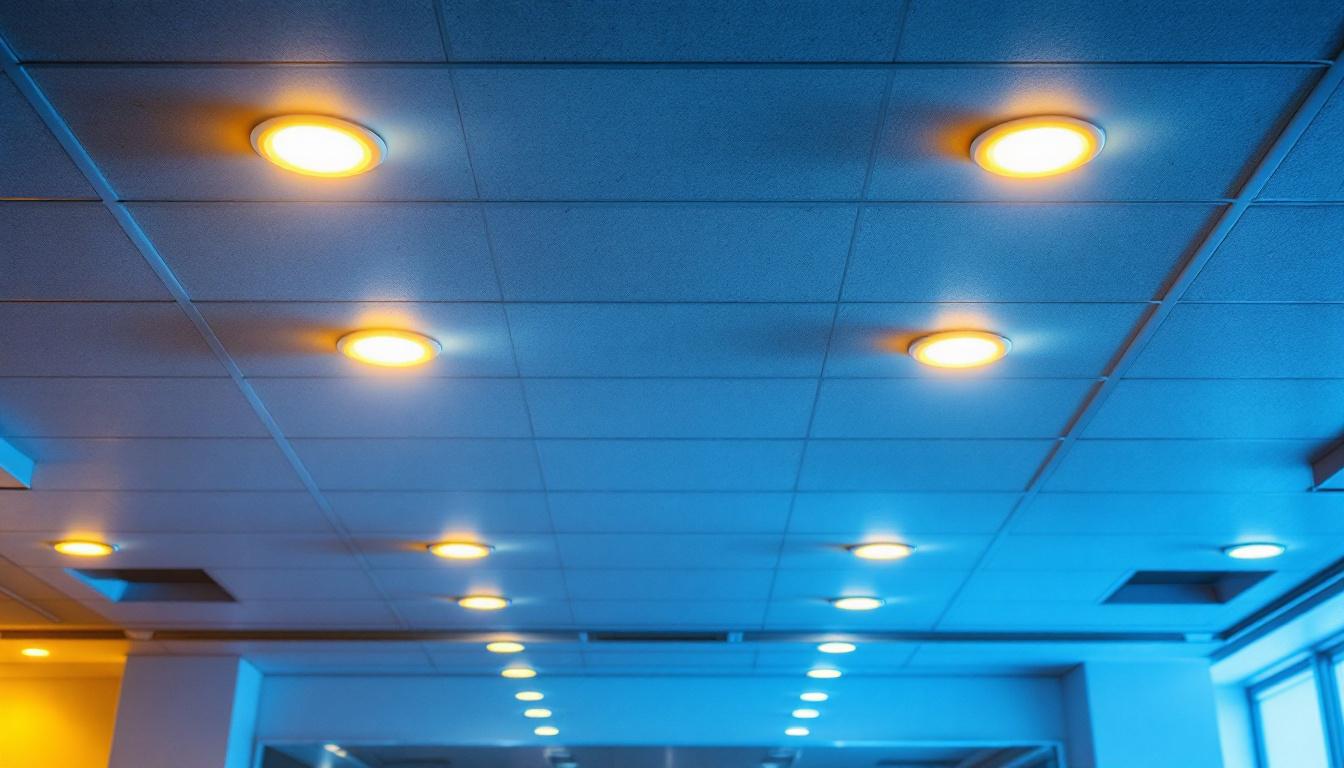
Recessed lighting has become a staple in modern commercial and residential lighting design, especially when paired with drop ceilings. Drop ceilings, also known as suspended ceilings, are widely used in offices, retail spaces, and institutional buildings due to their accessibility and aesthetic appeal. Integrating recessed lights into these ceilings offers a clean, streamlined look that complements contemporary interiors.
Unlike traditional surface-mounted fixtures, recessed lights are installed flush with the ceiling plane, minimizing visual clutter and reducing the risk of accidental contact. This design not only enhances the overall ambiance but also plays a critical role in improving safety within lighting installations.
Moreover, the versatility of recessed lighting allows for various configurations and placements, enabling designers to create tailored lighting solutions that meet specific needs. For instance, adjustable or swivel recessed lights can be directed to highlight artwork or architectural features, adding depth and interest to a space. Additionally, the use of dimmable LED options provides further control over the lighting environment, allowing for adjustments that can shift the mood from bright and energetic to soft and relaxing, depending on the occasion.
Another significant advantage of recessed lighting in drop ceilings is its ability to accommodate different types of lighting technology. From energy-efficient LEDs to traditional incandescent bulbs, the choice of lighting can be customized to fit the desired aesthetic and energy consumption goals. Furthermore, the installation of insulation and soundproofing materials above drop ceilings can enhance the overall effectiveness of recessed lighting by reducing noise and improving thermal efficiency, making these installations not only visually appealing but also functionally superior.
Key Safety Advantages of Recessed Lighting in Drop Ceilings
Reduced Fire Hazards
One of the most significant safety benefits of recessed lighting is its ability to reduce fire risks. Traditional lighting fixtures often generate heat that can accumulate near the ceiling surface or in enclosed spaces, increasing the potential for fire hazards. Recessed lights, especially those designed with LED technology, emit minimal heat and are often rated for direct contact with insulation, reducing the likelihood of overheating.
Additionally, many recessed lighting housings are constructed with fire-resistant materials and include thermal protection features. These components help prevent overheating by automatically shutting off the fixture if temperatures exceed safe limits, thereby safeguarding the building and its occupants. This proactive approach to fire safety is particularly crucial in commercial settings, where the density of electrical installations can elevate fire risks. By opting for recessed lighting, property owners can enhance their fire safety protocols and potentially lower insurance premiums due to reduced fire hazard ratings.
Minimized Electrical Hazards
Electrical safety is paramount in lighting installations, and recessed lighting in drop ceilings offers advantages in this regard. The installation process typically involves mounting the fixture within the ceiling grid, which provides a secure enclosure for wiring and connections. This reduces the exposure of electrical components to accidental damage or tampering.
Moreover, recessed lighting fixtures designed for drop ceilings often comply with stringent electrical codes and standards, ensuring that they meet safety requirements. Properly installed recessed lights reduce the risk of short circuits, electrical shocks, and other hazards that can arise from faulty wiring or exposed connections. In addition, many modern recessed lighting systems incorporate smart technology, allowing for remote monitoring and control. This innovation enables users to identify potential electrical issues before they escalate, further enhancing safety and reliability in both residential and commercial applications.
Enhanced Structural Safety
Drop ceilings can sometimes pose challenges related to fixture weight and mounting stability. Recessed lighting fixtures are generally lightweight and designed to integrate seamlessly with ceiling grids, reducing stress on the ceiling structure. This compatibility minimizes the risk of fixtures loosening or falling, which could cause injury or damage.
Furthermore, recessed lights do not protrude below the ceiling plane, eliminating obstacles that could lead to accidental bumps or injuries. This is particularly important in commercial environments where ceiling height may be lower or where maintenance personnel frequently access ceiling spaces. The unobtrusive nature of recessed lighting also contributes to a cleaner aesthetic, allowing for a more open and spacious feel in any room. By maintaining a sleek ceiling line, recessed lighting can enhance visibility and safety in areas such as hallways, conference rooms, and retail spaces, where clear sightlines are essential for preventing accidents and ensuring smooth navigation.
Design Considerations for Safe Recessed Lighting Installation
Choosing the Right Fixture Type
Not all recessed lights are created equal, especially when it comes to drop ceilings. Lighting contractors must select fixtures specifically designed for suspended ceiling grids. These fixtures typically feature adjustable mounting brackets that secure the light within the grid without compromising structural integrity.
It is also essential to consider the fixture’s insulation contact (IC) rating. IC-rated recessed lights are safe to install in ceilings with insulation, preventing heat buildup and reducing fire risks. Non-IC-rated fixtures require clearance from insulation, which can complicate installation and potentially create safety hazards if not properly managed.
Proper Wiring and Circuit Protection
Safe electrical installation practices are critical for recessed lighting. Contractors should use wiring methods compliant with local electrical codes, including the use of conduit or cable supports where necessary. Junction boxes should be accessible and securely mounted to prevent strain on wiring connections.
Incorporating ground-fault circuit interrupters (GFCIs) or arc-fault circuit interrupters (AFCIs) in lighting circuits can further enhance safety by detecting electrical faults and shutting off power before hazards develop. These protective devices are especially important in commercial spaces where lighting circuits may be extensive.
Ensuring Adequate Ventilation and Heat Dissipation
Although LED recessed lights produce less heat than traditional incandescent or halogen bulbs, heat management remains a crucial safety consideration. Proper spacing between fixtures and the use of housings with ventilation features help dissipate heat effectively.
In drop ceilings, the plenum space above the tiles can trap heat if ventilation is inadequate. Contractors should ensure that recessed lighting installations do not obstruct airflow and that any insulation around fixtures is installed according to manufacturer guidelines to maintain safe operating temperatures.
Maintenance and Inspection for Long-Term Safety
Routine Inspection Protocols
Maintaining the safety of recessed lighting in drop ceilings requires regular inspection. Contractors and facility managers should establish schedules to check for signs of wear, damage, or overheating. Inspections should include verifying the integrity of fixture mounts, wiring connections, and thermal protection devices.
Visual inspections can detect discoloration or melting around fixtures, which may indicate overheating. Additionally, testing circuit breakers and protective devices ensures that electrical safety measures remain functional.
Timely Replacement of Components
Lighting components degrade over time, and recessed lighting is no exception. Timely replacement of bulbs, ballasts, and housings is essential to prevent safety hazards. LED modules, while long-lasting, can still fail, and damaged housings may compromise fixture stability or electrical safety.
Contractors should use manufacturer-recommended replacement parts and avoid makeshift repairs that could undermine safety. Keeping detailed maintenance records helps track fixture performance and identify patterns that may indicate systemic issues.
Training and Safety Awareness
Ensuring safety in recessed lighting installations extends beyond the physical components. Training for installation and maintenance personnel is vital to promote safe work practices and awareness of potential hazards. Proper use of personal protective equipment (PPE), adherence to electrical codes, and understanding of fixture specifications contribute to safer outcomes.
Safety training should also cover emergency procedures in case of electrical faults or fire incidents related to lighting systems. A well-informed team is better equipped to prevent accidents and respond effectively if issues arise.
Case Studies: Safety Improvements Through Recessed Lighting
Commercial Office Retrofit
A large commercial office building underwent a lighting retrofit, replacing outdated fluorescent fixtures with LED recessed lights in the drop ceiling grid. The new installation reduced heat output by over 70%, significantly lowering the risk of fire in the ceiling plenum. Additionally, the flush-mounted fixtures eliminated protrusions that previously caused maintenance workers to bump their heads, enhancing workplace safety.
The retrofit also incorporated AFCI-protected circuits, which detected and prevented a wiring fault during routine maintenance, avoiding potential electrical hazards. This case underscores how thoughtful recessed lighting design and installation can elevate safety standards in commercial environments.
Educational Facility Upgrade
In an educational facility, recessed lighting was installed in drop ceilings to replace surface-mounted fixtures that were prone to damage and posed electrical risks. The new recessed fixtures featured IC ratings and thermal protection, allowing safe installation in insulated ceiling spaces.
Post-installation inspections revealed improved thermal management and no incidents of overheating or fixture failure. The streamlined design also improved lighting uniformity, reducing glare and enhancing visual comfort for students and staff, indirectly contributing to a safer learning environment.
Conclusion: Prioritizing Safety with Recessed Lighting in Drop Ceilings
For lighting contractors, understanding the safety benefits and installation best practices of recessed lighting in drop ceilings is essential. These fixtures offer significant advantages in reducing fire and electrical hazards, improving structural safety, and enhancing the overall lighting environment.
By selecting appropriate fixtures, adhering to electrical codes, ensuring proper installation, and maintaining regular inspections, contractors can deliver lighting solutions that not only meet aesthetic and functional needs but also prioritize the safety of building occupants and maintenance personnel.
Incorporating recessed lighting thoughtfully into drop ceilings is a forward-thinking approach that aligns with modern safety standards and contributes to sustainable, secure lighting installations across various commercial and institutional settings.
Upgrade Your Projects with LumenWholesale
Ready to enhance the safety and aesthetics of your lighting installations with the best in recessed lighting for drop ceilings? Look no further than LumenWholesale. Our commitment to providing contractors with top-quality, spec-grade lighting products at wholesale prices means you can trust in the performance and reliability of your lighting solutions. With our extensive selection, free shipping on bulk orders, and no middleman markups, you’re guaranteed to find the perfect lighting fixtures for your next project. Elevate your lighting installations to new heights of safety and style with LumenWholesale. Wholesale Lighting at the Best Value is just a click away.