Why Paint Booth Lighting Demands More Than Just Brightness
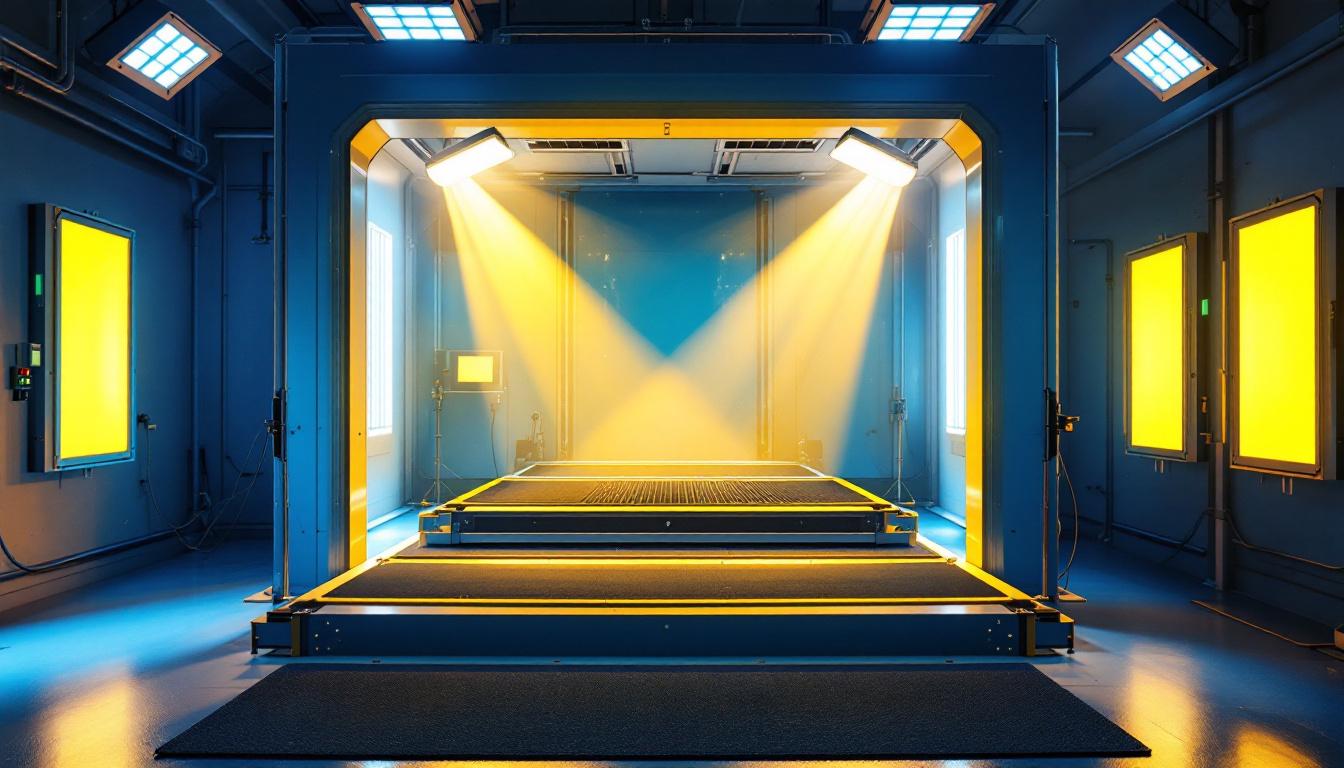
When stepping into a paint booth, the lighting can make or break the quality of the finish. It’s not just about having a bright workspace; it’s about how that light interacts with the surfaces being painted. Lighting contractors frequently focus on lumens and energy efficiency, but miss critical factors that affect visibility, color accuracy, and worker safety.
Paint booths require lighting that reveals true colors and surface imperfections. Without it, even the most skilled painters can miss flaws or mismatches in paint shade. This leads to costly rework, dissatisfied clients, and wasted materials. Understanding the nuances of paint booth lighting is essential for contractors aiming to deliver optimal results.
One of the most important aspects of paint booth lighting is the color temperature of the bulbs used. Ideal lighting for paint booths typically falls within the range of 5000K to 6500K, which closely resembles natural daylight. This color temperature not only enhances the visibility of colors but also helps in identifying subtle variations in hues that might otherwise go unnoticed under standard fluorescent lights. Additionally, the use of high Color Rendering Index (CRI) bulbs can significantly improve the perception of color accuracy, allowing painters to achieve a flawless finish that meets client expectations.
Moreover, the placement and design of the lighting fixtures play a crucial role in ensuring an even distribution of light throughout the booth. Poorly positioned lights can create shadows that obscure imperfections, leading to a less-than-perfect application. Many modern paint booths are now designed with integrated lighting systems that provide uniform illumination from multiple angles, reducing the risk of dark spots and enhancing the overall working environment. This thoughtful approach not only improves the quality of the paint job but also boosts worker morale, as a well-lit space contributes to a more comfortable and productive atmosphere.
Color Rendering Index (CRI): The Overlooked Metric
Most contractors know to check lumens and wattage, but CRI often flies under the radar. CRI measures how accurately a light source reveals colors compared to natural light. Paint booths demand a CRI of 90 or above to ensure paints appear true to their intended hues.
Low CRI lighting can distort colors, making it difficult to match paint or detect defects. For example, a red paint might look slightly off under poor lighting, leading to mismatched panels on a vehicle or product. Investing in high-CRI LED fixtures is crucial, even if they come at a higher upfront cost. The payoff is better quality control and fewer costly mistakes.
How to Verify CRI in Lighting Fixtures
When selecting fixtures, request detailed specifications from manufacturers. Look for fixtures with a CRI rating of 90 or above. Some manufacturers provide TM-30-15 scores, which offer a more comprehensive color rendering analysis. Don’t hesitate to ask for sample lighting or demonstrations to see how colors appear under the proposed lighting.
Understanding the implications of CRI extends beyond just the aesthetic appeal of colors; it also affects the psychological aspects of work environments. High CRI lighting can enhance mood and productivity, making it an essential consideration for spaces where creativity and precision are paramount. In retail environments, for instance, high CRI lighting can make products appear more vibrant and appealing, potentially increasing sales. Moreover, as energy-efficient lighting technologies continue to evolve, selecting fixtures that balance both high CRI and energy savings can lead to sustainable practices without sacrificing quality.
It’s also important to consider the spectral power distribution of the light source. Different light sources can emit varying wavelengths, which can affect how colors are perceived. For instance, some LED lights may have a high CRI but still lack certain wavelengths, leading to an incomplete representation of colors. Therefore, when evaluating lighting options, it’s beneficial to look for products that not only boast a high CRI but also provide a well-rounded spectrum for the most accurate color rendering. This attention to detail can make a significant difference in industries where color fidelity is non-negotiable.
Uniformity and Glare Control: Balancing Visibility and Comfort
Uniform lighting across the entire paint booth is critical. Shadows or bright spots can hide surface imperfections or create misleading reflections. Contractors often underestimate the importance of uniformity, focusing instead on peak brightness levels. The quality of the finish can be directly impacted by the lighting conditions, making it essential for contractors to prioritize an even distribution of light to ensure the best results.
Uniformity is measured as the ratio of minimum to average illuminance. A ratio of at least 0.8 is ideal in paint booths to minimize shadows. Achieving this requires strategic fixture placement and sometimes the use of diffusers or reflectors. Additionally, the color temperature of the lighting plays a significant role; a cooler light can enhance visibility of imperfections, while warmer tones may alter the perception of color accuracy. Therefore, selecting the right color temperature is as crucial as achieving uniformity.
Glare is another common problem. Harsh, direct lighting can cause eye strain and reduce worker productivity. It also creates reflections that obscure the painter’s view of the surface. Fixtures with indirect lighting or those equipped with anti-glare lenses improve comfort and visibility. Moreover, incorporating adjustable lighting systems can allow workers to modify the intensity based on their specific tasks, further enhancing their comfort and efficiency.
Design Tips for Uniform Lighting
Position fixtures evenly on the ceiling and walls to cover all angles. Consider multi-directional lighting to eliminate shadows caused by equipment or workers themselves. Using LED panels with diffused lenses helps spread light evenly without hotspots. Additionally, integrating task lighting can provide extra illumination for detailed work, ensuring that every inch of the surface receives adequate attention. It’s also beneficial to conduct regular assessments of the lighting setup, as wear and tear or changes in equipment layout can affect the initial uniformity achieved.
Furthermore, incorporating smart lighting controls can optimize energy efficiency while maintaining the necessary light levels. These systems can adjust the brightness based on the time of day or occupancy, ensuring that energy is not wasted when the booth is not in use. By utilizing sensors and timers, contractors can create a more sustainable workspace that not only enhances visibility but also contributes to overall operational efficiency. This forward-thinking approach not only benefits the immediate work environment but also aligns with broader sustainability goals within the industry.
Color Temperature: Matching Light to Task
Color temperature impacts how colors are perceived. Paint booths typically benefit from lighting in the 5000K to 6500K range, often described as “daylight” white. This range mimics natural daylight and enhances color differentiation.
Lower color temperatures (2700K to 3500K) produce warmer light that can distort colors, making it unsuitable for paint inspection. Conversely, excessively cool temperatures above 7000K can create a harsh environment and cause eye fatigue.
Choosing the right color temperature ensures painters see the true colors and surface details, reducing errors and improving finish quality.
Safety and Compliance: Lighting Beyond Visibility
Paint booths operate in environments with flammable vapors and strict safety regulations. Lighting contractors must ensure fixtures meet explosion-proof or hazardous location standards, such as UL844 or ATEX certifications.
Non-compliant lighting can pose ignition risks, endangering workers and facilities. It’s a detail often overlooked in favor of cost savings, but the consequences can be severe.
Additionally, lighting should be designed to minimize heat output to avoid affecting the paint drying process or increasing ambient temperatures unnecessarily.
Maintenance Considerations
Paint booths require regular cleaning and maintenance, which means lighting fixtures should be easy to access and resistant to dust, overspray, and chemicals. IP65 or higher rated fixtures are recommended to withstand these harsh conditions.
Energy Efficiency Without Compromising Quality
Energy costs can be significant in paint booths due to long operating hours. LED lighting offers a balance of energy savings and superior performance. However, contractors must avoid cutting corners by choosing low-quality LEDs with poor color rendering or short lifespans.
Quality LED fixtures designed specifically for industrial and paint booth use provide consistent light output, high CRI, and durability. These features reduce maintenance frequency and improve overall operational efficiency.
Smart Controls and Dimming
Integrating smart lighting controls allows for dimming and scheduling, which can further reduce energy consumption. However, dimming should be carefully calibrated to maintain color accuracy and uniformity. Not all LEDs perform well when dimmed, so selecting compatible fixtures and controls is essential.
Common Mistakes Lighting Contractors Make in Paint Booths
Ignoring the importance of CRI and color temperature is the most frequent error. Installing fixtures with low CRI or inappropriate color temperature leads to poor paint inspection conditions.
Another mistake is neglecting uniformity and glare control. Uneven lighting creates shadows that hide defects and cause painter fatigue. Overlooking hazardous location requirements can also put safety at risk.
Finally, failing to plan for maintenance and environmental resistance results in premature fixture failure and increased downtime.
Conclusion: Delivering Lighting Solutions That Elevate Paint Booth Performance
Lighting contractors play a pivotal role in the success of paint booth operations. Beyond brightness and energy savings, understanding the critical factors of color rendering, uniformity, color temperature, and safety compliance is essential.
By prioritizing these often overlooked elements, contractors can provide lighting solutions that enhance paint quality, improve worker comfort, and ensure regulatory compliance. The result is a safer, more efficient paint booth that meets the demanding standards of modern manufacturing and finishing industries.
Illuminate Your Paint Booth with LumenWholesale
Don’t let overlooked lighting requirements compromise your paint booth’s performance. At LumenWholesale, we offer an extensive selection of spec-grade lighting products that meet the rigorous demands of modern paint booths. Our wholesale prices ensure you get the best value without sacrificing quality. With free shipping on bulk orders, you can equip your paint booth with reliable, high-performance lighting that enhances color accuracy, worker comfort, and safety compliance. Elevate your project’s standards with the perfect blend of quality, affordability, and convenience. Wholesale Lighting at the Best Value is just a click away.