Understanding the Rise of Green House Lighting
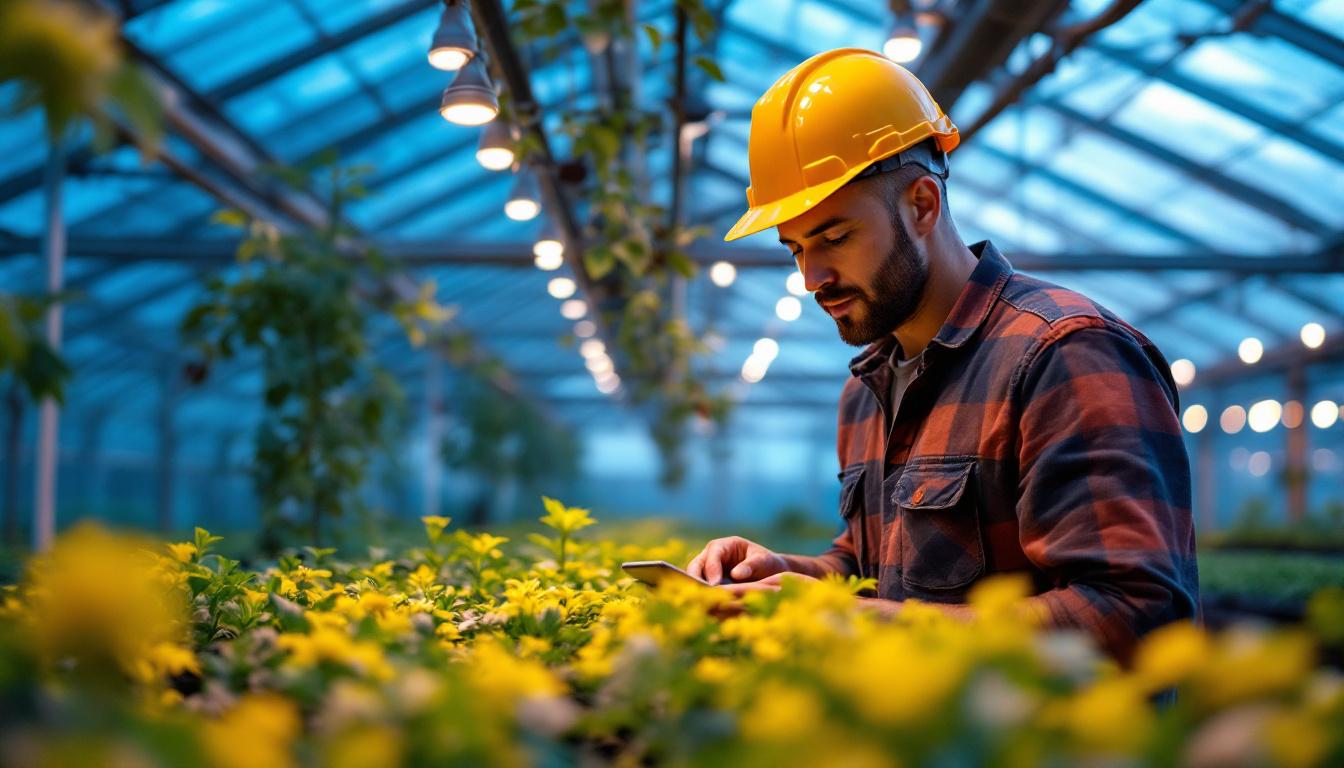
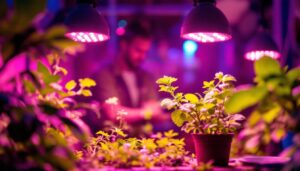
Green house lighting is no longer just a buzzword in the horticultural sector; it’s a transformative force reshaping how lighting contractors approach their projects. The shift toward sustainable, energy-efficient lighting solutions in greenhouses is driven by growers’ needs to optimize plant growth while reducing operational costs. For lighting contractors, this means adapting to new technologies and standards that directly impact project scopes, budgets, and long-term maintenance contracts.
Unlike traditional greenhouse lighting, which often relied on high-pressure sodium (HPS) lamps or metal halide bulbs, modern green house light systems prioritize LED technology. LEDs offer superior energy efficiency, customizable light spectra, and longer lifespans. These advantages translate into lower energy bills and better crop yields for growers, making LED installations highly attractive. For contractors, this shift presents both opportunities and challenges—understanding the nuances of green house lighting technology is essential to staying competitive.
Moreover, the integration of smart technology into greenhouse lighting systems is revolutionizing the industry. With advancements in automation and IoT (Internet of Things), growers can now monitor and control their lighting systems remotely, adjusting light intensity and duration based on real-time data about plant needs and environmental conditions. This level of precision not only enhances plant health but also contributes to significant energy savings, as lights can be dimmed or turned off when not needed. For lighting contractors, offering smart lighting solutions can differentiate their services and attract a tech-savvy clientele looking for cutting-edge solutions.
Additionally, the environmental benefits of adopting green house lighting cannot be overstated. As the world grapples with climate change and resource depletion, sustainable practices in agriculture are becoming paramount. By utilizing energy-efficient lighting systems, greenhouses can significantly reduce their carbon footprint. This shift not only aligns with global sustainability goals but also appeals to consumers who are increasingly aware of the environmental impact of their food choices. As a result, lighting contractors who prioritize eco-friendly solutions may find themselves in a favorable position in a market that is progressively leaning towards sustainability.
Why Green House Lighting Matters to Contractors’ Profit Margins
Energy Efficiency and Cost Savings
Energy consumption is one of the largest operational expenses for greenhouse operators. Lighting alone can account for up to 40% of energy use in some facilities. When contractors specify and install energy-efficient greenhouse lighting systems, they directly influence their clients’ bottom line. This creates a compelling value proposition that contractors can leverage during sales and negotiations.
Installing LED grow lights instead of traditional options can reduce energy use by 30% to 50%. This significant saving not only appeals to environmentally conscious growers but also opens doors for contractors to offer premium services and justify higher installation fees. Additionally, energy-efficient lighting systems often qualify for utility rebates or government incentives, which contractors can help clients navigate, further enhancing the financial appeal.
Moreover, the longevity of LED lights—often lasting up to 25,000 hours—means fewer replacements and less waste, aligning with sustainable practices that many modern growers prioritize. This durability translates to lower maintenance costs over time, making the initial investment in quality lighting systems even more attractive. As contractors educate their clients about the total cost of ownership, they can foster a deeper understanding of how smart lighting choices can lead to significant operational efficiencies and long-term savings.
Initial Costs vs. Long-Term Value
One challenge contractors face is balancing upfront installation costs with long-term benefits. High-quality greenhouse lighting systems, especially those with advanced controls and spectral tuning capabilities, come with a higher initial price tag. Some clients may hesitate, focusing on short-term budget constraints rather than lifecycle savings.
Contractors who can clearly communicate the return on investment (ROI)—including energy savings, reduced maintenance, and improved crop quality—position themselves as trusted advisors rather than just installers. Offering financing options or phased installation plans can also help ease clients into adopting more sophisticated lighting solutions without compromising profitability.
Additionally, the integration of smart technology into greenhouse lighting systems can enhance the overall efficiency of operations. Automated systems that adjust lighting based on real-time data such as plant growth stages and external light conditions not only optimize energy use but also improve yield quality. By showcasing these advanced features, contractors can further differentiate their services, appealing to tech-savvy growers who are eager to adopt innovative solutions that drive productivity and profitability in their operations.
Technical Expertise: A Differentiator in a Competitive Market
Mastering Spectral Tuning and Control Systems
Green house lighting isn’t just about bright bulbs anymore. It’s about delivering the right light spectrum at the right time to optimize plant growth cycles. Spectral tuning allows growers to adjust light wavelengths to influence flowering, vegetative growth, and even pest resistance. Lighting contractors who understand these technical details can provide tailored solutions that meet specific crop needs.
Moreover, integrating smart control systems that automate light intensity and timing based on environmental sensors adds another layer of complexity. Contractors proficient in these technologies can offer value-added services such as remote monitoring, predictive maintenance, and energy management. These capabilities not only enhance client satisfaction but also create opportunities for ongoing service contracts, boosting recurring revenue streams.
Training and Certification: Investing in Skills Pays Off
Lighting contractors who invest in specialized training and certification in horticultural lighting gain a competitive edge. Manufacturers and industry groups offer programs focused on the science of plant lighting, installation best practices, and troubleshooting. This expertise reassures clients and reduces costly errors during installation.
Additionally, well-trained contractors can better navigate the rapidly evolving regulatory landscape around energy efficiency and environmental compliance. Staying ahead of these requirements minimizes project delays and penalties, protecting both the contractor’s reputation and financial health.
Market Trends Shaping Demand for Green House Lighting
Growth of Controlled Environment Agriculture (CEA)
The expansion of controlled environment agriculture is a major driver of demand for advanced green house lighting. As growers seek to produce crops year-round and in urban settings, lighting contractors find new markets beyond traditional farms. Vertical farms, indoor grow facilities, and research institutions all require specialized lighting solutions tailored to confined spaces and specific plant species.
This diversification means contractors must adapt their offerings to a broader range of client needs, from small-scale setups to large commercial operations. Understanding the unique challenges of each environment-such as heat management, light uniformity, and integration with HVAC systems-is critical for success.
Increasing Emphasis on Sustainability
Environmental concerns and consumer demand for sustainably grown produce are influencing growers’ investment decisions. Green house lighting that reduces carbon footprints and minimizes waste aligns with these priorities. Contractors who highlight the environmental benefits of their lighting solutions can tap into this growing market segment.
Moreover, many large agricultural businesses are setting ambitious sustainability targets, often requiring their supply chain partners, including lighting contractors, to meet strict environmental standards. This trend is pushing contractors to innovate and adopt greener practices themselves, from sourcing materials to waste disposal.
Challenges Lighting Contractors Face with Green House Lighting Projects
Complex Project Management
Green house lighting installations often involve coordination with multiple stakeholders-growers, architects, engineers, and equipment suppliers. Managing these relationships and timelines can be complicated, especially when integrating lighting with other greenhouse systems like irrigation and climate control.
Unexpected issues such as structural limitations, electrical capacity constraints, or changes in crop plans can disrupt schedules and budgets. Contractors who excel at communication and contingency planning reduce risks and maintain profitability.
Rapid Technological Change
The pace of innovation in green house lighting technology is fast. New products with improved efficiency, spectral options, and control features regularly enter the market. Contractors must continuously update their knowledge and inventory to offer the best solutions.
Failing to keep up can result in missed opportunities or installing outdated systems that disappoint clients. On the other hand, staying current requires investment in training and equipment, which can strain resources, especially for smaller contractors.
Strategies to Maximize Profitability in Green House Lighting
Building Strong Client Relationships
Long-term success in green house lighting depends on more than just the initial sale. Contractors who cultivate ongoing relationships with growers through maintenance contracts, upgrades, and consulting services create steady revenue streams.
Offering post-installation support, such as performance monitoring and troubleshooting, helps clients maximize their investment and builds trust. Satisfied clients are also more likely to provide referrals, expanding the contractor’s business network.
Leveraging Data and Analytics
Modern green house lighting systems generate valuable data on energy consumption, light distribution, and plant responses. Contractors who can analyze and interpret this data provide actionable insights to growers, improving crop outcomes and operational efficiency.
Data-driven recommendations enhance the contractor’s role from installer to strategic partner. This shift justifies premium pricing and strengthens client loyalty.
Partnering with Manufacturers and Suppliers
Strong relationships with lighting manufacturers and suppliers can give contractors access to exclusive products, training, and technical support. These partnerships enable contractors to offer cutting-edge solutions and respond quickly to client needs.
Additionally, manufacturers often provide marketing resources and co-branding opportunities, helping contractors differentiate themselves in a crowded market.
Conclusion: Green House Lighting as a Growth Opportunity
Green house lighting represents a significant growth area for lighting contractors willing to adapt and innovate. By embracing energy-efficient technologies, deepening technical expertise, and focusing on client partnerships, contractors can enhance their profitability and market position.
Understanding the unique demands of greenhouse environments and the evolving needs of growers is key. Contractors who navigate these complexities effectively will not only improve their bottom line but also contribute to the sustainability and success of modern agriculture.
Illuminate Your Projects with LumenWholesale
Ready to elevate your green house lighting installations and grow your business? At LumenWholesale, we provide lighting contractors with the advanced, energy-efficient solutions you need to stay ahead in this dynamic market. Our spec-grade lighting products not only meet but exceed industry standards, ensuring you deliver exceptional value to your clients. Say goodbye to middleman markups and hello to unbeatable wholesale prices, free shipping, and the convenience of bulk buying. Take the next step towards enhancing your service offerings and boosting your bottom line. Discover the ideal fusion of quality, cost-effectiveness, and ease with Wholesale Lighting at the Best Value from LumenWholesale.