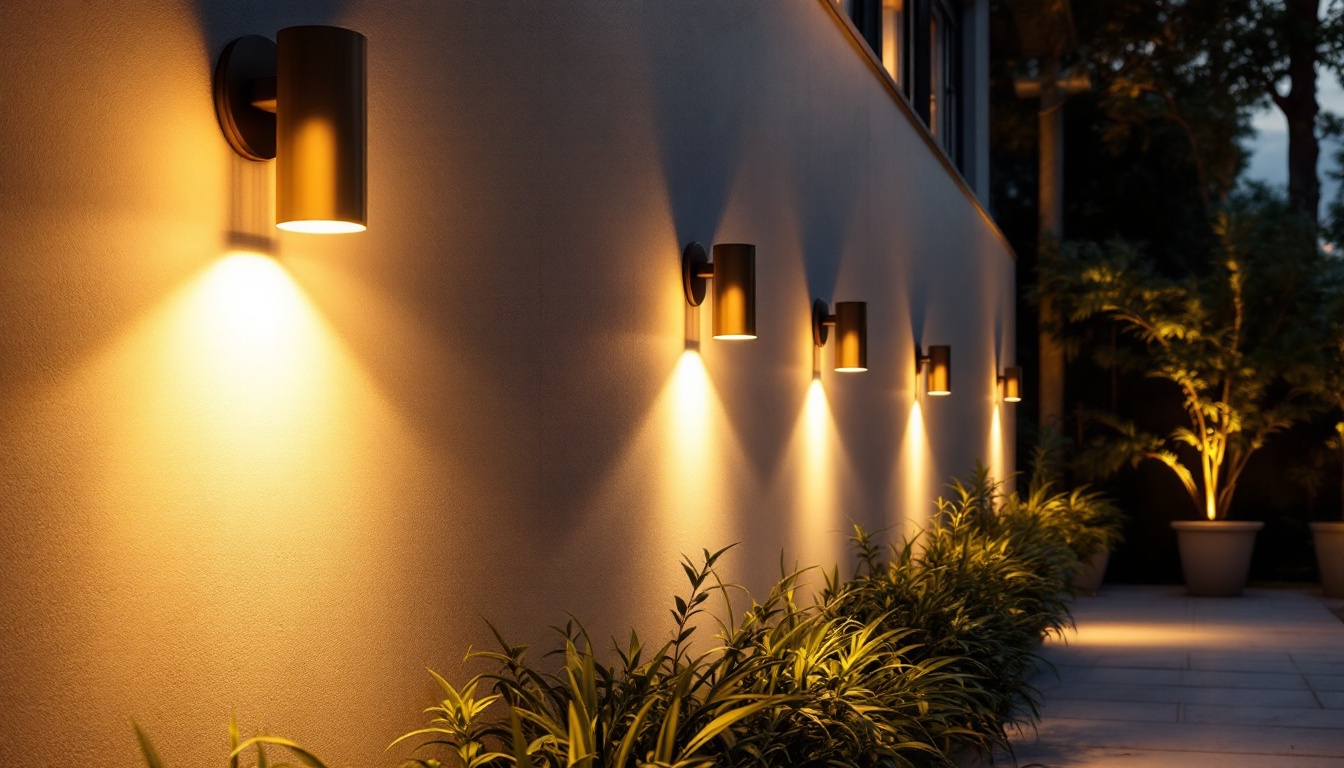
Introduction to Colored Pot Lights in Safety Applications
Pot lights, also known as recessed lights, have long been favored for their sleek design and ability to provide ambient lighting without occupying space. Traditionally, these fixtures emit white or warm white light, but the incorporation of colored pot lights is gaining traction, especially in safety-centric environments. For lighting contractors, understanding how colored pot lights enhance safety is crucial for designing installations that not only illuminate but also protect and guide users effectively.
Colored lighting can influence perception, mood, and behavior, making it a powerful tool beyond mere illumination. When strategically implemented, colored pot lights contribute to safer environments by improving visibility, signaling hazards, and aiding navigation. This article explores the multifaceted ways colored pot lights enhance safety in lighting installations, supported by practical examples and industry insights.
One of the most significant advantages of colored pot lights is their ability to delineate spaces and pathways, particularly in high-traffic areas such as stairwells, hallways, and emergency exits. For instance, using blue or green lights to mark emergency exits can create a clear visual cue, guiding individuals toward safety in low-light situations. Additionally, colored lights can be employed in public spaces to indicate specific zones, such as red lights for danger zones or yellow lights for caution areas, thereby reducing the likelihood of accidents and improving overall situational awareness.
Moreover, the psychological effects of color should not be underestimated. Colors like blue and green are often associated with calmness and safety, while red is universally recognized as a warning signal. By leveraging these associations, colored pot lights can create environments that not only look aesthetically pleasing but also promote a sense of security. For example, in healthcare settings, soft blue lighting can help reduce patient anxiety, while bright red lights can alert staff to critical situations. This strategic use of color can significantly enhance the effectiveness of safety protocols, making it essential for lighting designers to consider the emotional and psychological impacts of their color choices in safety applications.
The Role of Colored Lighting in Safety
Improving Visibility and Contrast
Visibility is a fundamental aspect of safety in any environment. Colored pot lights can be used to improve contrast and highlight specific areas or objects. For instance, red or amber lighting can draw attention to emergency exits or fire extinguishers, making them easier to locate during an emergency. Blue or green lights might be used to mark safe pathways or indicate operational zones in industrial settings.
Studies show that color contrast significantly affects human visual acuity, especially in low-light conditions. By integrating colored pot lights, contractors can create zones of enhanced visibility, reducing the risk of trips, falls, or missteps. This is particularly important in environments such as hospitals, warehouses, and public transport stations where safety is paramount. Furthermore, the strategic placement of colored lighting can also enhance the aesthetic appeal of a space, making it not only safer but also more inviting. For example, using soft blue lights in a waiting area can create a calming atmosphere, which is beneficial in high-stress environments like hospitals.
Signaling and Communication
Colored lighting serves as a non-verbal communication tool that can convey critical information instantly. For example, red lighting often signals danger or stop, while green indicates safety or go. Incorporating these colors into pot lighting installations allows for intuitive signaling without the need for additional signage or alarms.
In industrial or commercial settings, colored pot lights can be programmed to change hues based on operational status or emergency conditions. This dynamic use of color enhances situational awareness for employees and visitors alike, facilitating quicker response times and reducing confusion during critical moments. Moreover, the use of colored lighting can be particularly effective in environments with high noise levels, where verbal communication may be compromised. In such cases, a quick glance at the lighting can provide essential information, ensuring that safety protocols are followed without delay. Additionally, the integration of colored lighting with smart technology can enable real-time updates, allowing for immediate adjustments based on changing conditions or emergencies, further enhancing overall safety measures.
Applications of Colored Pot Lights in Safety-Focused Environments
Emergency and Exit Pathway Lighting
One of the most critical safety applications of colored pot lights is in emergency and exit pathway lighting. Green-colored pot lights are commonly used to delineate exit routes, guiding occupants safely out of buildings during power outages or fire emergencies. Their recessed design minimizes obstruction while providing clear visual cues.
Unlike traditional exit signs that rely solely on text or pictograms, colored pot lights offer a broader illuminated area, improving visibility in smoke-filled or darkened environments. Additionally, the use of LED technology in these fixtures ensures long-lasting performance and energy efficiency, essential for emergency preparedness.
Industrial Safety Zones and Hazard Marking
In industrial facilities, colored pot lights can define safety zones and highlight hazardous areas. For example, amber or yellow lighting can mark zones where caution is required, such as near heavy machinery or chemical storage. Red pot lights might indicate restricted areas or emergency shut-off points.
By integrating colored pot lights into the facility’s safety protocol, contractors help create an environment where workers are constantly aware of their surroundings. This proactive approach reduces accidents and promotes compliance with occupational safety standards.
Healthcare Facilities and Patient Safety
Healthcare environments benefit significantly from colored pot lighting by enhancing patient safety and staff efficiency. Soft blue or green pot lights can be used in hallways and patient rooms to promote calmness and reduce anxiety, indirectly contributing to safer patient care.
Moreover, colored lighting can assist in wayfinding within complex healthcare facilities, helping patients and visitors navigate safely. Highlighting critical areas such as nurse stations or emergency rooms with distinct colored pot lights improves operational flow and reduces the risk of disorientation.
Technical Considerations for Lighting Contractors
Choosing the Right Color Temperature and Hue
When selecting colored pot lights for safety applications, contractors must consider the psychological and physiological effects of different colors. For instance, red light can be alarming and should be reserved for urgent warnings, while green and blue are generally calming and suitable for guidance and informational purposes.
Color temperature also plays a role; cooler hues tend to enhance alertness, whereas warmer hues may promote relaxation. Balancing these factors ensures that the lighting supports safety objectives without causing visual fatigue or confusion.
Integration with Smart Lighting Systems
Modern lighting installations increasingly incorporate smart controls, allowing for dynamic color changes and automated responses. Colored pot lights integrated into these systems can adjust based on time of day, occupancy, or emergency signals, providing adaptive safety lighting.
For contractors, understanding the compatibility of colored pot lights with smart hubs and control protocols is essential. This integration enhances functionality, enabling real-time monitoring and remote management of safety lighting, which is particularly valuable in large or complex facilities.
Compliance with Safety Standards and Regulations
Lighting contractors must ensure that colored pot light installations comply with relevant safety standards and building codes. This includes adherence to guidelines on luminance levels, color usage, and emergency lighting requirements set forth by organizations such as the National Fire Protection Association (NFPA) and the Illuminating Engineering Society (IES).
Proper documentation and testing are critical to verify that colored pot lights meet these standards, ensuring both legal compliance and optimal safety performance. Contractors should stay informed about evolving regulations to provide clients with up-to-date and effective lighting solutions.
Case Studies and Real-World Examples
Enhancing Safety in Public Transit Stations
Several metropolitan transit authorities have adopted colored pot lights to improve passenger safety and navigation. For example, green pot lights installed along platform edges and exit pathways help guide commuters during peak hours and emergencies. The subtle but clear illumination reduces crowding and confusion, contributing to a safer transit environment.
These installations often incorporate motion sensors and smart controls, enabling lights to brighten or change color in response to passenger flow or emergency alerts. The success of these projects demonstrates the practical benefits of colored pot lighting in high-traffic public spaces.
Industrial Warehouse Safety Upgrades
In large warehouses, colored pot lights have been used to mark forklift traffic lanes and hazardous zones. Yellow pot lights outline areas where caution is required, while red lights signal no-entry zones during maintenance or emergency situations.
This strategic use of color-coded lighting has led to measurable reductions in workplace accidents, as workers are visually cued to potential dangers. The integration with existing safety protocols and training programs amplifies the effectiveness of these lighting solutions.
Conclusion: The Future of Safety with Colored Pot Lights
Colored pot lights represent a sophisticated evolution in safety lighting, combining aesthetic appeal with functional benefits. For lighting contractors, mastering the use of colored lighting in pot light installations opens opportunities to enhance safety, improve user experience, and meet stringent regulatory requirements.
As technology advances, the integration of colored pot lights with smart systems and adaptive controls will further elevate safety standards across various industries. By embracing these innovations, contractors can deliver lighting solutions that not only illuminate spaces but also protect and guide occupants effectively.
Incorporating colored pot lights thoughtfully and strategically is a forward-thinking approach that aligns with modern safety priorities and client expectations, making it an indispensable component of contemporary lighting design.
Illuminate the Path to Safety with LumenWholesale
Ready to enhance the safety and aesthetics of your lighting installations with colored pot lights? At LumenWholesale, we provide lighting contractors with the highest quality, spec-grade lighting solutions at unbeatable wholesale prices. Our extensive selection is designed to meet rigorous industry standards, ensuring you deliver reliable and high-performance lighting for every project. Plus, with free shipping on bulk orders, you can obtain premium lighting at the best value — without any hidden fees. Elevate your lighting installations by choosing LumenWholesale, where quality, affordability, and convenience converge. Wholesale Lighting at the Best Value is just a click away.