Understanding the 208 Electrical Plug and Its Role in Lighting Projects
For lighting contractors, selecting the right electrical components is critical to ensuring project success, safety, and efficiency. Among these components, the 208 electrical plug stands out as an essential piece of equipment, especially when working with commercial or industrial lighting systems. This plug is designed to handle specific voltage and current requirements that are common in many lighting installations.
The 208 electrical plug is typically associated with three-phase power systems, which are prevalent in commercial buildings and large-scale lighting projects. Unlike standard residential plugs, which usually operate at 120 volts single-phase, the 208 plug supports 208 volts across three phases. This capability allows lighting contractors to power high-intensity lighting fixtures and complex lighting arrays that demand more robust electrical input.
Understanding the technical specifications and applications of the 208 electrical plug is fundamental for contractors aiming to deliver reliable and code-compliant lighting solutions. This article explores the importance of the 208 electrical plug, its practical applications, safety considerations, and tips for integrating it seamlessly into lighting projects.
The versatility of the 208 electrical plug extends beyond just powering lighting fixtures; it is also integral in supporting various types of equipment used in lighting design and installation. For instance, many LED drivers and ballasts designed for commercial applications require a higher voltage input to function optimally. By utilizing the 208 electrical plug, contractors can ensure that these components operate efficiently, reducing energy consumption and extending the lifespan of the lighting systems. Furthermore, the ability to connect multiple fixtures or circuits to a single 208 plug can simplify wiring and reduce installation time, making it a preferred choice for large-scale projects.
Moreover, safety is a paramount concern when working with high-voltage systems. The 208 electrical plug is designed with specific safety features, such as locking mechanisms and weather-resistant casings, to prevent accidental disconnections and protect against environmental factors. Contractors must be well-versed in local electrical codes and standards when installing these plugs to ensure compliance and minimize risks. Regular maintenance checks and proper training for personnel handling these systems can further enhance safety and reliability, ensuring that the lighting installations not only meet aesthetic goals but also adhere to stringent safety regulations.
Technical Specifications and Variants of the 208 Electrical Plug
Voltage and Current Ratings
The 208 electrical plug is designed to operate at 208 volts, which is a standard voltage in three-phase electrical systems. This voltage level is commonly found in commercial and industrial settings, where lighting systems require more power than typical residential setups. The plug is rated to handle currents typically ranging from 15 to 60 amperes, depending on the specific model and application.
These current ratings make the 208 plug versatile enough to support a variety of lighting fixtures, including LED arrays, metal halide lamps, and other high-intensity discharge (HID) lighting systems. The ability to handle higher currents ensures that contractors can design lighting systems that are both powerful and energy-efficient. Furthermore, the efficiency of the 208 electrical plug is enhanced by its compatibility with advanced dimming systems and smart lighting technologies, which allow for greater control over energy consumption and lighting quality. This adaptability is particularly beneficial in settings where lighting needs may change throughout the day or in response to occupancy levels.
Plug Configurations and Standards
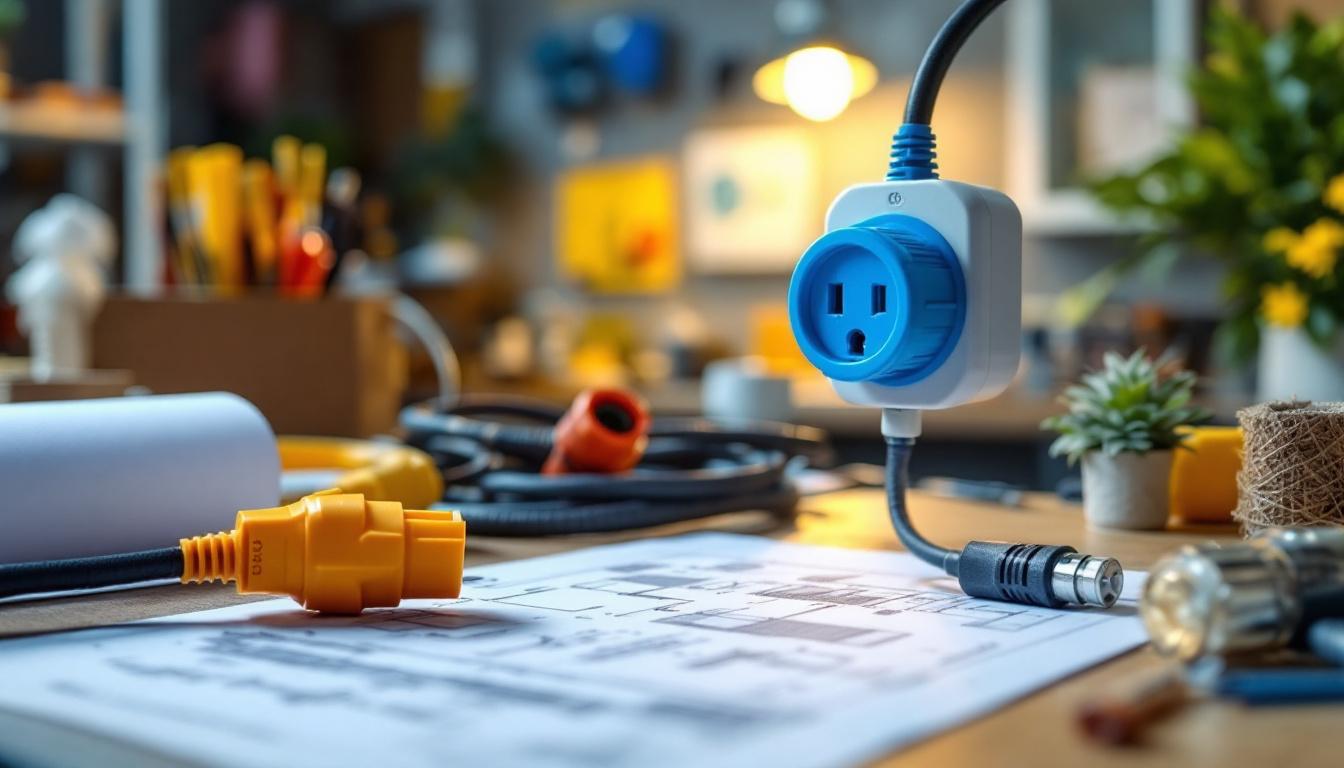
There are several configurations of the 208 electrical plug, each designed to meet specific installation requirements and comply with industry standards such as those set by the National Electrical Manufacturers Association (NEMA). Common configurations include the NEMA L15-20 and L15-30, which are locking plugs designed to prevent accidental disconnection and ensure a secure electrical connection.
Locking plugs are particularly important in lighting projects where vibration or environmental factors could cause standard plugs to loosen. Additionally, the color coding of 208 plugs—often blue or gray—helps electricians and contractors quickly identify the voltage rating and phase configuration, reducing the risk of installation errors. Beyond color coding, the physical design of these plugs often includes features such as weatherproofing and strain relief, making them suitable for outdoor applications or in environments where exposure to moisture and debris is a concern. This attention to detail in design not only enhances safety but also contributes to the longevity of electrical installations, ensuring that they remain reliable over time, even under demanding conditions.
Why the 208 Electrical Plug is Indispensable in Lighting Projects
Powering Commercial and Industrial Lighting Systems
Many commercial buildings, warehouses, and industrial facilities rely on three-phase power systems to meet their electrical demands. Lighting contractors working in these environments often encounter fixtures and control systems that require 208 volts. The 208 electrical plug provides a reliable and standardized means of connecting these systems to the power supply.
For example, high-bay LED lighting systems used in warehouses typically operate on 208 volts three-phase power. Using the correct 208 plug ensures that these lighting systems receive stable power, which enhances performance and extends fixture lifespan. Moreover, it simplifies maintenance and troubleshooting by providing a consistent connection standard.
Enhancing Safety and Compliance
Safety is paramount in any electrical installation. The 208 electrical plug is designed to meet stringent safety standards, including proper grounding and secure locking mechanisms. These features help prevent electrical shocks, short circuits, and accidental disconnections—common hazards in lighting projects.
Compliance with local electrical codes and standards is another reason why the 208 plug is a must-have. Many jurisdictions mandate the use of specific plugs and connectors for three-phase systems to ensure safety and interoperability. Lighting contractors who utilize the correct 208 plugs demonstrate professionalism and reduce the risk of costly code violations or rework.
Practical Applications and Installation Tips for Lighting Contractors
Choosing the Right 208 Plug for Your Project
When selecting a 208 electrical plug, contractors should consider the amperage requirements of the lighting system, the environment in which the plug will be used, and compatibility with existing electrical infrastructure. For example, a high-amperage lighting array may require a NEMA L15-30 plug, while smaller systems might only need a L15-20.
Environmental factors such as moisture, dust, and temperature extremes should also influence plug selection. Many 208 plugs are available with weather-resistant or industrial-grade housings that protect against harsh conditions, making them suitable for outdoor or industrial lighting projects.
Installation Best Practices
Proper installation of the 208 electrical plug is critical to ensure safety and functionality. Contractors should always follow manufacturer instructions and adhere to the National Electrical Code (NEC) guidelines. Key best practices include:
- Ensuring the power is disconnected before installation or maintenance.
- Using the correct wire gauge to match the amperage rating of the plug.
- Verifying proper grounding and secure connections to prevent electrical faults.
- Testing the connection with appropriate tools to confirm voltage and continuity.
Additionally, labeling and documenting the use of 208 plugs in lighting projects can aid future maintenance and troubleshooting efforts, reducing downtime and improving overall project management.
Case Studies: Successful Lighting Projects Utilizing 208 Electrical Plugs
Warehouse Lighting Upgrade
A large distribution center recently upgraded its lighting system to energy-efficient LED high-bay fixtures. The existing electrical infrastructure was based on a 208-volt three-phase system. By integrating 208 electrical plugs, the lighting contractor ensured seamless power delivery to the new fixtures, resulting in improved illumination and a 40% reduction in energy consumption.
The use of locking 208 plugs minimized downtime during installation and maintenance, as connections remained secure despite the vibrations from warehouse machinery. This project highlights how the right plug choice can contribute to both operational efficiency and safety.
Commercial Office Complex Lighting Installation
In a multi-story office complex, the lighting contractor faced the challenge of powering a sophisticated lighting control system that required 208 volts three-phase power. Utilizing standardized 208 electrical plugs allowed the contractor to streamline wiring and reduce installation time by 25% compared to previous projects using custom connectors.
The standardized plugs also facilitated easier upgrades and repairs, as replacement parts were readily available and compatible. This case underscores the importance of using industry-standard components like the 208 plug to improve project outcomes.
Future Trends and Innovations in Electrical Plug Technology for Lighting
As lighting technology evolves, so do the requirements for electrical connectors. The 208 electrical plug continues to be a staple in commercial and industrial lighting projects, but manufacturers are innovating to enhance safety, durability, and ease of use.
Emerging trends include smart plugs with integrated sensors that monitor electrical load and environmental conditions, providing real-time data to contractors and facility managers. These advancements help optimize lighting performance and prevent electrical issues before they arise.
Moreover, the push for sustainable building practices is driving the development of plugs made from eco-friendly materials and designed for easy recycling. Lighting contractors who stay informed about these innovations can offer cutting-edge solutions that meet client demands for efficiency and environmental responsibility.
Conclusion: Why Lighting Contractors Should Prioritize the 208 Electrical Plug
The 208 electrical plug is more than just a connector; it is a critical component that ensures the success, safety, and efficiency of lighting projects in commercial and industrial settings. Its ability to handle three-phase 208-volt power makes it indispensable for powering high-intensity lighting systems and complex control setups.
For lighting contractors, understanding the technical aspects, selecting the appropriate plug variant, and following best installation practices are essential steps toward delivering high-quality, code-compliant lighting solutions. Incorporating the 208 electrical plug into project planning not only enhances operational reliability but also contributes to safer work environments and satisfied clients.
As the lighting industry continues to evolve, staying current with electrical plug technology and standards will empower contractors to meet the demands of modern lighting projects effectively. The 208 electrical plug remains a must-have tool in the contractor’s arsenal, paving the way for successful and sustainable lighting installations.
Get Your 208 Electrical Plugs at LumenWholesale
Ready to enhance your lighting projects with the indispensable 208 electrical plug? Look no further than LumenWholesale for all your lighting needs. Our extensive selection of high-quality, spec-grade lighting products comes at unbeatable wholesale prices, ensuring you get the most reliable and high-performance lighting solutions. With free shipping on bulk orders, you can stock up on 208 electrical plugs and other essential lighting components without worrying about hidden fees. Make your next lighting project a success with the perfect blend of quality, affordability, and convenience at LumenWholesale – Wholesale Lighting at the Best Value.