Understanding Gas Canopies in Lighting Installations
When working on lighting installations, especially in commercial or industrial settings, the term “gas canopy” often comes up. But what exactly is a gas canopy, and why should lighting contractors pay close attention to it? A gas canopy is a protective enclosure designed to house gas-powered lighting fixtures or equipment. It serves as a shield against environmental elements such as rain, dust, and wind, while also ensuring safety by containing any potential gas leaks or combustion byproducts.
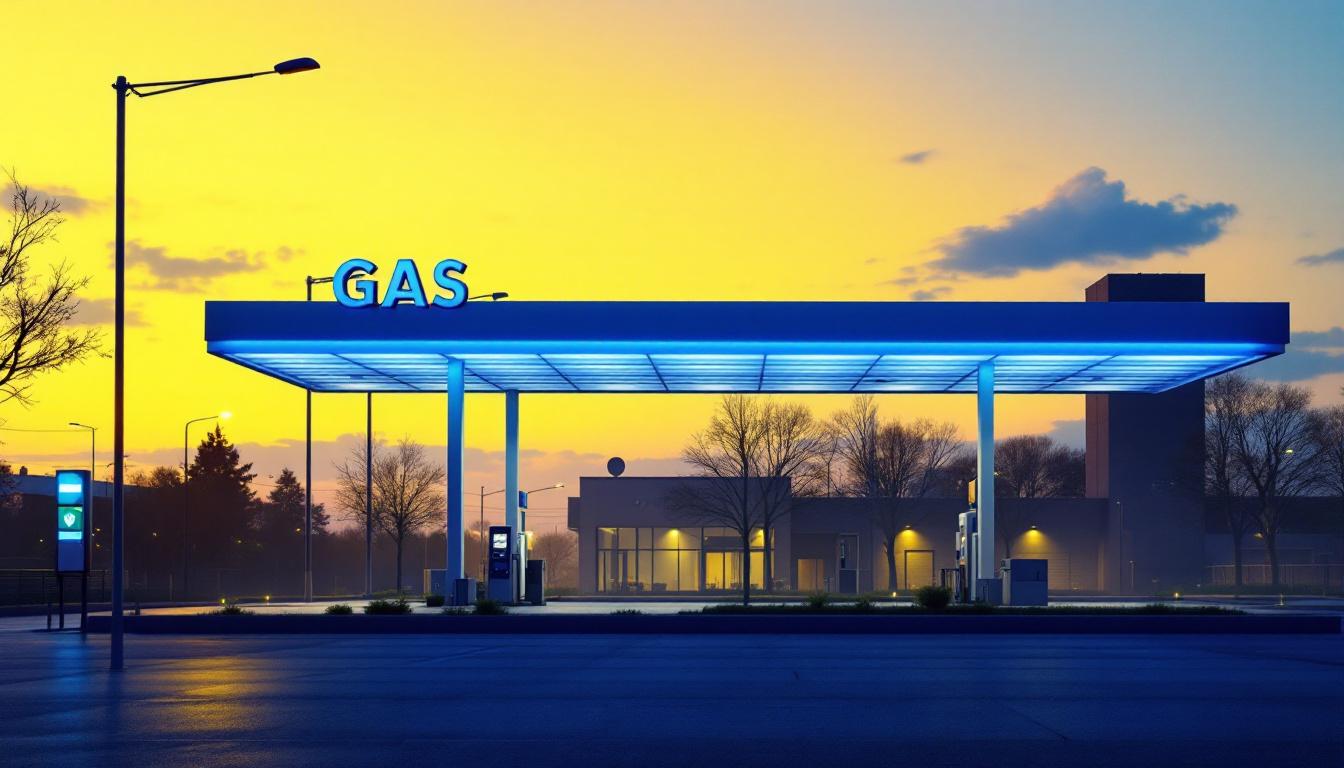
Gas canopies are commonly found in areas where gas-powered lighting is essential, such as outdoor parking lots, gas stations, and industrial yards. Their design is not just about aesthetics or weather protection; it’s a critical safety feature that impacts the overall performance and longevity of the lighting installation.
In addition to providing protection from the elements, gas canopies also play a significant role in enhancing visibility and safety in high-traffic areas. For instance, in gas stations, the illumination provided by gas-powered lights under a canopy can help guide drivers safely to fuel pumps, reducing the risk of accidents during nighttime operations. Furthermore, these canopies often incorporate reflective materials or strategic lighting placements to maximize light distribution, ensuring that every corner of the area is adequately illuminated.
Moreover, the construction of gas canopies must adhere to specific regulations and safety standards, which vary by location and application. This includes considerations for ventilation to prevent the accumulation of harmful gases, as well as fire safety measures to mitigate any risks associated with gas leaks. Contractors must be well-versed in these requirements to ensure compliance and to provide a safe environment for both workers and customers. By understanding the intricacies of gas canopies, lighting professionals can make informed decisions that enhance both the functionality and safety of their installations.
Safety: The Non-Negotiable Priority
Containing Gas Emissions
Gas-powered lighting involves the use of combustible fuels, which inherently carry risks. A gas canopy acts as a containment unit, preventing the escape of harmful gases into the surrounding environment. This containment reduces the risk of fire or explosion, especially in areas where flammable vapors might accumulate. The design of these canopies often includes safety features such as automatic shut-off valves and gas detectors that can alert operators to any leaks before they escalate into dangerous situations.
For lighting contractors, understanding this safety aspect is crucial. Installing lighting without a proper gas canopy can lead to hazardous situations, putting both property and lives at risk. Proper ventilation integrated into the canopy design also ensures that any residual gases are safely dispersed. Additionally, regular inspections and maintenance of both the canopy and the lighting system are essential practices to uphold safety standards. By adhering to these protocols, contractors can significantly mitigate risks associated with gas emissions, ensuring a safer working environment for everyone involved.
Protecting Against Environmental Hazards
Exposure to rain, snow, and dust can severely damage gas-powered lighting fixtures. Moisture can corrode metal parts and electrical components, while dust can clog ventilation systems, leading to overheating or malfunction. A well-designed gas canopy shields the lighting equipment from these elements, extending its operational life and maintaining performance. Furthermore, the canopy can be equipped with drainage systems to channel away any accumulated water, preventing pooling that could lead to further corrosion or electrical issues.
Contractors must ensure that the canopy materials and construction meet industry standards for durability and weather resistance. This protection minimizes maintenance needs and reduces downtime, which is especially important in commercial installations where lighting reliability is critical. Moreover, selecting high-quality materials not only enhances the longevity of the fixtures but also contributes to energy efficiency, as properly protected lighting systems operate more effectively. By investing in robust canopies, contractors can offer their clients peace of mind, knowing that their lighting solutions are safeguarded against the unpredictable elements of nature.
Enhancing Efficiency and Performance
Optimizing Light Distribution
Gas canopies are not just protective shells; they also influence how light is distributed in a given space. The interior surfaces of the canopy can be designed or coated to reflect light efficiently, improving illumination levels without increasing energy consumption.
For example, reflective coatings inside the canopy can direct light downward or outward as needed, reducing light pollution and enhancing visibility. This is particularly beneficial in parking lots or roadways where precise lighting improves safety and user experience. Furthermore, the strategic placement of fixtures within the canopy can create a uniform light distribution, minimizing dark spots that could pose hazards to pedestrians and drivers alike. By ensuring that light is evenly distributed, gas canopies can help create a more welcoming environment, encouraging nighttime activity and enhancing the overall aesthetic appeal of the area.
Reducing Energy Waste
Gas-powered lighting systems are often chosen for their energy efficiency compared to electric lighting in certain applications. However, without a proper canopy, energy can be wasted due to light scattering or inefficient fixture operation caused by environmental stressors.
By maintaining optimal operating conditions through protective canopies, lighting systems consume fuel more efficiently. This not only lowers operational costs but also reduces the environmental footprint of the installation. Additionally, the use of smart technology in conjunction with gas canopies can further enhance energy savings. For instance, integrating sensors that adjust lighting based on ambient light levels or motion can ensure that gas lights operate only when necessary, thereby maximizing efficiency. This innovative approach not only conserves energy but also extends the lifespan of the lighting fixtures, leading to reduced maintenance costs and less frequent replacements, which is beneficial for both budget-conscious entities and the environment.
Regulatory Compliance and Industry Standards
Meeting Safety Codes
Many jurisdictions have strict regulations governing the installation of gas-powered lighting. These codes often mandate the use of gas canopies to ensure public safety and environmental protection. Failing to comply can result in fines, project delays, or even legal liabilities.
Lighting contractors must be well-versed in local and national codes related to gas lighting installations. This knowledge ensures that projects pass inspections smoothly and uphold the highest safety standards.
Adhering to Manufacturer Guidelines
Manufacturers of gas-powered lighting fixtures typically provide detailed installation instructions, including specifications for canopy use. Ignoring these guidelines can void warranties or lead to premature equipment failure.
Contractors should always consult technical manuals and collaborate with manufacturers when designing or installing gas canopies, ensuring the system operates as intended.
Practical Considerations for Lighting Contractors
Material Selection and Durability
Choosing the right materials for gas canopies is fundamental. Common options include galvanized steel, aluminum, and weather-resistant composites. Each material offers different benefits in terms of weight, corrosion resistance, and cost.
For instance, galvanized steel provides robust protection but may be heavier and more expensive, while aluminum is lightweight and corrosion-resistant but might require additional reinforcement. Contractors must balance these factors based on project requirements and environmental conditions.
Installation Best Practices
Proper installation of gas canopies involves more than just mounting the structure. It requires precise alignment to ensure adequate ventilation, secure sealing to prevent gas leaks, and integration with existing lighting systems.
Contractors should also consider accessibility for maintenance and inspections. Designing canopies with removable panels or doors can facilitate easier servicing, reducing long-term labor costs and downtime.
Maintenance and Inspection
Regular maintenance is essential to keep gas canopies functioning effectively. This includes checking for corrosion, ensuring seals remain intact, and verifying that ventilation pathways are clear.
Lighting contractors should establish maintenance schedules and educate clients on the importance of periodic inspections. Early detection of issues can prevent costly repairs and enhance the safety and reliability of the lighting installation.
Case Studies: Real-World Impact of Gas Canopies
Gas Station Lighting Upgrade
A regional gas station chain recently upgraded its outdoor lighting by installing gas canopies over existing gas-powered fixtures. The result was a significant reduction in maintenance calls due to weather-related damage and a noticeable improvement in illumination uniformity across the forecourt.
By investing in gas canopies, the chain improved safety for customers and staff, while also lowering operational costs associated with frequent repairs and energy inefficiencies.
Industrial Yard Illumination
An industrial facility with extensive outdoor lighting faced challenges with equipment corrosion and gas leaks. After retrofitting their lighting with custom-designed gas canopies, they experienced enhanced safety compliance and extended equipment lifespan.
This upgrade also helped the facility meet stringent environmental regulations, avoiding potential fines and improving community relations.
Future Trends and Innovations
Integration with Smart Lighting Systems
As smart lighting technologies advance, gas canopies are evolving to accommodate sensors, cameras, and communication devices. These integrations enable remote monitoring of gas levels, lighting performance, and environmental conditions.
Such smart canopies enhance safety by providing real-time alerts and allow for predictive maintenance, reducing unexpected failures and optimizing energy use.
Sustainable Materials and Designs
There is growing interest in using sustainable and recyclable materials in canopy construction. Lightweight composites made from recycled plastics or metals are gaining popularity, offering durability while reducing environmental impact.
Design innovations also focus on modularity, allowing canopies to be easily upgraded or expanded as lighting technologies evolve.
Conclusion: Why Gas Canopies Should Never Be Overlooked
For lighting contractors, the gas canopy is far more than a simple accessory. It is a critical component that ensures safety, enhances performance, and guarantees compliance with regulations. Ignoring the importance of gas canopies can lead to hazardous conditions, increased costs, and diminished lighting quality.
Investing time and expertise into selecting, installing, and maintaining gas canopies pays dividends in the long run. It protects both the lighting infrastructure and the people who rely on it every day. For any project involving gas-powered lighting, the canopy is an indispensable element that deserves careful consideration and professional attention.
Illuminate Your Projects with LumenWholesale
Ready to elevate your lighting installations with the safety and efficiency of gas canopies? Look no further than LumenWholesale for all your lighting needs. Our extensive selection of spec-grade lighting products is designed to meet the highest industry standards, ensuring you get the most reliable and high-performance lighting for every project. With unbeatable wholesale prices and the convenience of free shipping on bulk orders, you can trust LumenWholesale to provide premium lighting solutions at the best value. Don’t compromise on quality or affordability—explore our wholesale lighting options today and bring unparalleled excellence to your lighting installations.