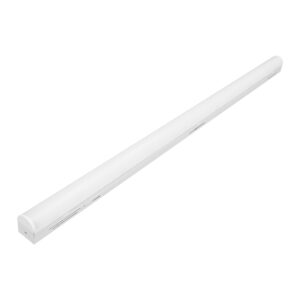
Introduction to LED Ceiling Light Strips
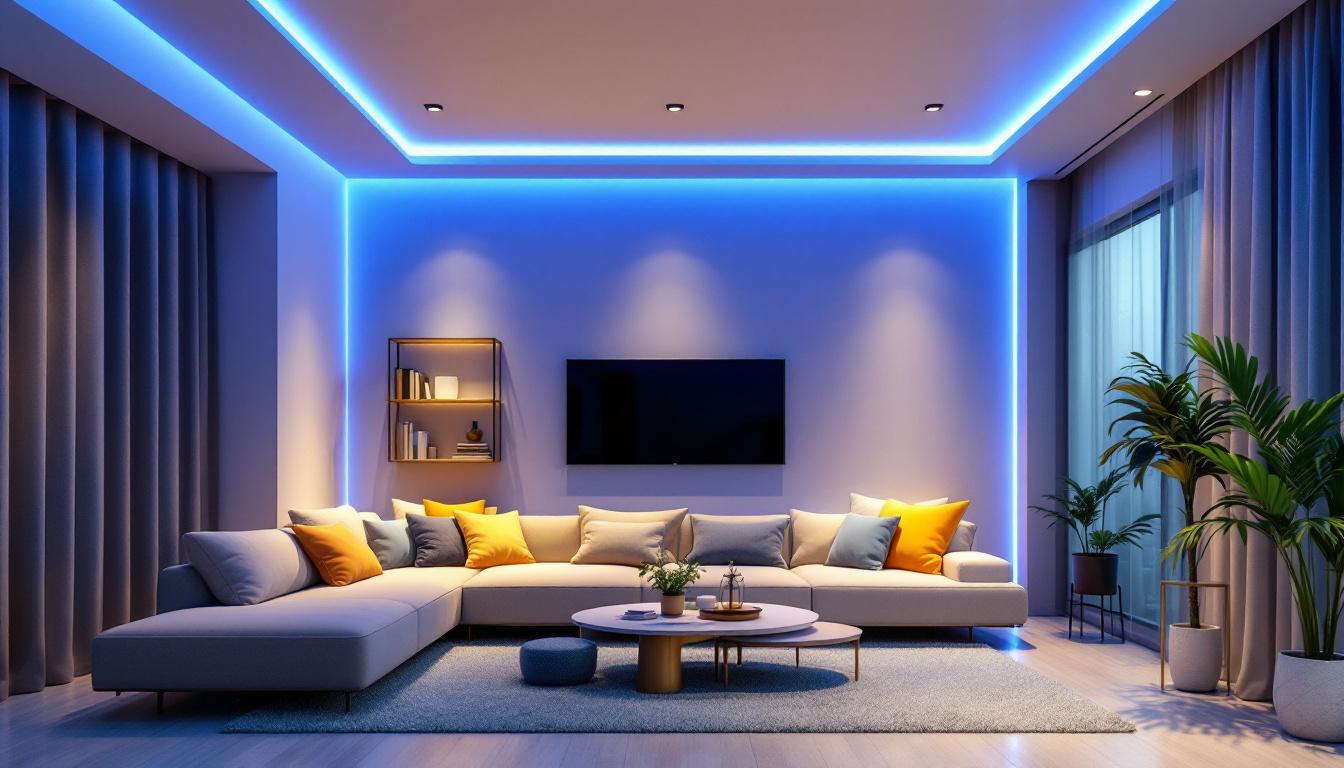
Lighting contractors are continually seeking innovative solutions that combine aesthetic appeal, energy efficiency, and installation flexibility. LED ceiling light strips have emerged as a transformative technology in lighting design, offering a versatile alternative to traditional lighting fixtures. These strips, composed of multiple light-emitting diodes mounted on a flexible circuit board, can be installed in a variety of ceiling configurations to create seamless, dynamic lighting effects.
Unlike conventional ceiling lights, LED strips provide uniform illumination, customizable color temperatures, and the ability to integrate smart controls. Their slim profile and adaptability make them ideal for both residential and commercial projects, where design precision and energy savings are paramount.
One of the standout features of LED ceiling light strips is their ability to change colors and brightness levels, allowing users to tailor the lighting to suit different moods and activities. For instance, a warm white light can create a cozy atmosphere for family gatherings, while a cooler, brighter light can enhance focus during work or study sessions. This versatility is particularly beneficial in spaces that serve multiple functions, such as open-concept living areas or multipurpose conference rooms.
Moreover, the installation process for LED ceiling light strips is remarkably straightforward, often requiring minimal tools and expertise. Many strips come with adhesive backing, allowing for easy application to various surfaces, including drywall and wood. Additionally, advancements in technology have led to the development of plug-and-play options, which enable users to connect multiple strips seamlessly without the need for complex wiring. This ease of installation not only saves time but also reduces labor costs, making LED strips an attractive choice for contractors and DIY enthusiasts alike.
The Advantages of LED Ceiling Light Strips for Contractors
Energy Efficiency and Cost Savings
One of the most compelling reasons lighting contractors are adopting LED ceiling light strips is their superior energy efficiency. LED technology consumes significantly less power compared to incandescent and fluorescent lighting, reducing operational costs for clients. For example, LED strips can use up to 75% less energy while delivering comparable or better illumination levels.
Moreover, the longer lifespan of LEDs—often exceeding 50,000 hours—means fewer replacements and less maintenance, which is a strong selling point for contractors aiming to provide value over time. This durability also minimizes downtime in commercial settings, enhancing client satisfaction. As an added benefit, many utility companies offer rebates or incentives for upgrading to energy-efficient lighting, further improving the return on investment for clients. This financial advantage can be a key factor in decision-making, making it easier for contractors to pitch LED solutions to potential customers.
Design Flexibility and Aesthetic Appeal
LED ceiling light strips offer unparalleled design flexibility. Their ability to bend and conform to various ceiling shapes allows contractors to create custom lighting layouts that were previously difficult or impossible with traditional fixtures. This flexibility supports innovative architectural designs, such as cove lighting, perimeter accents, and backlit panels.
Additionally, LED strips can be programmed to emit different colors and intensities, enabling dynamic lighting scenes that enhance ambiance and mood. This capability is particularly valuable in hospitality, retail, and entertainment venues where lighting plays a critical role in customer experience. For instance, a restaurant can adjust the lighting to create a cozy atmosphere during dinner service, then switch to brighter, more vibrant colors for a lively brunch crowd. Such adaptability not only elevates the aesthetic appeal but also allows businesses to tailor their environment to specific events or times of day, ultimately driving customer engagement and satisfaction.
Ease of Installation and Integration
From an installation perspective, LED ceiling light strips simplify the process considerably. Their lightweight, flexible form factor reduces the need for complex mounting hardware. Many strips come with adhesive backing or magnetic mounting options, allowing for quick and secure placement.
Furthermore, these strips can be integrated with existing lighting control systems, including dimmers, motion sensors, and smart home platforms. This compatibility allows contractors to offer clients advanced lighting solutions without extensive rewiring or infrastructure changes. The integration of smart technology also opens up possibilities for energy monitoring and automated lighting schedules, enabling clients to optimize their energy usage further. For example, a motion sensor can ensure that lights are only on when a room is occupied, thereby maximizing efficiency and minimizing waste. This level of control not only enhances convenience but also aligns with the growing trend towards sustainable building practices, making LED ceiling light strips an attractive option for environmentally conscious clients.
Technical Considerations for Lighting Contractors
Choosing the Right LED Strip Specifications
When selecting LED ceiling light strips, contractors must consider several technical factors to ensure optimal performance. Key specifications include brightness (measured in lumens), color temperature (Kelvin scale), color rendering index (CRI), and power consumption (watts per meter).
For example, a high CRI (above 80) is essential in retail or gallery environments where accurate color representation is critical. Meanwhile, color temperature selection depends on the desired atmosphere—warm white (2700K-3000K) for cozy settings, neutral white (3500K-4100K) for offices, or cool white (5000K-6500K) for task lighting.
Power Supply and Voltage Requirements
LED strips typically operate on low voltage (12V or 24V DC), which enhances safety and simplifies wiring. However, contractors must ensure the power supply matches the strip’s voltage and current requirements to prevent overheating or premature failure.
Additionally, calculating the total wattage of the installed strips is crucial for selecting an adequate power supply with some margin to accommodate future expansions or variations in load.
Heat Management and Longevity
Despite their efficiency, LEDs generate heat that must be managed to maintain performance and lifespan. Proper heat dissipation is achieved through aluminum channels or heat sinks integrated into the ceiling design. Lighting contractors should plan for sufficient ventilation or thermal management solutions during installation.
Ignoring heat management can lead to color shifting, reduced brightness, and early LED degradation, compromising the quality of the lighting installation.
Innovative Applications of LED Ceiling Light Strips
Architectural and Ambient Lighting
LED ceiling light strips enable contractors to highlight architectural features such as coves, recesses, and moldings with subtle, indirect lighting. This technique enhances spatial perception and adds depth to interior environments.
Ambient lighting created by LED strips can be adjusted throughout the day to support circadian rhythms, improving occupant comfort and productivity in workplaces and healthcare facilities.
Commercial and Retail Environments
In commercial settings, LED ceiling light strips provide both functional and decorative lighting. Retailers use these strips to accentuate product displays, create eye-catching signage, and guide customer flow through stores.
The ability to change colors and lighting scenes also supports promotional events and seasonal themes, making LED strips a versatile tool for marketing and branding.
Smart Lighting Integration
Modern LED ceiling light strips can be integrated with smart lighting systems that offer remote control, scheduling, and automation. Contractors can install these systems to provide clients with energy monitoring, voice control compatibility, and adaptive lighting scenarios.
Smart integration not only enhances user experience but also contributes to energy savings by optimizing lighting usage based on occupancy and natural light availability.
Challenges and Solutions in LED Ceiling Light Strip Installation
Ensuring Uniform Light Distribution
One common challenge is achieving consistent light output without visible hotspots or dark areas. This requires careful planning of strip placement, spacing, and diffuser selection.
Using high-quality diffusers and selecting LED strips with closely spaced diodes can help create smooth, uniform illumination. Contractors should also perform mock-ups or simulations during the design phase to anticipate and address potential issues.
Addressing Electrical and Safety Codes
Compliance with local electrical codes and safety standards is critical. Contractors must verify that all components, including power supplies, connectors, and wiring, meet regulatory requirements.
Proper grounding, surge protection, and circuit protection devices should be incorporated to ensure safe and reliable operation. Documentation and certification of installations can also enhance client trust and satisfaction.
Managing Installation in Complex Ceiling Structures
Installing LED strips in ceilings with intricate designs or limited access can be challenging. Contractors may need to coordinate with architects and other trades to plan cable routing and mounting solutions.
Modular LED strip systems with connectors and extension cables can facilitate installation in tight or segmented spaces. Additionally, pre-assembled lighting modules can reduce on-site labor and installation time.
Future Trends in LED Ceiling Light Strip Technology
Advancements in LED Efficiency and Color Quality
Ongoing research is driving improvements in LED chip efficiency and color rendering. Future LED strips are expected to deliver even higher lumens per watt and more accurate color reproduction, expanding their applicability across diverse settings.
These advancements will enable contractors to offer lighting solutions that are both more sustainable and visually compelling.
Integration with IoT and Building Automation
The convergence of LED lighting with Internet of Things (IoT) technology is creating new opportunities for intelligent lighting systems. LED ceiling light strips will increasingly be integrated with sensors, data analytics, and building management platforms.
This integration allows for real-time monitoring, predictive maintenance, and adaptive lighting strategies that optimize energy use and occupant comfort.
Customization and Modular Design
Future LED ceiling light strips will offer greater modularity and customization options. Contractors will be able to tailor strip lengths, shapes, and control interfaces to meet highly specific design requirements.
Such flexibility will support more creative lighting concepts and streamline the installation process, reducing costs and enhancing client satisfaction.
Conclusion
LED ceiling light strips represent a significant evolution in lighting design and installation, offering lighting contractors a powerful tool to meet the demands of modern projects. Their energy efficiency, design versatility, and ease of integration align perfectly with the goals of sustainability, aesthetic excellence, and operational efficiency.
By understanding the technical considerations and embracing emerging trends, contractors can position themselves at the forefront of the lighting industry, delivering innovative solutions that enhance spaces and delight clients.
Illuminate Your Projects with LumenWholesale
Ready to harness the power of LED ceiling light strips and revolutionize your lighting installations? Look no further than LumenWholesale for all your lighting needs. Our commitment to providing contractors with the highest quality, spec-grade lighting products at wholesale prices means you can complete your projects with confidence and cost-efficiency. With LumenWholesale, you’ll enjoy the convenience of free shipping on bulk orders, ensuring you get the best value without any hidden costs. Elevate your lighting designs today and explore our selection of wholesale lighting to find the perfect fit for your next project.