Introduction to Solar Outdoor LED Lighting
As the demand for sustainable and energy-efficient lighting solutions continues to grow, outdoor LED lights powered by solar energy have become a pivotal focus for lighting contractors. These systems offer a compelling combination of environmental benefits, cost savings, and installation flexibility, making them an essential component in modern lighting projects.
For contractors, understanding the fundamentals of solar outdoor LED lighting is critical not only to meet client expectations but also to stay competitive in an evolving market. This article explores the essentials that lighting contractors need to know, from system components and design considerations to installation best practices and maintenance strategies.
One of the key advantages of solar outdoor LED lighting is its ability to reduce reliance on traditional power sources, which can lead to significant reductions in energy bills over time. By harnessing the sun’s energy, these systems can operate independently of the grid, making them particularly appealing for remote locations or areas where electrical infrastructure is lacking. Furthermore, many municipalities are incentivizing the adoption of solar technologies through rebates and tax credits, further enhancing the financial appeal for both contractors and their clients.
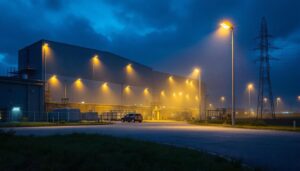
In addition to the economic benefits, solar outdoor LED lighting contributes positively to the environment by decreasing carbon footprints. The use of renewable energy sources helps mitigate the effects of climate change, and the long lifespan of LED bulbs means fewer replacements and less waste. Moreover, advancements in solar technology have led to more efficient photovoltaic cells and battery systems, ensuring that these lights can perform reliably even in less-than-ideal weather conditions. This reliability is crucial for ensuring safety and security in outdoor spaces, making solar outdoor LED lighting a smart choice for parks, pathways, and commercial properties alike.
“`html
Understanding the Components of Solar LED Lighting Systems
Solar Panels
At the heart of any solar LED lighting system is the solar panel, which converts sunlight into electrical energy. The efficiency of these panels significantly impacts the overall performance of the lighting system. High-quality monocrystalline panels are typically preferred for their superior efficiency and durability, especially in outdoor environments where weather resistance is crucial.
Lighting contractors should consider the panel’s wattage rating relative to the energy demands of the LED fixtures and the expected sunlight availability at the installation site. Proper sizing ensures the system can reliably charge the battery and power the lights throughout the night. Additionally, the angle and orientation of the solar panels can further enhance energy capture. For optimal performance, panels should be installed at an angle that maximizes sun exposure throughout the year, taking into account seasonal variations in sunlight. Regular maintenance, such as cleaning the panels to remove debris or dirt, can also contribute to maintaining their efficiency over time.
LED Fixtures
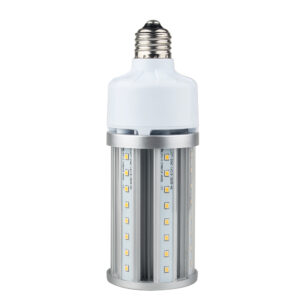
LED technology offers excellent energy efficiency, long lifespan, and high lumen output, making it ideal for outdoor lighting. When paired with solar power, LED fixtures maximize the use of limited energy resources. Contractors should select fixtures designed specifically for solar applications, which are optimized for low voltage and energy consumption.
Additionally, the choice of color temperature and beam angle plays a vital role in achieving the desired lighting effect, whether for security, landscape enhancement, or pathway illumination. For instance, warmer color temperatures can create a welcoming ambiance for residential areas, while cooler temperatures are often preferred for security lighting due to their enhanced visibility. Furthermore, the design of the LED fixtures, including their materials and aesthetic appeal, can influence the overall look of the installation, making it essential to choose options that complement the surrounding environment.
Batteries and Energy Storage
Energy storage is a cornerstone of solar LED lighting systems, enabling lights to operate after dark. Lithium-ion batteries are increasingly favored due to their high energy density, longer cycle life, and lighter weight compared to traditional lead-acid batteries.
Contractors must ensure that battery capacity aligns with the lighting load and anticipated autonomy requirements, which is the number of nights the system can operate without sunlight. Proper battery management systems also help prolong battery life and maintain system reliability. In addition to lithium-ion, other battery technologies, such as nickel-metal hydride (NiMH) or even newer solid-state batteries, are being explored for their potential benefits in terms of safety and environmental impact. Understanding the trade-offs between these options can help contractors make informed decisions that align with their project goals and sustainability practices.
Controllers and Sensors
Controllers regulate the charging and discharging of batteries, preventing overcharging and deep discharge that could damage the system. Advanced controllers often include features such as dimming, motion sensing, and programmable timing, enhancing energy efficiency and user experience.
Motion sensors are particularly valuable in security lighting applications, activating lights only when movement is detected to conserve energy. Photocells or ambient light sensors can automatically turn lights on at dusk and off at dawn, further optimizing system operation. Moreover, some modern systems are equipped with smart technology that allows for remote monitoring and control via smartphone apps, providing users with real-time data on energy usage and system performance. This level of interactivity not only enhances user engagement but also facilitates timely maintenance and adjustments, ensuring the lighting system operates at peak efficiency throughout its lifespan.
“`
Design Considerations for Optimal Performance
Site Assessment and Sunlight Availability
Before installation, a thorough site assessment is essential. Contractors should evaluate the location for potential shading from trees, buildings, or other obstructions that could reduce solar panel efficiency. Understanding the solar insolation—the amount of solar radiation received—helps in selecting appropriate panel sizes and battery capacities.
Geographical factors and seasonal variations also influence system design. In regions with limited sunlight during certain periods, contractors may need to oversize panels or batteries to maintain consistent lighting performance.
Load Calculation and System Sizing
Accurate load calculation is fundamental to designing a reliable solar LED lighting system. This involves determining the total wattage of all LED fixtures, expected daily operating hours, and any additional energy-consuming components like sensors or controllers.
Contractors should factor in system losses such as wiring resistance and battery efficiency to ensure the system can meet energy demands without frequent outages. Oversizing the system slightly can provide a buffer against unexpected energy deficits.
Mounting and Orientation
Proper mounting and orientation of solar panels are critical for maximizing energy capture. Panels should be installed at an angle that corresponds to the latitude of the site to optimize exposure to sunlight throughout the year.
Secure mounting structures that withstand wind loads and environmental wear are necessary to maintain system integrity. For LED fixtures, positioning should focus on providing uniform illumination while minimizing light pollution and glare.
Installation Best Practices
Safety and Compliance
Lighting contractors must adhere to local electrical codes and safety standards when installing solar LED lighting systems. This includes proper grounding, waterproofing of electrical connections, and the use of certified components to ensure system safety and longevity.
Documenting the installation process and providing clients with operation manuals and warranty information enhances professionalism and customer satisfaction.
Wiring and Connections
Using weather-resistant connectors and cables designed for outdoor use prevents corrosion and electrical failures. Contractors should minimize cable lengths to reduce voltage drop and secure all wiring to prevent damage from environmental factors or vandalism.
Proper labeling of system components facilitates future maintenance and troubleshooting.
Testing and Commissioning
After installation, comprehensive testing ensures the system operates as intended. This includes verifying solar panel output, battery charging and discharging cycles, sensor functionality, and lighting levels.
Contractors should simulate nighttime conditions to confirm automatic activation and run-time performance. Providing clients with a demonstration and maintenance tips helps establish trust and reduces service calls.
Maintenance and Troubleshooting
Routine Maintenance
Although solar LED lighting systems are relatively low maintenance, regular inspections are necessary to sustain optimal performance. Cleaning solar panels to remove dust, leaves, or snow enhances energy absorption. Checking battery health and connections prevents unexpected failures.
Inspecting LED fixtures for damage or dirt accumulation ensures consistent light output and safety.
Common Issues and Solutions
Lighting contractors should be prepared to address common problems such as reduced light duration, flickering LEDs, or sensor malfunctions. These issues often stem from battery degradation, wiring faults, or controller failures.
Systematic troubleshooting, including voltage measurements and component testing, helps isolate and resolve problems efficiently. Keeping spare parts and diagnostic tools on hand can expedite repairs and minimize downtime.
Benefits of Solar Outdoor LED Lighting for Contractors and Clients
Solar outdoor LED lighting offers numerous advantages that benefit both contractors and their clients. For contractors, these systems open opportunities in green building projects and government incentives promoting renewable energy.
Clients benefit from reduced energy costs, independence from grid power, and enhanced environmental stewardship. The ease of installation without extensive trenching or wiring reduces labor time and project complexity, improving profitability for contractors.
Additionally, solar LED lighting systems are scalable and adaptable, suitable for residential, commercial, and municipal applications, expanding market reach for lighting contractors.
Conclusion
For lighting contractors, mastering the essentials of outdoor solar LED lighting is indispensable in today’s energy-conscious landscape. A deep understanding of system components, design principles, installation techniques, and maintenance practices ensures successful project outcomes and satisfied clients.
By integrating solar LED lighting solutions, contractors not only contribute to sustainable development but also enhance their service offerings and competitive edge. Staying informed about technological advancements and industry standards will continue to be key in leveraging the full potential of solar outdoor LED lighting systems.
“`html
Illuminate Your Projects with LumenWholesale
Ready to elevate your lighting projects with the most efficient solar LED solutions? At LumenWholesale, we provide lighting contractors like you with spec-grade, top-quality outdoor LED lights at unbeatable wholesale prices. Our commitment to cutting out the middleman means you get superior products without the inflated markups, backed by the convenience of free shipping on bulk orders. Don’t compromise on quality or value—choose LumenWholesale for reliable, high-performance lighting that meets the highest industry standards. Enhance your service offerings and gain a competitive edge by visiting Wholesale Lighting at the Best Value today.
“`