Understanding the Shift from Fluorescent to LED Lighting
The lighting industry has witnessed a significant transformation over recent years, with LED technology emerging as the preferred choice for commercial and industrial applications. For lighting contractors, the transition from traditional fluorescent fixtures to LED replacement fixtures is not just about swapping bulbs; it’s about optimizing lighting systems to achieve maximum efficiency, cost savings, and improved environmental impact.
Fluorescent fixtures, once the standard in offices, warehouses, and retail spaces, are gradually being phased out due to their limitations. These include shorter lifespans, higher energy consumption, and the presence of hazardous materials like mercury. LEDs, on the other hand, offer longer lifespans, superior energy efficiency, and greater design flexibility, making them a compelling alternative.
Why LEDs Outperform Fluorescent Fixtures
LEDs consume up to 50-70% less energy compared to fluorescent lighting, which translates into substantial operational savings over time. Additionally, LEDs have a lifespan that can exceed 50,000 hours, often doubling or tripling the life expectancy of fluorescent tubes. This reduces maintenance frequency and costs, a critical consideration for large-scale installations.
Moreover, LED fixtures provide instant illumination without the flickering or warm-up times associated with fluorescent bulbs. They also offer better color rendering, enhancing the visual comfort and productivity of occupants. For contractors, these benefits mean fewer callbacks and higher client satisfaction.
In addition to their energy efficiency and longevity, LEDs are also more versatile in terms of design and application. They come in various shapes, sizes, and color temperatures, allowing for tailored lighting solutions that meet specific needs. Whether it’s a warm white for a cozy retail environment or a bright daylight for a warehouse, the adaptability of LED technology enables contractors to create customized lighting experiences that enhance the ambiance and functionality of any space. Furthermore, the ability to integrate LEDs with smart technology means that lighting can be controlled remotely, adjusted based on occupancy, or programmed for specific tasks, further optimizing energy use and user experience.
Another compelling aspect of the shift to LED lighting is its positive environmental impact. With the reduction of energy consumption comes a decrease in greenhouse gas emissions, contributing to a more sustainable future. Additionally, the absence of hazardous materials in LEDs means that they are safer for both the environment and human health. As businesses and organizations increasingly prioritize sustainability, adopting LED technology aligns with their goals and demonstrates a commitment to responsible practices. This shift not only benefits the planet but also enhances the reputation of contractors who advocate for and implement these eco-friendly solutions.
Key Considerations When Selecting LED Replacement Fixtures
Choosing the right LED replacement fixture requires a comprehensive understanding of the existing fluorescent setup and the specific needs of the space. Several factors influence the efficiency and effectiveness of the retrofit.
Compatibility with Existing Fixtures
One of the first steps is to assess whether the LED replacement fixture is compatible with the existing fluorescent housing and electrical setup. Some LED tubes are designed as direct replacements, fitting into existing sockets with minimal modification, while others may require ballast bypass or complete fixture replacement.
Understanding the type of ballast—whether electronic or magnetic—is crucial, as it affects installation complexity and safety. Ballast-compatible LED tubes simplify installation but may not deliver maximum energy savings, whereas ballast-bypass options eliminate ballast-related energy losses but require rewiring. Additionally, it’s important to consider the physical dimensions of the LED tubes; some may not fit snugly into older fixtures, potentially leading to light leakage or aesthetic inconsistencies.
Light Output and Color Temperature
LED replacement fixtures come in a range of lumen outputs and color temperatures. Contractors must ensure that the new fixtures provide equivalent or improved brightness compared to the fluorescent originals. Typically, a fluorescent T8 tube produces around 2,500 lumens, so selecting an LED tube with similar or higher lumens ensures adequate illumination.
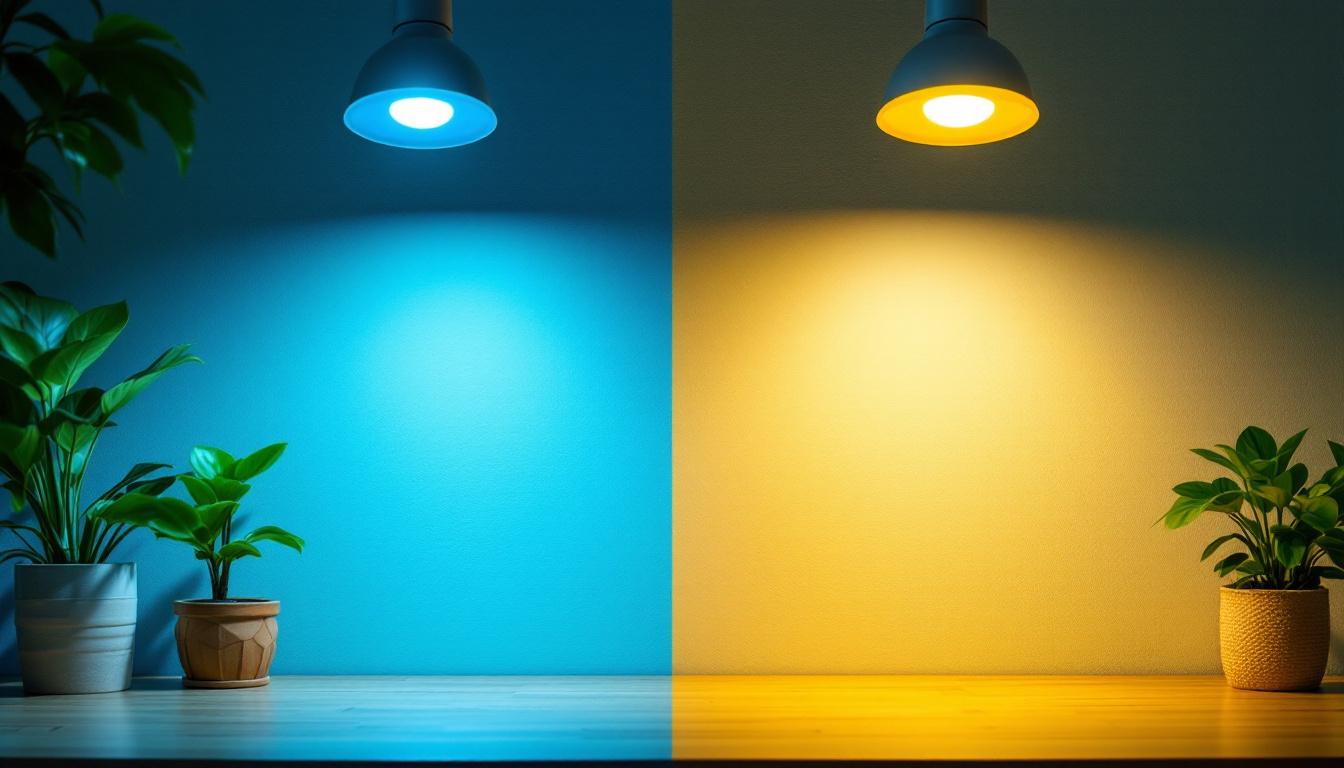
Color temperature, measured in Kelvins (K), impacts the ambiance and functionality of a space. Cooler temperatures (4000K-5000K) are often preferred in work environments for their crisp, daylight-like quality, while warmer temperatures (2700K-3500K) may be suitable for hospitality or retail settings. Offering clients options tailored to their needs enhances project outcomes. Furthermore, the ability to dim LED fixtures can create versatile lighting scenarios, allowing spaces to transition from bright, focused work environments to softer, more relaxed atmospheres as needed.
Energy Efficiency Ratings and Certifications
Energy efficiency is a primary driver for retrofitting fluorescent fixtures with LEDs. Contractors should prioritize fixtures that carry recognized certifications such as ENERGY STAR or DLC (DesignLights Consortium) listings, which guarantee performance standards and eligibility for utility rebates.
These certifications also provide assurance of quality and longevity, reducing the risk of premature failures and ensuring that clients receive the best value for their investment. Moreover, it’s beneficial to conduct a cost-benefit analysis that includes potential energy savings over time, as well as maintenance costs associated with LED fixtures, which generally have a longer lifespan compared to traditional fluorescent lights. Understanding the total cost of ownership can help in making informed decisions that align with both budget constraints and sustainability goals.
Installation Best Practices for Maximum Efficiency
Proper installation is critical to realizing the full benefits of LED replacement fixtures. Lighting contractors play a pivotal role in ensuring that installations are safe, compliant, and optimized for performance.
Pre-Installation Assessment
Before installation, conduct a thorough site survey to evaluate the condition of existing fixtures, wiring, and controls. Identifying any issues such as damaged sockets, outdated wiring, or incompatible ballasts can prevent future problems and ensure a smooth retrofit process.
Documenting the current lighting layout and usage patterns also helps in designing an optimized LED system that meets the client’s needs without over- or under-lighting spaces. Additionally, understanding the specific requirements of each area—such as the need for brighter lighting in workspaces versus softer lighting in relaxation areas—can guide the selection of appropriate LED fixtures that enhance both functionality and aesthetics.
Ballast Bypass vs. Plug-and-Play Installation
Deciding between ballast-bypass and plug-and-play LED tubes depends on factors such as energy savings goals, installation complexity, and safety considerations. Ballast-bypass installations eliminate the ballast, reducing energy consumption and maintenance but require rewiring and adherence to electrical codes.
Plug-and-play options offer quicker installation with minimal disruption but may retain ballast-related energy losses and potential compatibility issues. Contractors should advise clients on the trade-offs and select the approach that aligns with project objectives. Furthermore, understanding the long-term implications of each method on energy efficiency and operational costs can empower clients to make informed decisions that benefit their bottom line.
Incorporating Lighting Controls
Integrating advanced lighting controls such as occupancy sensors, daylight harvesting, and dimming capabilities can significantly enhance energy savings. LEDs respond well to dimming and control systems, allowing for tailored lighting levels based on occupancy or natural light availability.
For contractors, recommending and installing these controls adds value to the retrofit project and aligns with modern energy codes and sustainability standards. Moreover, educating clients about the potential for smart lighting systems to be integrated with building management systems can further optimize energy usage and provide real-time data analytics for ongoing improvements. This not only enhances user comfort but also supports a more sustainable approach to energy consumption, as facilities can adapt their lighting needs dynamically throughout the day.
Maintenance and Long-Term Performance Optimization
While LEDs require less maintenance than fluorescent fixtures, ongoing care and monitoring ensure sustained efficiency and performance. The longevity of LED lighting systems is one of their most appealing features, but without proper upkeep, even the best technology can underperform. Understanding the nuances of LED maintenance can significantly enhance their lifespan and effectiveness, ultimately leading to greater energy savings and reduced operational costs.
Routine Inspection and Cleaning
Dust and dirt accumulation can reduce light output and efficiency. Scheduling periodic cleaning of LED fixtures maintains optimal illumination levels. Additionally, inspections can identify any signs of wear or damage early, preventing costly repairs or replacements. It is advisable to establish a cleaning schedule based on the environment; for instance, fixtures in industrial settings may require more frequent attention due to higher levels of particulate matter. Using appropriate cleaning solutions and tools that do not scratch or damage the LED surfaces is crucial to preserving their integrity and performance.
Monitoring Energy Consumption and Performance
Utilizing energy management systems to track lighting performance helps verify that the retrofit meets expected savings. Data-driven insights enable contractors and facility managers to make informed decisions about adjustments or upgrades. These systems can provide real-time data on energy usage, allowing for proactive management of lighting systems. For example, if a particular area shows increased energy consumption, it may indicate a malfunctioning fixture or the need for recalibration. Regular performance reviews also support warranty claims and demonstrate the value of LED investments to clients. Furthermore, integrating smart technology can enhance monitoring capabilities, allowing for remote access and control, which can optimize energy savings even further.
Incorporating advanced analytics into energy management can also reveal patterns in usage, helping to identify peak hours and adjust lighting schedules accordingly. This not only maximizes efficiency but also contributes to a more sustainable operation by reducing unnecessary energy consumption during off-peak times. As the technology continues to evolve, staying updated on the latest advancements in LED maintenance and performance monitoring will ensure that facilities can leverage the full potential of their lighting systems.
Case Studies Demonstrating Successful LED Retrofits
Real-world examples illustrate the tangible benefits of LED replacement fixtures in various settings.
Warehouse Lighting Upgrade
A large distribution center replaced thousands of fluorescent tubes with high-output LED fixtures featuring ballast bypass and occupancy sensors. The retrofit resulted in a 60% reduction in energy consumption and improved light uniformity, enhancing worker safety and productivity.
Office Building Retrofit
An office complex transitioned from fluorescent troffers to LED panels with tunable white technology. This allowed for adjustable color temperatures throughout the day, improving occupant comfort and reducing eye strain. Energy savings exceeded 50%, and maintenance costs dropped significantly.
Conclusion: Maximizing Efficiency with LED Replacement Fixtures
The transition from fluorescent to LED lighting represents a strategic opportunity for lighting contractors to deliver enhanced value to clients. By carefully selecting compatible fixtures, adhering to best installation practices, and incorporating advanced controls, contractors can optimize lighting systems for maximum efficiency and longevity.
Staying informed about the latest technologies, certifications, and energy standards empowers contractors to design and implement solutions that not only reduce operational costs but also contribute to sustainability goals. Ultimately, a well-executed LED retrofit enhances the visual environment, supports occupant well-being, and positions contractors as trusted partners in modern lighting solutions.
Illuminate Your Projects with LumenWholesale
Ready to elevate your lighting projects with the efficiency and sustainability of LED technology? LumenWholesale is your go-to source for premium, spec-grade lighting solutions at wholesale prices. Say goodbye to inflated markups and hello to a vast selection of high-performance lighting that meets the highest industry standards. With free shipping on bulk orders, we ensure you get the best value without any hidden fees. Transform your lighting installations today and experience the unbeatable combination of quality, affordability, and convenience. Explore our LED lighting options and secure the best value for your next project.