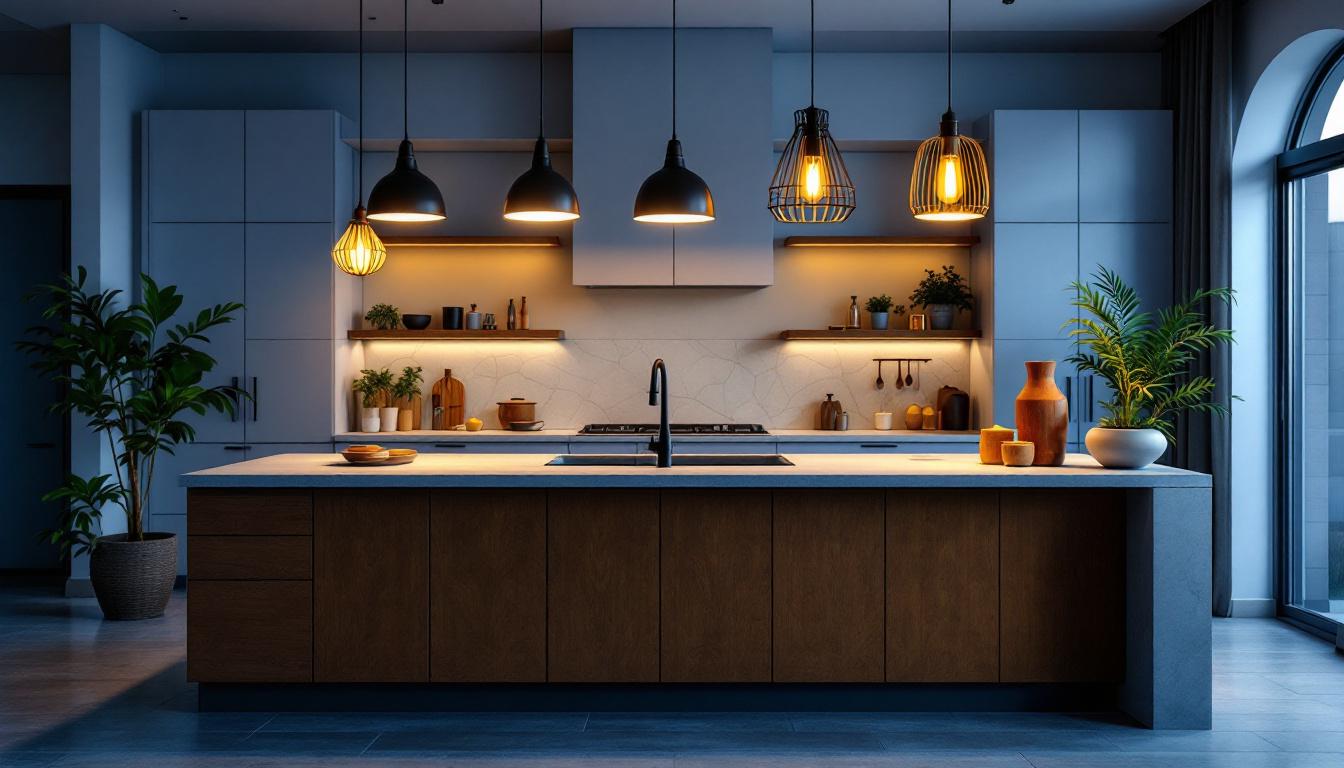
Lighting plays a crucial role in enhancing the aesthetics and functionality of outdoor spaces. Among the various options available, exterior recessed can lights have gained popularity due to their sleek design and ability to provide effective illumination without disrupting the visual appeal of a landscape. However, lighting contractors must navigate several challenges when installing these fixtures. This article explores how contractors can avoid common issues associated with exterior recessed can lights, ensuring a successful installation and satisfied clients.
Understanding Exterior Recessed Can Lights
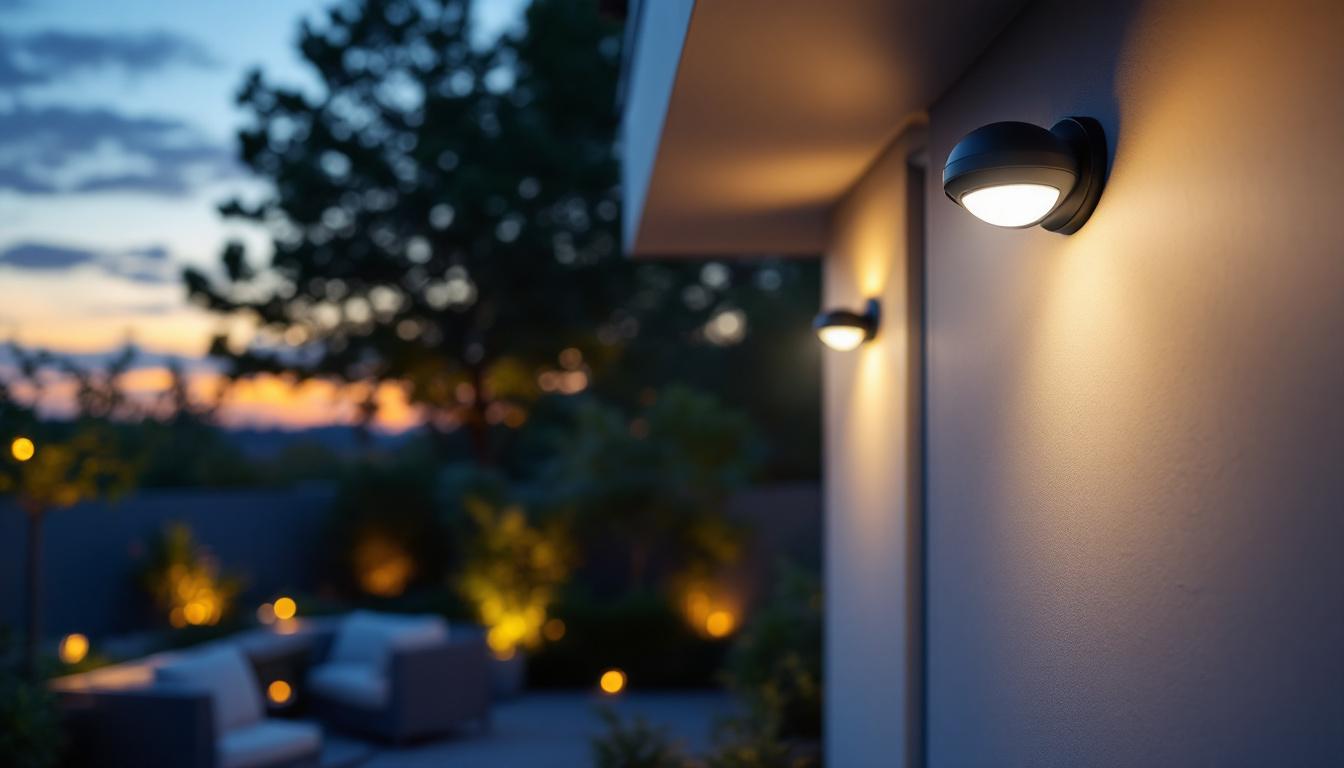
Exterior recessed can lights, also known as pot lights or downlights, are fixtures installed into ceilings or walls, providing a clean and modern look. These lights are particularly effective for outdoor areas such as patios, decks, and pathways. Their design allows them to blend seamlessly into the surrounding architecture, making them an attractive option for both residential and commercial projects.
One of the primary advantages of recessed can lights is their versatility. They can be used for general lighting, accent lighting, or task lighting, depending on the needs of the space. Additionally, many models are designed to withstand outdoor conditions, featuring weatherproof housings and lenses that protect against moisture and debris. This durability ensures that they not only enhance the aesthetic appeal of outdoor spaces but also provide reliable illumination throughout the year, regardless of the weather conditions.
Moreover, the energy efficiency of modern recessed can lights cannot be overlooked. Many options now utilize LED technology, which significantly reduces energy consumption compared to traditional incandescent bulbs. This not only lowers electricity bills but also contributes to a more sustainable environment. The long lifespan of LED bulbs means less frequent replacements, further enhancing their practicality for outdoor applications where access may be challenging.
Types of Exterior Recessed Can Lights
When selecting exterior recessed can lights, contractors should consider the various types available. The most common types include:
- New Construction Can Lights: These fixtures are designed for installation in new builds and require framing to support them.
- Remodel Can Lights: Ideal for retrofitting existing spaces, these fixtures can be installed in ceilings without the need for extensive renovations.
- Adjustable Can Lights: These lights can be tilted or rotated, allowing for greater flexibility in directing light where it is needed most.
Understanding the different types of fixtures will help contractors make informed decisions based on the specific requirements of each project. Additionally, it’s essential to consider the beam angle of the recessed lights, as this will affect how light is distributed in the outdoor space. A narrower beam angle is ideal for highlighting specific features such as architectural details or landscaping, while a wider beam angle provides more general illumination for larger areas. Furthermore, the color temperature of the bulbs can also influence the ambiance; warmer tones create a cozy atmosphere, while cooler tones offer a more modern and vibrant feel.
Common Issues Faced by Contractors
While exterior recessed can lights offer many benefits, several challenges can arise during installation. Recognizing these issues early on can help contractors avoid costly mistakes and ensure a smooth process.
Moisture and Weather Resistance
One of the most significant concerns when installing exterior recessed can lights is their exposure to moisture and varying weather conditions. If not properly sealed, these fixtures can allow water to enter the housing, leading to electrical issues and potential damage to the fixture itself.
To mitigate this risk, contractors should always choose fixtures specifically rated for outdoor use. These models typically feature gaskets and seals that provide a barrier against moisture. Additionally, proper installation techniques, such as ensuring that the housing is flush with the ceiling and using appropriate caulking, can further enhance the moisture resistance of the lights. Furthermore, it is advisable to conduct regular inspections and maintenance checks on the fixtures post-installation. This proactive approach can help identify any signs of wear or damage early, allowing for timely repairs and prolonging the lifespan of the lighting system.
Electrical Considerations
Electrical issues can also pose challenges during the installation of exterior recessed can lights. Improper wiring can lead to flickering lights, circuit overloads, or even electrical fires. Therefore, it is essential for contractors to adhere to local electrical codes and regulations.
Before beginning installation, contractors should assess the existing electrical system to ensure it can handle the additional load of the new fixtures. This may involve upgrading circuits or using LED lights, which consume less power and generate less heat compared to traditional incandescent bulbs. Additionally, contractors should consider the placement of the fixtures in relation to existing electrical outlets and switches, as this can influence the overall efficiency and functionality of the lighting design. By planning the layout carefully, contractors can optimize the lighting effect while minimizing the need for extensive rewiring, ultimately saving both time and resources during the installation process.
Installation Best Practices
To avoid common issues and ensure a successful installation, contractors should follow best practices when installing exterior recessed can lights. These practices not only enhance the longevity of the fixtures but also improve overall client satisfaction.
Planning and Layout
Effective planning is crucial for the successful installation of recessed can lights. Contractors should begin by assessing the outdoor space and determining the desired lighting effect. This involves considering factors such as the purpose of the lighting, the layout of the area, and the desired ambiance.
Creating a lighting plan that includes the placement of each fixture will help ensure even illumination and prevent dark spots. Additionally, contractors should consider the height and angle of the fixtures to maximize their effectiveness. For instance, fixtures positioned at varying heights can create a dynamic layering effect, enhancing the visual interest of the space. Moreover, it’s beneficial to take into account the natural light sources in the area, as this can influence the type and intensity of the artificial lighting needed during different times of the day.
Proper Installation Techniques
Once the planning phase is complete, contractors should focus on proper installation techniques. This includes ensuring that the fixtures are securely mounted and that all wiring connections are tight and properly insulated. Using the right tools and equipment, such as a hole saw for cutting the ceiling, can also make the process smoother.
It is essential to follow the manufacturer’s instructions for installation, as different models may have specific requirements. Additionally, contractors should take care to avoid over-tightening screws or fixtures, which can lead to damage. Furthermore, it’s advisable to conduct a thorough inspection of the electrical components and ensure that all fixtures are compatible with the existing wiring. This step not only prevents potential electrical hazards but also guarantees that the lighting operates efficiently. Implementing a testing phase after installation can also help identify any issues before the project is completed, allowing for adjustments to be made promptly and ensuring that the final outcome meets the client’s expectations.
Maintenance and Longevity
After installation, ongoing maintenance is key to ensuring the longevity of exterior recessed can lights. Regular checks can help identify potential issues before they escalate, saving time and money in the long run.
Cleaning and Inspection
Contractors should advise clients on the importance of cleaning and inspecting their recessed can lights periodically. Dust, dirt, and debris can accumulate on the fixtures and lenses, diminishing their effectiveness. A simple cleaning routine using a soft cloth and mild detergent can help maintain optimal performance.
During inspections, contractors should check for signs of moisture intrusion, corrosion, or wear and tear. Addressing these issues promptly can prevent more significant problems down the line. Additionally, it is beneficial to inspect the surrounding landscape for any overgrown plants or branches that may obstruct the light. Ensuring that the light fixtures remain unobstructed not only enhances their functionality but also contributes to the overall aesthetic of the outdoor space.
Upgrading to Energy-Efficient Options
As technology advances, energy-efficient lighting options continue to evolve. Contractors should stay informed about the latest developments in LED technology and consider recommending upgrades to clients. LED recessed can lights not only consume less energy but also have a longer lifespan, making them a cost-effective choice for outdoor lighting.
Moreover, clients may also benefit from smart lighting solutions that allow for remote control and automation. These systems can be programmed to adjust brightness based on the time of day or occupancy, further enhancing energy savings. By integrating smart technology with energy-efficient lighting, homeowners can enjoy both convenience and sustainability, ensuring that their outdoor spaces are not only well-lit but also environmentally friendly.
Conclusion
Exterior recessed can lights offer a stylish and functional lighting solution for outdoor spaces. However, lighting contractors must be aware of the potential challenges that can arise during installation and maintenance. By understanding the types of fixtures available, recognizing common issues, and following best practices, contractors can ensure successful installations that meet client expectations.
Ultimately, the key to avoiding issues lies in thorough planning, proper installation techniques, and ongoing maintenance. By prioritizing these aspects, lighting contractors can enhance their reputation and build lasting relationships with clients, paving the way for future projects.
In a competitive market, staying informed about the latest trends and technologies in outdoor lighting will further empower contractors to deliver exceptional results. With the right knowledge and approach, exterior recessed can lights can transform outdoor spaces into beautifully illuminated environments.
Illuminate Your Projects with LumenWholesale
Ready to elevate your outdoor lighting projects with superior quality and value? Look no further than LumenWholesale for a vast selection of spec-grade exterior recessed can lights and more. Our commitment to providing contractors with top-notch products at wholesale prices means you can achieve the perfect lighting ambiance without the premium cost. Plus, with the convenience of free shipping on bulk orders, you can stock up on all your lighting needs effortlessly. Don’t let hidden fees dim your project’s potential. Choose LumenWholesale for lighting that combines quality, affordability, and convenience. Wholesale Lighting at the Best Value is just a click away.