Understanding E12 Type B Bulbs: What Lighting Contractors Need to Know
When working on residential or commercial lighting projects, selecting the right bulb type is crucial. E12 Type B bulbs are a common choice, especially for chandeliers, sconces, and decorative fixtures. Their unique design and electrical characteristics make them a staple in many installations, but understanding their specifics can save time and prevent costly mistakes.
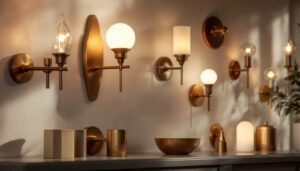
The “E12” refers to the Edison screw base size, which measures 12 millimeters in diameter. This smaller base is often called a candelabra base, designed to fit fixtures that require a more delicate or decorative bulb. The “Type B” designation describes the bulb’s shape—typically a flame or torpedo shape—mimicking the look of a candle flame. This aesthetic is popular in fixtures that emphasize ambiance and style.
For lighting contractors, knowing the exact specifications of E12 Type B bulbs is essential. These bulbs come in various wattages, voltages, and technologies, including incandescent, LED, and compact fluorescent. Each type offers different benefits and challenges, impacting energy efficiency, heat output, and lifespan. For instance, while incandescent bulbs provide a warm glow and excellent color rendering, they are less energy-efficient and have a shorter lifespan compared to their LED counterparts. On the other hand, LED E12 Type B bulbs can last up to 25,000 hours and consume significantly less energy, making them a more sustainable option for long-term use.
Moreover, the versatility of E12 Type B bulbs extends beyond just their aesthetic appeal. They are available in various color temperatures, ranging from warm white to cool daylight, allowing contractors to tailor the lighting to the specific needs of a space. This adaptability is particularly beneficial in commercial settings, where different areas may require distinct lighting atmospheres—for example, a warm, inviting light in a restaurant versus a bright, energizing light in a retail store. Additionally, many modern E12 Type B bulbs are now dimmable, providing even greater control over the ambiance and functionality of the lighting scheme. Understanding these nuances can empower lighting contractors to make informed decisions that enhance both the visual appeal and energy efficiency of their projects.
Choosing the Right E12 Type B Bulb for Your Project
Matching Wattage and Voltage
One of the most common issues contractors face is mismatching bulbs with fixtures. E12 Type B bulbs come in wattages ranging from as low as 4 watts in LED versions to 60 watts or more in incandescent types. Selecting the correct wattage ensures the fixture operates safely without overheating or underperforming. For instance, using a higher wattage bulb than the fixture is rated for can lead to excessive heat buildup, potentially damaging not only the bulb but also the fixture itself and the surrounding materials. It’s essential to consult the fixture’s specifications before making a decision to avoid these costly mistakes.
Voltage compatibility is equally important. Most residential fixtures operate on standard line voltage (120V in North America), but some specialty fixtures, especially in commercial settings, may use low voltage (12V or 24V). Using a bulb with the wrong voltage can cause flickering, premature failure, or even damage to the fixture. Additionally, low-voltage systems often require a transformer that can handle the load of the bulbs being used, so it’s crucial to ensure that all components of the lighting system are compatible. This attention to detail not only enhances performance but also extends the lifespan of the entire lighting setup.
LED vs. Incandescent: What’s Best?
LED E12 Type B bulbs have become the preferred choice for many contractors due to their energy efficiency and longevity. They consume up to 80% less energy than incandescent bulbs and can last 15 to 25 times longer. This translates into lower operating costs and less frequent replacements, which is a strong selling point for clients. Moreover, the reduced heat output of LED bulbs makes them safer to use in enclosed fixtures, where heat buildup can be a concern. The ability to dim LED bulbs has also improved, allowing for greater flexibility in creating the desired ambiance in various settings.
However, incandescent bulbs still have their place, especially when color rendering and warmth are priorities. The warm, natural glow of incandescent bulbs is hard to replicate, although advances in LED technology have narrowed this gap significantly. For historical restorations or ultra-traditional aesthetics, incandescent E12 Type B bulbs may be the best fit. Furthermore, the immediate brightness of incandescent bulbs upon switching on is a notable advantage, as they reach full illumination instantly, unlike some LED options that may take a moment to warm up. This characteristic can be particularly beneficial in spaces where instant light is crucial, such as hallways or entryways.
Installation Best Practices for E12 Type B Bulbs
Handling and Safety Precautions
Because E12 Type B bulbs are often used in decorative fixtures, they tend to be smaller and more delicate than standard bulbs. Proper handling is crucial to avoid breakage. Always ensure the power is off before installing or replacing bulbs. Use a clean cloth or gloves to handle bulbs, especially halogen or incandescent types, as oils from skin can shorten bulb life.
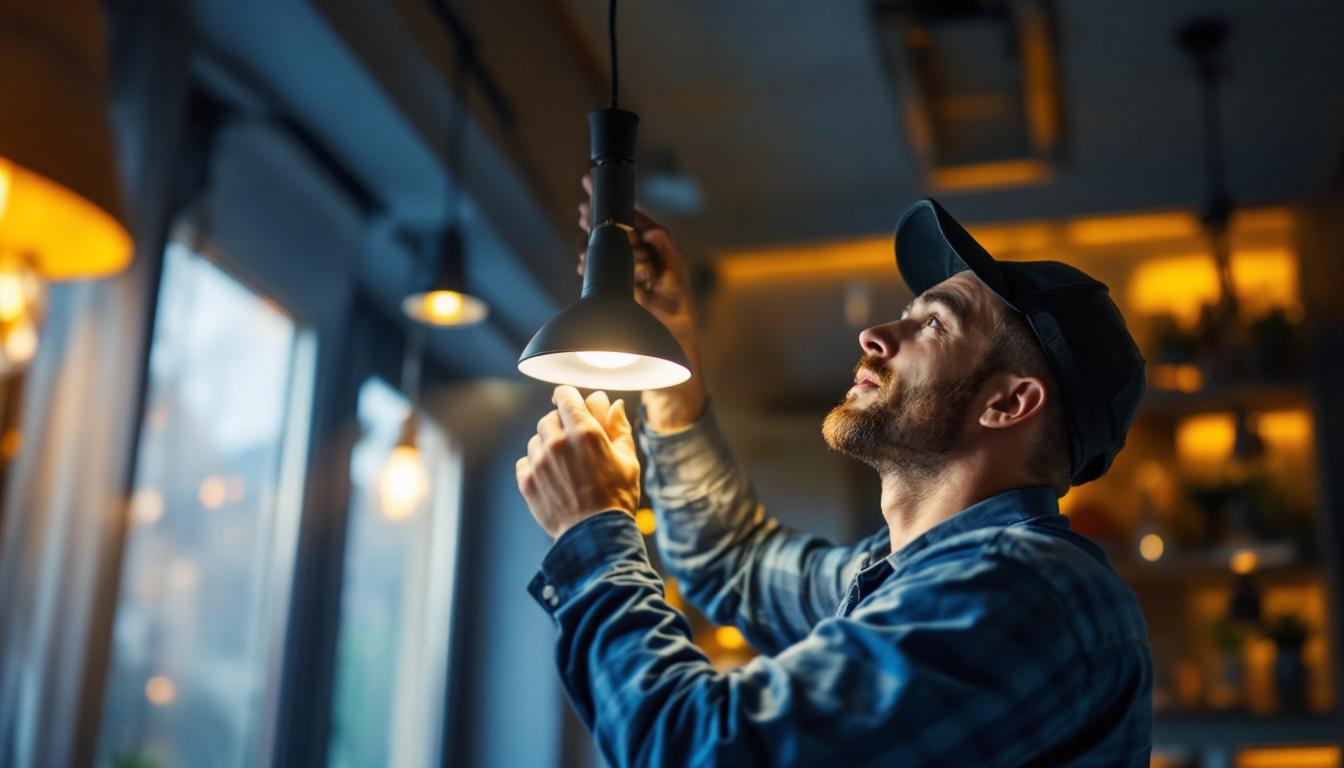
When installing bulbs in tight or awkward spaces, using a bulb changer tool can prevent damage and improve safety. These tools allow contractors to reach bulbs without climbing on unstable surfaces or contorting into uncomfortable positions. Additionally, it’s wise to keep a sturdy ladder on hand for installations in high or hard-to-reach areas, ensuring that you have a stable platform to work from. This not only enhances safety but also allows for a more precise installation, reducing the risk of accidents.
Ensuring Proper Fit and Secure Connection
Because the E12 base is smaller, it’s important to verify that the bulb screws in smoothly without forcing it. Over-tightening can damage the socket or the bulb base, leading to poor electrical contact or even breakage. Conversely, a loose connection can cause flickering or intermittent operation. It’s also advisable to check the wattage rating of the bulb against the fixture specifications to avoid overheating and potential hazards.
Inspect the socket for corrosion or damage before installation. If the socket shows signs of wear, replacing it can prevent future issues. For fixtures exposed to vibration or movement, consider using bulbs with locking bases or fixtures designed to secure the bulb firmly. Furthermore, utilizing a multimeter to test the socket for proper voltage can be beneficial, ensuring that the electrical connection is safe and effective. This proactive approach can help identify potential electrical issues before they become problematic, ensuring a longer lifespan for both the bulb and the fixture.
Energy Efficiency and Cost Considerations
Calculating Long-Term Savings with LED E12 Type B Bulbs
Switching to LED E12 Type B bulbs can significantly reduce energy consumption. For example, replacing a 40-watt incandescent bulb with a 5-watt LED equivalent reduces energy use by nearly 90%. Over the lifespan of the bulb, this translates into substantial savings on electricity bills.
Additionally, LEDs generate less heat, reducing cooling costs in climate-controlled environments. This can be particularly important in commercial settings where dozens or hundreds of bulbs may be in use simultaneously.
Balancing Initial Costs and Client Budgets
While LED bulbs typically have a higher upfront cost than incandescent bulbs, the return on investment is quick due to energy savings and reduced replacement frequency. Lighting contractors should be prepared to explain these benefits to clients who may hesitate over initial expenses.
Offering a range of bulb options allows clients to choose based on their priorities-whether that’s upfront cost, energy efficiency, or aesthetic preferences. Providing clear comparisons and examples can help clients make informed decisions that align with their budget and project goals.
Common Challenges and How to Overcome Them
Dealing with Flickering and Compatibility Issues
Flickering is a frequent complaint with E12 Type B bulbs, especially when retrofitting LED bulbs into older fixtures. This is often due to incompatibility with dimmer switches or transformers designed for incandescent bulbs. Not all LED bulbs are dimmer-compatible, and using the wrong type can cause flickering or buzzing noises.
To address this, lighting contractors should verify dimmer compatibility before installation. Using LED-compatible dimmers or selecting bulbs specifically designed for dimming can eliminate these issues. Testing bulbs in the actual fixture before final installation can save time and prevent callbacks.
Managing Heat in Enclosed Fixtures
Although LED bulbs produce less heat, some enclosed fixtures can trap heat, shortening bulb life. Incandescent and halogen E12 Type B bulbs generate more heat, which can exacerbate this problem. Contractors should assess fixture design and ventilation before selecting bulbs.
Using bulbs rated for enclosed fixtures or recommending fixture upgrades can improve performance and safety. Educating clients about the impact of fixture design on bulb longevity helps set realistic expectations and reduces maintenance calls.
Enhancing Project Outcomes with E12 Type B Bulbs
Customizing Lighting Ambiance
The shape and size of E12 Type B bulbs make them ideal for creating specific lighting moods. Their flame-like appearance adds elegance and warmth, perfect for hospitality, dining, and residential settings. Dimmable LED options allow for adjustable ambiance, enhancing client satisfaction.
Lighting contractors can leverage this by suggesting layered lighting designs that combine E12 Type B bulbs with other light sources. This approach creates depth and visual interest, elevating the overall aesthetic of a space.
Staying Ahead with Emerging Technologies
Smart lighting technologies are increasingly compatible with E12 Type B bulbs. Wi-Fi or Bluetooth-enabled bulbs offer remote control, scheduling, and integration with home automation systems. These features appeal to tech-savvy clients and commercial customers looking for energy management solutions.
Contractors who stay informed about these advancements can offer added value and differentiate their services. Incorporating smart E12 Type B bulbs into projects can open new revenue streams and strengthen client relationships.
Illuminate Your Projects with LumenWholesale
Ready to elevate your lighting projects with the finest E12 Type B bulbs and the latest in lighting technology? Look no further than LumenWholesale, where we offer an exceptional range of spec-grade lighting products at unbeatable wholesale prices. Say goodbye to local distributor markups and hello to top-quality lighting that meets the highest industry standards. With our commitment to reliability and high performance, plus the convenience of free shipping on bulk orders, you can trust LumenWholesale to light up your projects with value and excellence. Don’t compromise on quality or cost—choose Wholesale Lighting at the Best Value today and make your lighting vision a reality.