In the realm of healthcare, the design and functionality of hospital rooms play a crucial role in patient recovery and comfort. One of the key elements of this environment is the hospital bed, which serves not only as a place for rest but also as a focal point for medical care. For lighting contractors, understanding the unique requirements of hospital room beds is essential to creating effective lighting solutions that enhance both patient well-being and operational efficiency.
Understanding the Importance of Lighting in Hospital Rooms
Lighting in hospital rooms is not merely about visibility; it significantly impacts patient experience and staff performance. The right lighting can promote healing, reduce anxiety, and improve overall satisfaction for both patients and healthcare providers.
The Role of Natural Light
Natural light is a vital component in hospital design. Studies have shown that exposure to daylight can positively influence mood and recovery rates. Lighting contractors should consider how to maximize natural light in hospital rooms, particularly around the bed area. This can be achieved through the strategic placement of windows, skylights, or light tubes, which can help create a more inviting atmosphere.
However, it is essential to balance natural light with privacy and glare control. Using sheer curtains or adjustable blinds can allow for flexibility in managing light levels throughout the day. This consideration is crucial for patient comfort and the overall functionality of the space. Additionally, incorporating light shelves or reflective surfaces can help distribute natural light deeper into the room, ensuring that even the farthest corners benefit from sunlight, which can further enhance the ambiance and reduce the reliance on artificial lighting during daylight hours.
Artificial Lighting Solutions
While natural light is beneficial, artificial lighting is equally important, especially during nighttime or in rooms without sufficient windows. A layered lighting approach is recommended, combining ambient, task, and accent lighting to create a well-lit environment.
Ambient lighting provides overall illumination, while task lighting focuses on specific areas, such as over the bed or near medical equipment. Accent lighting can be used to highlight artwork or architectural features, contributing to a calming atmosphere. Lighting contractors should ensure that the fixtures used are adjustable and can be dimmed to accommodate various needs throughout the day and night. Furthermore, the use of color temperature in artificial lighting can also play a crucial role; warmer tones can create a cozy and comforting environment, while cooler tones can enhance alertness and focus, making it easier for staff to perform their duties effectively during late-night shifts.
Key Considerations for Bedside Lighting
When designing lighting solutions for hospital beds, several factors must be taken into account to ensure functionality and comfort. The bedside environment is where patients spend a significant amount of their time, making it essential to create a supportive lighting scheme.
Adjustability and Control
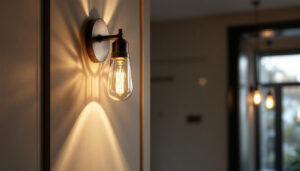
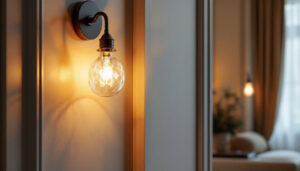
One of the primary considerations for bedside lighting is adjustability. Patients may have different preferences for light intensity, and their needs may change throughout their stay. Incorporating adjustable fixtures, such as swing-arm lamps or bedside sconces, allows patients to control their immediate environment.
Moreover, integrating smart lighting controls can enhance this experience. Providing patients with the ability to control their lighting through a bedside panel or mobile app can empower them and contribute to a sense of autonomy, which is particularly important in a hospital setting.
Color Temperature and Quality
The color temperature of lighting can significantly affect a patient’s mood and comfort. Warmer color temperatures (around 2700K to 3000K) are often more soothing and conducive to relaxation, while cooler temperatures (above 4000K) can promote alertness. Lighting contractors should consider using fixtures that allow for color temperature adjustment, enabling a tailored experience for each patient.
Furthermore, the quality of light is essential. High Color Rendering Index (CRI) lighting is preferable as it provides a more accurate representation of colors, which can be beneficial in medical assessments and for creating a more pleasant environment.
Safety and Compliance in Hospital Lighting
Safety is paramount in healthcare environments. Lighting contractors must ensure that all lighting solutions comply with relevant regulations and standards. This includes considerations for emergency lighting, accessibility, and the overall safety of patients and staff.
Emergency and Backup Lighting
In the event of a power outage, it is critical that hospital rooms are equipped with emergency lighting to ensure safety and continuity of care. Emergency lights should be strategically placed to illuminate pathways, exits, and critical areas around the hospital bed.
Contractors should also consider the use of battery-backed LED fixtures that can provide reliable illumination during emergencies. Regular testing and maintenance of these systems are essential to ensure they function correctly when needed.
Accessibility and Ergonomics
Lighting must be designed with accessibility in mind. This includes ensuring that light switches and controls are within easy reach for patients who may have limited mobility. Additionally, the placement of fixtures should minimize glare and shadows, which can be disorienting for patients, especially those recovering from surgery or illness.
Ergonomic considerations extend beyond just the physical placement of lights. The overall lighting design should promote a sense of safety and security, allowing patients to feel comfortable and at ease in their surroundings.
Integrating Technology in Hospital Lighting
The integration of technology into hospital lighting systems is transforming the way healthcare facilities operate. Smart lighting solutions can enhance patient care while improving energy efficiency and operational effectiveness.
Smart Lighting Systems
Smart lighting systems can be programmed to adjust based on time of day, occupancy, or specific patient needs. For instance, lights can automatically dim during nighttime hours to create a calming environment, while brightening during the day to support alertness and activity.
Additionally, these systems can be integrated with other hospital technologies, such as nurse call systems or patient monitoring devices, to provide a seamless experience. For example, if a patient requires assistance, the lighting can automatically adjust to highlight the path for nursing staff, improving response times and safety.
Energy Efficiency and Sustainability
With increasing focus on sustainability, lighting contractors should prioritize energy-efficient solutions. LED lighting is a popular choice due to its long lifespan and low energy consumption. Implementing occupancy sensors and daylight harvesting systems can further reduce energy usage while maintaining optimal lighting levels.
Contractors should also consider the lifecycle of lighting products, opting for fixtures that are durable and easy to maintain. This not only contributes to sustainability goals but also reduces long-term costs for healthcare facilities.
Collaboration with Healthcare Professionals
Effective lighting design in hospital rooms requires collaboration between lighting contractors and healthcare professionals. Engaging with doctors, nurses, and hospital administrators can provide valuable insights into the specific needs and preferences of patients and staff.
Conducting Needs Assessments
Before implementing lighting solutions, contractors should conduct thorough needs assessments. This involves gathering feedback from healthcare providers about their experiences and identifying areas where lighting can improve patient care and operational efficiency.
Surveys, focus groups, and direct interviews can be effective methods for collecting this information. Understanding the daily routines and challenges faced by healthcare staff can lead to more tailored lighting solutions that enhance workflow and patient interactions.
Training and Support
Once lighting solutions are implemented, ongoing training and support for healthcare staff are essential. Providing education on how to use and adjust lighting systems can empower staff to create optimal environments for their patients. This training can also include information on the importance of lighting in patient care, fostering a deeper understanding of its impact on health outcomes.
Future Trends in Hospital Lighting
The field of hospital lighting is continually evolving, with new technologies and design philosophies emerging. Staying informed about these trends can help lighting contractors remain competitive and provide the best solutions for healthcare environments.
Human-Centric Lighting
Human-centric lighting focuses on the physiological and psychological needs of individuals. This approach emphasizes the importance of circadian rhythms and how lighting can be used to support natural biological processes. By mimicking natural light patterns, healthcare facilities can enhance patient recovery and well-being.
Contractors should explore options for dynamic lighting systems that can adjust color temperature and intensity throughout the day, promoting a healthier environment for patients and staff alike.
Biophilic Design Elements
Integrating biophilic design elements into hospital lighting can create a more healing environment. This approach involves incorporating natural materials, patterns, and colors into the lighting design, fostering a connection to nature.
Lighting contractors can collaborate with architects and interior designers to create spaces that reflect natural environments, using lighting to highlight these features and enhance the overall aesthetic of the hospital room.
Conclusion
Lighting contractors play a vital role in shaping the healthcare environment, particularly in hospital rooms where patients spend significant time recovering. By understanding the unique requirements of hospital room beds and the impact of lighting on patient care, contractors can create effective, safe, and aesthetically pleasing lighting solutions.
From maximizing natural light to integrating smart technology and ensuring compliance with safety standards, every aspect of lighting design contributes to the overall patient experience. As the healthcare landscape continues to evolve, staying informed about trends and collaborating with healthcare professionals will be key to delivering innovative lighting solutions that meet the needs of patients and staff alike.
Ultimately, the goal is to create a healing environment that supports recovery, enhances comfort, and fosters a sense of well-being for everyone in the hospital. By prioritizing thoughtful lighting design, contractors can make a significant impact on the quality of care provided in these essential spaces.
Illuminate with Excellence from LumenWholesale
Ready to elevate your lighting projects in healthcare environments? At LumenWholesale, we provide lighting contractors with the highest quality, spec-grade lighting products at unmatched wholesale prices. Our commitment to cutting out the middleman means you get the most cost-effective solutions for your hospital room lighting needs. With our extensive selection that meets rigorous industry standards, you can trust in the reliability and performance of our lighting fixtures. Plus, with the convenience of free shipping on bulk orders, LumenWholesale ensures you receive premium lighting without hidden fees or compromises. Don’t settle for less; choose LumenWholesale for the perfect combination of quality, affordability, and convenience. Wholesale Lighting at the Best Value is just a click away.