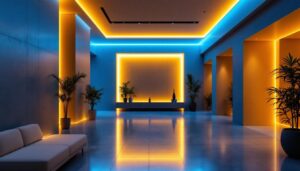
Understanding Built-In Lighting: More Than Just Fixtures
Built-in lighting refers to lighting elements that are integrated directly into a building’s architecture or design, rather than being added as standalone fixtures. This can include recessed lights, cove lighting, under-cabinet LEDs, and even embedded strips within ceilings, walls, or floors. For lighting contractors, recognizing the nuances of built-in lighting is essential—not only because it changes how installations are approached but because it influences the entire lighting strategy.
Unlike traditional lamps or chandeliers, built-in lighting demands a deeper collaboration with architects, interior designers, and electricians. It’s about creating a seamless experience where light feels like a natural part of the space, not an afterthought. This integration affects everything from electrical planning to aesthetic outcomes, making it a critical consideration for contractors aiming to deliver high-quality, modern lighting solutions.
One of the most compelling aspects of built-in lighting is its versatility in enhancing the functionality of a space. For instance, in kitchens, under-cabinet lighting not only illuminates countertops for cooking but also adds a visual depth that can make the area feel more inviting. Similarly, cove lighting can be used to highlight architectural features or create ambient lighting that sets the mood for relaxation in living areas. The strategic placement of these lights can transform ordinary spaces into extraordinary ones, showcasing the design elements that might otherwise go unnoticed.
Moreover, built-in lighting can significantly contribute to energy efficiency and sustainability efforts. By utilizing LED technology and smart lighting systems, homeowners can reduce their energy consumption while still achieving the desired aesthetic. This is particularly important in today’s eco-conscious market, where consumers are increasingly looking for ways to minimize their carbon footprint. Integrating built-in lighting with smart home systems allows for customizable settings that can adapt to different times of the day or activities, further enhancing the user experience while promoting energy savings.
Why Built-In Lighting Is a Game Changer for Contractors
Precision and Planning Are Key
Built-in lighting requires meticulous planning from the outset. Contractors must work closely with project teams during the design phase to ensure electrical wiring, fixture placement, and lighting controls are all accounted for before walls and ceilings are sealed. This proactive approach minimizes costly changes later and ensures the lighting performs exactly as intended.
For example, recessed lighting must be carefully spaced to avoid dark spots or glare, and integrated LED strips need proper housing and ventilation to prevent overheating. Lighting contractors who master these details can avoid common pitfalls such as uneven illumination or fixture failure, which can damage their reputation and client relationships. Additionally, understanding the nuances of light temperature and color rendering can elevate a project from merely functional to truly transformative, creating spaces that enhance mood and productivity.
Moreover, the integration of built-in lighting often involves collaboration with architects and interior designers, allowing for a seamless blend of aesthetics and functionality. This synergy can lead to innovative solutions, such as hidden lighting that accentuates architectural features or adjustable fixtures that cater to various activities throughout the day. Such attention to detail not only elevates the overall design but also showcases the contractor’s commitment to quality and client satisfaction.
Enhancing Energy Efficiency and Sustainability
Built-in lighting often leverages LED technology, which is inherently more energy-efficient than traditional incandescent or fluorescent bulbs. Contractors who specialize in built-in solutions can help clients reduce energy consumption significantly—sometimes by more than 50%—which is a strong selling point in today’s environmentally conscious market.
Beyond energy savings, built-in lighting can be designed to work with smart controls and sensors, optimizing usage based on occupancy or natural light availability. This not only cuts costs but also aligns with increasingly stringent building codes and green certification programs. Contractors who understand these benefits can position themselves as valuable partners in sustainable building projects. Furthermore, the longevity of LED fixtures reduces the frequency of replacements, contributing to lower waste and a smaller carbon footprint over time.
In addition to energy efficiency, built-in lighting can enhance the overall user experience. For instance, adjustable lighting systems can create different atmospheres for various occasions, from bright, focused light for workspaces to soft, ambient lighting for relaxation. By incorporating tunable white or color-changing LEDs, contractors can offer clients the flexibility to customize their environments, making built-in lighting not just a functional element but a dynamic feature of modern living. This adaptability is becoming increasingly important as homeowners and businesses seek to create spaces that reflect their personal style and meet their evolving needs.
Technical Considerations Unique to Built-In Lighting
Electrical Infrastructure and Safety
Because built-in lighting is embedded within the structure, the electrical infrastructure must be robust and compliant with safety standards. Contractors need to ensure that wiring is properly insulated and accessible for maintenance, even if hidden behind walls or ceilings. This often means selecting junction boxes and connectors designed for concealed installations.
Additionally, heat dissipation is a critical factor. LEDs generate less heat than traditional bulbs, but when enclosed in tight spaces, heat buildup can still occur. Proper ventilation or heat sinks must be incorporated to maintain fixture longevity and prevent fire hazards. Furthermore, it is essential to consider the potential for electrical overloads, especially in larger installations where multiple fixtures may draw significant power. Implementing circuit breakers and surge protectors can safeguard against electrical failures and ensure the system operates efficiently over time.
Compatibility with Architectural Elements
Lighting contractors must also consider how built-in fixtures interact with architectural materials. For instance, installing recessed lights in drywall differs significantly from embedding fixtures in concrete or wood paneling. Each surface demands specific mounting hardware and installation techniques. The choice of materials can also affect the acoustics of a space; for example, certain fixtures may resonate differently when placed in a room with hard surfaces versus those with sound-absorbing elements.
Moreover, the color temperature and beam angle of built-in lights should complement the room’s design and function. Warm tones may enhance residential spaces, while cooler, brighter lighting is often preferred in commercial or industrial environments. Contractors who can advise clients on these choices add significant value to their services. They must also remain informed about the latest trends in smart lighting technology, which allows for customizable lighting scenarios that can adapt to different activities throughout the day. This adaptability not only improves user experience but can also lead to energy savings, making it a compelling option for both residential and commercial projects.
Maximizing Client Satisfaction Through Built-In Lighting Expertise
Delivering Seamless Aesthetic Integration
Clients increasingly expect lighting that blends effortlessly with their interiors. Built-in lighting offers a sleek, modern appearance that eliminates bulky fixtures and clutter. Contractors who can deliver this look will often find themselves in high demand, especially for upscale residential and commercial projects.
Understanding trends such as minimalism and biophilic design helps contractors recommend lighting solutions that enhance architectural features, highlight textures, and create ambiance without overwhelming the space. This expertise can differentiate a contractor in a competitive market. For instance, the use of recessed lighting can accentuate high ceilings and open spaces, while strategically placed LED strips can draw attention to artwork or unique design elements. By staying attuned to the latest design trends, contractors can offer tailored solutions that resonate with their clients’ personal styles and preferences, ensuring that each project feels uniquely curated.
Providing Long-Term Support and Maintenance
Built-in lighting systems often incorporate advanced technologies like dimmers, color-changing LEDs, and smart home integration. Contractors who offer ongoing support and maintenance services for these systems build trust and foster repeat business.
Clients appreciate contractors who can troubleshoot issues remotely or provide timely on-site repairs, ensuring their lighting remains flawless over time. This commitment to service strengthens professional relationships and leads to positive referrals. Furthermore, proactive maintenance can prevent minor issues from escalating into costly repairs, thereby enhancing the longevity of the lighting systems. By providing clients with detailed guidance on how to optimize their lighting setups, including energy-saving tips and usage best practices, contractors can position themselves as invaluable resources, ensuring clients feel supported long after the installation is complete. This level of dedication not only enhances client satisfaction but also cultivates a loyal customer base that is likely to return for future projects.
Future Trends Lighting Contractors Should Watch
Integration with Smart Building Technologies
Smart lighting systems are becoming the norm, not the exception. Built-in lighting is particularly well-suited for integration with IoT devices, enabling features like voice control, automated scheduling, and adaptive lighting based on environmental conditions.
Contractors who stay current with these technologies will be better positioned to offer cutting-edge solutions that meet client expectations for convenience and efficiency. Training in smart system installation and programming is an investment that pays dividends.
Advances in Lighting Materials and Design
Innovations in materials-such as flexible LED strips and ultra-thin panels-are expanding the possibilities for built-in lighting. These developments allow for more creative and customized installations, from curved surfaces to hidden accents.
Lighting contractors who embrace these advancements can push the boundaries of design, offering clients unique and personalized lighting experiences that stand out in the marketplace.
Conclusion: Built-In Lighting as a Strategic Advantage
For lighting contractors, built-in lighting represents more than a technical challenge-it’s an opportunity to elevate their craft and deliver superior value. Mastery of built-in lighting requires a blend of technical skill, design sensibility, and proactive collaboration with other trades.
By focusing on precision, energy efficiency, aesthetic integration, and future-ready technologies, contractors can set themselves apart and build lasting success in a competitive industry. Built-in lighting is no longer just an option; it’s a critical component of modern lighting solutions that contractors must understand and embrace.
Illuminate Your Projects with LumenWholesale
Ready to harness the strategic advantage of built-in lighting for your next project? At LumenWholesale, we provide lighting contractors with the high-quality, spec-grade lighting products you need at unbeatable wholesale prices. Say goodbye to inflated markups and hello to a vast selection of reliable, high-performance lighting that meets the highest industry standards. Plus, with free shipping on bulk orders, you can get premium lighting at the best value — without hidden fees or compromises. Elevate your lighting game and experience the perfect blend of quality, affordability, and convenience. Wholesale Lighting at the Best Value is just a click away.