Introduction to Under Cabinet Grow Lights
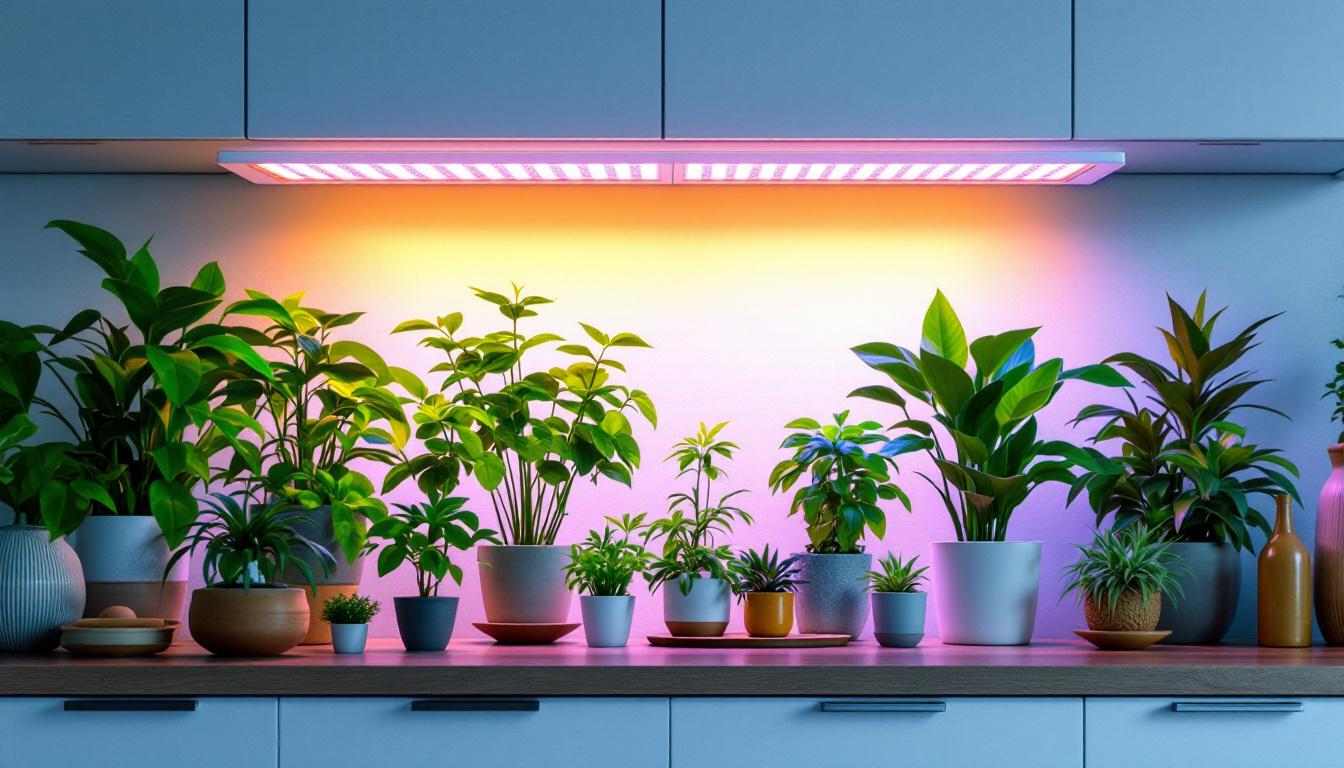
As lighting contractors, understanding the nuances of grow lights designed for under cabinet installation is essential to meet the evolving demands of residential and commercial clients. Under cabinet grow lights serve a dual purpose: they provide targeted illumination for kitchen tasks while supporting the growth of indoor plants, herbs, or microgreens. This specialized lighting solution is gaining traction as urban gardening and indoor horticulture continue to rise in popularity. With the increasing trend of growing fresh produce at home, these lights not only enhance the aesthetic appeal of kitchens but also promote sustainability by allowing individuals to cultivate their own herbs and vegetables.
Integrating grow lights under cabinets requires a balance between aesthetics, functionality, and plant health. Unlike traditional under cabinet lighting that focuses solely on visibility and ambiance, grow lights must deliver the appropriate light spectrum and intensity to support photosynthesis. This article explores everything contractors need to know about under cabinet grow lights, from technical specifications to installation best practices. Additionally, it is crucial to consider the types of plants being grown, as different species have varying light requirements. For instance, leafy greens like basil and cilantro thrive under cooler, blue light, while fruiting plants such as tomatoes and peppers benefit from warmer, red light. Understanding these nuances can significantly impact the success of indoor gardening projects.
Moreover, the technological advancements in LED grow lights have revolutionized the market, offering energy-efficient options that reduce electricity costs while providing optimal light conditions. Many modern under cabinet grow lights come with adjustable settings, allowing users to customize the light spectrum and intensity based on the specific needs of their plants. This adaptability not only enhances plant growth but also extends the lifespan of the lighting fixtures themselves. As contractors, staying informed about these innovations can help in recommending the best solutions to clients, ensuring their indoor gardening endeavors are both successful and sustainable.
Understanding the Science Behind Grow Lights
Light Spectrum and Photosynthesis
Plants rely on specific wavelengths of light to perform photosynthesis effectively. The most critical parts of the light spectrum for plant growth are blue (around 450 nm) and red (around 660 nm) wavelengths. Blue light encourages vegetative growth and leaf development, while red light promotes flowering and fruiting. Under cabinet grow lights are engineered to emit these wavelengths in optimal ratios to stimulate healthy plant growth in confined spaces.
Contractors must recognize that standard white LED lights, although energy-efficient and visually appealing, do not always provide the spectral quality necessary for robust plant development. Specialized grow light LEDs incorporate a combination of red and blue diodes or use full-spectrum LEDs that mimic natural sunlight to fulfill this need.
Light Intensity and Duration
Light intensity, measured in micromoles per square meter per second (µmol/m²/s), is a critical factor in determining how well plants will grow under the light. Under cabinet grow lights typically provide moderate intensity suitable for low to medium light plants such as herbs, leafy greens, and succulents. Higher intensity lights are generally reserved for larger grow operations or more light-demanding plants.
Equally important is the duration of light exposure. Most indoor plants require 12 to 16 hours of light daily to maintain healthy growth cycles. Grow lights installed under cabinets often come equipped with timers or smart controls to automate light schedules, ensuring consistent plant care without manual intervention.
Types of Grow Lights Suitable for Under Cabinet Installation
LED Grow Lights
LED grow lights are the preferred choice for under cabinet applications due to their energy efficiency, low heat output, and customizable light spectrum. Their compact size allows for sleek integration beneath cabinets without overwhelming the space. Additionally, LEDs have a long lifespan, reducing maintenance and replacement costs for clients.
Many LED grow light fixtures designed for under cabinet use come with dimmable features and adjustable color spectrums, enabling users to tailor light output to specific plant needs. This adaptability is a selling point for clients interested in growing a variety of plants.
Fluorescent Grow Lights
Fluorescent lights, particularly T5 and T8 tubes, have been a traditional choice for indoor gardening. They emit a broad spectrum of light and produce less heat compared to incandescent bulbs. However, they are bulkier than LEDs and consume more energy, which can be a drawback in modern installations focused on sustainability and efficiency.
Fluorescent grow lights can still be a viable option for under cabinet use where cost constraints exist, but contractors should advise clients on the trade-offs in energy consumption and fixture size.
Other Lighting Technologies
While less common, some under cabinet grow light installations utilize compact high-intensity discharge (HID) lamps or incandescent bulbs with specialized coatings. These options are generally not recommended due to excessive heat generation, energy inefficiency, and bulkiness, which can complicate under cabinet installation and pose safety risks.
Installation Considerations for Lighting Contractors
Space and Mounting Constraints
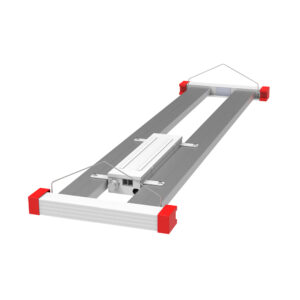
Under cabinet spaces are often limited in height and depth, requiring careful selection of grow light fixtures that fit seamlessly without obstructing cabinet doors or workspace. Slim, low-profile LED panels or strips are ideal for these environments.
Contractors should also consider the mounting method—whether surface-mounted, recessed, or suspended—to achieve the desired light distribution and maintain the kitchen’s aesthetic appeal. Proper mounting ensures even light coverage across the plant-growing area and prevents shadows that could hinder plant development.
Electrical Requirements and Safety
Grow lights, especially LEDs, typically operate on low voltage DC power supplied via a transformer or driver. Contractors must ensure that electrical wiring complies with local codes and that power supplies are safely housed to prevent moisture ingress, particularly in kitchen environments.
Additionally, incorporating dimmers, timers, or smart controls requires coordination with the overall electrical system. Providing clients with user-friendly control options enhances the functionality and appeal of the grow light installation.
Heat Management
Though LED grow lights emit less heat than other types, heat dissipation remains a critical factor in confined under cabinet spaces. Excess heat can damage cabinetry, reduce the lifespan of lighting components, and negatively affect plant health.
Contractors should select fixtures with built-in heat sinks or cooling fans and ensure adequate ventilation around the light source. In some cases, integrating ventilation channels or using materials resistant to heat can mitigate potential issues.
Choosing the Right Grow Light for Different Plants
Herbs and Leafy Greens
Herbs such as basil, parsley, and cilantro, along with leafy greens like lettuce and spinach, thrive under moderate light intensity with a balanced red and blue spectrum. Under cabinet LED grow lights with full-spectrum output are well-suited for these plants, providing sufficient energy for photosynthesis without overwhelming the limited space.
Contractors should advise clients to position lights approximately 6 to 12 inches above the plant canopy to optimize light absorption and prevent leaf burn.
Succulents and Low-Light Plants
Succulents and other low-light plants require less intense light and can tolerate longer distances from the light source. Under cabinet grow lights with adjustable intensity settings allow for customization to meet these needs. Incorporating dimmable LEDs can extend the versatility of the installation for a variety of plant types.
Flowering and Fruiting Plants
Plants that flower or bear fruit generally demand higher light intensity and a greater proportion of red light to stimulate blooming. While under cabinet spaces may limit the size and power of grow lights, contractors can recommend supplemental lighting or alternative placement for clients interested in these plants.
Energy Efficiency and Sustainability
Energy consumption is a significant consideration for clients investing in grow lights. LED technology offers substantial energy savings compared to traditional lighting, reducing operational costs and environmental impact. Lighting contractors should emphasize the long-term benefits of LEDs, including lower heat output, reduced electricity bills, and decreased maintenance needs.
Many modern grow lights come with certifications such as ENERGY STAR or DLC (DesignLights Consortium), which can guide contractors in selecting efficient products that meet industry standards. Promoting sustainable lighting solutions aligns with growing consumer preferences for eco-friendly home improvements.
Maintenance and Longevity
Under cabinet grow lights require minimal maintenance, especially when using LED fixtures. However, contractors should educate clients on routine cleaning to remove dust and grease buildup, which can diminish light output over time. Easy access to fixtures facilitates maintenance without disrupting kitchen activities.
Additionally, advising clients on the expected lifespan of the lighting components helps set realistic expectations and encourages timely replacements to maintain optimal plant growth conditions.
Design Integration and Client Communication
Balancing Aesthetics and Functionality
Under cabinet grow lights must blend seamlessly with kitchen design elements. Lighting contractors should collaborate with interior designers or clients to select fixtures that complement cabinetry finishes and overall decor. Options include concealed strip lights, minimalist panels, or decorative housings that enhance the visual appeal.
Offering customizable color temperatures and dimming capabilities also allows clients to adjust lighting for both plant growth and ambient kitchen use, increasing satisfaction and utility.
Educating Clients on Usage and Benefits
Successful grow light installations depend on informed clients who understand how to use and maintain their lighting systems. Contractors should provide clear instructions on optimal light duration, positioning, and plant care to maximize results.
Highlighting the benefits of indoor gardening—such as fresh herbs at hand, improved air quality, and enhanced kitchen aesthetics—can motivate clients to invest in quality grow light solutions and follow best practices.
Conclusion
Under cabinet grow lights represent a sophisticated intersection of lighting technology and indoor horticulture, offering lighting contractors an opportunity to expand their service offerings. By understanding the science of plant lighting, selecting appropriate fixtures, and executing precise installations, contractors can deliver solutions that enhance both plant health and kitchen functionality.
Staying informed about the latest advancements in LED technology, energy efficiency standards, and design trends ensures that contractors remain competitive and responsive to client needs. Ultimately, well-executed under cabinet grow light installations contribute to healthier indoor environments and more vibrant living spaces.
Get Your Premium Under Cabinet Grow Lights at LumenWholesale
Ready to elevate your lighting projects with the best under cabinet grow lights on the market? Look no further than LumenWholesale, where we provide contractors with exceptional, spec-grade lighting products at unbeatable wholesale prices. Say goodbye to local distributor markups and hello to superior lighting solutions that meet the highest industry standards. With our hassle-free bulk buying and free shipping, you can ensure your installations are not only efficient and sustainable but also cost-effective. Don’t compromise on quality or value; explore our selection now and bring the perfect blend of quality, affordability, and convenience to your next project.