Introduction: The Importance of Effective Parking Lot Lighting
For lighting contractors, selecting the right lighting solution for commercial parking lots is a critical decision that impacts safety, energy efficiency, maintenance costs, and overall client satisfaction. Parking lots are often the first point of contact for visitors and customers, making adequate illumination essential for security and accessibility. The choice between traditional commercial parking lot light poles and alternative lighting options requires a thorough understanding of the benefits, drawbacks, and practical considerations of each.
This article explores the key differences between commercial parking lot light poles and alternative lighting solutions. It aims to provide lighting contractors with a comprehensive guide to making informed decisions tailored to their project needs and client expectations.
One of the primary considerations in parking lot lighting is the balance between illumination and energy consumption. Traditional lighting solutions, such as high-pressure sodium (HPS) lamps, have long been the standard due to their reliability and brightness. However, the advent of LED technology has transformed the landscape, offering not only longer lifespans but also significantly lower energy usage. LEDs can provide the same level of brightness as HPS lamps while consuming up to 75% less energy, making them an attractive option for environmentally conscious clients. Furthermore, the ability to integrate smart lighting systems that adjust based on real-time conditions can enhance energy savings even further, allowing for a more sustainable approach to parking lot illumination.
In addition to energy efficiency, the aesthetic appeal of lighting solutions plays a vital role in the overall design of a parking lot. Well-designed lighting can enhance the visual appeal of the space, creating a welcoming atmosphere for customers and visitors. Options such as decorative light poles or fixtures that blend seamlessly with the surrounding architecture can elevate the parking lot’s appearance while maintaining functionality. Moreover, the strategic placement of lights can minimize shadows and dark spots, which are often associated with safety concerns. By considering both the practical and aesthetic aspects of parking lot lighting, contractors can deliver solutions that not only meet safety standards but also enhance the overall experience for users.
Understanding Commercial Parking Lot Light Poles
What Are Commercial Parking Lot Light Poles?
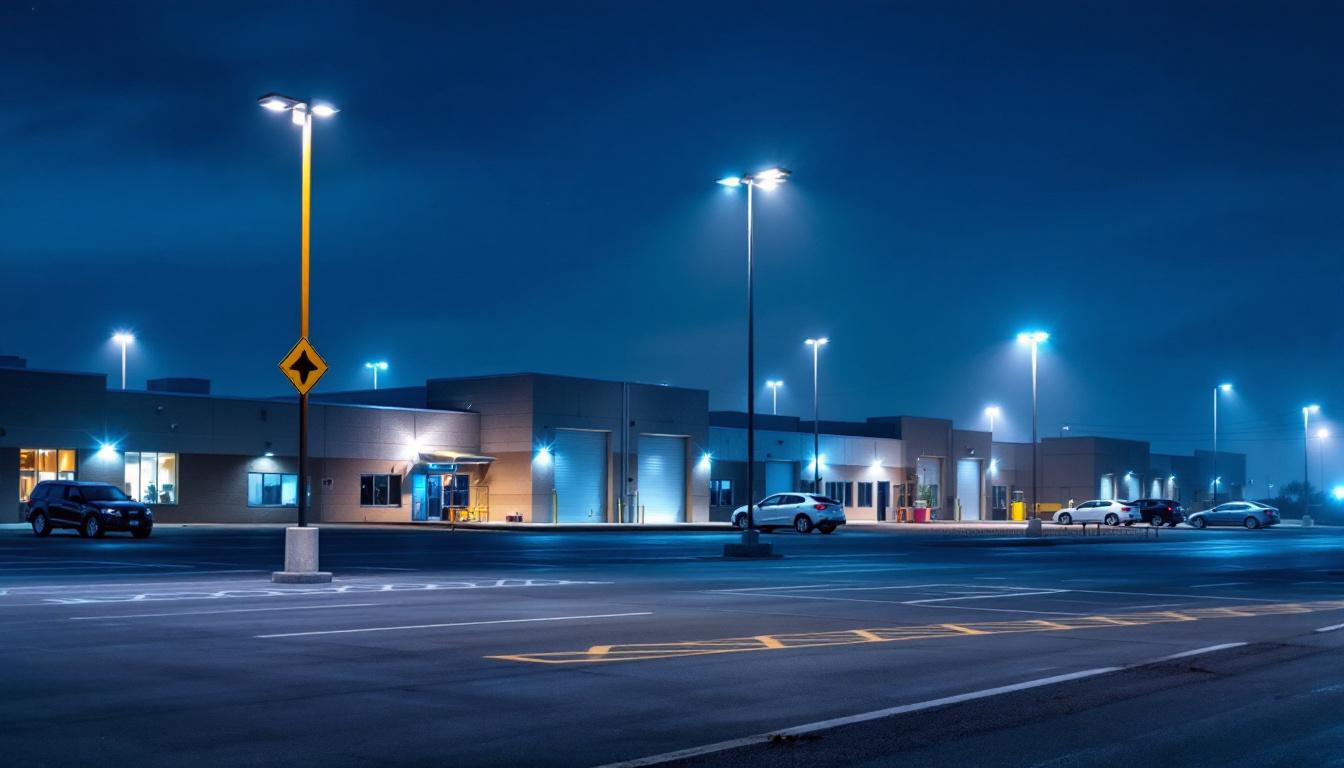
Commercial parking lot light poles are tall, sturdy structures designed to hold lighting fixtures that illuminate large outdoor areas. Typically made of galvanized steel, aluminum, or composite materials, these poles support various types of luminaires, including LED, metal halide, and high-pressure sodium lamps. Their height and placement are engineered to maximize light distribution and minimize shadows.
These poles can range from 12 to 40 feet or more in height, depending on the size of the parking lot and the lighting requirements. They often feature weather-resistant coatings and are designed to withstand environmental stresses such as wind, rain, and temperature fluctuations. The choice of materials not only contributes to their strength but also to their aesthetic appeal, allowing for a variety of finishes that can complement the design of the surrounding architecture.
Advantages of Commercial Parking Lot Light Poles
One of the primary benefits of traditional light poles is their ability to provide uniform, high-intensity lighting over large areas. This uniformity enhances visibility, reduces crime rates, and improves pedestrian and vehicle safety. Additionally, poles allow for flexible fixture placement, enabling contractors to tailor lighting layouts to specific site conditions. The strategic positioning of these poles can also help direct light where it is needed most, reducing energy waste and enhancing overall efficiency.
Durability is another key advantage. Commercial-grade poles are engineered for long service life with minimal maintenance. Many come with integrated features such as tilt mounts and adjustable arms, which facilitate easy aiming and future upgrades. Moreover, advancements in lighting technology, such as smart lighting systems, can be incorporated into these poles, allowing for remote monitoring and control, further optimizing energy usage and operational costs.
Common Applications and Use Cases
These poles are widely used not only in parking lots but also in roadways, sports complexes, and industrial yards. Their versatility makes them a go-to choice for projects requiring reliable, high-performance outdoor lighting. For contractors, this familiarity translates into streamlined installation processes and predictable outcomes. In addition to traditional applications, innovative designs are now being utilized in urban environments, where they can serve dual purposes, such as supporting signage or even integrating solar panels for energy efficiency.
Furthermore, the growing emphasis on sustainability has led to the adoption of energy-efficient lighting solutions, such as LED fixtures, which not only consume less power but also have a longer lifespan compared to conventional bulbs. This shift not only benefits the environment but also reduces operational costs for businesses. As cities and organizations continue to prioritize safety and sustainability, the role of commercial parking lot light poles will only become more significant, paving the way for smarter and more integrated urban lighting solutions.
Exploring Alternatives to Commercial Light Poles
Low-Profile Bollard Lights
Bollard lights are short, ground-level fixtures that provide localized illumination. They are often used for pathways, entrances, and pedestrian areas within parking lots. While they do not replace the broad coverage of tall light poles, bollards contribute to layered lighting designs that enhance aesthetics and safety.
From a contractor’s perspective, bollard lights are easier to install and maintain but are typically supplemental rather than primary lighting sources in large parking areas.
Wall-Mounted and Building-Integrated Fixtures
In some commercial settings, lighting contractors may consider wall-mounted fixtures attached to building exteriors as an alternative or complement to light poles. These fixtures can reduce the number of poles needed, potentially lowering installation and maintenance costs.
However, their effectiveness depends heavily on the proximity of the building to the parking area and may not provide sufficient illumination for larger lots. Contractors must carefully evaluate site layout and lighting requirements before opting for this approach.
Solar-Powered Lighting Solutions
Solar-powered parking lot lights have gained popularity due to their sustainability and independence from grid power. These units often come as integrated pole and fixture systems with photovoltaic panels and battery storage.
While solar lighting reduces energy costs and carbon footprint, it may present challenges such as higher upfront costs, variable performance depending on weather conditions, and battery maintenance. Contractors should assess the feasibility of solar solutions based on geographic location and client priorities.
Smart Lighting and IoT-Enabled Systems
Advancements in smart lighting technology have introduced options such as motion-sensor activated lights, dimmable LEDs, and networked control systems. These alternatives can be integrated into traditional pole-mounted fixtures or standalone units.
For contractors, implementing smart lighting requires additional expertise in system design and integration but offers benefits in energy savings and adaptive lighting control, aligning with modern commercial client demands.
Comparative Analysis: Commercial Light Poles vs. Alternatives
Illumination Quality and Coverage
Commercial parking lot light poles excel in delivering broad, uniform illumination essential for large spaces. Alternative lighting options, while valuable in specific contexts, often provide more localized or variable coverage. For example, bollard lights enhance pedestrian safety but cannot replace the overhead lighting needed for vehicle navigation.
Lighting contractors must balance coverage needs with aesthetic and functional goals, often combining multiple lighting types to achieve optimal results.
Installation and Maintenance Considerations
Traditional light poles require significant groundwork, including foundation installation and electrical wiring, which can increase project timelines and costs. However, their robust design often translates into fewer maintenance interventions over time.
Alternatives like wall-mounted fixtures or solar lights may offer simpler installation but could involve more frequent maintenance or shorter service life. Contractors should evaluate site-specific factors such as soil conditions, access to power, and maintenance capabilities when recommending solutions.
Energy Efficiency and Environmental Impact
Modern commercial light poles equipped with LED fixtures provide high energy efficiency and reduced environmental impact compared to older technologies. When combined with smart controls, these systems can further optimize energy use.
Solar-powered alternatives offer the advantage of renewable energy but may face limitations in energy storage and consistent performance. Contractors should consider client sustainability goals and local regulations when advising on lighting options.
Cost Implications
Initial costs for commercial light poles can be substantial due to materials, installation, and electrical infrastructure. However, their longevity and efficiency often result in lower total cost of ownership.
Alternatives might reduce upfront expenses but could incur higher maintenance or replacement costs. A comprehensive cost-benefit analysis is essential for contractors to present clients with transparent, long-term financial projections.
Key Factors Lighting Contractors Should Consider When Choosing
Project Size and Layout
The scale of the parking lot and its configuration heavily influence lighting choices. Large, open lots typically require high-mounted poles for effective illumination, while smaller or segmented areas might benefit from a combination of poles and low-level lighting.
Client Priorities and Budget
Understanding the client’s priorities—whether they emphasize upfront costs, energy savings, environmental impact, or aesthetics—is crucial. Contractors should tailor recommendations to align with these priorities while ensuring compliance with safety standards.
Local Codes and Standards
Compliance with local lighting ordinances, dark sky regulations, and safety codes is non-negotiable. Contractors must stay informed about these requirements to avoid costly redesigns or legal issues.
Technological Compatibility and Future-Proofing
Choosing lighting solutions that can integrate with emerging technologies such as smart controls and IoT systems ensures longevity and adaptability. Contractors should consider the ease of upgrading and maintaining systems over time.
Conclusion: Making the Optimal Choice for Commercial Parking Lot Lighting
For lighting contractors, the decision between commercial parking lot light poles and alternative lighting solutions is multifaceted. Traditional light poles remain the benchmark for large-scale, reliable, and uniform illumination. However, alternatives like bollard lights, solar-powered units, and smart lighting systems offer valuable benefits in specific contexts.
Successful lighting projects depend on a nuanced understanding of site conditions, client needs, regulatory frameworks, and technological advancements. By carefully weighing the strengths and limitations of each option, lighting contractors can deliver solutions that enhance safety, efficiency, and client satisfaction.
Ultimately, the best choice is one that balances performance, cost, and sustainability, ensuring that commercial parking lots remain well-lit, welcoming, and secure environments for all users.
Illuminate Your Projects with LumenWholesale
Ready to elevate your commercial parking lot lighting projects? Choose LumenWholesale for an exceptional selection of spec-grade lighting products at unbeatable wholesale prices. Say goodbye to local distributor markups and hello to premium quality without the inflated costs. Our commitment to reliability and performance, combined with free shipping on bulk orders, ensures you get the best value for your investment. Don’t compromise on quality or affordability. Discover wholesale lighting at the best value and make your next project shine with LumenWholesale.