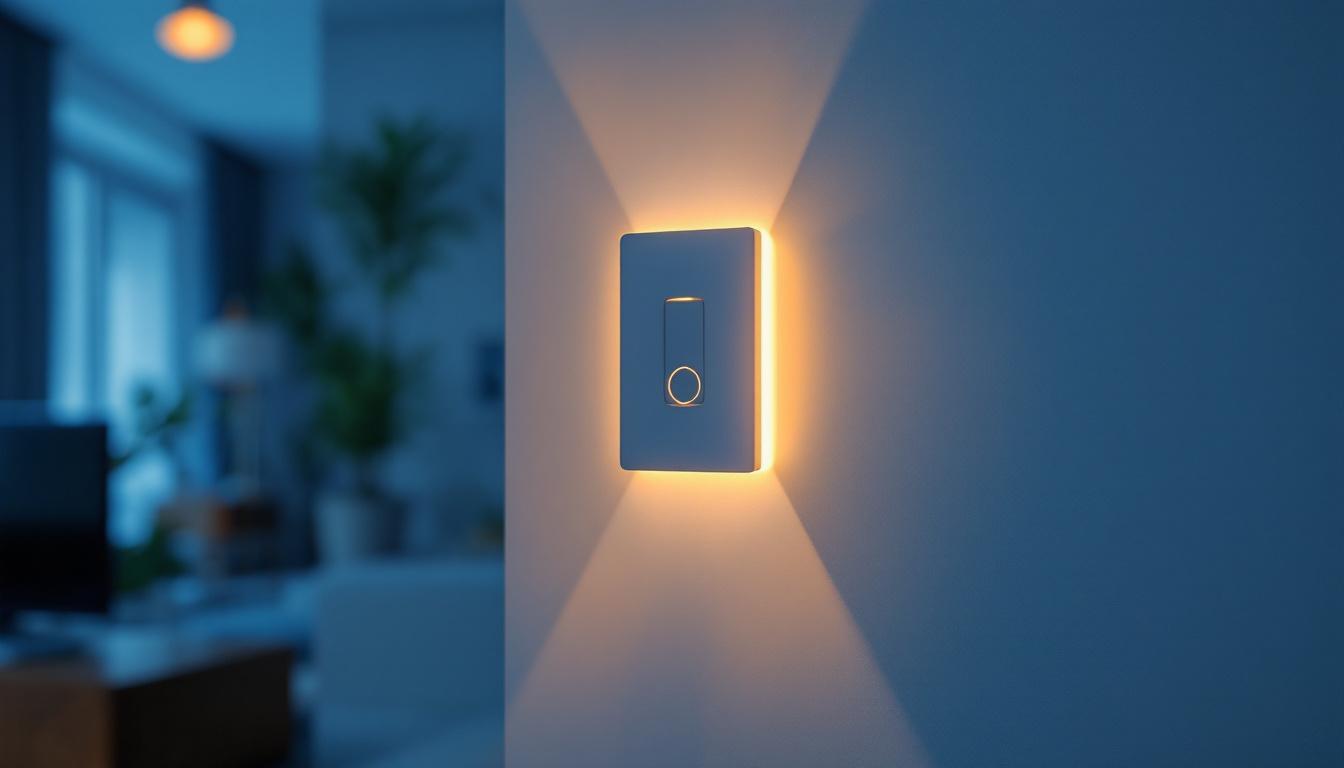
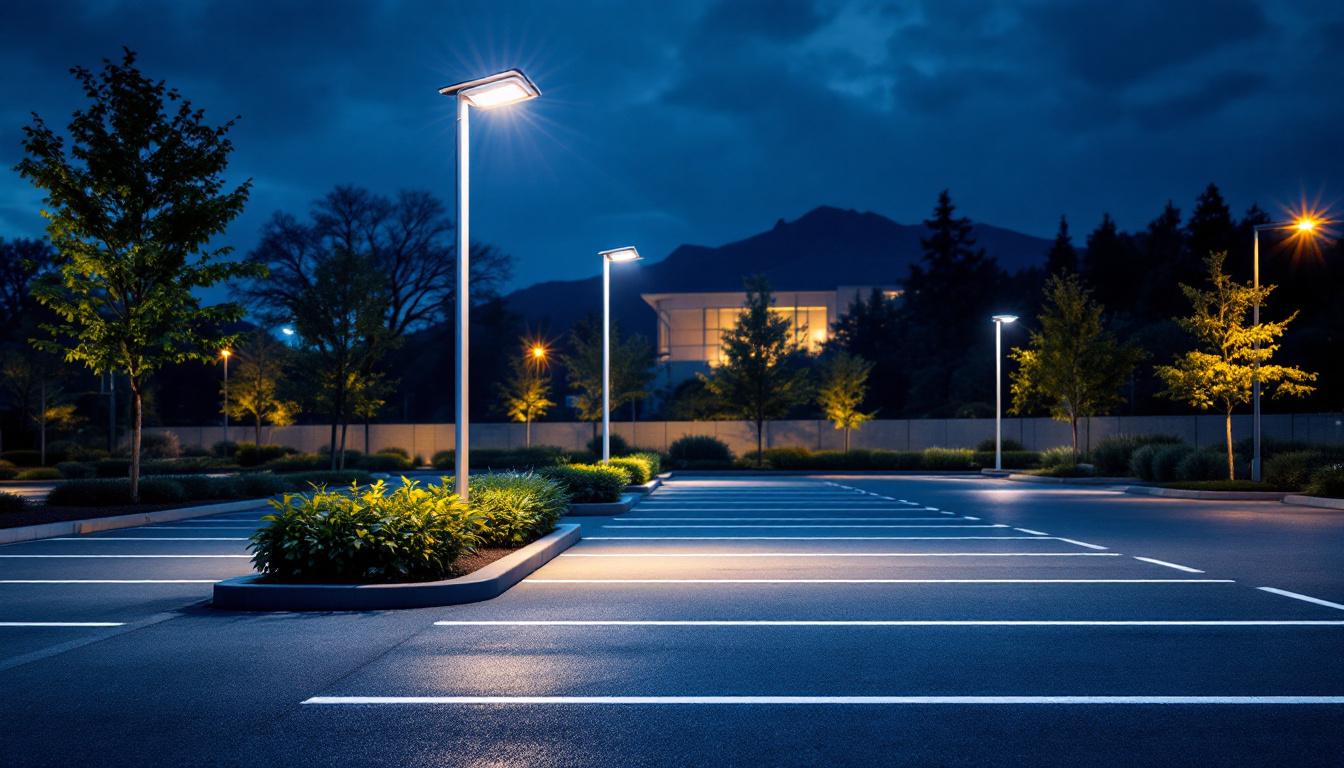
In the world of lighting design and installation, the integration of technology has transformed how spaces are illuminated. Automatic light switch sensors have emerged as a popular solution for enhancing energy efficiency and convenience. However, improper implementation can lead to costly mistakes. This article explores common pitfalls in lighting projects involving automatic light switch sensors and offers guidance on how to avoid them.
Understanding Automatic Light Switch Sensors
Automatic light switch sensors are devices designed to control lighting based on occupancy or ambient light levels. They can significantly reduce energy consumption by ensuring that lights are only on when needed. These sensors come in various types, including motion detectors, photoelectric sensors, and dual-technology sensors, each suited for different applications and environments.
Types of Sensors
When selecting an automatic light switch sensor, it is crucial to understand the different types available. Motion sensors detect movement within a designated area, making them ideal for spaces like hallways and restrooms. Photoelectric sensors, on the other hand, measure ambient light levels and adjust lighting accordingly, which is particularly useful for outdoor applications or areas with natural light variations.
Dual-technology sensors combine both motion and photoelectric capabilities, providing a more reliable solution by minimizing false triggers. Understanding these distinctions can help contractors choose the right sensor for specific projects, ensuring optimal performance and efficiency. Moreover, there are also specialized sensors designed for unique environments, such as waterproof sensors for outdoor use or sensors that can be integrated with smart home systems, allowing for more advanced automation and control.
Benefits of Using Automatic Light Switch Sensors
The advantages of incorporating automatic light switch sensors into lighting projects are numerous. Firstly, they enhance energy efficiency, leading to reduced utility costs. By ensuring that lights are only active when necessary, these sensors contribute to sustainability efforts and lower carbon footprints.
Additionally, automatic sensors improve user convenience. In commercial settings, for instance, employees can move about without worrying about turning lights on and off, enhancing productivity. In residential applications, homeowners benefit from the ease of use and increased safety, particularly in areas like staircases and garages. Furthermore, the implementation of these sensors can lead to longer lifespans for light bulbs, as they are not subjected to the wear and tear of frequent on/off cycles. This not only saves money on replacements but also reduces waste, making automatic light switch sensors a smart choice for environmentally conscious consumers.
Another significant benefit is the potential for increased security. In both residential and commercial spaces, automatic light switch sensors can deter potential intruders by ensuring that lights are activated when movement is detected. This added layer of security can provide peace of mind for homeowners and business owners alike, knowing that their premises are better protected. Additionally, many modern sensors can be integrated with security systems, allowing for seamless operation and enhanced monitoring capabilities.
Common Mistakes in Lighting Projects
Despite the clear benefits, many contractors encounter challenges when implementing automatic light switch sensors. Understanding these common mistakes can help avoid pitfalls that lead to inefficiencies or increased costs.
Improper Sensor Placement
One of the most critical factors in the effectiveness of automatic light switch sensors is their placement. Incorrect positioning can lead to missed detections or unnecessary activations. For example, placing a motion sensor in a corner may limit its field of view, resulting in areas that remain unlit.
To ensure optimal coverage, it is essential to conduct a thorough site assessment before installation. Consider factors such as the layout of the space, the expected movement patterns of occupants, and potential obstructions that could interfere with the sensor’s line of sight. Additionally, understanding the height at which the sensors are mounted can influence their effectiveness; sensors installed too high may not detect lower movements, while those too low could be triggered by minor disturbances.
Ignoring Environmental Factors
Environmental conditions can significantly impact the performance of automatic light switch sensors. For instance, high ceilings may require specialized sensors that can detect movement from a distance. Similarly, outdoor sensors must be weatherproof and capable of functioning in varying light conditions.
Contractors should also consider the presence of pets or other moving objects that could trigger sensors unintentionally. By taking these factors into account during the planning phase, contractors can select the most suitable sensors for a given environment, minimizing the risk of malfunction. Furthermore, understanding the local climate can aid in choosing sensors that are not only durable but also energy-efficient, thus reducing long-term operational costs.
Overlooking User Needs
Every lighting project should prioritize the needs of the end-users. Failing to engage with clients about their preferences and expectations can lead to dissatisfaction with the final installation. For instance, some users may prefer manual overrides for certain areas, while others may require specific lighting schedules.
Conducting thorough consultations with clients can help identify their needs and preferences. This information is invaluable when selecting and configuring automatic light switch sensors, ensuring that the final outcome aligns with user expectations. Additionally, providing training on how to use the new lighting systems can enhance user satisfaction, as it empowers them to make the most of the technology. Incorporating feedback mechanisms post-installation can also help in fine-tuning the system to better suit the evolving needs of the users, ensuring that the lighting remains functional and beneficial over time.
Best Practices for Successful Implementation
To avoid costly mistakes and ensure successful integration of automatic light switch sensors, contractors should adhere to several best practices throughout the project lifecycle.
Conducting a Comprehensive Site Assessment
A detailed site assessment is the foundation of any successful lighting project. This process involves evaluating the physical space, understanding user behavior, and identifying potential challenges. By gathering this information, contractors can make informed decisions about sensor placement and selection.
During the assessment, it is also beneficial to consider future changes in the space. For example, if a room is likely to undergo renovations or changes in usage, selecting adaptable sensors can save time and resources in the long run. Furthermore, engaging with the end-users during this phase can provide valuable insights into their preferences and habits, which can lead to a more tailored and effective lighting solution. By understanding how individuals interact with the space, contractors can optimize sensor placement to enhance both comfort and functionality.
Choosing the Right Technology
With various sensor technologies available, selecting the right one for the project is crucial. Factors such as the type of space, expected occupancy levels, and specific lighting requirements should guide this decision. For instance, a busy office environment may benefit from dual-technology sensors that minimize false triggers, while a quiet storage area may only require basic motion detection.
Additionally, staying updated on the latest advancements in sensor technology can provide contractors with innovative solutions that enhance efficiency and user experience. Regularly reviewing product specifications and performance reviews can aid in making informed choices. It’s also wise to consider the long-term implications of technology selection, such as energy consumption and compatibility with smart building systems. By opting for energy-efficient models that can integrate with existing infrastructure, contractors not only improve the sustainability of the project but also reduce operational costs over time.
Testing and Calibration
After installation, thorough testing and calibration of automatic light switch sensors are essential. This step ensures that the sensors function as intended and meet the specific needs of the space. Testing should include evaluating the sensor’s response to movement, adjusting sensitivity levels, and ensuring proper integration with existing lighting systems.
Regular maintenance checks should also be scheduled to ensure continued performance. Over time, dust and debris can accumulate on sensors, affecting their functionality. Establishing a maintenance routine can help prolong the lifespan of the sensors and maintain energy efficiency. In addition to physical maintenance, it is also beneficial to monitor the system’s performance data, if available. Analyzing usage patterns can reveal insights into how effectively the sensors are operating and whether adjustments are needed to optimize lighting conditions further. This proactive approach not only enhances user satisfaction but can also lead to significant energy savings, reinforcing the value of implementing automatic lighting solutions.
Case Studies: Learning from Real-World Examples
Examining real-world applications of automatic light switch sensors can provide valuable insights into best practices and potential challenges. Here are a few case studies that highlight successful implementations and lessons learned.
Commercial Office Space
In a recent project involving a commercial office space, the contractor faced challenges with energy consumption due to lights being left on after hours. By integrating dual-technology sensors in common areas and meeting rooms, the contractor significantly reduced energy costs. However, initial placement of the sensors led to some areas remaining unlit.
After conducting a site assessment and adjusting the sensor placements, the contractor achieved optimal coverage and user satisfaction. This case underscores the importance of thorough planning and adaptability in sensor installation.
Residential Application
A residential project involved installing automatic light switch sensors in a large home with multiple levels. The contractor initially selected standard motion sensors, which resulted in frequent false activations due to pets moving around. After discussing the issue with the homeowners, the contractor replaced the sensors with more advanced dual-technology options that offered better accuracy.
This experience highlights the need for ongoing communication with clients and the importance of selecting appropriate technology based on specific user needs.
Conclusion
Automatic light switch sensors present an excellent opportunity for lighting contractors to enhance energy efficiency and user convenience. However, careful consideration must be given to avoid common pitfalls that can lead to costly mistakes. By understanding the various types of sensors, conducting thorough site assessments, and engaging with clients, contractors can ensure successful implementation.
Ultimately, the key to a successful lighting project lies in meticulous planning, informed decision-making, and a commitment to ongoing maintenance. By following best practices and learning from real-world examples, contractors can harness the full potential of automatic light switch sensors, delivering outstanding results for their clients.
Get Your Premium Lighting Solutions at LumenWholesale
Ready to elevate your lighting projects with the most efficient automatic light switch sensors? Look no further than LumenWholesale, where we provide contractors with the highest quality, spec-grade lighting products at unbeatable wholesale prices. Say goodbye to unnecessary markups and hello to a vast selection of reliable, high-performance lighting that meets the strictest industry standards. With LumenWholesale, bulk buying is a breeze, thanks to our free shipping policy, ensuring you get the best value without any hidden costs. Don’t compromise on quality or price. Visit LumenWholesale today and discover the ideal blend of quality, affordability, and convenience for all your lighting needs.