Introduction to Color Can Lights in Safety Applications
Lighting contractors play a vital role in designing and installing lighting systems that not only illuminate spaces but also enhance safety. Among the many lighting options available, color can lights have emerged as a versatile and effective tool for improving safety in various environments. These recessed fixtures, equipped with color-changing capabilities, offer more than just aesthetic appeal—they provide functional benefits that can prevent accidents, guide occupants, and improve overall situational awareness.
Understanding how color can lights contribute to safety requires a deep dive into their features, applications, and the science behind color perception. This article explores the multifaceted ways color can lights enhance safety in lighting installations, offering practical insights for lighting contractors aiming to deliver safer environments for their clients.
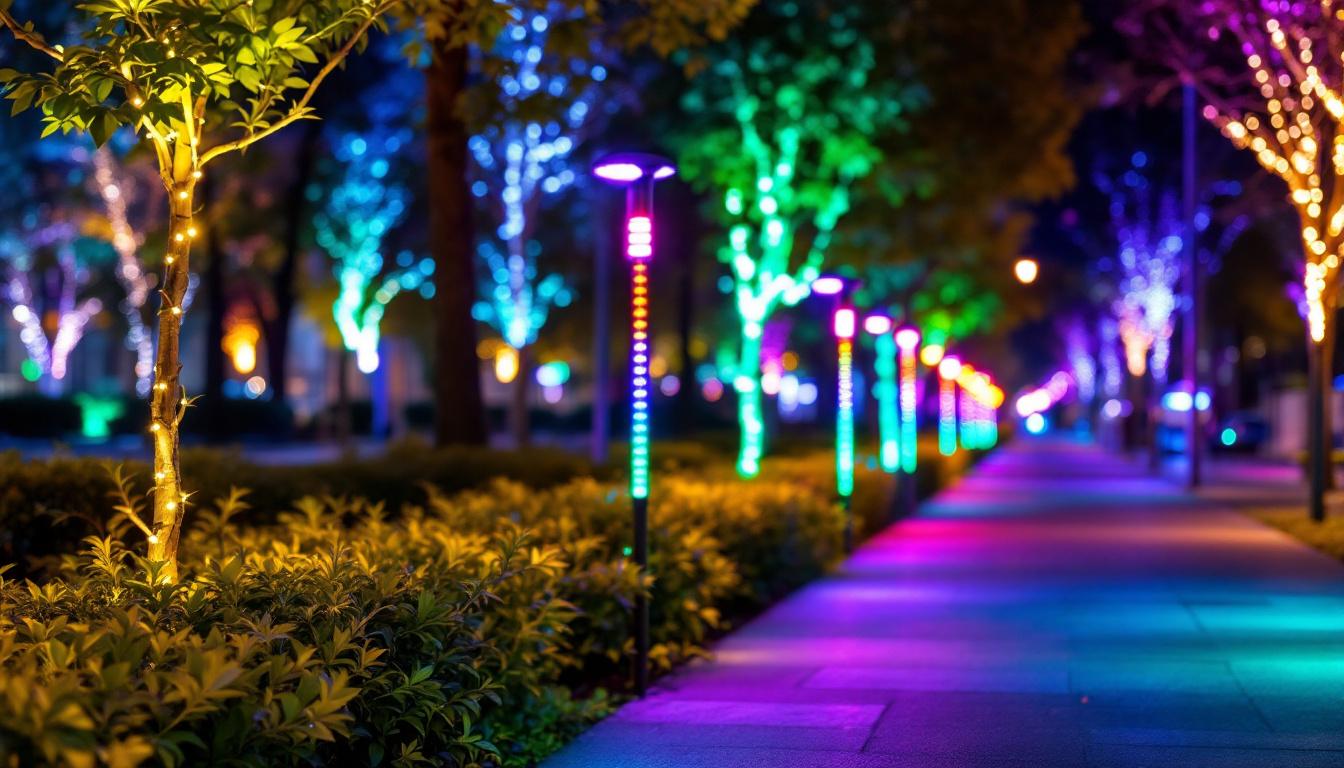
One of the key advantages of color can lights is their ability to adapt to different situations and needs. For instance, in emergency scenarios, the quick transition to red lighting can signal danger, prompting immediate action from occupants. Similarly, green lights can indicate safe exits or pathways, guiding people to safety during a crisis. This dynamic capability not only aids in navigation but also helps to reduce panic, as individuals can easily identify safe zones and escape routes. Furthermore, the use of color can lights in public spaces, such as parks or parking lots, can enhance visibility during nighttime, deterring potential criminal activity while making users feel more secure.
Additionally, the psychological effects of color cannot be overlooked when discussing safety applications. Research has shown that certain colors can evoke specific emotions and reactions. For example, blue lighting is often associated with calmness and can help to reduce anxiety in high-stress environments, such as hospitals or waiting rooms. By strategically implementing color can lights, contractors can create atmospheres that not only improve visibility but also foster a sense of well-being among occupants. This understanding of color psychology is essential for lighting designers who wish to craft environments that are not only functional but also supportive of the mental and emotional health of users.
The Science of Color and Human Perception in Safety Lighting
How Color Influences Human Behavior and Attention
Color is a powerful tool in communication and perception. Different colors evoke distinct psychological and physiological responses, which can be leveraged to improve safety. For example, red is universally associated with warnings and danger, prompting immediate attention and caution. Green, conversely, signals safety or permission to proceed.
Research in environmental psychology indicates that color can influence mood, alertness, and reaction times. In safety-critical environments such as industrial facilities, hospitals, and public spaces, using specific colors in lighting can enhance alertness and reduce the likelihood of accidents. Lighting contractors who understand these nuances can design systems that not only illuminate but also communicate essential safety information effectively.
Color Visibility and Contrast in Various Environments
Visibility is a key factor in safety lighting. The ability of occupants to quickly detect hazards or navigate spaces depends on the contrast and clarity of the lighting. Color can lights offer adjustable hues and intensities, allowing contractors to optimize contrast based on the environment’s needs.
For instance, in fog-prone or smoky areas, certain colors like amber or yellow penetrate better than others, improving visibility. In contrast, blue or white lights might be more effective in well-ventilated indoor settings. By tailoring the color temperature and saturation, lighting professionals can ensure that safety lighting remains effective under varying conditions.
Applications of Color Can Lights for Safety Enhancement
Emergency and Exit Lighting
One of the most critical safety applications of color can lights is in emergency and exit lighting. Traditional exit signs and emergency lights often rely on static red or green illumination. Color can lights take this a step further by offering dynamic color changes that can grab attention more effectively during emergencies.
For example, a lighting system can be programmed to shift from a calming green to an urgent red in the event of a fire or evacuation, signaling occupants to act swiftly. This dynamic color coding can reduce confusion and improve evacuation times, which is crucial in high-occupancy buildings such as theaters, malls, and office complexes.
Hazard Identification and Zone Marking
In industrial and construction environments, identifying hazardous zones quickly is paramount. Color can lights can be installed to demarcate safe zones, restricted areas, or high-risk machinery locations using distinct colors. This visual differentiation helps workers recognize danger zones at a glance, even in low-light or high-activity conditions.
Moreover, these lights can be programmed to flash or change colors in response to specific triggers, such as machine operation or chemical spills, providing real-time hazard alerts. This proactive approach to safety lighting can significantly reduce workplace accidents and improve compliance with occupational safety regulations.
Wayfinding and Path Guidance
Effective wayfinding is essential in large or complex facilities, especially during power outages or emergencies. Color can lights can be integrated into floor or ceiling installations to create illuminated pathways that guide occupants safely to exits or safe zones.
By using different colors to indicate direction or priority routes, lighting contractors can design intuitive navigation systems that reduce panic and confusion. For example, green lights might indicate the primary exit route, while blue lights could mark secondary paths or assembly points. This color-coded guidance enhances safety by facilitating orderly evacuations and minimizing bottlenecks.
Technical Considerations for Installing Color Can Lights
Choosing the Right Fixtures and Controls
Not all can lights are created equal when it comes to color capabilities. Lighting contractors must select fixtures that offer reliable color rendering, sufficient lumen output, and compatibility with control systems. LED-based color can lights are generally preferred due to their energy efficiency, long lifespan, and precise color tuning.
Integration with smart lighting controls is also essential. Advanced control systems allow for programmable color changes, dimming, and scene setting, enabling lighting to adapt dynamically to safety needs. For example, a control system can automatically switch lighting to a high-contrast red during an emergency or reduce brightness during low-activity periods to conserve energy.
Compliance with Safety Standards and Codes
Safety lighting installations must comply with local and international codes such as the National Fire Protection Association (NFPA) standards, Occupational Safety and Health Administration (OSHA) regulations, and building codes. These standards specify requirements for illumination levels, fixture placement, and emergency lighting performance.
Lighting contractors should ensure that color can light installations meet or exceed these requirements. This includes verifying that color choices do not compromise visibility or violate color conventions used in safety signage. Proper documentation and testing are also critical to demonstrate compliance during inspections.
Installation Best Practices
Installing color can lights for safety purposes requires meticulous planning and execution. Contractors should conduct thorough site assessments to identify critical areas where color-enhanced lighting will have the greatest impact. Coordination with other safety systems, such as alarms and signage, ensures a cohesive approach.
Proper wiring, fixture placement, and secure mounting are essential to maintain system reliability, especially in harsh or high-traffic environments. Additionally, commissioning the system with end-user training helps ensure that occupants understand the meaning of different colors and respond appropriately during emergencies.
Case Studies: Real-World Impact of Color Can Lights on Safety
Industrial Facility Hazard Lighting
A manufacturing plant implemented color can lights to mark hazardous zones around heavy machinery. By using red lighting to indicate danger areas and green for safe walkways, the facility saw a measurable reduction in workplace accidents. Workers reported improved situational awareness, and safety audits confirmed enhanced compliance with safety protocols.
Healthcare Facility Emergency Lighting Upgrade
A hospital upgraded its emergency lighting system with color can lights that shift from white to red during power outages or fire alarms. This dynamic lighting helped patients and staff quickly identify exit routes and emergency equipment locations. The hospital noted faster evacuation times during drills and improved confidence in emergency preparedness.
Commercial Complex Wayfinding System
A large shopping mall integrated color can lights into its ceiling grid to create color-coded evacuation paths. Different colors guided shoppers to various exits and assembly points, reducing congestion during emergency drills. The system’s flexibility also allowed for seasonal or event-based color changes, enhancing both safety and customer experience.
Future Trends and Innovations in Color Safety Lighting
Advancements in LED technology and smart controls continue to expand the possibilities for color can lights in safety applications. Emerging trends include integration with building automation systems, real-time hazard detection through sensors, and adaptive lighting that responds to occupant behavior.
Additionally, developments in human-centric lighting emphasize tuning color temperatures and intensities to support circadian rhythms and reduce fatigue, indirectly contributing to safer environments. Lighting contractors who stay abreast of these innovations can offer cutting-edge solutions that elevate safety standards and client satisfaction.
Conclusion
Color can lights represent a powerful tool in the lighting contractor’s arsenal for enhancing safety in diverse environments. By leveraging the psychological and functional benefits of color, these fixtures improve hazard visibility, emergency response, and wayfinding. Proper selection, installation, and integration with control systems ensure that color can lights deliver maximum safety impact while complying with regulatory standards.
As safety requirements evolve and technology advances, color can lights will continue to play an essential role in creating safer, more responsive lighting installations. Lighting contractors who embrace these capabilities can significantly contribute to protecting lives and property through intelligent, color-enhanced lighting design.
Illuminate Safely with LumenWholesale
Ready to enhance the safety and responsiveness of your lighting installations with color can lights? At LumenWholesale, we provide lighting contractors with the highest quality, spec-grade lighting solutions at unbeatable wholesale prices. Our extensive selection is designed to meet rigorous industry standards, ensuring you get reliable and high-performance lighting for every project. Plus, with free shipping on bulk orders, you can secure premium lighting at the best value — without hidden fees or compromises. Elevate your lighting projects with the perfect blend of quality, affordability, and convenience. Explore our wholesale lighting options and make a smart investment in safety today.