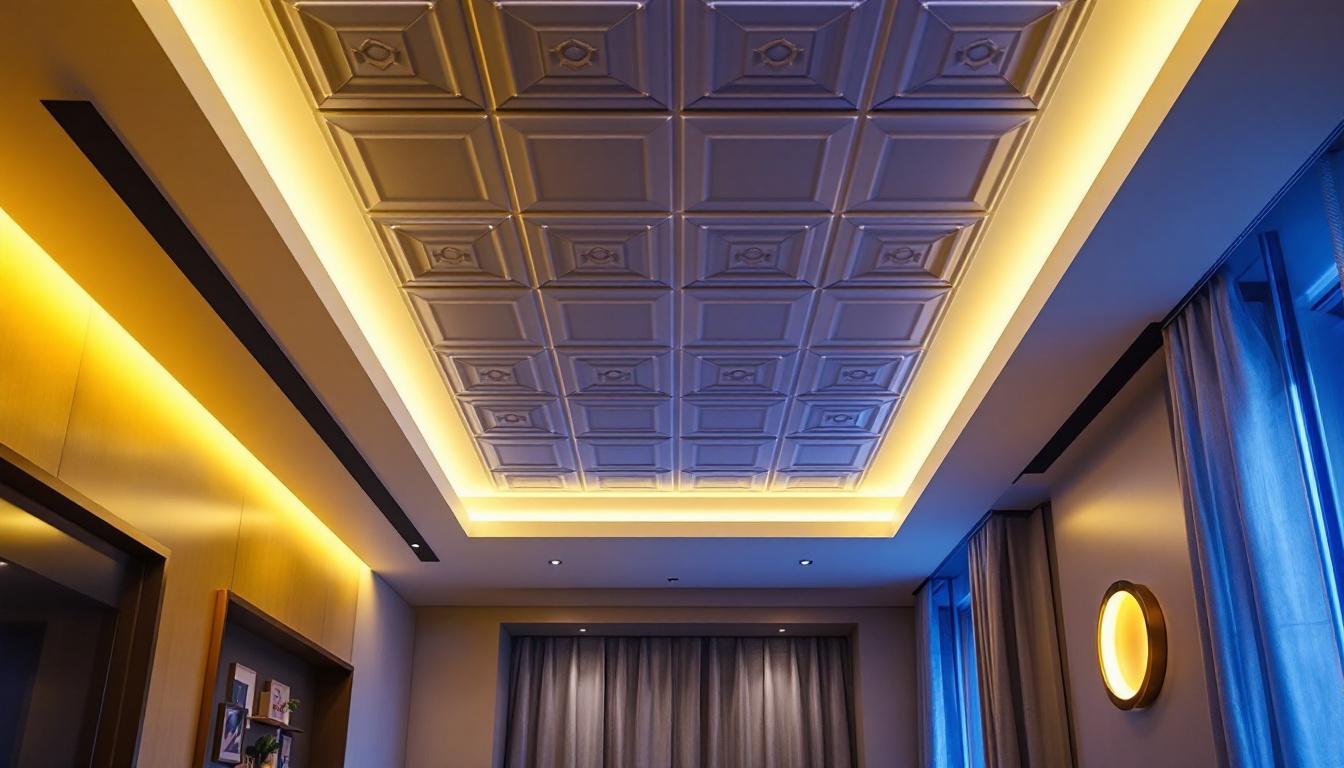
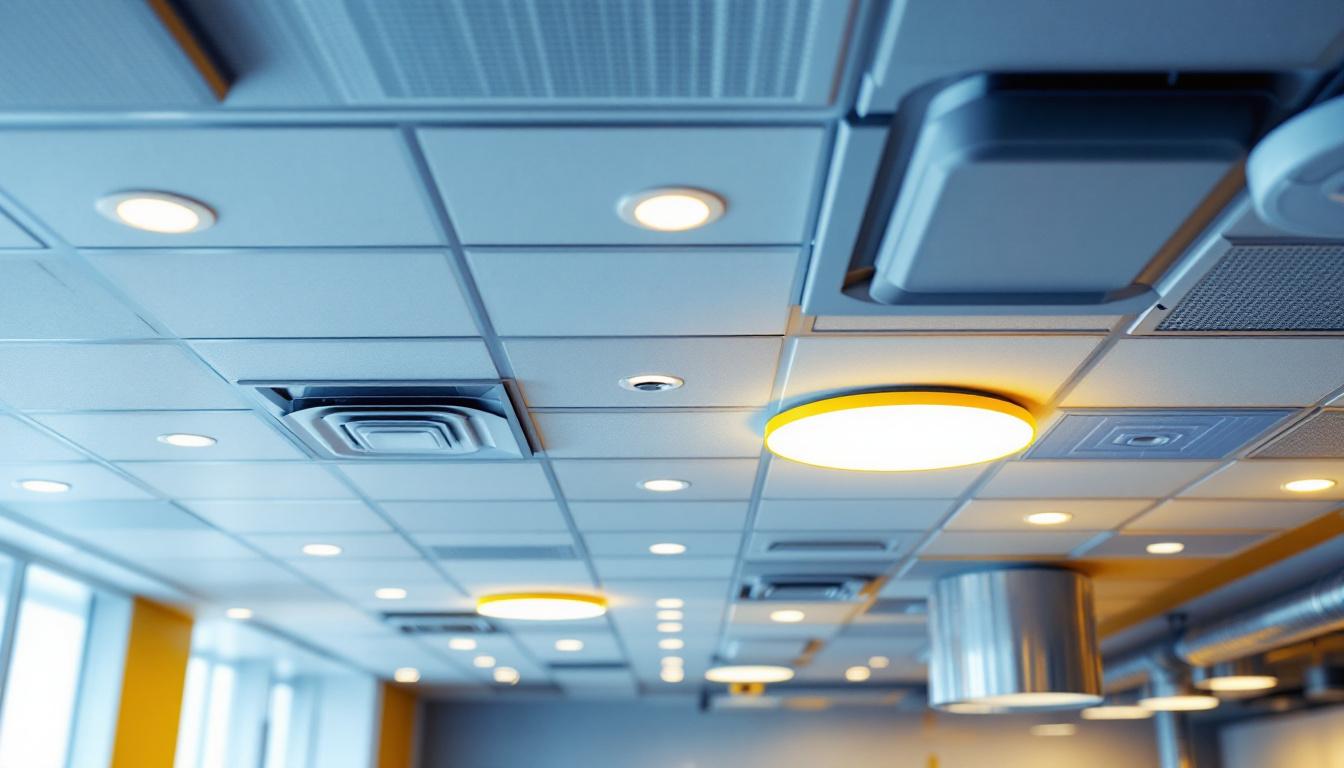
In the realm of modern lighting solutions, ceiling tile lighting has emerged as a versatile and efficient option for various settings. This innovative lighting design is not only aesthetically pleasing but also functional, making it a popular choice among lighting contractors and designers alike. The integration of ceiling tile lighting into spaces has transformed how environments are illuminated, offering a seamless blend of style and practicality.
Understanding Ceiling Tile Lighting
Ceiling tile lighting refers to light fixtures that are integrated into ceiling tiles, typically used in commercial and institutional settings. These fixtures can be found in drop ceilings, where they provide an even distribution of light while maintaining a clean and unobtrusive appearance. The design of ceiling tile lighting allows for easy installation and maintenance, making it an attractive option for contractors. Furthermore, the modular nature of ceiling tile systems means that lighting can be easily reconfigured or upgraded as needs change, providing flexibility for evolving spaces.
Types of Ceiling Tile Lighting
There are several types of ceiling tile lighting available, each catering to specific needs and preferences. The most common types include LED panel lights, fluorescent fixtures, and recessed lighting. LED panel lights have gained significant popularity due to their energy efficiency and long lifespan. They provide a bright, uniform light that enhances visibility in workspaces. Additionally, many LED panels are available in various color temperatures, allowing users to choose the right ambiance for their environment, whether it be a warm, inviting glow for a reception area or a cooler, more focused light for a conference room.
Fluorescent fixtures, while less energy-efficient than LEDs, are still widely used in many commercial applications. They offer a cost-effective solution for large areas that require consistent lighting. Their long-standing presence in the market has led to a variety of designs and configurations, including dimmable options and those with integrated motion sensors for added convenience. Recessed lighting, on the other hand, provides a more discreet option, allowing for a clean ceiling line while delivering focused illumination. This type of lighting is particularly advantageous in spaces where aesthetics are paramount, as it can highlight architectural features or artwork without drawing attention to the fixtures themselves.
Benefits of Ceiling Tile Lighting
The benefits of ceiling tile lighting extend beyond mere aesthetics. One of the primary advantages is energy efficiency. Many ceiling tile lighting options, particularly LED panels, consume significantly less energy compared to traditional lighting solutions. This not only reduces electricity bills but also contributes to a more sustainable environment. In fact, many businesses are now opting for LED solutions as part of their green initiatives, which can also enhance their reputation among environmentally conscious consumers.
Additionally, ceiling tile lighting can enhance the overall ambiance of a space. By providing uniform illumination, it helps reduce shadows and dark spots, creating a more comfortable environment for occupants. This is particularly important in settings such as offices, schools, and healthcare facilities, where adequate lighting is crucial for productivity and well-being. The ability to customize lighting levels and colors can also play a significant role in mood regulation, which is increasingly recognized as a vital component of workplace design. Furthermore, with advancements in smart lighting technology, ceiling tile lighting systems can now be integrated with automation systems, allowing for dynamic adjustments based on occupancy and natural light levels, thereby further optimizing energy use and comfort.
Applications of Ceiling Tile Lighting
Ceiling tile lighting is versatile and can be applied in various settings, making it a go-to solution for many lighting contractors. Its adaptability allows it to fit seamlessly into different environments, from corporate offices to retail spaces and even healthcare facilities.
Commercial Spaces
In commercial settings, ceiling tile lighting is often used to create a professional and inviting atmosphere. Offices benefit from the even distribution of light, which can enhance employee productivity and reduce eye strain. The sleek design of ceiling tile fixtures also contributes to a modern aesthetic, aligning with contemporary architectural trends.
Retail spaces utilize ceiling tile lighting to highlight products and create an engaging shopping experience. The ability to adjust the brightness and color temperature of LED panels allows retailers to set the desired mood and draw attention to specific areas within the store.
Healthcare Facilities
In healthcare environments, proper lighting is paramount. Ceiling tile lighting is commonly used in hospitals and clinics to ensure that spaces are well-lit for both staff and patients. The uniform light helps in reducing the risk of accidents and supports the overall healing environment.
Moreover, the use of ceiling tile lighting can contribute to energy savings in healthcare facilities, which often operate 24/7. By opting for energy-efficient lighting solutions, these institutions can significantly cut down on operational costs while maintaining high standards of care.
Design Considerations for Ceiling Tile Lighting
When integrating ceiling tile lighting into a project, several design considerations must be taken into account. These factors can influence not only the functionality of the lighting but also the overall aesthetic of the space.
Light Quality and Color Temperature
The quality of light produced by ceiling tile fixtures is crucial for creating the desired atmosphere. Different color temperatures can evoke various emotions and responses. For instance, cooler temperatures (above 4000K) are often associated with alertness and focus, making them suitable for work environments. Conversely, warmer temperatures (below 3000K) can create a cozy and inviting ambiance, ideal for residential or hospitality settings.
Lighting contractors should consider the specific needs of the space and its occupants when selecting the appropriate color temperature. Additionally, the use of dimmable fixtures can provide further flexibility, allowing users to adjust the lighting according to their preferences and activities.
Fixture Placement and Layout
The placement of ceiling tile lighting fixtures plays a vital role in achieving optimal illumination. Contractors must carefully plan the layout to ensure even light distribution throughout the space. This involves considering factors such as ceiling height, room dimensions, and the presence of furniture or architectural features that may obstruct light.
Moreover, the integration of different types of fixtures can enhance the overall lighting design. For example, combining ceiling tile lighting with accent or task lighting can create a layered effect, providing both general illumination and focused light where needed.
Energy Efficiency and Sustainability
As the world becomes increasingly conscious of environmental issues, energy efficiency and sustainability have become paramount in lighting design. Ceiling tile lighting, particularly LED options, offers a sustainable solution that aligns with modern energy standards.
Reducing Energy Consumption
One of the most significant advantages of ceiling tile lighting is its potential to reduce energy consumption. LED fixtures consume up to 75% less energy than traditional incandescent bulbs, making them an attractive option for contractors looking to promote energy-efficient solutions. This reduction in energy use not only lowers utility bills but also decreases the carbon footprint of a building.
In addition to using energy-efficient fixtures, implementing smart lighting controls can further enhance energy savings. Occupancy sensors, dimmers, and programmable timers can optimize lighting usage, ensuring that lights are only on when needed.
Long-Term Cost Savings
While the initial investment in ceiling tile lighting may be higher than traditional options, the long-term cost savings can be substantial. The longevity of LED fixtures, often lasting up to 50,000 hours or more, means less frequent replacements and reduced maintenance costs. This is particularly beneficial in commercial settings where labor and downtime can be costly.
Furthermore, many utility companies offer incentives and rebates for businesses that invest in energy-efficient lighting solutions. This can help offset the initial costs and make ceiling tile lighting a financially sound choice for contractors and their clients.
Future Trends in Ceiling Tile Lighting
The lighting industry is continually evolving, and ceiling tile lighting is no exception. As technology advances and design preferences shift, several trends are emerging that are likely to shape the future of this lighting solution.
Smart Lighting Integration
Smart lighting technology is becoming increasingly popular, and ceiling tile lighting is poised to benefit from this trend. The integration of smart controls allows users to customize their lighting experience, adjusting brightness, color temperature, and even scheduling lighting based on occupancy patterns.
This level of control not only enhances user comfort but also contributes to energy efficiency. As more buildings adopt smart technology, ceiling tile lighting will likely evolve to incorporate these features, making it an even more attractive option for contractors and clients alike.
Focus on Biophilic Design
Biophilic design, which emphasizes the connection between people and nature, is gaining traction in various architectural fields. Ceiling tile lighting can play a pivotal role in this approach by mimicking natural light patterns and incorporating elements that promote well-being.
Designers may explore using tunable white LEDs that can adjust throughout the day to simulate natural sunlight, enhancing the overall ambiance of a space. This trend aligns with the growing awareness of the importance of well-designed environments for mental health and productivity.
Conclusion
Ceiling tile lighting has solidified its place in modern lighting solutions, offering a blend of functionality, aesthetics, and energy efficiency. Its versatility makes it suitable for a wide range of applications, from commercial spaces to healthcare facilities. As technology continues to advance, the integration of smart features and biophilic design principles will further enhance the appeal of ceiling tile lighting.
For lighting contractors, understanding the benefits and applications of ceiling tile lighting is essential in providing clients with innovative and sustainable solutions. By staying informed about emerging trends and design considerations, contractors can ensure that they are equipped to meet the evolving needs of their clients and the environments they serve.
Illuminate Your Projects with LumenWholesale
Ready to elevate your lighting solutions with the efficiency, style, and sustainability of ceiling tile lighting? At LumenWholesale, we provide lighting contractors with an exceptional range of high-quality, specification-grade lighting products at the most competitive wholesale prices. Say goodbye to local distributor markups and hello to our premium selection that meets rigorous industry standards. With the convenience of free shipping on bulk orders, you can trust LumenWholesale to light up your projects with reliability and performance that won’t break the bank. Discover the ideal fusion of quality, value, and ease for all your lighting needs. Wholesale Lighting at the Best Value is just a click away.