Understanding the Basics of Ceiling Fan Lights
Ceiling fan lights are more than just a source of illumination; they combine functionality with style, enhancing both comfort and ambiance in any room. For lighting contractors, mastering the nuances of ceiling fan lights is essential to delivering top-notch installations that satisfy clients and comply with electrical standards.
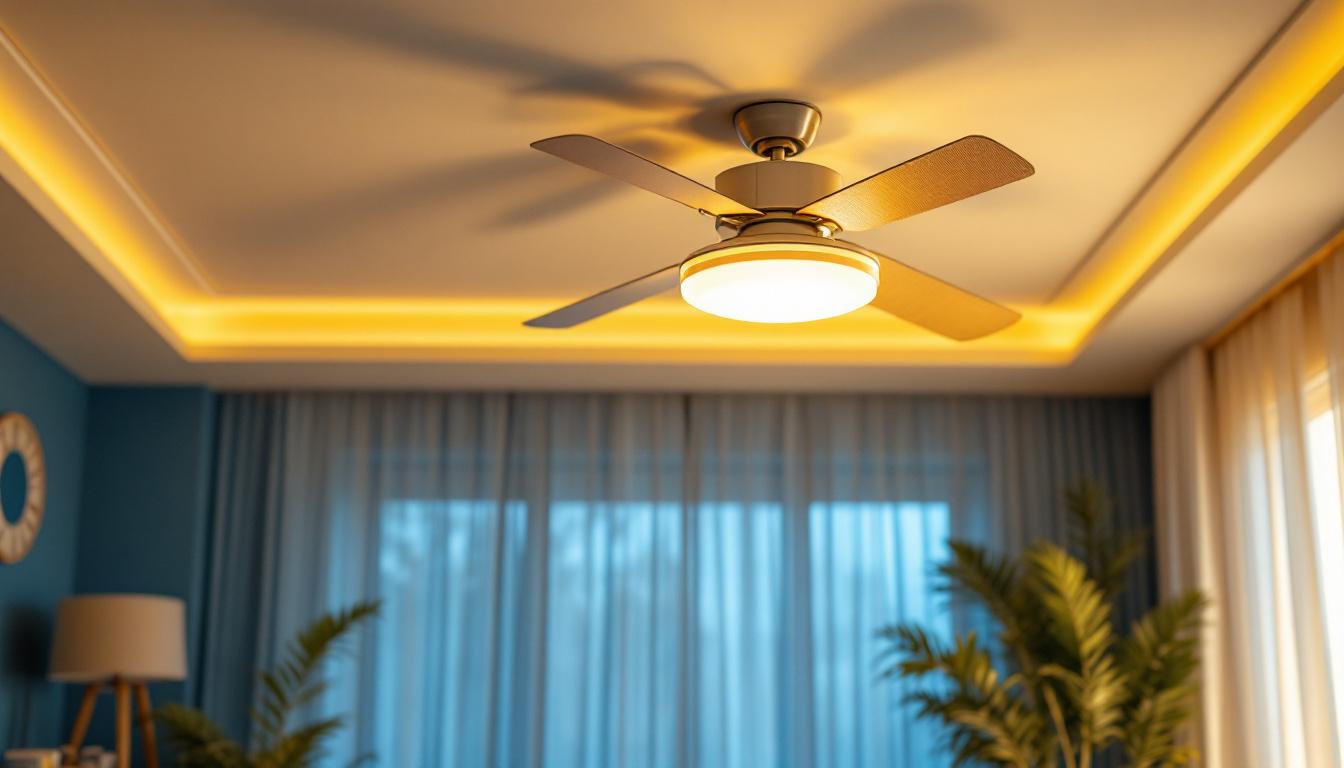
At the core, a ceiling fan light integrates a lighting fixture into the fan assembly, providing overhead lighting while maintaining airflow. This dual-purpose design requires careful consideration of electrical wiring, fixture compatibility, and safety regulations. Contractors must be familiar with the different types of ceiling fan lights, such as integrated LED modules, traditional bulb sockets, and remote-controlled lighting systems.
Types of Ceiling Fan Light Fixtures
Lighting contractors often encounter a variety of ceiling fan light setups. The most common include:
- Integrated LED Modules: These are built directly into the fan, offering energy efficiency and a sleek look. They typically have a longer lifespan and lower heat output.
- Bulb Sockets: Traditional ceiling fan lights use standard bulbs, such as incandescent, CFL, or LED bulbs. This setup allows easy bulb replacement and customization of light color and intensity.
- Remote-Controlled Lights: Increasingly popular, these systems allow users to adjust lighting and fan speed remotely, adding convenience and modern appeal.
Understanding these types helps contractors recommend the best options based on client needs, room size, and existing wiring. Additionally, the choice of ceiling fan light can significantly impact the overall aesthetic of a space. For instance, a fan with a vintage-style light fixture can evoke a sense of nostalgia, while a sleek, modern design can complement contemporary decor. Furthermore, the finish of the fan and light fixtures—whether brushed nickel, oil-rubbed bronze, or matte black—can harmonize with other elements in the room, such as cabinetry, furniture, and wall colors.
Moreover, the functionality of ceiling fan lights extends beyond mere illumination. Many modern fixtures come equipped with smart technology, allowing homeowners to control their ceiling fans and lights through smartphone apps or voice-activated devices. This integration not only enhances convenience but also promotes energy efficiency, as users can easily adjust settings based on their daily routines or preferences. As energy costs rise and environmental awareness grows, the demand for energy-efficient lighting solutions, such as dimmable LED options and smart controls, is likely to increase, making it crucial for contractors to stay updated on the latest trends and technologies in ceiling fan lighting.
Installation Tips for Seamless Ceiling Fan Light Integration
Installing a ceiling fan light requires precision and adherence to safety codes. Even seasoned contractors can benefit from quick tips that streamline the process and prevent common pitfalls.
Pre-Installation Planning
Before starting any installation, it’s crucial to assess the existing electrical setup. Verify that the ceiling box is rated to support the weight of the fan and light fixture—standard electrical boxes often aren’t sufficient. Using a fan-rated box ensures safety and stability.
Measure the ceiling height and room dimensions to select an appropriate fan size and light fixture. A fan that’s too large or too small can affect airflow and lighting effectiveness. For example, rooms under 75 square feet typically require a fan with a blade span of 29-36 inches, while larger rooms may need fans up to 52 inches or more. Additionally, consider the style and finish of the fan and light fixture to complement the room’s decor; a sleek modern fan might clash with a traditional setting, while a rustic wood finish could enhance a cozy, farmhouse aesthetic.
Wiring Considerations
Ceiling fan lights often require separate wiring for the fan motor and the light kit. Contractors should confirm whether the existing wiring supports dual circuits or if additional wiring is necessary. In many homes, a single switch controls both fan and light, but separating the controls enhances user convenience. This can be particularly beneficial in larger spaces where different lighting levels may be desired, allowing for a more customized ambiance.
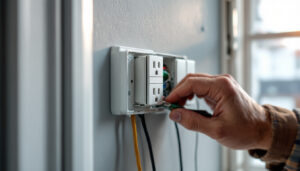
When wiring, always turn off power at the breaker panel and use a voltage tester to confirm no live current. Connect wires according to manufacturer instructions—typically, black wires for the fan motor, blue wires for the light kit, white for neutral, and green or bare copper for ground. Secure connections with wire nuts and electrical tape to prevent loose contacts. It’s also wise to label wires if you’re working with multiple circuits, as this can save time and confusion during installation.
Mounting and Balancing
Proper mounting is key to avoiding wobbling and noise. Ensure the fan is securely fastened to the ceiling box and that all screws are tightened evenly. After installation, balance the fan blades using balancing kits if needed. An unbalanced fan not only causes noise but can also shorten the motor’s lifespan. Consider using a level during installation to ensure that the fan is perfectly horizontal; this small step can significantly enhance performance and longevity.
Furthermore, take into account the positioning of the fan in relation to the room’s layout. Ideally, the fan should be installed at least 7 feet above the floor and 8-9 feet from the walls to maximize airflow. If the ceiling is particularly high, a downrod may be necessary to bring the fan closer to the optimal height. This not only improves air circulation but also enhances the aesthetic appeal of the room, making the fan a focal point rather than an afterthought.
Choosing the Right Bulbs and Lighting Options
Lighting contractors should guide clients in selecting bulbs that optimize both illumination and energy efficiency. The choice of bulb affects the room’s ambiance, energy consumption, and maintenance frequency. Understanding the specific needs of each space is crucial, as different environments may require varying levels of brightness and color temperature to achieve the desired effect. For instance, a cozy living room may benefit from softer, warmer lighting, while a home office might require brighter, cooler tones to enhance focus and productivity.
LED vs. Traditional Bulbs
LED bulbs have become the standard recommendation due to their longevity, energy savings, and reduced heat output. They consume up to 80% less energy than incandescent bulbs and can last tens of thousands of hours. Additionally, LEDs come in various color temperatures, from warm white to daylight, allowing customization of room mood. This versatility means that homeowners can create the perfect atmosphere for any occasion, whether it’s a romantic dinner or a lively gathering with friends. Furthermore, the advancements in LED technology have led to the development of high CRI (Color Rendering Index) bulbs, which enhance the true colors of objects, making them ideal for art studios and retail spaces.
However, some clients prefer the softer glow of incandescent or CFL bulbs. Contractors should explain the trade-offs, including higher energy costs and shorter lifespans, so clients can make informed decisions. It’s also worth noting that while incandescent bulbs may provide a warm ambiance, they generate more heat, which can lead to increased cooling costs during warmer months. Educating clients on the environmental impact of their choices, including the benefits of reduced carbon footprints with LED options, can further influence their decisions.
Dimming and Smart Controls
Many ceiling fan lights now support dimmable bulbs and smart lighting controls. Installing compatible dimmer switches or integrating with smart home systems adds value and convenience. Contractors should verify bulb and fixture compatibility with dimmers to avoid flickering or damage. Proper installation not only enhances user experience but also prolongs the lifespan of the lighting fixtures. Moreover, educating clients on the benefits of dimming capabilities can help them understand how to create versatile lighting scenarios for different activities, from movie nights to intimate dinners.
Smart controls, such as Wi-Fi or Bluetooth-enabled modules, allow users to adjust lighting and fan speed via smartphone apps or voice commands. These features appeal to tech-savvy clients and can be a selling point during consultations. Additionally, smart lighting systems can be programmed to follow daily routines, automatically adjusting brightness based on the time of day or occupancy, which not only enhances convenience but also contributes to energy savings. As technology continues to evolve, the integration of lighting with home automation systems is becoming increasingly popular, making it essential for contractors to stay updated on the latest trends and products in the market.
Maintenance and Troubleshooting Tips
Proper maintenance extends the life of ceiling fan lights and ensures consistent performance. Lighting contractors often provide clients with advice on upkeep and troubleshooting common issues.
Routine Cleaning
Dust and dirt accumulation on fan blades and light covers can reduce efficiency and cause uneven airflow. Recommend clients clean the fan blades and light fixtures regularly using a soft cloth or vacuum with a brush attachment. Avoid harsh chemicals that can damage finishes or electrical components.
Addressing Flickering or Dim Lights
Flickering lights may indicate loose wiring, incompatible dimmers, or failing bulbs. Contractors should check all connections and replace bulbs with high-quality, compatible models. If dimming features are involved, verify that the dimmer switch matches the bulb type.
Fan Noise and Wobbling
Unusual noises or wobbling often result from imbalanced blades or loose mounting hardware. Balancing kits and tightening screws typically resolve these issues. In some cases, worn motor bearings may require professional repair or replacement.
Safety and Code Compliance
Adhering to electrical codes and safety standards is non-negotiable for lighting contractors. Ceiling fan light installations must comply with local regulations to ensure occupant safety and avoid liability.
Electrical Box Ratings
Always use ceiling boxes rated for fan support. These boxes are designed to handle the dynamic load of a spinning fan and prevent structural failures. Using a non-rated box can lead to dangerous situations, including fan detachment.
Grounding and Circuit Protection
Proper grounding is essential to prevent electrical shocks. Ensure all metal parts are connected to the ground wire and that circuit breakers or fuses are correctly sized. Installing AFCI (Arc Fault Circuit Interrupter) breakers may be required in some jurisdictions for added protection.
Permits and Inspections
Depending on local laws, ceiling fan light installations may require permits and inspections. Contractors should inform clients about these requirements and coordinate with inspectors to ensure compliance. Proper documentation protects both the contractor and the homeowner.
Enhancing Client Satisfaction with Expert Advice
Lighting contractors who provide clear, knowledgeable guidance on ceiling fan lights build trust and generate repeat business. Offering tailored recommendations, explaining technical details in accessible language, and demonstrating professionalism set contractors apart.
Clients appreciate when contractors discuss energy savings, maintenance tips, and safety considerations upfront. Highlighting the benefits of modern LED technology, smart controls, and proper installation practices empowers clients to make confident decisions.
Ultimately, a well-installed ceiling fan light not only illuminates a space but also elevates comfort and style, reflecting the expertise of the contractor behind the work.
Illuminate Your Projects with LumenWholesale
Ready to enhance your installations with the best in lighting solutions? At LumenWholesale, we provide lighting contractors like you with the highest quality, spec-grade ceiling fan lights and more, all at unbeatable wholesale prices. Say goodbye to local distributor markups and hello to a vast selection of reliable, high-performance lighting that meets the highest industry standards. Plus, with free shipping on bulk orders, you can stock up on premium lighting without worrying about hidden fees or compromises. Elevate your client satisfaction and project excellence today. Visit LumenWholesale for Wholesale Lighting at the Best Value, and experience the perfect blend of quality, affordability, and convenience.